Buying Property in El Salvador as a Foreigner 2026 — Rules, Costs and Real Risks
GUIDES · EL SALVADOR
Key Facts
- —What it is A dollarised market where foreigners hold urban title in their own name, like nationals.
- —Who it’s for Retirees, remote workers and investors who want dollar pricing and a short, notary-led purchase.
- —What it costs Three percent transfer tax above US$28,571.43, plus registry fees near 0.63 percent and notary fees.
- —Why it matters El Salvador levies no annual national property tax, so holding costs stay unusually low.
- —The catch Rural land carries a reciprocity test, and the shoreline band cannot be owned at all.
Buying property in El Salvador as a foreigner is mostly a notary-and-registry exercise — but rural land and the shoreline follow their own rules, and those rules decide whether a deal is safe.
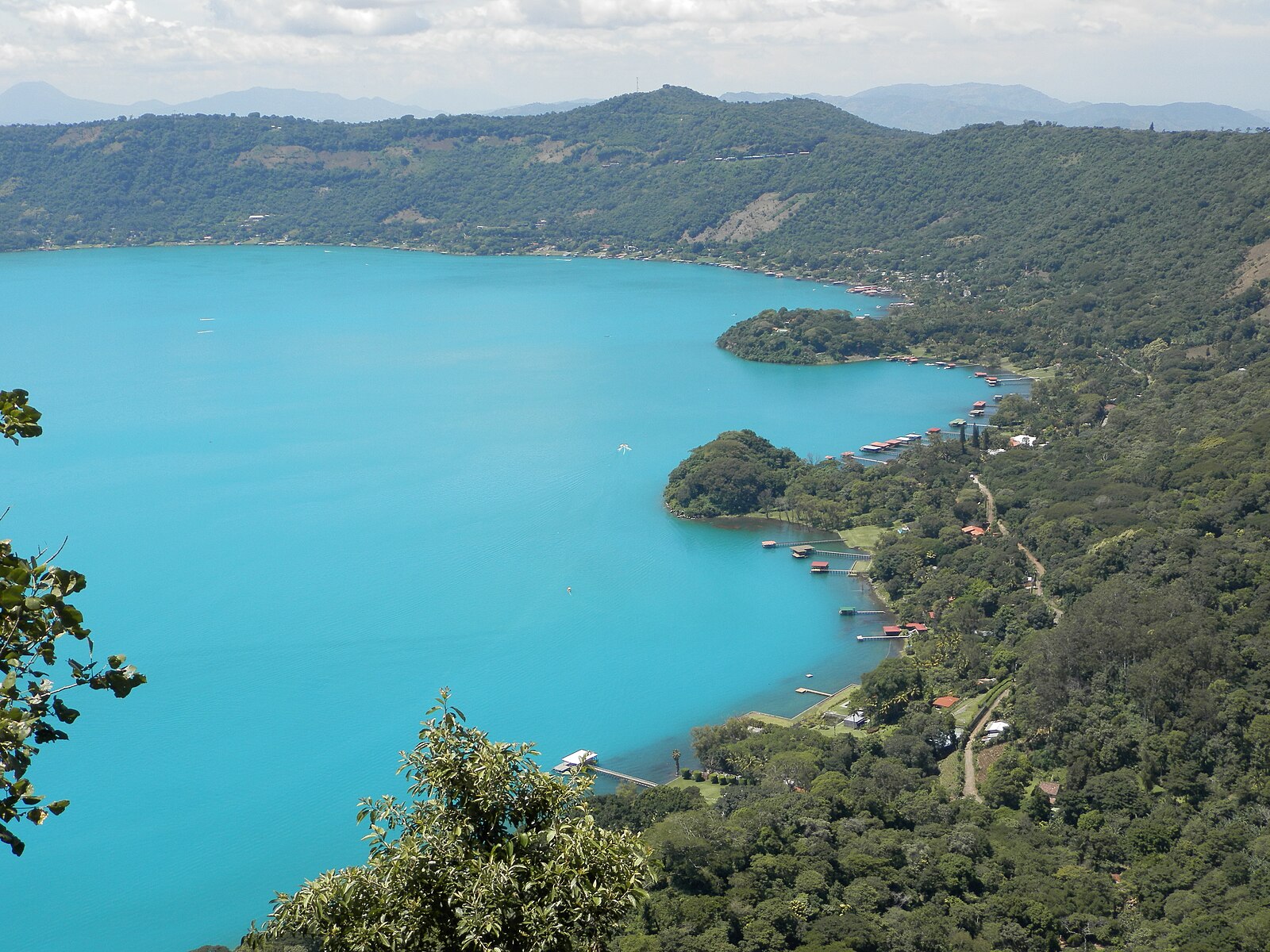
Buying property in El Salvador as a foreigner is allowed on the same terms as for nationals in most cases. The limits that matter sit on rural land and on the narrow public band along the shoreline.
Buying Property in El Salvador as a Foreigner: The Legal Ground Rules
Buying property in El Salvador as a foreigner starts from a principle of equal treatment. Article 5 of the Investment Law, Decree 732 of 1999, gives foreign investors the same rights and duties as Salvadoran ones.
In practice a foreigner can buy a house, an apartment or an office and register it in their own name. No residency permit and no local company are required for that.
The exceptions are narrow but real. Article 7 of the same law repeats two constitutional limits, and both apply to rural land only.
So the first question about any parcel is not the price. It is whether the land is urban or rural, and how close it sits to the sea.
Rural Land: The Reciprocity Rule and the 245-Hectare Cap
Article 109 of the Constitution bars rural real estate for foreigners whose home country denies Salvadorans the same right. Land for industrial establishments is the stated exception.
This is a reciprocity test, not a ban. Whether it applies depends on the buyer’s nationality, so a notary should check it case by case.
The second limit is a size cap. Article 105 of the Constitution sets a maximum of 245 hectares of rural land per person or company.
That cap is not aimed at foreigners. It applies to every owner, Salvadoran or not, and almost never touches an ordinary residential buyer.
Neither rule affects a flat in the capital or a house in a town. They matter when the parcel is farmland, a plantation or a large coastal plot.
The Coast: The Public Band and How Concessions Work
Buying property in El Salvador as a foreigner on the coast raises one extra question. Part of the shoreline is state land that nobody can own.
Decree 906 of 13 February 2018 governs concessions over the maritime-terrestrial public domain. It defines the sea edge as the strip from the high-tide line to a parallel line 10 metres inland.
That 10-metre strip is state property in public use. Private projects reach it through a concession rather than a purchase, for terms of up to 50 years.
Behind that line, ordinary freehold title is possible and common along the surf coast. The practical risk there is different — plots that were never properly titled or subdivided.
The Purchase Sequence, Step by Step
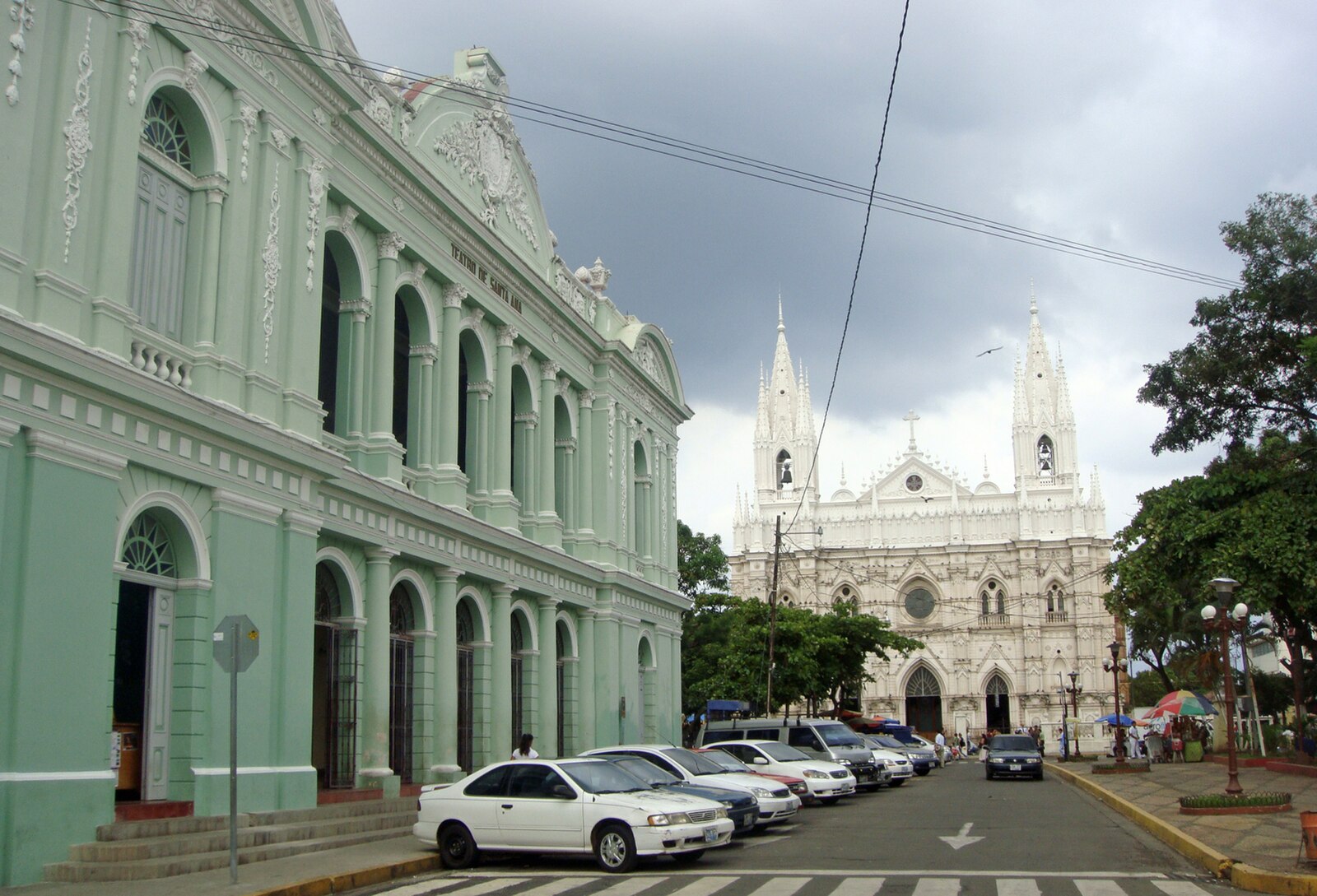
The sequence for buying property in El Salvador as a foreigner is short and notary-led. It begins with a reservation or promise of sale that fixes price, deposit and timetable.
The second step is the registry study at the Centro Nacional de Registros, the national property registry. It shows the chain of ownership, the boundaries on record, and any mortgage or court order.
The third step is the escritura, the public deed signed before a Salvadoran notary. The notary drafts it, checks identity and capacity, and files the taxes.
The last step is registration of that deed at the registry. Until the entry is made, the buyer’s right is weak against third parties.
Tax Numbers and Paperwork for a Foreign Buyer
Salvadorans no longer carry a separate tax number. A reform in force from 2022 merged the tax number into the national identity document number.
Foreign buyers sit outside that merger. The Ministry of Finance states that foreigners and legal entities must still obtain a printed tax number from the ministry.
In practice that means a passport, copies, and a contact address in the country. Local advisers describe the application as quick when the file is complete.
Buying property in El Salvador as a foreigner therefore needs two documents, not a residency card. A passport and a Salvadoran tax number are the working pair.
What It Costs: Transfer Tax, Registry and Notary
El Salvador charges a one-off transfer tax on property sales. The rate is 3 percent on value above 250,000 colones (US$28,571.43 at the fixed rate of 8.75 colones to the dollar).
That threshold is a legacy of the old currency, which the dollar replaced on 1 January 2001. A later reading of the law confirms the 3 percent applies to the excess only.
Registry fees are published and modest. The Centro Nacional de Registros charges US$0.63 for each US$100 of value, or part of it, on a sale.
A summary registry certificate costs US$8.86, and a full registry study is priced by its difficulty. Notary fees are not fixed by tariff, so ask for a written quote.
There is one more saving worth naming. El Salvador levies no recurring national tax on land or buildings, which is unusual in Central America.
Municipal charges still exist, but they are built around business activity rather than property value. Services you buy, such as construction work, carry the 13 percent value added tax.
A Dollarised Market and What It Removes
Dollar pricing is the quiet advantage of buying property in El Salvador as a foreigner. The country has used the United States dollar since 1 January 2001.
The Monetary Integration Law fixed the old colón at 8.75 to the dollar. For a foreign buyer that removes one whole category of risk.
Bitcoin is a separate question, and a smaller one than it was. A reform in force from 1 May 2025 made private acceptance voluntary.
Property is priced, financed and registered in dollars, which removes currency risk but not legal risk. Treat any bitcoin element as an optional payment method, not as the currency of the deal.
Where Foreign Buyers Look, and What Prices Have Done
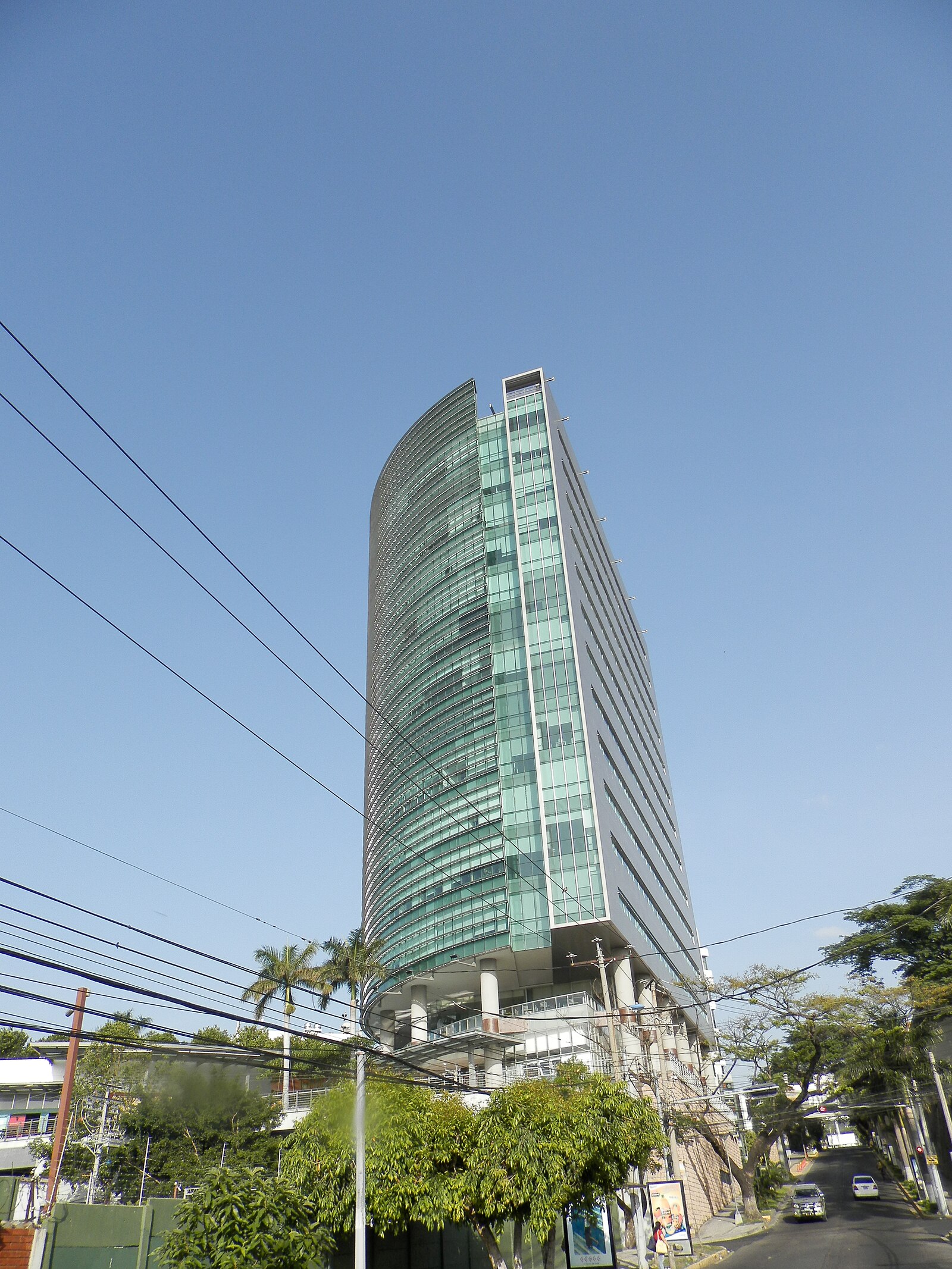
Foreign demand concentrates in a small number of places. The western districts of San Salvador — Escalón, San Benito and Santa Elena — lead the city market.
Antiguo Cuscatlán and Santa Tecla extend that belt westwards with gated houses and newer apartments. Both trade on schools, services and a short drive to the capital.
The surf coast from El Tunco to El Zonte is the strongest foreign-buyer market outside the capital. Lake Coatepeque follows as a weekend market, and the Santa Ana area is the cheaper entry point.
Prices on that coast have moved hard, and the evidence is mostly anecdotal. Global Voices reported in June 2025 that agents put increases in El Zonte and El Tunco at 200–500 percent.
The same report put a mid-range home outside central San Salvador at US$175,000–250,000. Those are agent estimates, not official statistics.
One gap matters here. No national house-price index appears in the central bank’s published statistics, so every coastal appreciation figure comes from a private dataset.
Financing, Rental Income and Capital Gains
Financing is the weakest part of buying property in El Salvador as a foreigner. Salvadoran banks look for local income, a local credit history and a larger deposit.
Most foreign purchases therefore close in cash or with money borrowed abroad. Plan the funding before the offer, not after it.
Rental income is taxable, and the rate depends on where the owner lives. Salvadoran-source income paid to a person not domiciled in the country carries a 20 percent withholding as a final tax.
That rule sits in Article 158 of the Tax Code, with lower rates for some services. A resident owner instead files under the ordinary income tax scale.
On sale, the gain is taxed at 10 percent when the property was held for more than twelve months. Sell inside twelve months and the gain joins ordinary income, where the top rate is 30 percent.
Confirm both rates with a Salvadoran tax adviser before you build a rental projection.
Common Mistakes, and a Checklist Before You Sign
Most of what goes wrong when buying property in El Salvador as a foreigner is a title problem. Informal coastal holdings can look settled for decades and still not be registrable.
The second common failure is an incomplete subdivision. Roads, water, power and easements inside a development may never have been legalised, and the lot cannot then be sold on cleanly.
The third is a boundary that does not match the registry. On hillside and coastal parcels, old descriptions and physical markers often disagree.
The fourth is skipping the registry study to save a few hundred dollars. That study is the only thing that shows liens, disputes and defective entries before payment.
Before signing, confirm four things in writing. The land classification, the registry study result, the tax number in your name, and a quoted total of notary and registry costs.
How El Salvador Compares With Guatemala, Nicaragua and Costa Rica
For urban buyers, El Salvador is the least restrictive of the four. Guatemala reserves property within fifteen kilometres of its borders for citizens by birth, under Article 123 of its constitution.
Costa Rica has the heaviest coastal regime. Its maritime zone law reserves 200 metres from the high-tide line, with the first 50 metres fully public.
Inside the remaining 150 metres, foreigners who have not lived in Costa Rica for five years cannot hold a concession. The Salvadoran public band is 10 metres.
Nicaragua allows foreign ownership, but its title history is the problem. The United States embassy there warns that ownership is often unclear, and that roughly 28,000 properties were seized between 1979 and 1990.
So the spectrum runs from open to heavily conditioned, and El Salvador sits at the open end for city property. That is a real advantage, but it is an advantage about paperwork, not about price.
For a life, buying property in El Salvador as a foreigner mostly changes the cost of carrying a home. Low holding costs and dollar pricing buy predictability, while the coast is where care is still needed.
Connected Coverage
Taxes in El Salvador for Expats 2026 — What You Owe and What Stays Untaxed
El Salvador Residency Visa 2026 — Income, Papers, Timelines
Frequently Asked Questions
Frequently Asked Questions
Can a foreigner buy property in El Salvador without residency?
Yes. The Investment Law gives foreign investors the same rights and duties as Salvadoran ones, and no residency permit is needed to hold urban title. The buyer does need a Salvadoran tax number and a passport. Rural land and the shoreline band follow separate rules.
How much is the property transfer tax in El Salvador?
The transfer tax is 3 percent, charged only on value above 250,000 colones (US$28,571.43 at the fixed rate of 8.75 colones to the dollar). A later reading of the law confirms the rate applies to the excess, not to the whole price. Registry and notary fees sit on top of it.
Is there an annual property tax in El Salvador?
No recurring national tax on land or buildings applies, which is unusual in Central America. Municipal charges are built around business activity rather than property value. Holding costs are therefore low, but income from the property is still taxed.
Can foreigners own beachfront land in El Salvador?
Land behind the public band can be owned outright, and much of the surf coast is held that way. The strip running 10 metres inland from the high-tide line is state property in public use, reached only through a concession of up to 50 years. Any coastal parcel should be checked against the registry before payment.
What tax applies when a foreign owner sells or rents out a Salvadoran property?
A gain on a property held for more than twelve months is taxed at 10 percent. Sold inside twelve months, the gain joins ordinary income, where the top rate is 30 percent. Salvadoran-source income paid to a person not domiciled in the country carries a 20 percent withholding as a final tax.
How does El Salvador compare with Costa Rica for coastal buyers?
Costa Rica reserves 200 metres from the high-tide line, with the first 50 metres fully public and the rest available only by concession. Foreigners who have not lived there five years cannot hold such a concession. El Salvador’s public band is 10 metres, which leaves far more coastal land available as freehold.
Sources: Figures and rules here were checked against El Salvador’s Investment Law and Constitution, the real estate transfer tax law, the published fee list of the Centro Nacional de Registros, the maritime-terrestrial concession law, the income tax law, the Ministry of Finance, PwC’s country summaries and Global Voices reporting on coastal prices.
- infotrade.economia.gob.sv
- taiia.gob.sv
- cnr.gob.sv
- jurisprudencia.gob.sv
- transparencia.mh.gob.sv
- mh.gob.sv
- taxsummaries.pwc.com
- globalvoices.org
This article was produced by The Rio Times’ automated newsroom system. How we use AI · Report an error
Read More from The Rio Times