Cost of Living in El Salvador 2026 — Monthly Budgets and Verified Prices
GUIDES · EL SALVADOR
Key Facts
- —What it is A dollarized Central American country where rents, food and bills are all priced in US dollars.
- —Who it’s for Retirees, remote workers and investors weighing El Salvador against Guatemala, Costa Rica and the wider region.
- —What it costs Official food-basket and wage data anchor the low end; rent and air-conditioning set the rest.
- —Why it matters No exchange risk means a stable budget, but prices track dollar inflation rather than a cheap currency.
- —The catch Coastal towns such as El Tunco and El Zonte price well above comparable inland housing.
The cost of living in El Salvador is priced entirely in US dollars, so there is no exchange risk — the real swing comes from rent, air-conditioning and location.
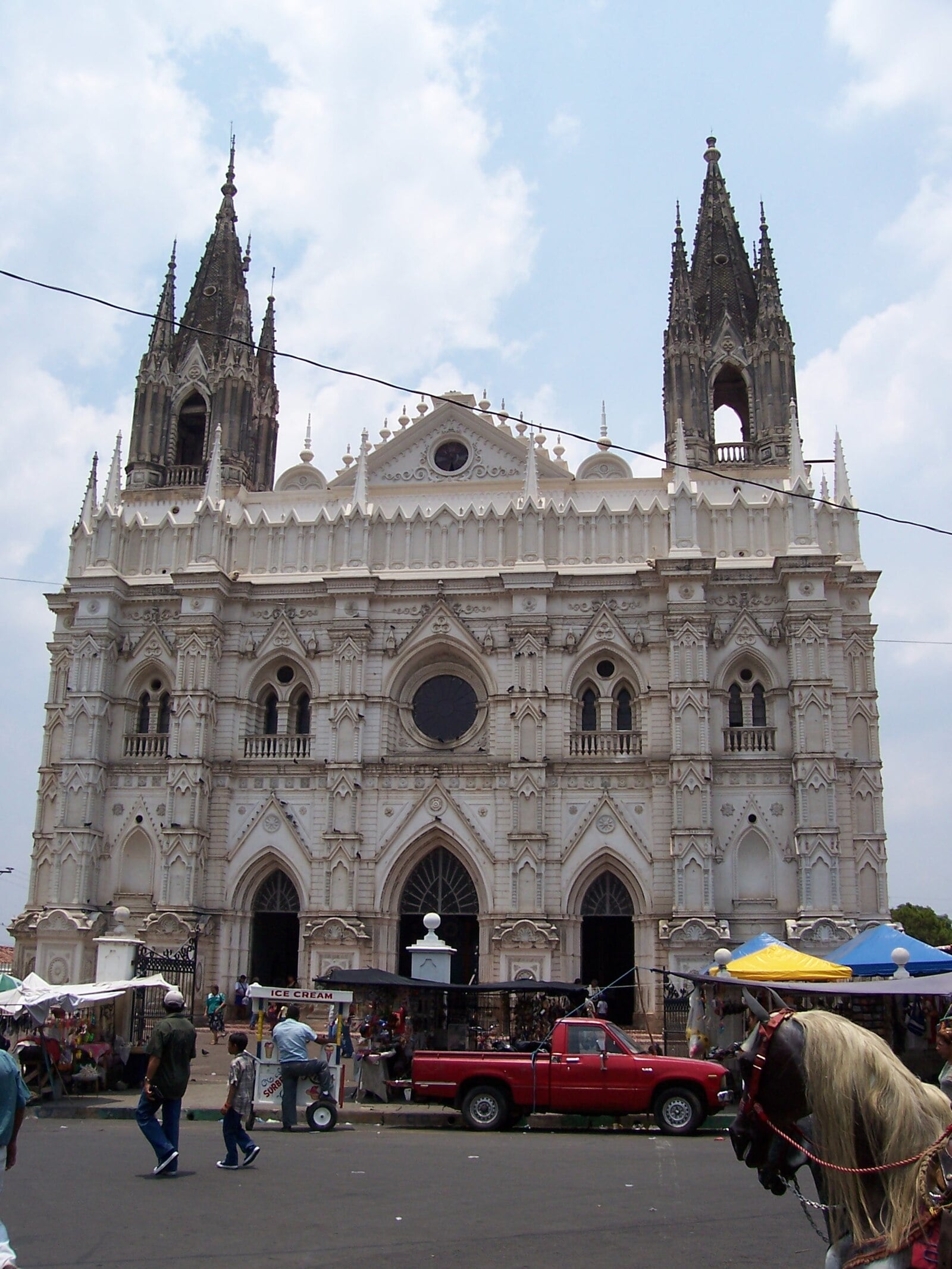
The cost of living in El Salvador in 2026 is easy to read, because the country prices everything in US dollars. What moves your budget is location, not currency — the capital, an inland city or the surf coast.
The Dollar and What Official Data Says About the Cost of Living in El Salvador
El Salvador adopted the US dollar under the Monetary Integration Law, which took effect on 1 January 2001. The law fixed the old colón at 8.75 to the dollar and made the dollar legal tender.
That removes exchange-rate risk from your planning, which is rare in the region. The cost of living in El Salvador therefore moves with US prices, not with a local currency.
Living costs in El Salvador still move, even without currency risk. The Central Reserve Bank put annual inflation at 3.19 percent in August 2026, the highest reading since July 2023.
The bank’s statistics office publishes the consumer price index and the basic food basket. Neither is an expat cost-of-living index, so a budget still has to be built from the ground up.
Since a reform approved on 30 January 2025, businesses no longer have to accept bitcoin. The state no longer takes it for tax payments either.
For daily life, that means the US dollar is the currency of wages, rents and prices. Treat bitcoin as optional, not as a way to pay your landlord.
Rent From San Salvador to Santa Ana and the Surf Coast
Rent is the biggest single line in the cost of living in El Salvador. A cost-of-living sample for San Salvador, last updated on 26 July 2026, put a central one-bedroom flat near US$899.
The same sample put a one-bedroom outside the centre near US$770, and a three-bedroom in the centre near US$1,810. These are contributor-reported asking prices, not official statistics.
Santa Tecla, just west of the capital, and Santa Ana, further inland, generally sit below central capital prices. Furnishing, security and building age explain most of the gap.
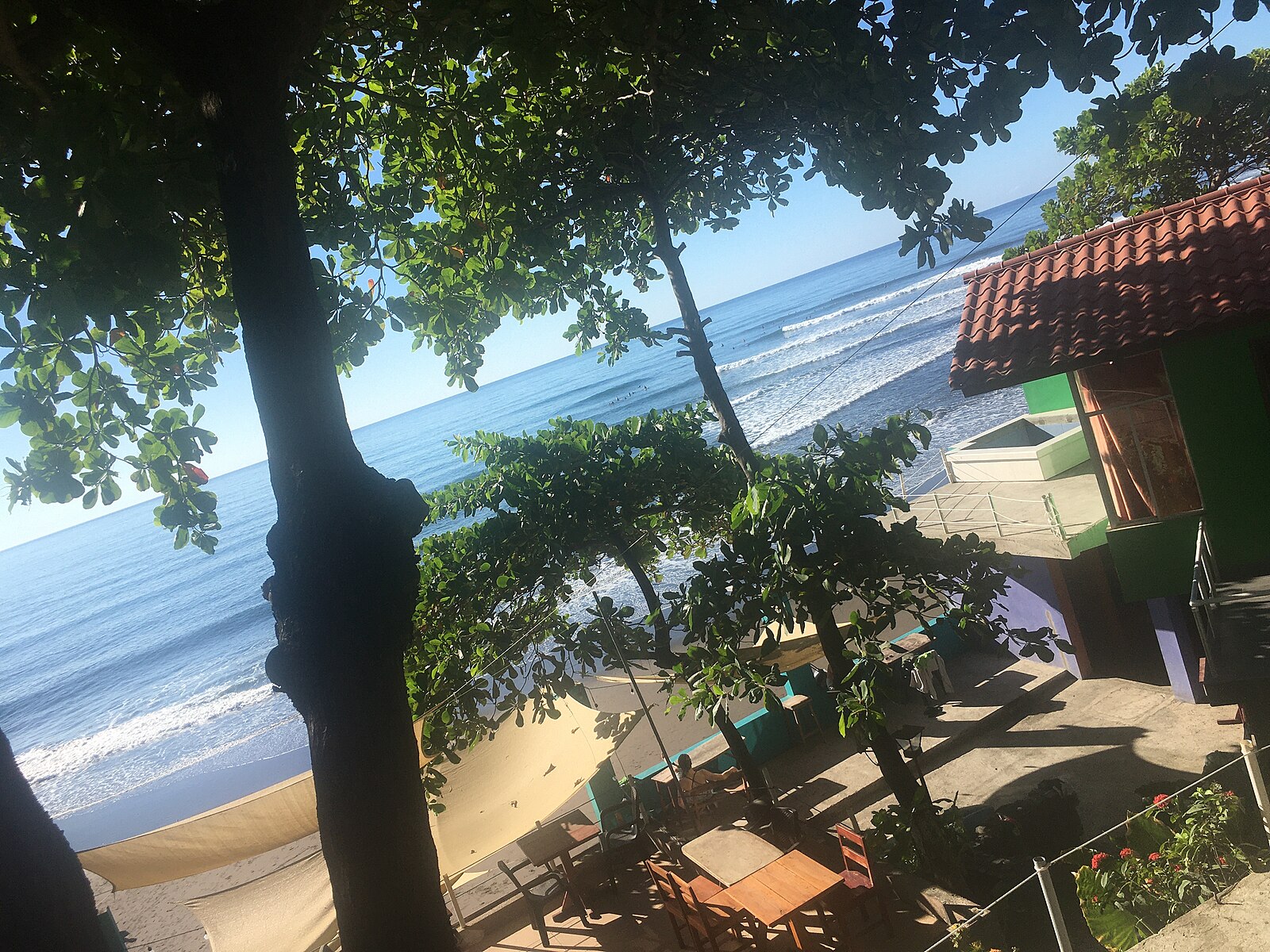
The surf coast works differently. Much of the stock in El Tunco and El Zonte is furnished and aimed at short stays.
Short-stay demand and a thin supply of long-term units push coastal asking prices above comparable inland flats. No official index measures that gap, so treat any multiplier you read as a guess.
Coastal supply also tightens in the busiest dry-season months. Visit first, rent short, and sign a long lease only once you know the street.
Utilities, Air-Conditioning, Internet and Mobile
The same July 2026 sample put basic utilities for a mid-sized San Salvador flat near US$130 a month. That covers electricity, water, cooling and rubbish collection.
Air-conditioning is the variable that decides the bill. An old unit in an uninsulated coastal flat can cost more to run than the rent you saved.
The electricity regulator sets tariffs quarterly and keeps a subsidy for households using under 105 kilowatt-hours a month. Most foreign residents who run cooling will sit well above that line.
Home internet in the same sample averaged about US$41 a month, with most reports between US$35 and US$50. Mobile plans with ten gigabytes or more averaged near US$23.
Ask any landlord for the last three electricity bills before signing. That single question is the most useful budgeting step on this list.
Groceries, Markets and Eating Out
There is one official food figure worth knowing. The urban basic food basket cost US$264.73 a month in August 2026, up 5.6 percent on the year.
The rural basket was US$189.63 and barely moved over the same twelve months. Both cover a minimum calorie basket for a household, not a comfortable expat diet.
For scale, the minimum wage in commerce and services has been US$408.80 a month since 1 June 2025. One urban food basket already absorbs most of that.
Use the basket as a floor, then add what you actually buy. Imported cheese, wine, cereals and snacks are where supermarket bills climb fastest.
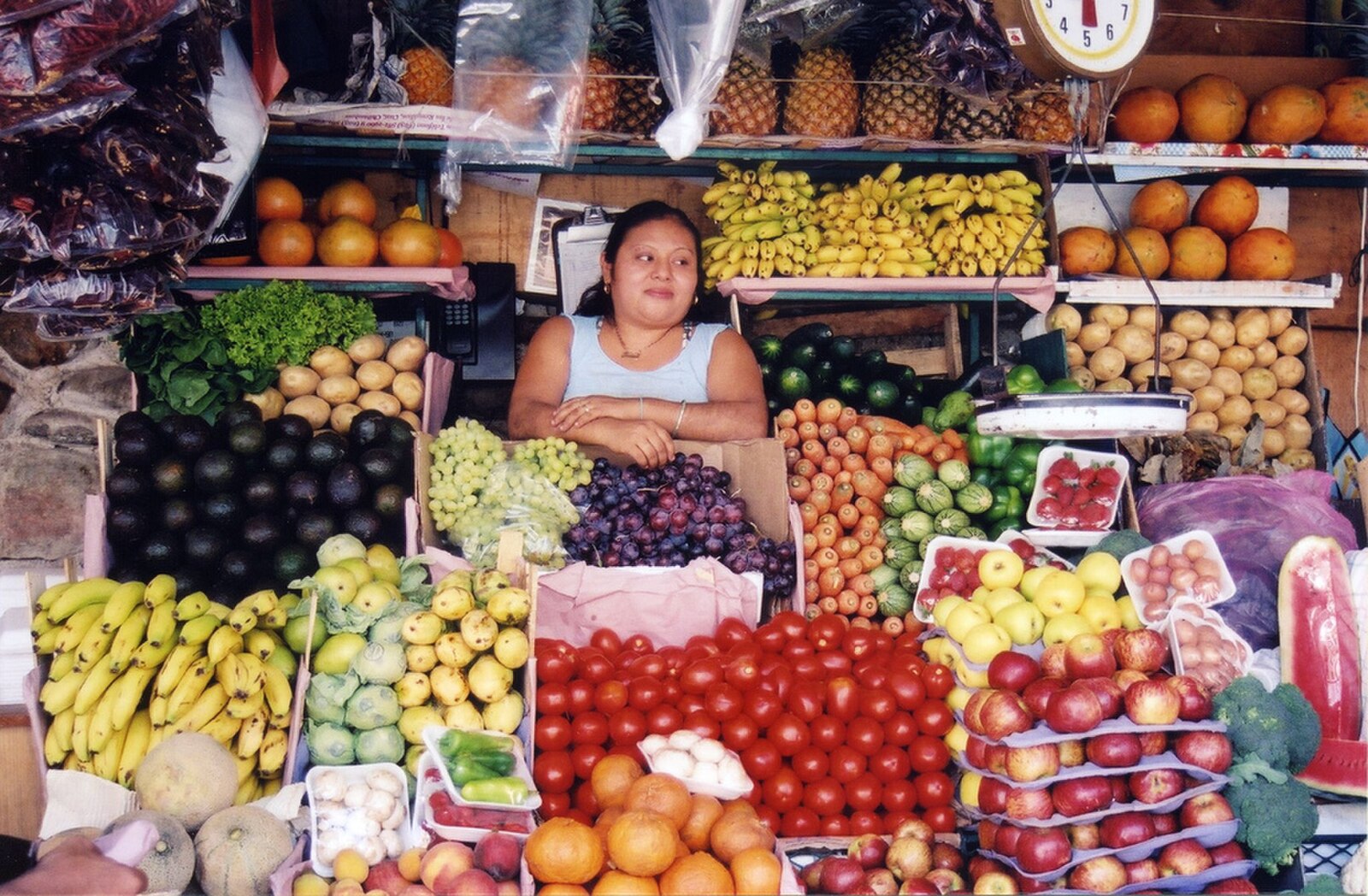
Markets are cheaper for fruit, vegetables and staples. Supermarkets charge more for packaged and imported goods.
An inexpensive restaurant meal was reported near US$7 in the July 2026 sample, and a mid-range dinner for two near US$44. Restaurants and hotels were among the faster-rising categories in the August 2026 index.
Remember that value added tax of 13 percent is already inside Salvadoran shelf prices. What you see is what you pay at the till.
Transport, Fuel and the Car Question
Public transport is genuinely cheap. The transport vice-ministry publishes authorised fares, and most urban bus routes are set at US$0.20, with minibuses between US$0.25 and US$0.31.
Interdepartmental routes cost more and still stay modest. A run between Quezaltepeque and San Salvador is authorised at about US$0.41 by bus.
Fuel is the line that has moved most this year. For 15–28 September 2026 the energy directorate set maximum reference prices near US$4.80 a gallon for regular petrol.
Premium petrol was set near US$5.13 and diesel near US$4.86 for the same period. Transport was the fastest-rising category in the August 2026 inflation data, at 8.23 percent.
So living costs in El Salvador shifted most this year at the pump. A car is a real decision, not a detail.
In the capital, or on a single coastal strip, many foreign residents manage without one. Fuel, insurance, parking and maintenance can erase the savings from cheaper housing further out.
Healthcare, Schools and Household Help
Health cover is the other big line in living costs in El Salvador. Formal employees pay into the Salvadoran Social Security Institute, which runs the public health scheme.
The employee rate is 3 percent of salary and the employer rate 7.5 percent, applied up to US$1,000 a month. Above that ceiling the amounts are fixed at US$30 and US$75.
Most foreign residents without a local contract buy private care instead. Consultations and clinics cost less than in North America, but quality and English-language comfort vary by facility.
Private insurance premiums are quoted individually and depend on age, history and the network chosen. Treat any figure you read in a forum as a starting point for your own quotes.
School fees are set by each institution and are not gathered in one public table. Ask each school for tuition, enrolment, materials and transport charges for the coming year.
Household help is common in middle-income and expat homes. Pay is arranged privately, with no published tariff, so agree hours, duties and pay in writing.
Building a Monthly Budget and How El Salvador Compares
Build the budget in the order the money leaves. Rent first, then electricity, then food, then transport, then insurance and schooling.
Price three real rentals in your target area for your actual arrival month. Listings move quickly, and coastal supply is the tightest.
Then add the fixed lines and a contingency of at least ten percent. Fuel and medical bills are the usual surprises.
The comparison with neighbours is useful, with one caveat. An aggregator comparison in September 2026 put Guatemala about 7 percent dearer than El Salvador before rent.
The same comparison put El Salvador roughly 38 percent cheaper than Costa Rica before rent, and about 27 percent cheaper on rent. Those are crowd-sourced indices, not official cross-country statistics.
For a life, this is what the cost of living in El Salvador really means. Your budget is stable in dollars, and your main lever is where you choose to live.
The direction of travel in 2026 is gently upward, led by fuel, food and eating out. Nothing here is moving fast, which is the quiet advantage of a dollarized economy.
Connected Coverage
El Salvador Sets a US$1,226 Monthly Pension Bar for Retiree Residence
Healthcare in El Salvador for Expats 2026 — Cover and Costs
Is El Salvador Safe for Expats in 2026: What the Level 1 Rating Leaves Out
What Is Not Known
No official index measures the cost of living in El Salvador for foreign residents. The Central Reserve Bank publishes a consumer price index and a food basket, and neither is designed for expat budgets.
Rent figures for San Salvador and the coast come from contributor-reported listings, not from a public register. No authority publishes average paid rents by neighbourhood or by coastal town.
Private school fees and household-help pay have no central published tariff. Both are negotiated case by case, so any quoted figure cannot be verified in advance.
Residency income thresholds for pensioners and people of independent means were not confirmed for this guide. Check the current requirement directly with the Dirección General de Migración y Extranjería.
Health insurance premiums depend on age, medical history and the network chosen, and no standard published rate exists. The contribution rates above apply only to formal local employment.
Sources: Figures come from the Central Reserve Bank and its statistics office, the electricity regulator and the transport vice-ministry, the energy directorate’s fuel-price notice, the immigration directorate, published tax and wage summaries, and a dated cost-of-living sample for San Salvador.
- bcr.gob.sv
- onec.bcr.gob.sv
- siget.gob.sv
- migracion.gob.sv
- diarioelsalvador.com
- elsalvador.com
- infobae.com
- numbeo.com
Frequently Asked Questions
How much does a one-bedroom flat cost in San Salvador?
A cost-of-living sample last updated on 26 July 2026 put a central one-bedroom near US$899 a month. Outside the centre the same sample reported about US$770. These are contributor-reported asking prices, not official statistics.
Is El Salvador cheaper than Costa Rica?
An aggregator comparison in September 2026 put El Salvador roughly 38 percent cheaper than Costa Rica before rent. Rents were about 27 percent lower. The same comparison put Guatemala about 7 percent dearer than El Salvador before rent.
Does El Salvador have its own currency?
El Salvador adopted the US dollar under the Monetary Integration Law, which took effect on 1 January 2001. The law fixed the old colón at 8.75 to the dollar. Wages, rents and prices are quoted in US dollars, so there is no exchange risk.
Do I need a car to live in El Salvador?
Not always. Most urban bus routes are authorised at US$0.20, with minibuses between US$0.25 and US$0.31. A car earns its keep if you live off the main routes or travel inland often.
Can I still pay in bitcoin in El Salvador?
Since a reform approved on 30 January 2025, businesses no longer have to accept bitcoin. The state no longer takes it for tax payments either. The US dollar is the currency of wages, rents and prices.
How much is the basic food basket in El Salvador?
The urban basic food basket cost US$264.73 a month in August 2026, up 5.6 percent on the year. The rural basket was US$189.63. Both cover a minimum calorie basket for a household, not a comfortable expat diet.
This article was produced by The Rio Times’ automated newsroom system. How we use AI · Report an error
Read More from The Rio Times