Open Bank Account El Salvador Foreigner 2026 — Documents, Costs, Bitcoin Rules
GUIDES · EL SALVADOR
Key Facts
- —What it is A US dollar bank account in a country that has used the dollar since 2001.
- —Who it’s for Foreign residents, retirees, remote workers and investors who need local banking for daily life.
- —What it costs Published opening amounts at one large bank run from nothing to US$30.
- —Why it matters Dollarisation removes currency risk inside the country, so only paperwork stands between you and an account.
- —The catch Banks want proof of local ties, and bitcoin is no longer part of ordinary banking.
Open bank account El Salvador foreigner rules in 2026 ask for a tax number, an address and proof of where your money comes from.
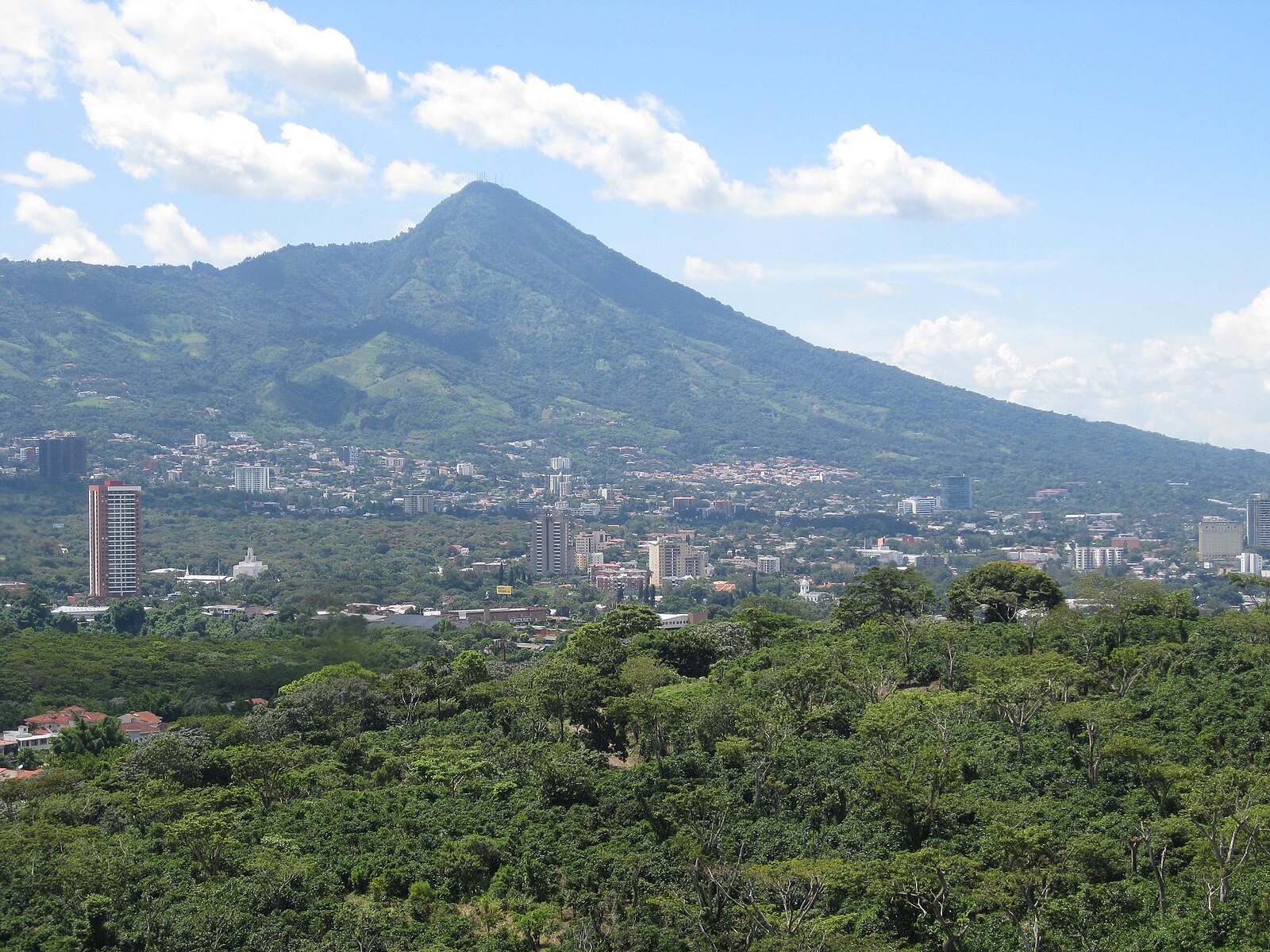
The open bank account El Salvador foreigner question in 2026 is settled by paperwork, not by currency. El Salvador has used the US dollar since January 2001, so there is no exchange-rate decision left to make.
Why the Dollar Removes the Hardest Decision
El Salvador has used the US dollar as legal tender since 1 January 2001. The Monetary Integration Law fixed the old colón at 8.75 to the dollar and gave the dollar unrestricted legal force.
That single fact settles the question most foreigners find hardest elsewhere. Your salary, your rent and your bank balance sit in the same currency.
In Guatemala and Costa Rica, a foreigner still chooses between local-currency and dollar accounts. In El Salvador that choice does not exist.
What remains for a foreigner is onboarding, the work of getting a bank to open an account in El Salvador. Banks want to know who you are, where you live and where your money came from.
The direction of travel has been towards easier access. The tax number is now free and online, and instant transfers between banks cost nothing.
The compliance side has moved the other way. Proof of identity, address and source of funds is asked for more consistently now.
Open Bank Account El Salvador Foreigner Rules in 2026
There is no single national checklist to open bank account El Salvador foreigner applicants can rely on. Each supervised bank sets its own requirements and publishes them on its product pages.
One of the country’s largest banks lists plainly what it wants from a foreign applicant. A valid passport or residency card, a Salvadoran tax number, a utility bill and proof of local ties.
Read that list closely, because a passport alone is accepted in place of a residency card. Residency is not formally required there, but evidence that you actually live in the country is.
Some banks decline a foreigner who wants to open a bank account in El Salvador without residency. The same applicant can be accepted at one institution and refused at another.
The practical step is to ask two or three banks for their written checklist before you travel. A written list also protects you if a branch later asks for something extra.
The Superintendencia del Sistema Financiero supervises the banks but does not set one opening checklist for them. Its public directory lists ten private banks, alongside state-owned banks, cooperative banks and savings and credit societies.
Live Market IntelligenceCrypto — Live Market Board
Rio Times · Live Market Intelligence
Crypto — Live Market Board
-0.26%
| Instrument | Last | Change | YoY | Prev. | High | Low | Volume |
|---|---|---|---|---|---|---|---|
| BTC | 63,384 | -0.26% | -47.24% | 63,552 | 64,346 | 63,305 | 22,774,743,040 |
| ETH | 1,886 | +0.26% | -58.90% | 1,881 | 1,920 | 1,879 | 7,916,475,392 |
| SOL | 75.89 | -0.40% | -60.44% | 76.20 | 76.99 | 75.39 | 1,473,821,056 |
| XRP | 1.01 | -1.15% | -69.07% | 1.02 | 1.02 | 1.01 | 1,144,044,416 |
| BNB | 609.60 | -1.12% | -26.81% | 616.50 | 619.30 | 609.23 | 1,266,706,432 |
| ADA | 0.18 | -1.98% | -78.22% | 0.19 | 0.19 | 0.18 | 238,085,632 |
| DOGE | 0.07 | -1.56% | -70.00% | 0.07 | 0.07 | 0.07 | 553,256,192 |
| AVAX | 6.38 | +1.04% | -74.11% | 6.32 | 6.42 | 6.21 | 248,470,560 |
| LINK | 8.77 | -0.06% | -62.73% | 8.77 | 8.87 | 8.68 | 317,054,880 |
| DOT | 0.78 | -0.75% | -81.11% | 0.79 | 0.80 | 0.78 | 43,490,492 |
| LTC | 45.08 | -0.85% | -65.45% | 45.47 | 45.59 | 44.98 | 143,727,712 |
| BCH | 213.85 | +0.10% | -65.44% | 213.64 | 215.69 | 212.54 | 137,956,688 |
| TRX | 0.34 | +0.28% | -4.73% | 0.33 | 0.34 | 0.33 | 436,576,064 |
| XLM | 0.16 | -1.33% | -64.46% | 0.16 | 0.16 | 0.16 | 89,559,864 |
| HBAR | 0.07 | -0.53% | -74.67% | 0.07 | 0.07 | 0.07 | 22,546,186 |
| NEAR | 1.65 | +2.42% | -40.55% | 1.62 | 1.68 | 1.61 | 187,591,264 |
| ATOM | 1.40 | -2.36% | -70.15% | 1.44 | 1.44 | 1.40 | 18,626,964 |
| AAVE | 89.06 | +0.93% | -72.33% | 88.24 | 90.20 | 88.19 | 129,099,704 |
The NIT, the DUI and Your Residency Status
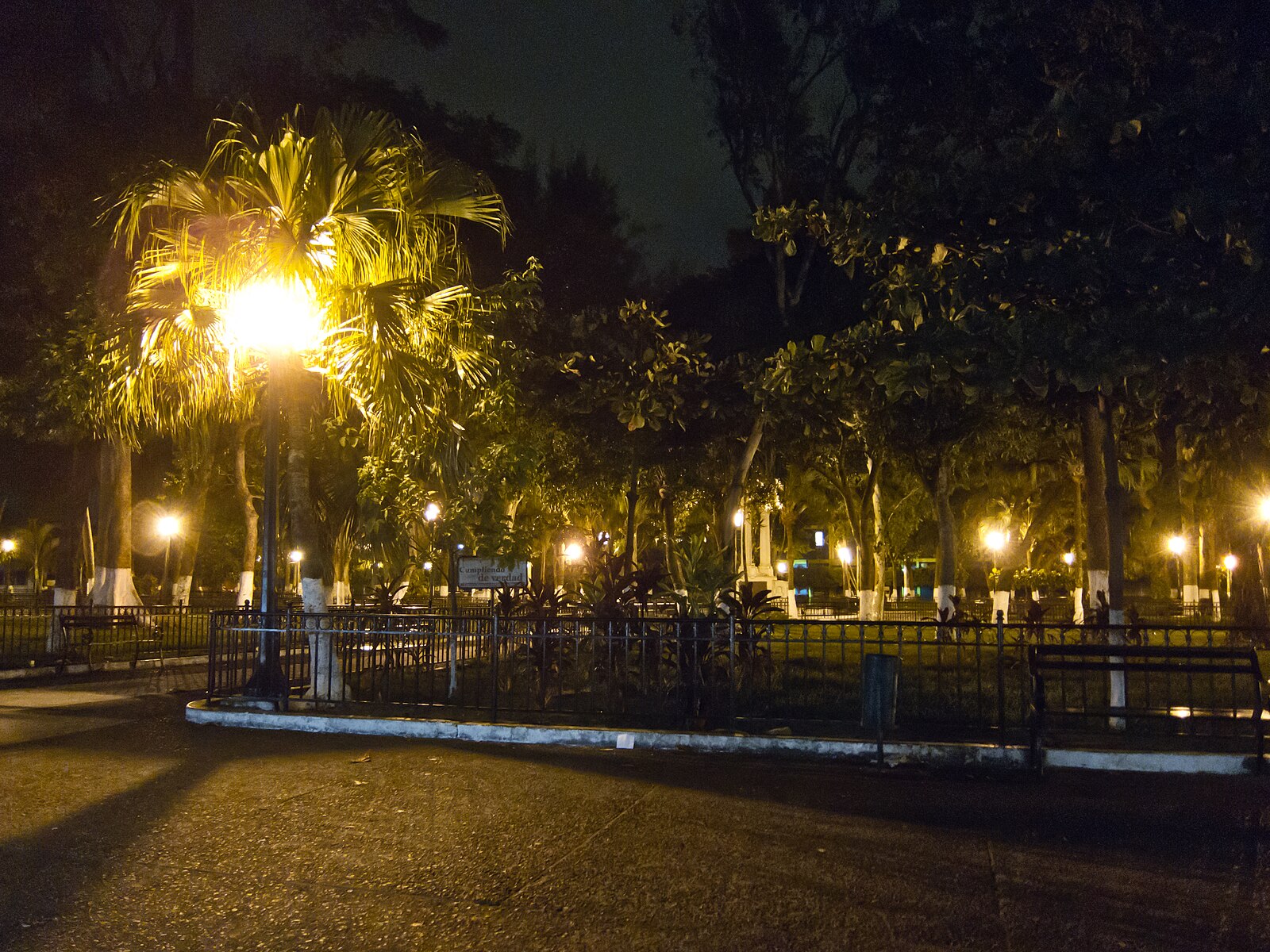
The NIT is the Salvadoran tax identification number, and banks ask foreigners for it by name. The Ministry of Finance lists the procedure as free of charge.
It can now be requested online, and identification is a valid passport or residency card. That matters, because a tax number is no longer something you must wait for residency to obtain.
The DUI is the identity document issued to Salvadorans. A foreigner normally uses a passport and, where held, a residency card instead.
Residency still helps a foreigner who wants to open a bank account in El Salvador, mostly by proving address and local ties. It is an advantage rather than a legal condition at every bank.
Immigration rules moved in the resident’s favour this year. Legislative Decree 531 took effect on 31 March 2026 and reset the presence rule for temporary residents.
Temporary residents must now spend at least ninety calendar days a year in the country, consecutively or in total. That replaced a stricter standard and makes part-year living easier to combine with a local account.
What an Account Costs to Open and Run
There is no national fee schedule for bank accounts, and no official nationwide minimum. Each bank publishes its own tariff, product by product.
Published figures at one large bank give a useful sense of the range. Its digital savings account has no minimum opening amount, and its electronic savings account asks US$5.
A basic current account at the same bank opens with US$30. Current accounts there also set a minimum monthly income, which savings accounts do not.
Those are one bank’s numbers, not a national rule. Treat any figure you read elsewhere as product-specific until the bank confirms it in writing.
Monthly maintenance charges, card fees and cash-withdrawal charges vary by product and by bank. Ask for the current tariff sheet before you sign anything.
Transfer365, Online Banking and Moving Money Across Borders
Domestic banking in El Salvador is unusually cheap once an account is open. The central bank runs Transfer365, an instant interbank transfer service that carries no fee.
It works around the clock, every day of the year, through the digital channels of participating institutions. Twenty-eight financial institutions in the country take part.
A regional version reaches Central America and the Dominican Republic across 71 institutions. It costs US$1.00 plus value-added tax for each transfer.
Cross-border money is where accounts really differ. International wires bring documentation requests, correspondent-bank charges and questions about where funds came from.
If you expect regular inbound or outbound transfers, choose a bank that states its international wire capability clearly. Ask what it charges and what paperwork each transfer needs.
Once the money is inside the country it stays in dollars. That is the quiet benefit of dollarisation for anyone paid from abroad.
Bitcoin After the 2025 Change, and What Happened to Chivo
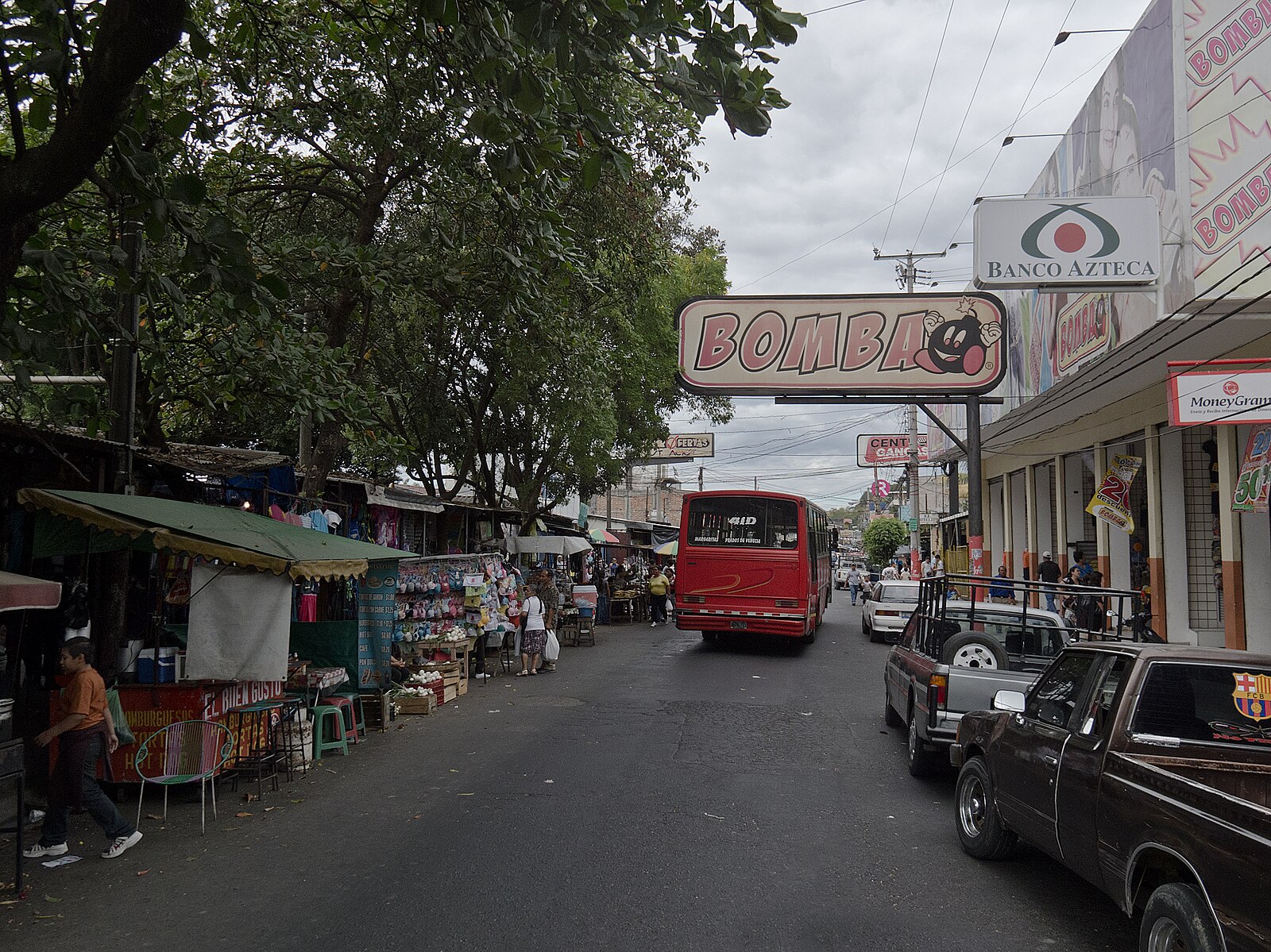
The Legislative Assembly approved Decree 199 on 29 January 2025, and the Diario Oficial published it the next day. It rewrote the Bitcoin Law that had made the country famous in 2021.
The amended first article still describes bitcoin as legal tender. The same article makes acceptance voluntary, and limits it to private individuals and wholly private companies.
Article 7 says only those private parties may accept bitcoin as payment. The state is not among them, so money owed to the government is settled in dollars.
Three articles were repealed outright, including the state’s duty to provide instant conversion into dollars. Another article confirms that the state’s own debts are paid in the currency in which they were contracted.
The Chivo wallet followed the law. The IMF reported in September 2026 that majority ownership and operational control had passed to a private operator.
For a foreigner who wants to open a bank account in El Salvador, the reading is simple. A Salvadoran bank account is a US dollar product, and bitcoin is a separate choice.
Deposit Cover, the Regulator and the US Tax Question
Deposits are covered by the Instituto de Garantía de Depósitos. The limit is US$12,054.00 for each person at each member institution, from 1 January 2026 to 31 December 2027.
Cover applies per depositor and per institution, whatever number of accounts you hold. Member institutions include banks, cooperative banks and savings and credit societies.
The limit is reviewed every two years, so a figure quoted from an older guide will be out of date. Spreading larger balances across institutions is the only way to widen the cover.
US citizens and green-card holders should expect tax questions at account opening. El Salvador does not appear on the US Treasury list of jurisdictions with a FATCA agreement in effect.
Salvadoran institutions instead register directly with the US Internal Revenue Service and ask clients to sign US tax forms. A US passport is not a barrier, but it does add paperwork.
None of this removes your obligations at home. Reporting a foreign account is a question for your own tax authority, not for the Salvadoran bank.
How El Salvador Compares, and Where People Go Wrong
On currency, El Salvador is the simplest of the three. Guatemala and Costa Rica keep their own currency alongside dollar accounts, which adds a decision and a conversion cost.
On paperwork, the three are closer than the currency difference suggests. Proof of address, tax identity and source of funds are asked for across the region.
The most common mistake a foreigner makes is to assume a passport alone can open a bank account in El Salvador. Banks want a tax number and evidence that you live somewhere in the country.
The second is to quote fee figures from an expat forum as though they were national rules. They describe one bank’s product at one moment.
The third is to treat bitcoin as part of the banking system. Since the 2025 change it is an optional payment method, nothing more.
For most foreigners the sensible order is residency or a firm address, then the tax number, then the bank. Take that order and the open bank account El Salvador foreigner process is mostly waiting, not obstacles.
Connected Coverage
Taxes in El Salvador for Expats 2026 — What You Owe and What Stays Untaxed
El Salvador Residency Visa 2026 — Income, Papers, Timelines
El Salvador Ties Residence Permits to Its Minimum Wage and the US Dollar
What Is Not Known
No authority publishes a single, comparable table of opening minimums and monthly fees across Salvadoran banks. That makes the real cost of the open bank account El Salvador foreigner route impossible to state as one number.
Whether any given bank will open an account for a non-resident is not published anywhere. Each institution decides case by case, and it does not have to explain a refusal.
How long approval takes is not officially tracked. Reported waits range from same-day to several weeks, and no authority publishes an average.
The amended Bitcoin Law still uses the term legal tender in its first article while making acceptance voluntary. How courts would read that combination has not been tested publicly.
The IMF has not named the private operator that took control of the Chivo wallet. Nor is it public what that change means for anyone still holding a balance there.
Sources: Figures and rules here come from the consolidated Bitcoin Law published by El Salvador’s Financial Investigation Unit, the Instituto de Garantía de Depósitos, the Banco Central de Reserva, the Superintendencia del Sistema Financiero, the Ministry of Finance, Bancoagrícola’s published account pages, the US Treasury and reporting on the 2026 migration reform.
- uif.gob.sv
- igd.gob.sv
- bcr.gob.sv
- bcr.gob.sv
- ssf.gob.sv
- mh.gob.sv
- bancoagricola.com
- home.treasury.gov
Frequently Asked Questions
Can a foreigner open a bank account in El Salvador without residency?
Yes at some banks, because one large bank accepts a valid passport in place of a residency card. It still wants a Salvadoran tax number, a utility bill and proof of local ties. Other banks decline non-residents, so ask for the written checklist first.
Do I need a NIT to open a bank account in El Salvador?
Banks ask foreigners for the NIT, the Salvadoran tax identification number, by name. The Ministry of Finance lists the procedure as free and available online. Identification is a valid passport or residency card, so you do not have to wait for residency.
Is bitcoin still required for banking in El Salvador?
No. Decree 199 of 29 January 2025 made acceptance voluntary and limited it to private individuals and wholly private companies. A Salvadoran bank account is a US dollar product, and bitcoin is a separate choice.
How much money do I need to open an account in El Salvador?
There is no national minimum, because each bank sets its own. At one large bank, digital savings opens with nothing and electronic savings with US$5. A basic current account there opens with US$30. Ask your chosen bank for its current tariff in writing.
Are my deposits protected in El Salvador?
Yes, by the Instituto de Garantía de Depósitos. The limit is US$12,054.00 for each person at each member institution, from 1 January 2026 to 31 December 2027. Member institutions include banks, cooperative banks and savings and credit societies.
Is El Salvador easier than Costa Rica for a foreign bank account?
On currency, yes, because El Salvador uses the US dollar while Costa Rica keeps its own currency alongside dollar accounts. On paperwork the two are closer, since proof of address, tax identity and source of funds are asked for across the region. Residency status still helps in both.
This article was produced by The Rio Times’ automated newsroom system. How we use AI · Report an error
Read More from The Rio Times