Haiti History Explained, From Independence to the 2027 Vote
HAITI · HISTORY
Key Facts
- Independence Haiti won freedom from France on 1 January 1804 and became the first free Black republic.
- The debt In 1825 France demanded 150 million francs from Haiti as the price of recognising its independence.
- US role US Marines occupied Haiti from 1915 to 1934, and Washington now tells Americans not to travel there.
- No elected president Haiti has had no elected president since Jovenel Moïse was assassinated on 7 July 2021.
- Next vote The electoral council set the first round for 18 July 2027, after dropping 13 December 2026.
Haiti history runs from an island of Indigenous villages to the first free Black republic, and it explains the crisis of today. This guide walks a newcomer through five centuries in plain steps.
It ends with the vote now set for 18 July 2027 and what that vote could change. For who holds power today, read our guide to who holds real power in Haiti.

Haiti History at a Glance
Haiti covers the western third of the island of Hispaniola, which it shares with the Dominican Republic. Its story has three big turns: slavery under French rule, a revolution from 1791 to 1804, and two centuries of struggle over who governs.
Many of today’s problems have roots in that past, from a crushing debt to foreign troops and weak institutions. The sections below follow events in order, so no background is needed.
The Taíno and the Spanish Arrival
The first people of the island were the Taíno, who called it Ayiti, a name meaning high land. Christopher Columbus landed on the north coast in December 1492, and Spain claimed the island as Hispaniola.
Spanish settlers forced the Taíno to mine gold and work farms, and disease and violence wiped out most of them within decades. Spain then lost interest in the west, and French settlers and buccaneers moved in.
In 1697 the Treaty of Ryswick, a peace deal between European powers, gave France the western third of the island. France named its colony Saint-Domingue, while Spain kept the east, today’s Dominican Republic.
Saint-Domingue, France’s Richest Colony
By the 1780s Saint-Domingue was among the most valuable colonies in the world, and its sugar and coffee fields supplied much of Europe. Roughly 500,000 enslaved Africans worked there in brutal conditions.
Colonial society was split into rigid groups: white planters and officials, free people of colour, and the enslaved majority. Free people of colour often owned land yet were denied equal rights.
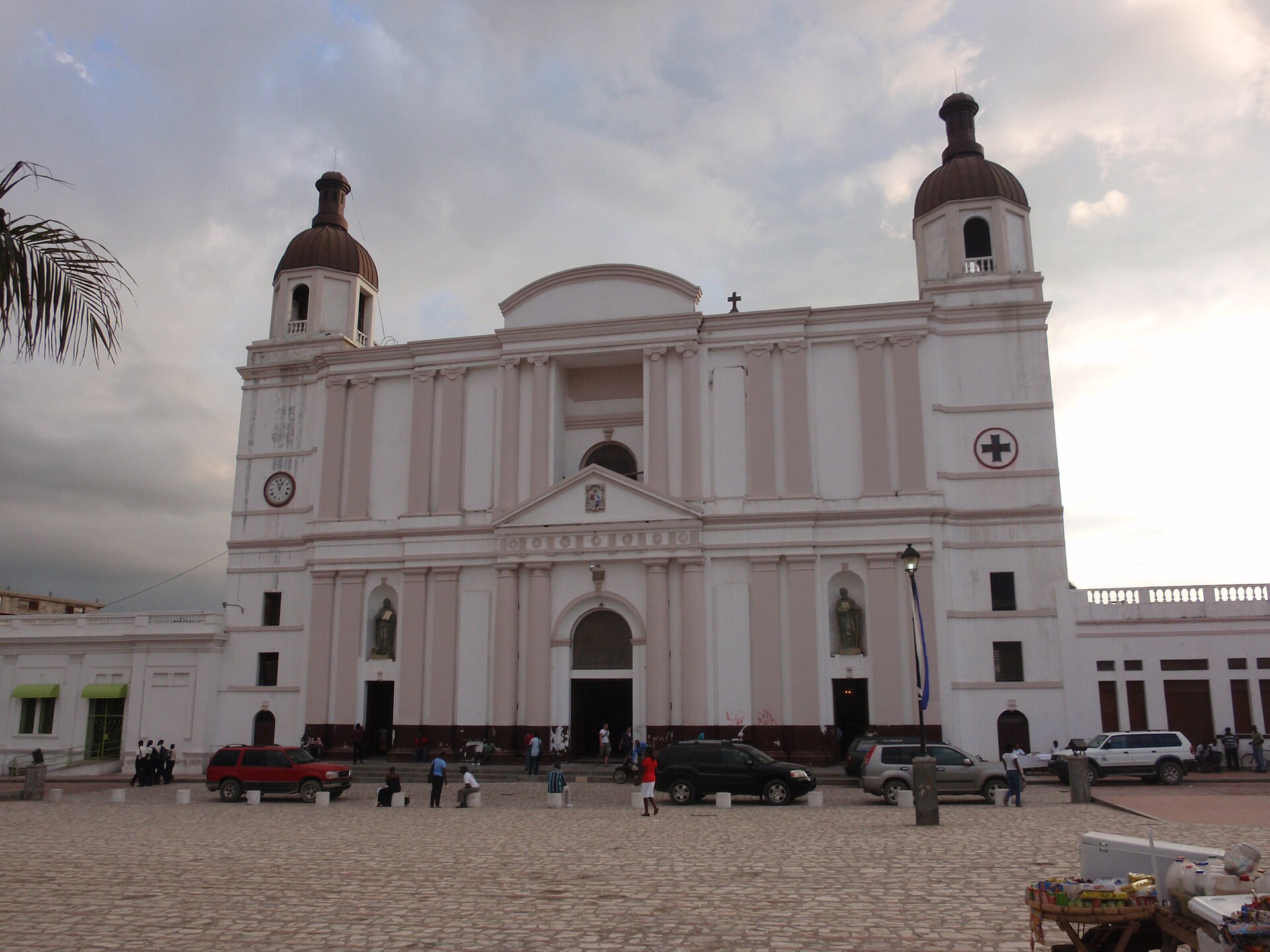
Cap-Français, today’s Cap-Haïtien, was the busiest port in the north. The French Revolution of 1789 raised hopes of equality that the planters refused to share with the enslaved.
The Revolution That Ended Slavery
In August 1791 enslaved people in the north rose up, and a ceremony at Bois Caïman is remembered as the spark. The revolt spread across the plains and turned into a long war.
France abolished slavery in its colonies in February 1794, after commissioners on the island had already freed people there. Toussaint Louverture, a formerly enslaved general, then rose to command the colony.
In 1802 Napoleon Bonaparte sent a large army to restore the old order, and Louverture was seized and shipped to France. He died in a French prison fortress in April 1803.
His generals, led by Jean-Jacques Dessalines, kept fighting and defeated the French at the Battle of Vertières on 18 November 1803. Yellow fever had already thinned the French ranks.
Independence and the Price of Freedom
Dessalines declared independence at Gonaïves on 1 January 1804 and restored the Taíno name Haiti. It became the first free Black republic and the second independent nation in the Americas after the United States.
Dessalines was killed in October 1806, and the country split between a northern kingdom under Henri Christophe and a southern republic under Alexandre Pétion. Christophe built the mountaintop Citadelle Laferrière near Milot to guard against a French return.
Haiti was reunited in 1820 and took over the east of the island in 1822. It lost that territory in 1844, when the Dominican Republic broke away.
In 1825 King Charles X of France recognised Haiti only if it paid 150 million francs to former planters, with warships off the coast. A deal in 1838 cut the sum to 90 million francs, and Haiti kept paying the debt and related loans until 1947.
The payments drained the treasury for generations and pushed Haiti into foreign borrowing. Most major powers withheld recognition for decades, and the United States only gave it in 1862.
The United States Occupation, 1915 to 1934
After President Jean Vilbrun Guillaume Sam was killed in July 1915, US Marines landed in Haiti. The occupation lasted until 1934 and gave Washington control over Haitian finances.
The US built a new police force, the Gendarmerie, under Marine command, and a peasant rebellion in 1919 and 1920 was put down. President Franklin Roosevelt ended the occupation under his Good Neighbor Policy, though economic ties remained.
The Duvalier Dictatorship
François Duvalier, a doctor known as Papa Doc, won the 1957 election and ruled until he died in 1971. He built a private militia, the Tonton Macoutes, and crushed his opponents.
His son Jean-Claude, called Baby Doc, took over at 19 and fled in February 1986 after months of protests. Thousands of people were killed or forced into exile under the two Duvaliers.
A new constitution followed in 1987 and remains the base of Haiti’s legal order. Coups and short-lived governments filled the years that came after.
Aristide, Coups and UN Missions
Jean-Bertrand Aristide, a former priest, won the country’s first free election in December 1990, and the army overthrew him in September 1991. A US-backed return in 1994 restored him, and he won again in 2000.
Aristide left Haiti on 29 February 2004 amid a rebellion, and he says he was forced out. A UN stabilisation mission then stayed in the country from 2004 to 2017.
René Préval served two terms as president, and Michel Martelly, a singer turned politician, took office in 2011. The last national vote ran from 2016 into 2017 and brought Jovenel Moïse to power.
Earthquake, Cholera and a Murdered President
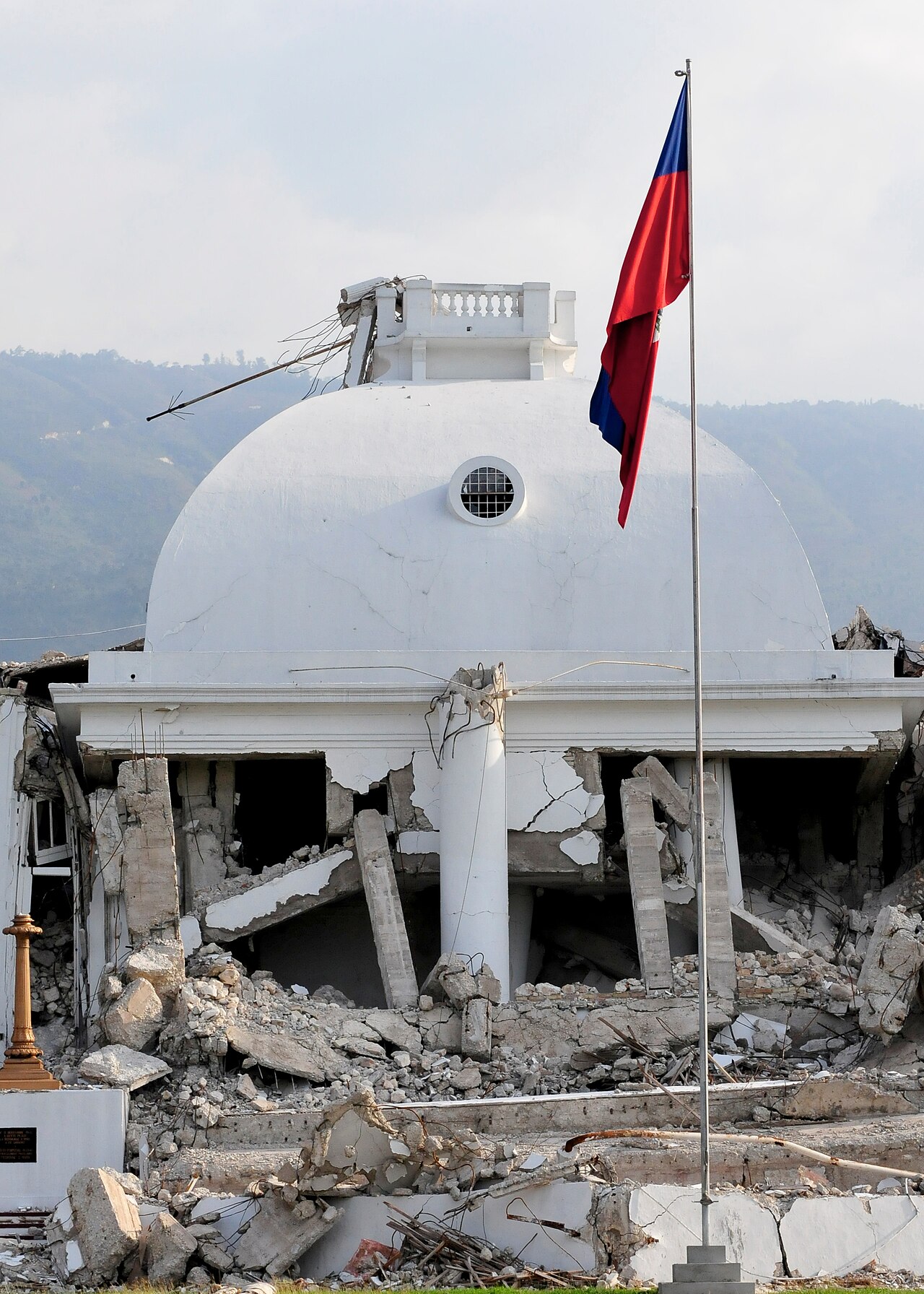
A magnitude 7.0 earthquake struck near Port-au-Prince on 12 January 2010 and destroyed much of the capital, including the National Palace. By common estimates it killed more than 200,000 people.
Cholera arrived in October 2010 and killed nearly 10,000 people, and later studies traced the outbreak to a UN camp. The UN apologised in 2016.
President Jovenel Moïse was assassinated at his home on 7 July 2021, and no president has been elected since. Prime Minister Ariel Henry took over and promised elections that never took place.
Gangs, a Prime Minister and a Foreign Force
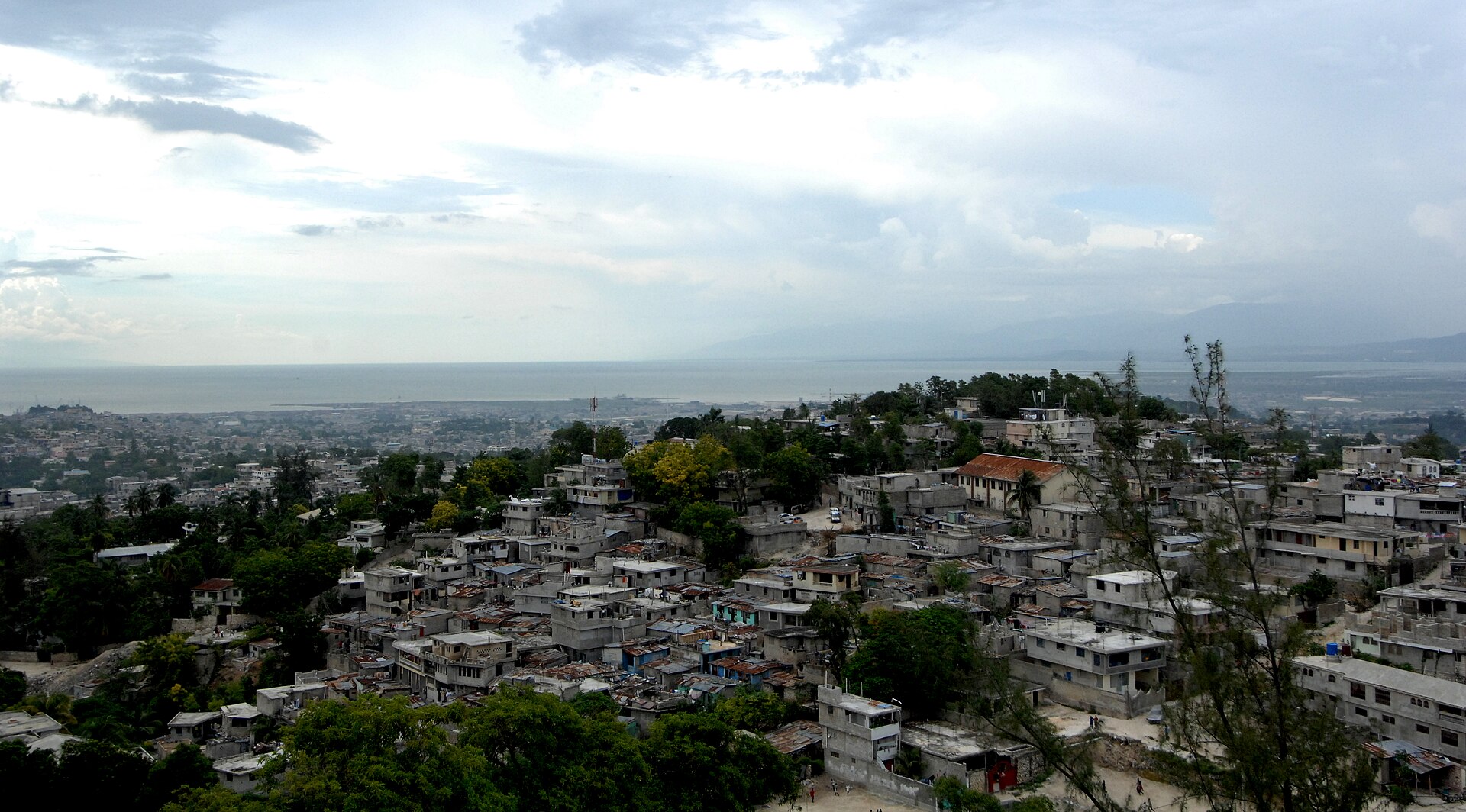
Gang coalitions grew after 2021, and in 2024 they joined as Viv Ansanm under Jimmy Chérizier, a former police officer. They now hold much of Port-au-Prince, and about 1.5 million people have fled their homes.
A Transitional Presidential Council took power in April 2024 after Henry resigned, and its mandate ended on 7 February 2026. Prime Minister Alix Didier Fils-Aimé now governs with his cabinet.
The UN Security Council created the Gang Suppression Force on 30 September 2025, with more than 5,000 personnel authorised. About 1,500 were in Haiti by late September 2026, far below that target.
Our Haiti geopolitics explainer covers the outside powers, and our Haiti politics guide names the key players. The Haiti population guide explains who lives where.
What the 18 July 2027 Vote Decides
The Provisional Electoral Council, the body that runs Haitian elections, set the first round for Sunday 18 July 2027. It dropped the earlier date of 13 December 2026 and set a runoff for 4 October 2027.
The vote would choose a president and a legislature, and the council’s calendar also lists a popular vote on constitutional changes. Haiti has no sitting parliament and no elected president today.
A credible vote would give Haiti its first elected president since 2021 and give foreign donors a government to work with. A new delay would leave the prime minister governing by decree.
Success depends on security, because gangs hold many areas and only 878,217 people had registered by 23 October 2026. Earlier dates have slipped more than once, and the new calendar comes with no security guarantee.
Read the latest on the election delay to 18 July and on the presidential hopefuls. The US State Department keeps Haiti at Level 4, Do Not Travel, and the new date does not change that.
More: Haiti news in English, every day from The Rio Times.
Frequently Asked Questions
When did Haiti become independent?
Haiti declared independence on 1 January 1804 after a 12-year revolution against France. It was the first free Black republic in the world.
Why did Haiti pay France for its independence?
In 1825 France agreed to recognise Haiti only if it paid 150 million francs to former planters. The sum was cut to 90 million francs in 1838, and payments on the debt and related loans ran until 1947.
When is the next Haiti election?
The electoral council set the first round for 18 July 2027 and a runoff for 4 October 2027. It dropped the earlier date of 13 December 2026.
Is it safe for Americans to travel to Haiti?
No. The US State Department rates Haiti Level 4, Do Not Travel, its highest warning, because of gangs, kidnapping and unrest.
Sources: US State Department Office of the Historian, US occupation of Haiti 1915 to 1934; US State Department Office of the Historian, Haiti country page; UNESCO World Heritage Centre, Citadelle, Sans Souci, Ramiers; UN Security Council Resolution 2793 (2025), Gang Suppression Force; UN Integrated Office in Haiti (BINUH); Haiti Constitution, Constitute Project; US State Department, Haiti Travel Advisory; Provisional Electoral Council of Haiti, 2026-2027 electoral calendar, 28 October 2026.
This article was produced by The Rio Times’ automated newsroom system. How we use AI · Report an error · Editorial responsibility: Matthias Camenzind, Editor-in-Chief
Expat Guide to Haiti
What The Rio Times publishes for foreigners who live in or move to Haiti.
Start here
Coming up in Haiti
Understand Haiti
Haiti
- What Is Happening in Haiti?
- What Is Happening in Haiti?
- Haiti Gang Crisis Explained 2026 Gangs and the UN Force
- Haiti’s 13 December Vote, What US Travellers Need to Know