El Salvador Culture, the Key Figures to Know in 2026
EL SALVADOR · CULTURE · KEY FIGURES
Key Facts
- Prize Children’s poet Maura Echeverría won the 2026 Premio Nacional de Cultura, announced by the Ministry of Culture on 30 October 2026.
- Money The winner receives US$5,000 less 15% income tax, a gold medal and a diploma of honor at an official ceremony.
- Books Javier Zamora, born in La Herradura, reached the United States at age nine and now writes poetry and memoir.
- Workshops The ministry’s publishing house ran free writing and illustration workshops for adults in September and October 2026.
- Classes Registration for free CENAR arts courses runs from 3 to 14 November 2026, with classes from 16 November to 19 December.
- Dance The Ballet Folkórico Nacional held an extra audition for one male dancer, with applications closing on 1 September 2026.
El Salvador culture is easiest to understand through its people, and this guide names the writers, teachers and dancers who matter in 2026. It also explains how a small country now uses prizes, workshops and free classes to build a cultural life.
The newest sign came on 30 October 2026, when the state named a children’s poet as winner of its highest cultural honor.

El Salvador Culture at a Glance
El Salvador sits on the Pacific coast of Central America, and its capital, San Salvador, is the center of the arts. Spanish is the working language of almost every book, class and stage show described here.
El Salvador culture has a strong public side, run by the Ministry of Culture from the Colonia Escalón district of San Salvador. The ministry’s website lists prizes, workshops, auditions and arts courses as its main news.
That makes the ministry the best single window onto El Salvador culture in 2026. Its October announcements show what the state wants to promote and who is invited to take part.
The most senior honor is the Premio Nacional de Cultura, which the ministry describes as the highest cultural distinction the state grants. The 2026 edition was devoted to children’s literature.
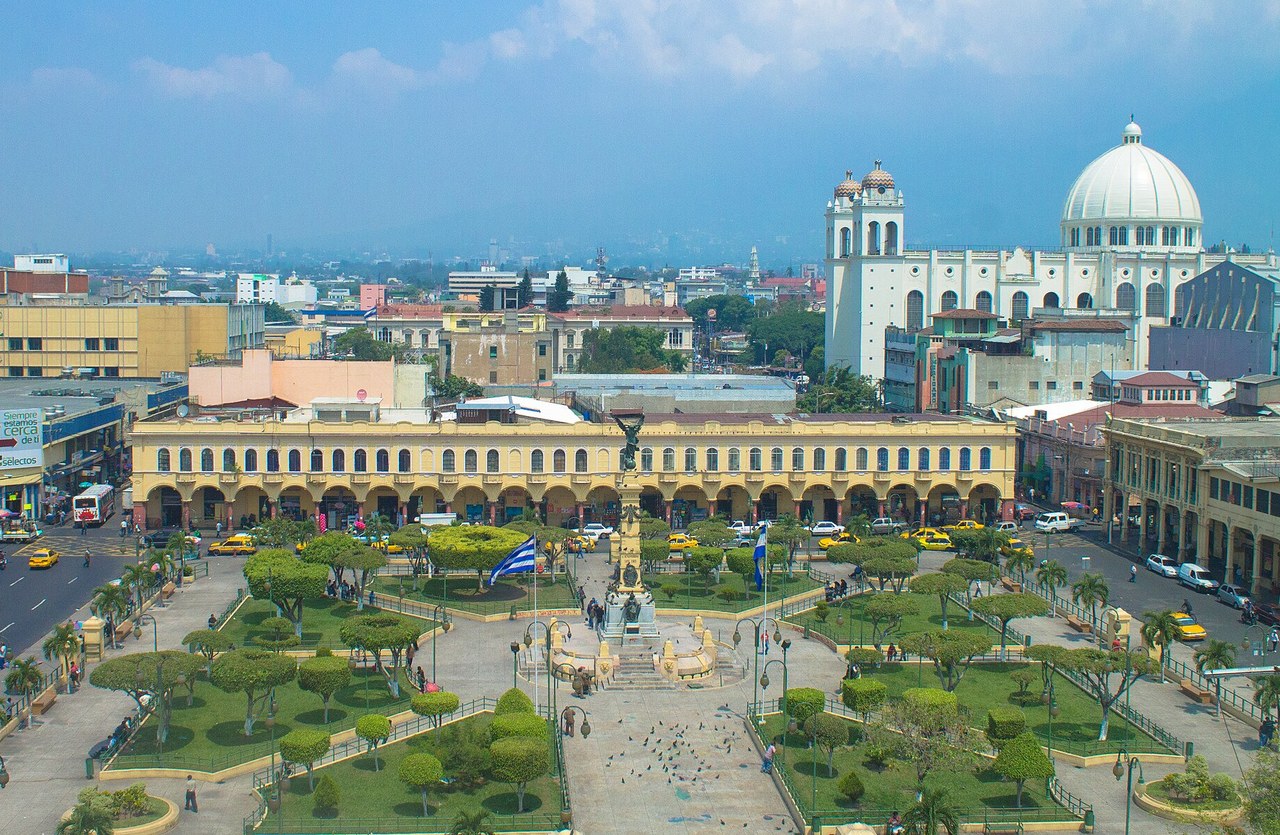
The capital’s historic center gives the scene its stage, from grand public buildings to busy plazas. Our profile of the country’s leadership gives the political background, and the El Salvador hub covers the rest.
The 2026 National Culture Prize
The ministry announced on 30 October 2026 that the writer Maura Echeverría won the Premio Nacional de Cultura. It was the 38th edition of the prize, and it was devoted to children’s literature.
The winner receives US$5,000, less 15% income tax, plus a gold medal and a diploma of honor. They are handed over at an official ceremony.
The jury called her poetry a pioneering contribution to Salvadoran children’s literature. It praised her expressive craft, her closeness to the world of childhood and a literary career of about four decades.
Her books include Flautas y astronautas, Mundo de chocolate and Ese barco es un sombrero. She also compiled Sol de cariño, an anthology of her own texts and those of other writers.
Several of her poems appear in Ministry of Education materials for preschool classes. Their titles include Mi cama, Cancioncilla, La fiesta, Niño limpio, Mi perrito and Los niños de El Salvador.
What Her Poems Sound Like
The jury noted traditional games, piñatas, sweets, pets and celebrations as favorite subjects. It also pointed to animals and the countryside, and to images of colors, sounds and movement.
Rhyme and rhythm echo children’s songs and playground rounds, which gives the poems their music. For a foreign reader, that makes her work a gentle way into everyday Salvadoran Spanish.
How the Prize Was Run
Nominations were open from 18 August to 30 September 2026, and the ministry later extended the deadline to 7 October. Five jurors judged the entries: Alondra Umanzor, Rolando Menéndez, Brunilda Peña, Manuel Velasco and Claudia Sosa.
They used five criteria: excellence, originality, cultural impact, career and influence. The ministry called children’s literature a strategic step, taken with the Office of the First Lady and tied to a national early childhood effort.
Writers and Workshops
The ministry also teaches writing through its publishing house, Editorial El Salvador. In autumn 2026 the house ran two free workshops with limited places.
The first was a youth narrative workshop for adults who want to write fiction for young readers. It met on four Saturdays, 17, 24 and 31 October and 7 November, at the National Anthropology Museum.
Jorge Galán and the Youth Fiction Workshop
The teacher was the Salvadoran writer Jorge Galán. The ministry describes him as an author of poetry, narrative and youth literature.
He has won several national and international awards.Galán wrote the trilogy El país de la niebla, with La ruta de las abejas, La caída de Porthos Embilea and El domador de tornados.The ministry said his experience lets students swap ideas with a working author.
A Workshop for Illustrators
The second workshop taught character illustration to young people and adults over 15. It met on 26 September and 3, 10 and 17 October, in the digital reading room of the national library.
Two illustrators from the publishing house, Marcos Soriano and Chelssea Flores, led the sessions. Students brought their own pencils, erasers and rulers, and the course linked drawing to storytelling.
Writers Abroad, Javier Zamora
Some of the best-known voices in El Salvador culture now live abroad, and Javier Zamora is the clearest example. His publisher says he was born in La Herradura and moved to the United States at age nine.
He grew up undocumented, then earned a degree at Berkeley and a master of fine arts at New York University. His teachers there included the poets Yusef Komunyakaa, Sharon Olds and Charles Simic.
From Chapbook to Prizes
His first chapbook, Nueve Años Inmigrantes, also titled Nine Immigrant Years, won the 2011 Organic Weapon Arts contest. His poetry collection Unaccompanied followed from Copper Canyon Press.
The publisher lists a National Endowment for the Arts fellowship and the 2016 Ruth Lilly Fellowship. It also lists a Wallace Stegner Fellowship, a 2017 Lannan Literary Fellowship and the 2017 Narrative Prize.
Memoir and Advocacy
Unaccompanied was a finalist for the Kate Tufts Discovery Award in 2019. It also earned honors from the Northern California Book Award and the Firecracker Award in 2018.
Zamora is a founding member of Undocupoets, a group that supports undocumented and formerly undocumented writers. It received the 2016 Barnes & Noble Writer for Writers Award, and his own site now features his memoir Solito.
Dance, Stage and Visual Arts
The state also supports performing arts through the Ballet Folklórico Nacional de El Salvador. In late August 2026 the ministry opened an extra audition for one male dancer.
Applicants had to be 18 to 30 years old and either advanced students of the Morena Celarié dance school or professional folk dancers. They needed a very good level in folk dance and a basic level in classical dance.
What the Audition Required
Candidates sent a motivation letter, a resume, two photographs and a copy of their identity document. The deadline for sending documents was noon on 1 September 2026.
The notice was open to Salvadoran and foreign dancers alike. It shows how a national company recruits one performer at a time.
Free Arts Classes at CENAR
The National Arts Center, known as CENAR, offers free year-end vacation courses. Registration runs from 3 to 14 November 2026, and classes run from 16 November to 19 December.
The courses cover drawing, painting, illustration, ceramics, sculpture, photography, theater, audiovisual work, design and crafts. A visual arts vacation club welcomes children from age four, in groups by age and weekday.
How to Take Part
Most of what the ministry offers is free and open to people who register on time. That makes El Salvador culture easier to join than many visitors expect.
The ministry’s website carries each notice with dates, places and contact details. CENAR gives a telephone number and an email address for its courses.
The writing and illustration workshops took place in the capital, at the national library and the anthropology museum. Places were limited, so early registration mattered.
Adults who want to write for young people have a clear route through the publishing house. Dancers have a route through the ballet company, and children have one through CENAR.
What the Culture Says About El Salvador
Three themes run through El Salvador culture in 2026. The first is childhood, because the 2026 prize, the youth fiction class and the children’s art club all point to young people.
The second is the diaspora, because writers like Zamora work abroad and still shape how readers see the country. Our analysis of the economy shows how much money and talent also flows through the same migrant networks.
The third is a state that wants culture to carry part of the national story, with prizes, free classes and national companies. Our politics guide and our geopolitics guide show where that effort fits.
What It Means for US Readers
Many Americans already know Salvadoran culture through neighbors, workplaces and restaurants. Reading is an easy next step into El Salvador culture, and Zamora’s books are written in English for a US audience.
Teachers and parents can use Echeverría’s poems to bring simple Spanish into a classroom. The titles are short, and their subjects, such as pets, sweets and parties, suit young learners.
Travelers should check the current US State Department advisory before booking, and confirm event dates with the organizers. Our El Salvador explainer gives the wider context.
What Is Not Known
The ministry has not said when the prize ceremony for Echeverría will take place. Its notice says only that the money, medal and diploma will be handed over at an official ceremony.
The ministry has also not published a head count of working artists or a total culture budget for 2026. The audition notice does not say how many dancers applied.
Frequently Asked Questions
What is El Salvador culture best known for?
El Salvador culture is known for its poetry and children’s books, folk dance, arts schooling and a strong diaspora of writers. The state backs much of it through the Ministry of Culture.
Who won El Salvador’s national culture prize in 2026?
Children’s poet Maura Echeverría won the Premio Nacional de Cultura 2026, announced on 30 October 2026. She receives US$5,000 less 15% income tax, a gold medal and a diploma.
Which Salvadoran writer should I read first?
Javier Zamora is a good start for English readers, because he writes in English about his childhood move from La Herradura to the United States. His poetry book is Unaccompanied.
Are there free arts classes in El Salvador?
Yes. The National Arts Center, CENAR, opens free year-end vacation courses, with registration from 3 to 14 November 2026 and classes from 16 November to 19 December.
Who judged the 2026 national culture prize?
A five-member jury judged it: Alondra Umanzor, Rolando Menéndez, Brunilda Peña, Manuel Velasco and Claudia Sosa. They used the criteria of excellence, originality, cultural impact, career and influence.
How old are the dancers the national ballet hires?
The August 2026 audition notice asked for male dancers aged 18 to 30. They had to be advanced dance students or professional folk dancers.
Sources: Ministerio de Cultura de El Salvador, announcement of the Premio Nacional de Cultura 2026 winner, 30 October 2026; Ministerio de Cultura de El Salvador, extension of nominations for the Premio Nacional de Cultura 2026, 29 September 2026; Ministerio de Cultura de El Salvador, CENAR year-end vacation courses, 27 October 2026; Ministerio de Cultura de El Salvador, youth narrative writing workshop, 28 September 2026; Ministerio de Cultura de El Salvador, character illustration workshop, 14 September 2026; Ministerio de Cultura de El Salvador, Ballet Folklórico Nacional audition, 29 August 2026; Copper Canyon Press, author page of Javier Zamora, retrieved 1 November 2026; Javier Zamora, official author website, retrieved 1 November 2026.
This article was produced by The Rio Times’ automated newsroom system. How we use AI · Report an error · Editorial responsibility: Matthias Camenzind, Editor-in-Chief
Expat Guide to El Salvador
What The Rio Times publishes for foreigners who live in or move to El Salvador.
Start here
- Cost of Living in El Salvador 2026: Rent Near US$899 a Month
- El Salvador Bank Accounts for Foreigners: Required Papers and Deposits From US$0 to US$30
- Taxes in El Salvador for Expats 2026 — What You Owe and What Stays Untaxed
- El Salvador Residency Visa 2026, Income Rules and Steps
Understand El Salvador
Brazil runoff date: Sunday, October 25, poll closing times and when results start · Brazil runoff polls: Flávio 51%, Lula 49% · Kalshi and Polymarket odds
Rotate for Best Experience
This report is optimized for landscape viewing. Rotate your phone for the full experience.
You've reached your free article limit
Subscribe to The Rio Times for unlimited access to our news, expat and nomad guides and market intelligence on Latin America and Africa.
Keep reading for free
Your first article was on us. Register with your email address to read 6 free articles every month. You will also receive The LatAm Brief: what moved in Latin American markets, politics and expat life, every weekday morning.
Expat Guide to El Salvador
What The Rio Times publishes for foreigners who live in or move to El Salvador.
Start here
- Cost of Living in El Salvador 2026: Rent Near US$899 a Month
- El Salvador Bank Accounts for Foreigners: Required Papers and Deposits From US$0 to US$30
- Taxes in El Salvador for Expats 2026 — What You Owe and What Stays Untaxed
- El Salvador Residency Visa 2026, Income Rules and Steps
Understand El Salvador