Zimbabwe Explained: The ZiG Currency, the Politics, the Economy and What to Watch

GUIDES · COUNTRY
Zimbabwe latest: Zimbabwe news — latest coverage · Zimbabwe Stadium Can Admit 10,000 Fans for 2 Matches
Key Facts
- Where and what A landlocked republic in southern Africa of about 391,000 square kilometres, slightly larger than Germany. The capital is Harare. Its neighbours are South Africa, Mozambique, Zambia and Botswana.
- People About 15.2 million at the 2022 census. The constitution recognises 16 official languages; English, Shona and Ndebele are the most widely used.
- Currency The ZiG, short for Zimbabwe Gold, launched in April 2024. The Reserve Bank of Zimbabwe’s interbank rate was ZiG26.63 per US dollar on 25 September 2026. The US dollar still dominates everyday prices.
- Economy About US$53.5 billion of output in 2025 on IMF figures. The IMF says it grew 8.3 percent in 2025 and expects 5 percent in 2026. Gold, platinum, lithium and tobacco earn most export income.
- Government Emmerson Mnangagwa of ZANU-PF has been president since November 2017. A constitutional amendment signed on 7 July 2026 extends his term to 2030 and ends direct presidential elections.
- Why it matters now Zimbabwe is testing whether a gold-backed currency can hold, after two collapses of its own dollar. It is also rewriting how it chooses its leader, with court challenges pending.
Zimbabwe explained for newcomers: how the ZiG works, who holds power, and which decisions in the coming months matter to foreigners.
Zimbabwe explained in one sentence: a mineral-rich country rebuilding trust in its own money while its politics move away from direct elections. In 2026 inflation fell to its lowest in decades and gold earnings soared.
At the same time, the president’s term was lengthened without a referendum.
What kind of country is this?
Zimbabwe sits on a high plateau between the Zambezi and Limpopo rivers. It has no coast, so exports travel by road and rail through South Africa or Mozambique.
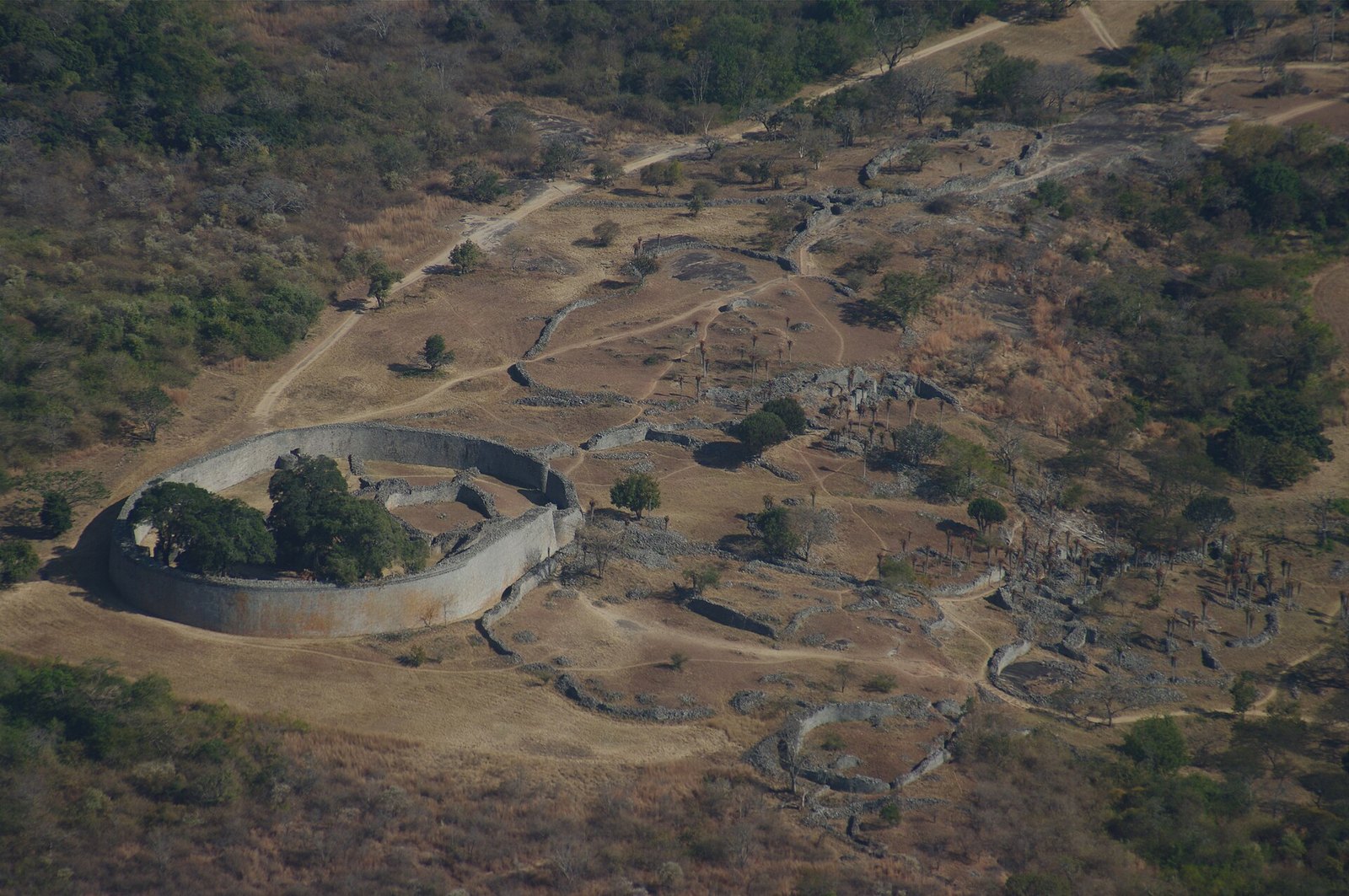
The Zambezi forms the border with Zambia, and the two countries share the Victoria Falls and Lake Kariba. The name comes from Great Zimbabwe, a stone city built from around the 11th century.
Its walls are the largest ancient structures in Africa south of the Sahara. Britain later ruled the territory as Southern Rhodesia.
A white minority government declared independence unilaterally in 1965, which led to a guerrilla war. Zimbabwe became independent on 18 April 1980.
Robert Mugabe led it for 37 years, first as prime minister and then as president. From 2000 his government seized most white-owned commercial farms.
Farm output and exports collapsed, and the economy shrank sharply. The worst came in 2008, when official inflation ran into the hundreds of millions of percent.
In 2009 Zimbabwe abandoned its own currency and let people use the US dollar and South African rand. That history explains why Zimbabweans still trust dollars more than any local note.
Some 15.2 million people lived in Zimbabwe at the 2022 census. Many more Zimbabweans live abroad, mostly in South Africa and Britain, and their remittances help support families at home.
Harare is the capital and largest city, and Bulawayo the second.
Who runs Zimbabwe and how
ZANU-PF, the Zimbabwe African National Union – Patriotic Front, has governed since independence in 1980. It controls the state, the security forces and most large state companies.
Its grip on parliament is strong enough to change the constitution on its own votes. Emmerson Mnangagwa, Mugabe’s long-time ally and former vice-president, took power in November 2017 after the army intervened to push Mugabe out.
He won elections in 2018 and in August 2023, when he took 52.6 percent against 44.0 percent for Nelson Chamisa. Regional observers said the 2023 vote fell short of constitutional standards.
The president is head of state and government. He has two vice-presidents, Constantino Chiwenga, the former army commander who led the 2017 intervention, and Kembo Mohadi.
Mthuli Ncube is finance minister and John Mushayavanhu governs the Reserve Bank of Zimbabwe (RBZ), the central bank. Parliament has two chambers, the National Assembly and the Senate.
The opposition is weak and divided since Chamisa left his party in January 2024. Its main tool now is litigation rather than street politics.
The 2026 amendment changes the rules of the game. Under the Constitution of Zimbabwe Amendment (No. 3) Act, signed on 7 July 2026, terms for the president, parliament and councils rise from five to seven years.
Mnangagwa’s mandate now runs to 2030 instead of 2028. Future presidents will be chosen by a joint sitting of parliament, not by voters.
The amendment passed the National Assembly by 216 votes to 42 and the Senate by 75 to 4. The Senate also grows from 80 to 90 seats, with ten new members appointed by the president.
No referendum was held. Critics argue one was required because the change removes citizens’ right to elect their president.
How the economy works
Mining is the core of the economy and the main source of dollars. In the first half of 2026 mining exports reached US$6.21 billion, up 121 percent on a year earlier, according to the RBZ.
Gold alone earned US$3.82 billion and platinum US$1.46 billion. Price explains only part of the gold jump.
The government has pushed small-scale and informal miners to sell through the state buyer rather than smuggle gold abroad. Output was about 50 tonnes in 2025, and the Treasury expects 55.6 tonnes in 2026.
Zimbabwe is also Africa’s leading lithium producer. It banned raw lithium ore exports in 2022 and will ban exports of lithium concentrate from January 2027.
The aim is to force processing at home. Most of the big lithium mines are Chinese-owned.
Tobacco is the other traditional earner, and Zimbabwe is Africa’s largest grower. It brought in US$967.6 million in the first half of 2026.
Maize is the staple crop, and harvests swing with the rains. The ZiG sits at the centre of monetary policy.
It replaced the collapsing Zimbabwe dollar in April 2024 and is backed by gold and foreign-currency reserves. In September 2024 the RBZ weakened it sharply, from about ZiG14.1 to ZiG24.4 per US dollar.
In 2026 the official rate has mostly stayed between ZiG25 and ZiG27 per US dollar, according to the RBZ.Reserves remain thin.
Usable reserves stood at about US$1.7 billion in mid-2026, enough for 1.7 months of imports, according to the RBZ. The usual comfort level is three months.
On the unofficial street market the ZiG traded 15 to 20 percent weaker than the official rate in August 2026. Electricity is the weak point.
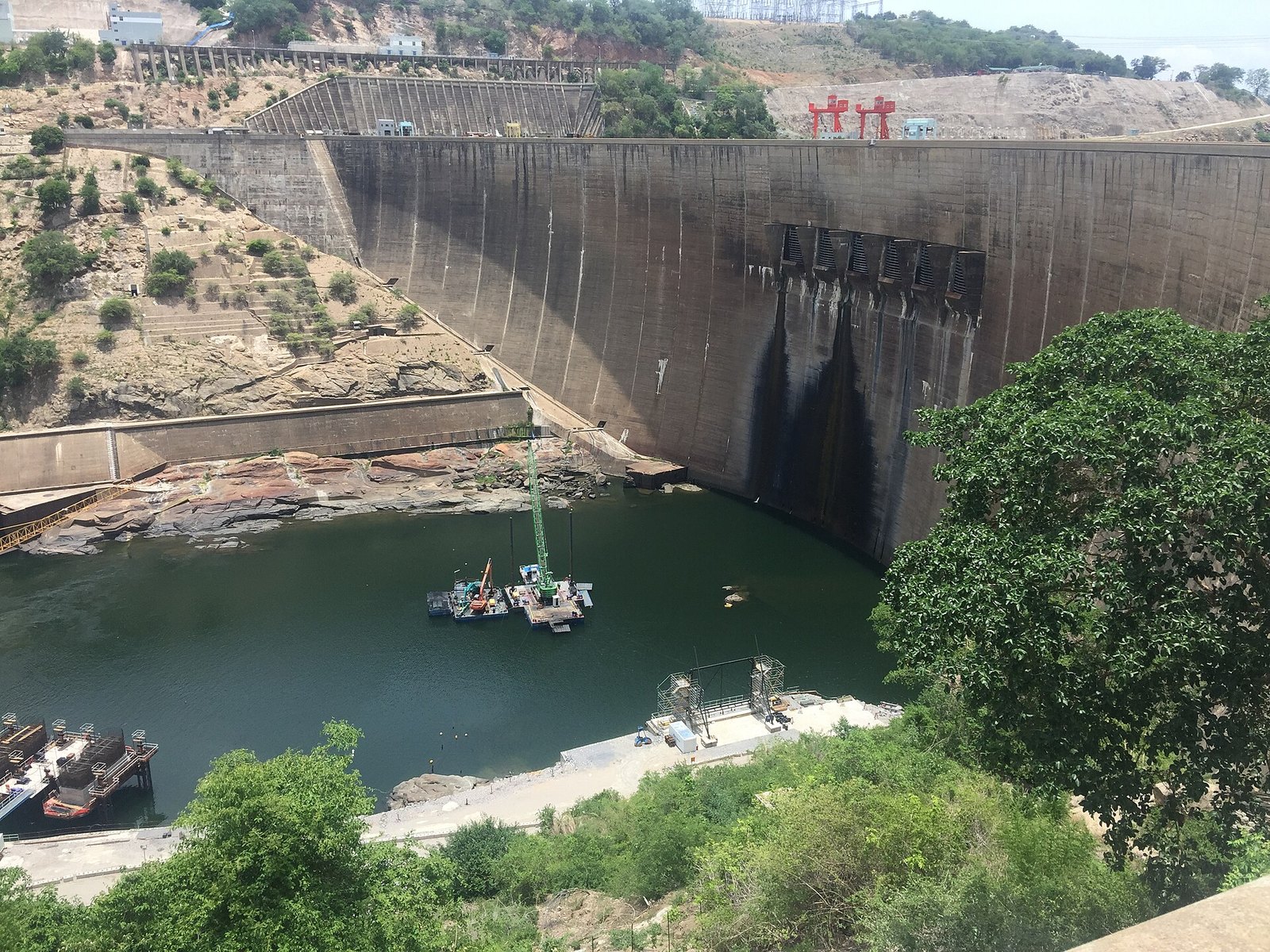
Most power comes from the Kariba hydroelectric plant on the Zambezi and the coal-fired Hwange station, with imports filling the gap. On 6 July 2026 the national grid collapsed and the whole country lost power for about four hours.
The government has also merged its three state power companies into one.
What is happening right now
As of September 2026, three stories dominate: record-low inflation, the new constitution in court, and a slow path back to international lenders. Inflation has collapsed from near 96 percent in 2025 to low single digits.
ZiG inflation was 3.7 percent in September 2026, up from 2.9 percent in August, according to the national statistics agency ZimStat. Prices in US dollars rose 3.5 percent over the year.
On 15 June 2026 the RBZ cut its policy rate from 35 to 30 percent, its first cut since the ZiG launched. The constitutional challenges are now before the Constitutional Court.
On 22 September 2026 it heard six liberation-war veterans seeking to challenge the end of direct presidential elections, and reserved judgment. Further cases, including one by an opposition party, are pending.
Until a court rules otherwise, the amendment is law. Politics inside ZANU-PF matter as much as the courts.
Chiwenga had been widely seen as Mnangagwa’s successor, and the move to 2030 delays any handover. Chiwenga remains vice-president and served as acting president from 18 to 21 September while Mnangagwa attended the United Nations General Assembly.
Symbols have followed. On 15 September, Mnangagwa’s birthday, Zimbabwe marked Munhumutapa Day as a public holiday for the first time.
It was created by a statutory instrument gazetted six days earlier. On the economy, Zimbabwe is trying to rejoin the international financial system.
It has been in arrears to the World Bank, the African Development Bank and other lenders for more than two decades. Total public debt stood at US$23.4 billion at the end of September 2025, including about US$7.7 billion of overdue external payments and penalties, according to the Treasury.
The route back runs through an IMF staff-monitored programme. This is a reform track record watched by IMF staff, with no IMF money attached.
On 17 September 2026 IMF staff and the government agreed on its second review, noting stronger than expected revenues. Completing it would support talks on clearing arrears and restructuring debt.
There was also tragedy. On 11 August a state-run ferry capsized on Lake Kariba, killing 97 people.
The government declared a state of disaster and admitted serious gaps in its maritime safety.
What to watch
The Constitutional Court comes first. A ruling that a referendum was required would reopen the question of how Zimbabwe chooses its president.
A ruling for the government would settle the 2030 timetable. The court has set no date for its judgments.
Watch the ZiG and the gap to the street rate. A widening premium would signal that confidence is fading, as it did before the 2024 devaluation.
The rise in inflation from 2.9 to 3.7 percent in September is worth tracking for the same reason. The IMF track matters for anyone lending to or investing in Zimbabwe.
Completion of the staff-monitored programme could open the door to a funded IMF programme and an arrears-clearance plan with creditors. The 2027 national budget, normally presented in late November, will show whether spending discipline holds.
For mining, the lithium concentrate ban from 1 January 2027 is the key date. Producers have asked for more time, and processing plants are still being built.
Gold output against the 55.6-tonne goal will decide how much the reserves can grow. The IMF expects growth to slow to 3.5 percent in 2027.
Weather is one reason to watch: the 2024 El Niño drought wrecked the maize harvest and cut hydropower at Kariba. The rainy season runs from roughly November to March.
What this means for foreigners
Americans, Britons and most Europeans need a visa but can buy it online, and most can also buy it on arrival. A single-entry visa costs US$30 for Americans and most Europeans; British nationals pay US$55.
The KAZA UniVisa for Zimbabwe and Zambia costs US$50. All immigration fees are set in US dollars.
Our Zimbabwe visa and residency guide covers work permits, residence and the rules for investors. Bring US dollars in cash, ideally small notes.
Most shops, hotels and taxis price in dollars, and change is often scarce. The ZiG is legal tender and common in electronic payments, but visitors rarely need much of it.
The United States State Department rates Zimbabwe at level 2, “exercise increased caution”, citing crime and official harassment of its citizens. It warns that protests can escalate quickly and that foreigners and journalists face extra scrutiny.
Avoid photographing government buildings or security forces, and stay away from political gatherings. For investors, the picture is mixed.
Inflation is low, the currency has held for two years and mining earnings are at records. The risks are thin reserves, unpaid foreign debts and sudden policy changes such as export bans.
The political system is also becoming less contestable. The United States ended its Zimbabwe sanctions programme in March 2024.
In its place came targeted sanctions on Mnangagwa and other officials. They fall under the Global Magnitsky Act, a US law aimed at corruption and rights abuses.
Companies should screen partners and state entities before signing.
Connected Coverage
Zambia Explained 2026: The Country, Its Copper Economy, Its Politics and What to Watch
Zimbabwe Visa and Residency: Permits, Costs and What Foreigners Need
South Africa Explained: The Country, the Coalition Government and What to Watch
Tanzania Explained: The Country, Its Politics, Its Economy and What to Watch
Angola Explained: Oil, Politics, the Economy and What to Watch
Sources: Exchange rates, the policy rate, reserves and export receipts from the Reserve Bank of Zimbabwe; inflation from ZimStat; growth and the staff-monitored programme from the IMF; debt from the Ministry of Finance; entry rules from the Department of Immigration and the US State Department. All accessed 27 September 2026.
- Reserve Bank of Zimbabwe — interbank exchange rates, 25 September 2026
- Reserve Bank of Zimbabwe via The Herald — policy rate cut to 30 percent, 15 June 2026
- Summary of the RBZ 2026 Mid-Term Monetary Policy Statement: reserves, import cover, ZiG usage
- ZimStat via NewZimbabwe — ZiG inflation of 3.7 percent, September 2026
- IMF — staff-level agreement on the second review of the staff-monitored programme, 17 September 2026
- IMF DataMapper — Zimbabwe GDP in US dollars
- Ministry of Finance — 2026 Mid-Term Budget Review: growth, gold output
- Ministry of Finance — Public Debt Report, end September 2025: US$23.4 billion and arrears
- NewZimbabwe — Constitutional Court reserves judgment on Amendment No. 3 challenge, 22 September 2026
- Mines ministry via Reuters — lithium concentrate export ban from January 2027
- US State Department — Zimbabwe travel advisory
What Is Not Known
Whether the 2026 amendment will survive in court. Judgment on the war veterans’ application is reserved, other challenges are pending, and no ruling date has been set.
Who will succeed Mnangagwa, and when. Parliament, not voters, is now due to choose the next president in 2030.
How ZANU-PF will pick its candidate, and whether the succession contest stays inside the party, is unclear. How much gold actually backs the ZiG.
The RBZ publishes reserve totals, but part of them is held in metal and the split is not regularly disclosed. Official lithium export figures also differ between the RBZ and the Treasury.
When the arrears will be cleared. The staff-monitored programme is a first step.
Creditors have not agreed a timetable, and debt data are still being reconciled.
Frequently Asked Questions
What currency does Zimbabwe use?
Two, side by side. The ZiG, launched in April 2024, is the local currency, at ZiG26.63 per US dollar on the central bank’s interbank rate on 25 September 2026. The US dollar remains legal tender and dominates everyday prices.
Who is the president of Zimbabwe in 2026?
Emmerson Mnangagwa of ZANU-PF, in office since November 2017. A constitutional amendment signed on 7 July 2026 extends his term from 2028 to 2030 and ends direct presidential elections; court challenges are pending.
Do Americans and Europeans need a visa for Zimbabwe?
Yes, but they can buy it on arrival or online. A single-entry visa costs US$30 for Americans and most EU citizens, and US$55 for British nationals. The KAZA UniVisa, which also covers Zambia, costs US$50. Nationals of many African neighbours need no visa.
Is inflation in Zimbabwe still high?
No. ZiG inflation was 3.7 percent in September 2026, according to ZimStat, down from near 96 percent in 2025. The central bank cut its policy rate from 35 to 30 percent in June 2026.
Is Zimbabwe safe for foreigners?
The US State Department rates Zimbabwe at level 2, exercise increased caution, citing crime and official harassment. Visitors should avoid political gatherings and not photograph government buildings or security forces.
What does Zimbabwe export?
Mainly gold, platinum, lithium and tobacco. Mining exports reached US$6.21 billion in the first half of 2026, with gold alone at US$3.82 billion, according to the Reserve Bank of Zimbabwe.
This article was produced by The Rio Times’ automated AI newsroom. Editorial responsibility: Matthias Camenzind, Publisher and Editor-in-Chief. The Rio Times also runs Ask Rio Times, which answers from 100,000+ of our own articles, the daily Latin America Power Map, and prediction-market odds on elections and markets.. How we use AI · Report an error
LatAm Markets: Live Signals → — real-time movers, turnover leaders and FX across Latin America.
Expat Guide to Zimbabwe
What The Rio Times publishes for foreigners who live in or move to Zimbabwe.
Start here
Understand Zimbabwe