Zimbabwe Power Utility ZESA Hires Former Eskom Operations Chief
ZIMBABWE · ENERGY
Key Facts
- —What happened Zimbabwe merged its three state power companies into one utility, ZESA (Private) Limited, and named a new executive team.
- —Who is in charge Cletus Nyachowe became group chief executive on 1 May 2026. Former Eskom chief operating officer Jan Albert Oberholzer joins as chief operating officer.
- —The board Eleven members, chaired by Albert Joel Nduna.
- —The owner The utility now sits under the Mutapa Investment Fund, Zimbabwe’s sovereign wealth fund.
- —The pressure A transmission fault knocked out the national grid for about three and a half hours in July 2026.
- —What comes next Harare is betting that consolidation and outside expertise can steady a grid that leans on imports.
Zimbabwe has folded three power companies into one and hired a South African utility veteran to run its operations.
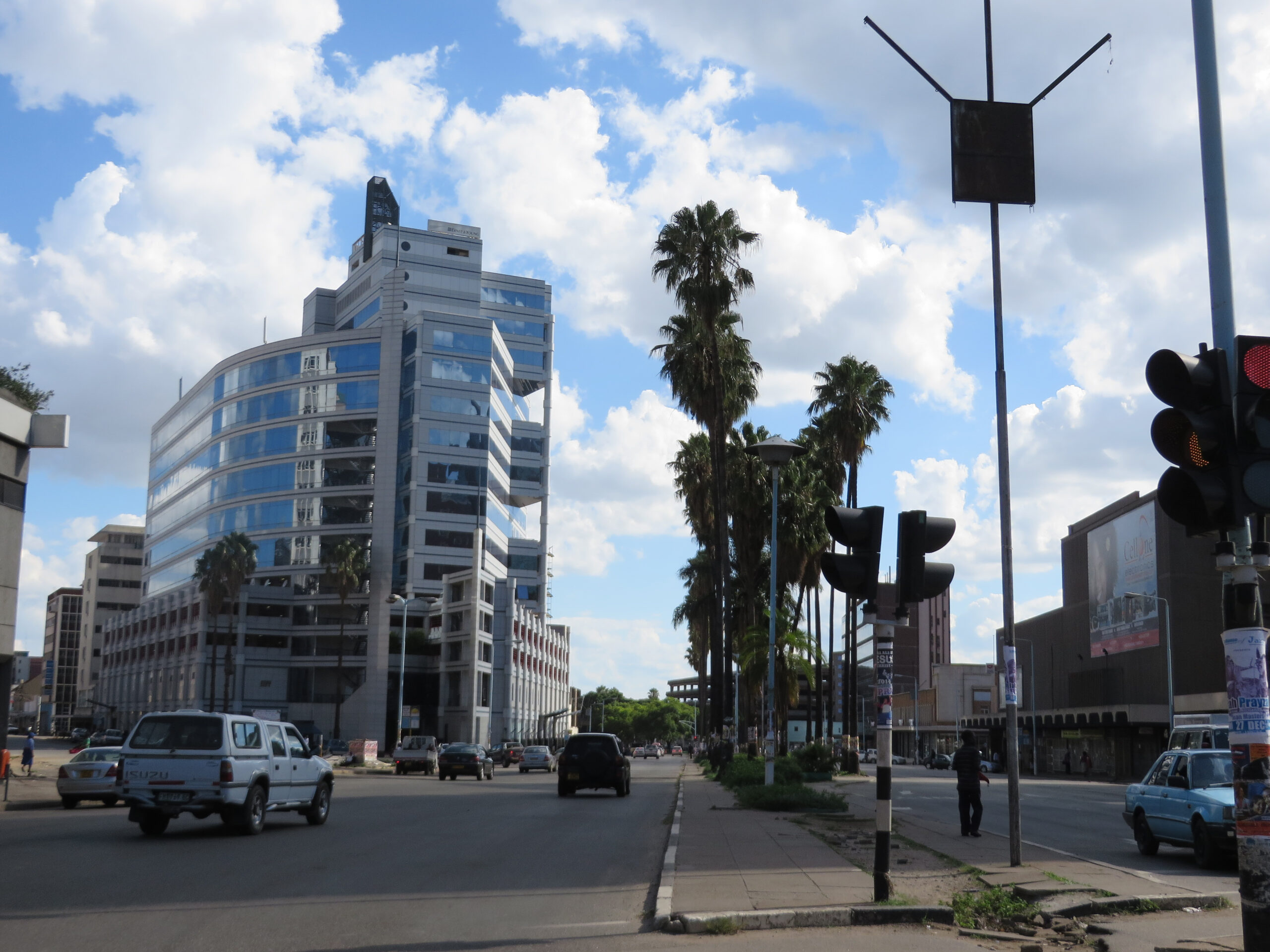
Zimbabwe has consolidated ZESA Holdings, the Zimbabwe Power Company and the transmission and distribution arm into one company. Cletus Nyachowe took over as group chief executive on 1 May 2026. Former Eskom chief operating officer Jan Albert Oberholzer joins as chief operating officer.
Three Companies Become One
ZESA Holdings, the Zimbabwe Power Company and the Zimbabwe Electricity Transmission and Distribution Company no longer exist as separate entities.
They have been folded into ZESA (Private) Limited, a single vertically integrated utility that generates, transmits and sells electricity.
The shareholder is the Mutapa Investment Fund, the sovereign wealth fund that now holds most of Zimbabwe’s large state assets.
A board of eleven, chaired by Albert Joel Nduna, oversees the new company.
The New Executive Team
Cletus Nyachowe was appointed group chief executive officer with effect from 1 May 2026.
Jan Albert Oberholzer, who ran operations at South Africa’s Eskom, joins as chief operating officer.
Oberholzer spent years inside a utility with problems Zimbabwe knows well: ageing plant, deferred maintenance and load shedding.
Hiring him is a statement that Harare wants operating discipline rather than another round of restructuring on paper.
What the July Blackout Showed
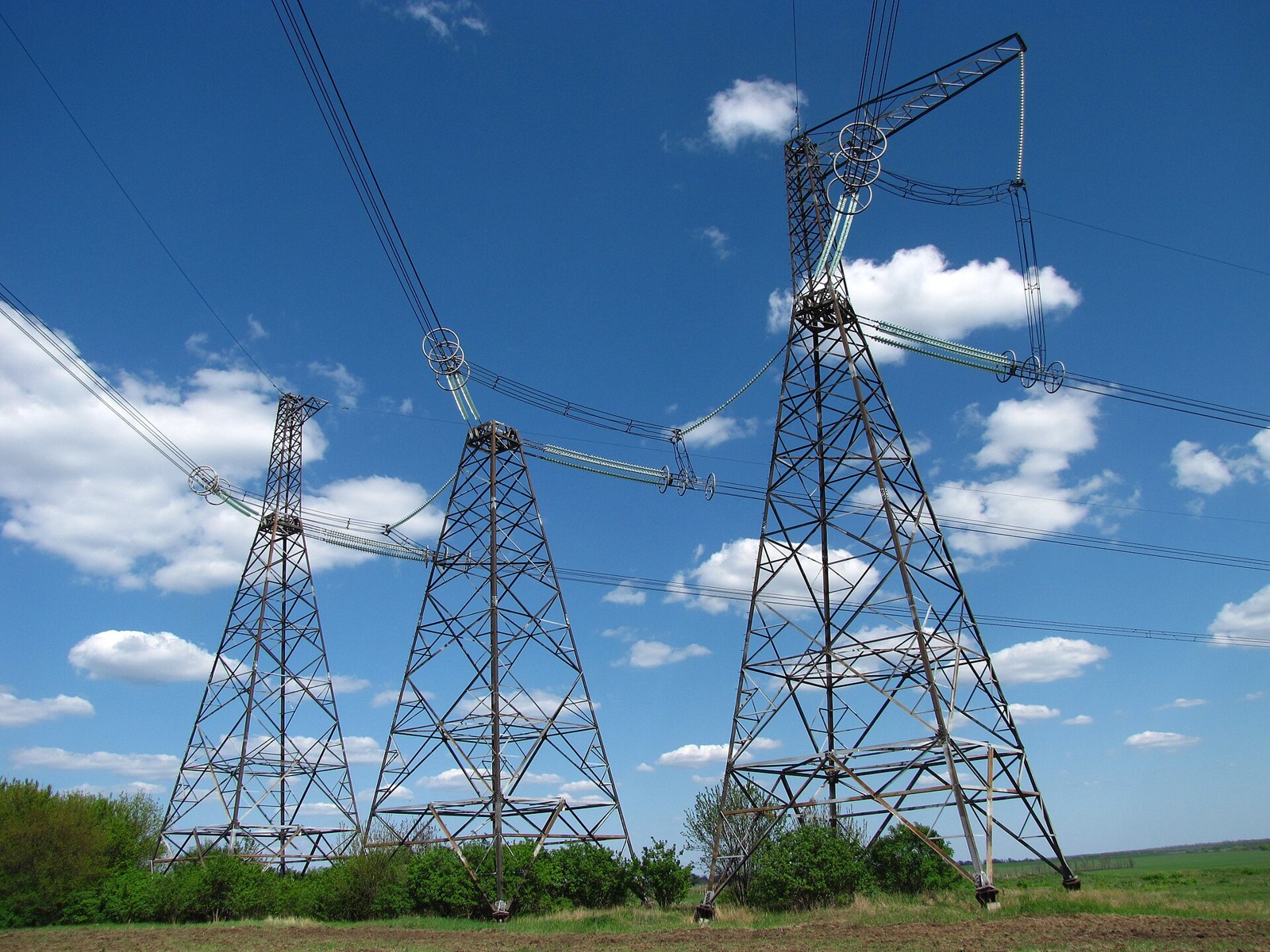
On 22 July 2026 the national grid collapsed and the whole country lost power.
ZESA blamed a fault on a transmission line and said supply was restored in stages.
Most customers were back within about three and a half hours, which is fast by regional standards.
The speed of the recovery was reassuring. The fact that a single line fault could black out a country was not.
A Grid That Leans on Neighbours
Restoration drew on imports from South Africa’s Eskom and on Mozambique’s Cahora Bassa scheme.
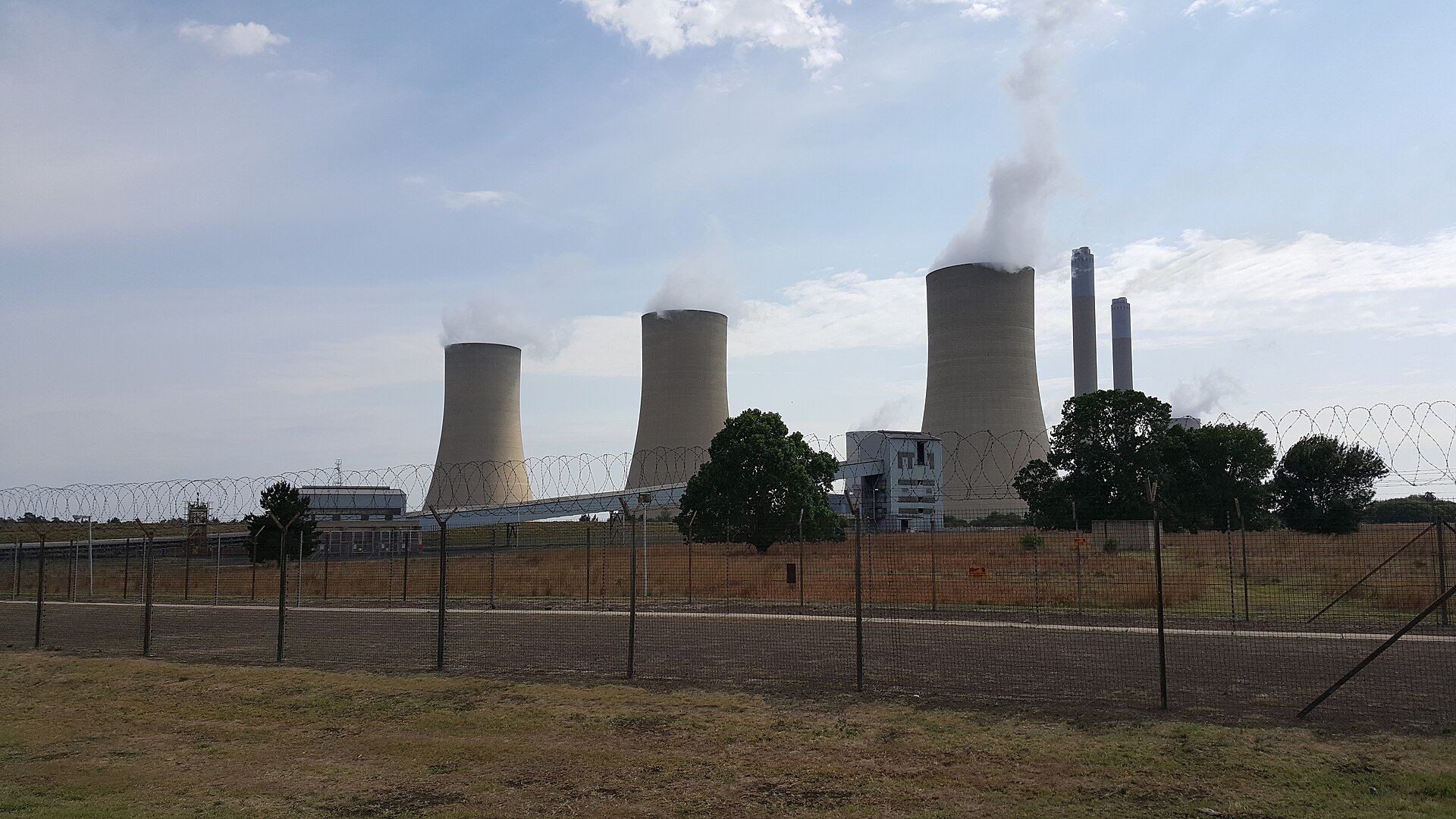
Domestic generation came back through the Kariba South hydro station and the Hwange coal plant.
Kariba output rises and falls with the level of the lake, which drought can pull down sharply.
Hwange has been expanded with Chinese financing, but older units at the station remain unreliable.
Why Consolidation Is the Chosen Fix
Splitting generation from transmission was meant to bring competition and clearer accounting.
In practice it left three companies arguing over money that none of them had.
A single balance sheet makes it easier to price electricity, raise debt and plan maintenance.
It also concentrates responsibility. If the lights go out, there is now one company to answer for it.
What It Means for Business
Mines, smelters and irrigation schemes are the customers most exposed to unreliable supply.
Many already run diesel generators, which cost far more per unit than grid power.
Reliable supply would cut that bill and make Zimbabwean output more competitive against regional rivals.
Tariffs are the other half of the equation, and a utility that cannot cover its costs cannot maintain its plant.
The Regional Picture
Southern Africa trades power across borders through the Southern African Power Pool.
Eskom itself has spent years fighting load shedding, so its former managers are in demand across the region.
Zambia, next door, has rationed electricity through a drought that cut Kariba North output.
A stronger Zimbabwean utility would make the regional market less fragile, not only the domestic one.
What to Watch
Whether Oberholzer is given authority over maintenance budgets rather than a title.
Hwange availability through the dry season, and the level of Lake Kariba going into 2027.
The tariff review, which decides whether the merged utility can fund its own repairs.
And the import bill, the clearest measure of whether domestic generation is recovering.
More: Africa news and analysis, every day from The Rio Times.
Frequently Asked Questions
Who now runs Zimbabwe’s power utility?
Cletus Nyachowe is group chief executive from 1 May 2026. Former Eskom executive Jan Albert Oberholzer is chief operating officer.
What is ZESA (Private) Limited?
The single company created by merging ZESA Holdings, the Zimbabwe Power Company and the transmission and distribution arm.
Who owns it?
The Mutapa Investment Fund, Zimbabwe’s sovereign wealth fund, holds the shares.
How long did the July 2026 blackout last?
The national grid failed on 22 July and most customers had power again within about three and a half hours.
What caused it?
ZESA attributed the collapse to a fault on a transmission line.
Where does Zimbabwe import power from?
Mainly from South Africa’s Eskom and Mozambique’s Cahora Bassa scheme, alongside its own Kariba and Hwange plants.
Sources: ZESA (Private) Limited board announcement, Reuters reporting on the July 2026 national blackout, Mutapa Investment Fund, Southern African Power Pool.
This article was produced by The Rio Times’ automated newsroom system. How we use AI · Report an error
Read More from The Rio Times