Zimbabwe Ends Direct Presidential Elections in New Amendment
ZIMBABWE · CONSTITUTION
Key Facts
- —What changed Zimbabwe rewrote its constitution in July. The president signed it on 7 July.
- —The headline change Terms of office go from five years to seven, and President Emmerson Mnangagwa stays until 2030 instead of 2028.
- —The bigger change Zimbabweans will no longer elect their president directly. Parliament will choose, sitting jointly.
- —How it passed 216 votes to 42 in the lower house and 75 to 4 in the Senate.
- —What is disputed Whether a referendum was required. The Constitutional Court struck the challenges off without ruling on them.
- —What comes next A fresh challenge is set down for 22 September.
Most coverage of Zimbabwe’s constitutional amendment has focused on the two extra years it gives the president. The clause that ends direct presidential elections has attracted far less attention.
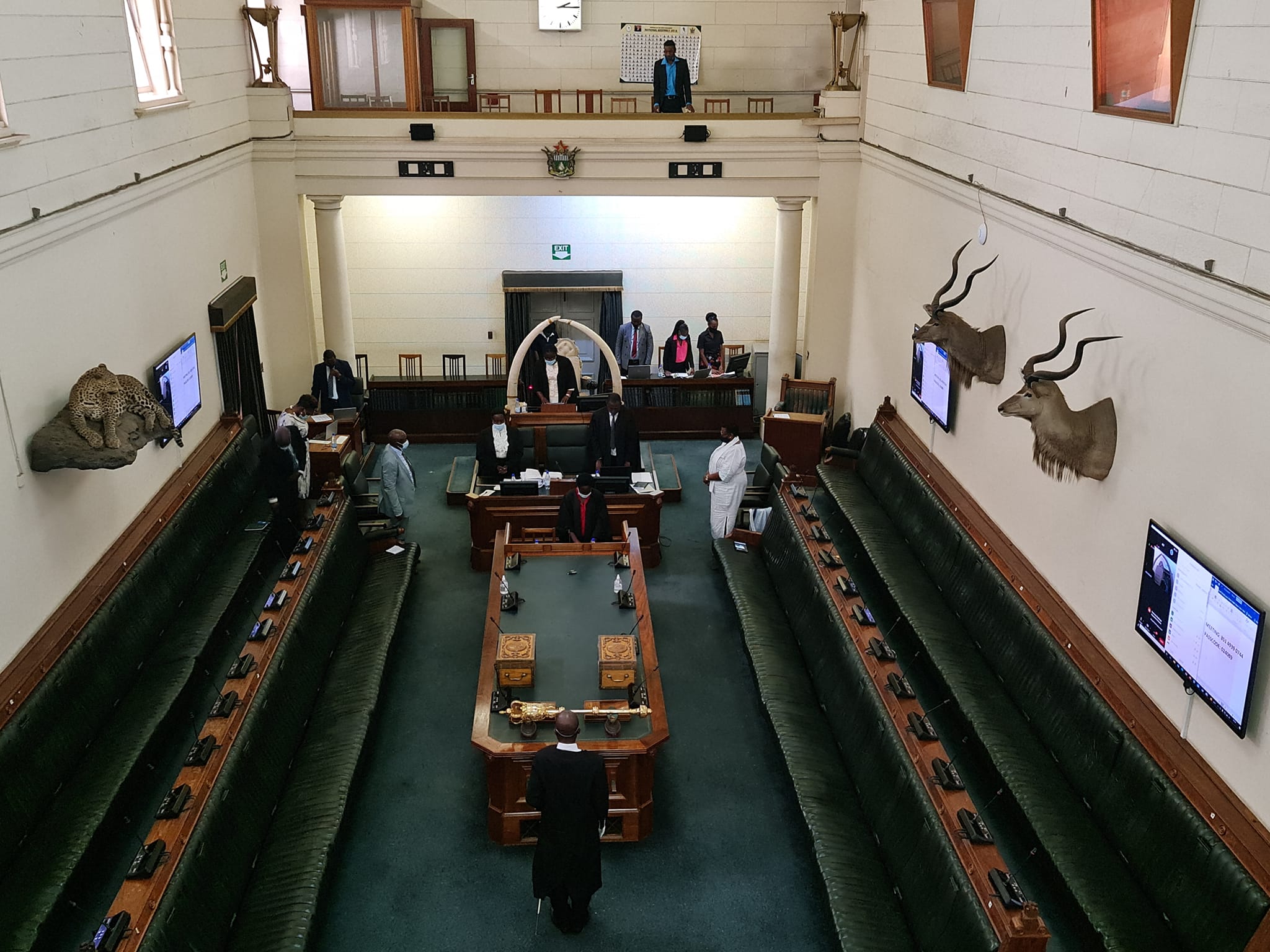
Zimbabwe’s third constitutional amendment became law on 7 July. It extends the president’s term by two years, and it takes the choice of president away from voters.
What the Act Actually Does
The Constitution of Zimbabwe Amendment Number 3 Act is now Act Number 6 of 2026. It runs well beyond the term extension.
Terms for the president, parliament and local authorities move from five years to seven. The incumbent therefore serves until 2030 rather than 2028.
The president will be elected by a joint sitting of parliament instead of by popular vote. That is the structural change.
The Senate grows from 80 seats to 90, with ten of the new members appointed by the president.
Voter registration moves from the electoral commission to the Registrar-General. A new Delimitation Commission is created.
Presidential power over judicial appointments widens, and public interviews for judges are scrapped. The National Peace and Reconciliation Commission is abolished.
How Quickly It Moved
Cabinet approved the bill on 10 February and it was gazetted on 16 February.
Public hearings ran from 30 March to 2 April, with written submissions accepted until 17 May. The government says more than 500,000 submissions came in.
The lower house passed it on 18 June by 216 votes to 42. The Senate followed on 24 June by 75 to 4.
The lower house adopted the Senate’s amendments on 30 June by 226 to 41. Mnangagwa signed on 7 July.
From cabinet approval to signature took five months.
The Referendum Question
Section 328 of the Zimbabwean constitution requires two thirds of the membership of each house for an amendment. The government cleared that comfortably.
The dispute is over subsections 6 and 9. Opponents say changes to term limits and political rights require a national referendum.
The government says none was needed. The Constitutional Court struck the challenges off the roll on 17 June without ruling on the substance.
A fresh application has been filed by six applicants including Reuben Zulu, represented by Professor Lovemore Madhuku. It attacks the replacement of section 92, the clause on electing the president.
It is set down for 22 September.

What It Cost
Africa Confidential reported on 11 September that the campaign to pass the amendment had been exceptionally costly.
Securing the parliamentary votes and the support of traditional leaders was bankrolled, it said, by a cabal of wealthy supporters.
Those supporters are described as having built fortunes through privileged access to state resources and public contracts. The published extract names none of them.
Figures circulating elsewhere putting a dollar value on the operation come from fringe outlets and are not supported by any named source.
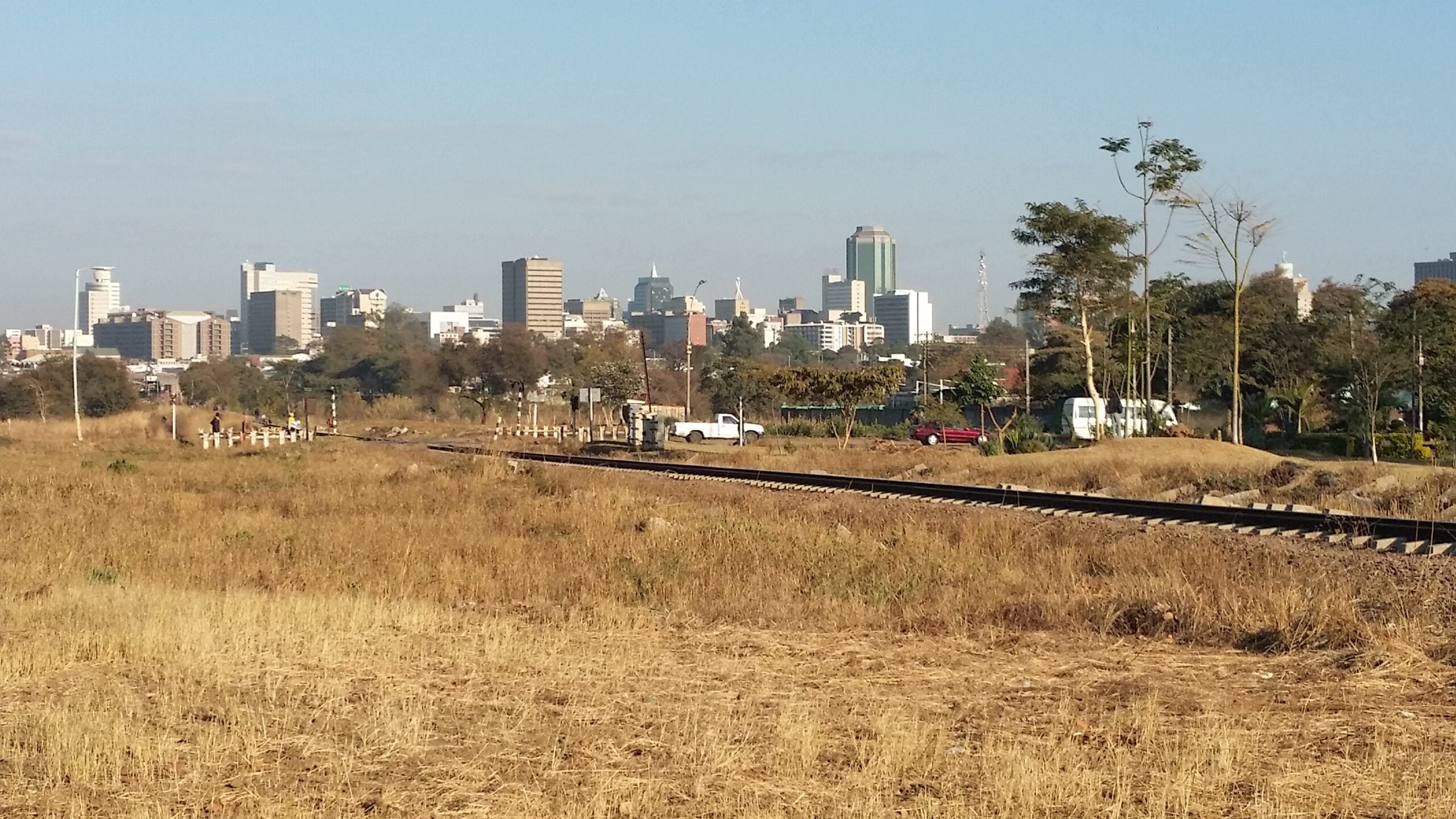
Why This Is Not Just Another Term Extension
African presidents have extended their terms before, and the usual route is a referendum the government expects to win.
Zimbabwe has taken a different road. It has removed the electorate from the equation altogether for the highest office in the country.
A president chosen by a joint sitting of parliament is chosen by the party that controls parliament. ZANU-PF has controlled it since independence in 1980.
The 2030 date has dominated the coverage because it is easy to grasp. The clause that matters is the one that decides who does the choosing after that.
More: Africa news and analysis, every day from The Rio Times.
Background: Brazil Election Results 2026: Live Updates, Vote Count and Runoff Scenarios.
Frequently Asked Questions
What is Zimbabwe’s CAB3?
The Constitution of Zimbabwe Amendment Number 3 Act, signed into law on 7 July 2026 as Act Number 6 of 2026.
Does it extend the president’s term?
Yes. Terms move from five years to seven, so Emmerson Mnangagwa serves until 2030 instead of 2028.
What else does it change?
Parliament will elect the president instead of voters, the Senate grows to 90 seats, and judicial appointment rules change.
How did it pass?
216 to 42 in the National Assembly and 75 to 4 in the Senate, meeting the two-thirds requirement.
Was a referendum needed?
That is disputed. The Constitutional Court struck earlier challenges off without ruling on the merits.
Is it being challenged?
Yes. A new application over the clause on electing the president is set down for 22 September 2026.
Sources: Veritas Zimbabwe, Parliament of Zimbabwe, Africa Confidential, NewZimbabwe.
This article was produced by The Rio Times’ automated newsroom system. How we use AI · Report an error
Read More from The Rio Times