
GUIDES · ZIMBABWE
Key Facts
- —The country Landlocked republic in southern Africa, bordering South Africa, Zambia, Mozambique and Botswana. President Emmerson Mnangagwa leads it, and Parliament passed a constitutional amendment in June 2026 that would move the next election from 2028 to 2030.
- —Sanctions The US ended its Zimbabwe sanctions programme on 4 March 2024 but sanctioned 11 people and three companies, including Mnangagwa, under its Global Magnitsky programme. The EU lifted travel bans and asset freezes in February 2026 and kept an arms embargo until 20 February 2027.
- —China Two-way trade reached a record US$4.4 billion in 2025, up 15.2 percent. Chinese firms run several of the main lithium projects, including Arcadia and Bikita.
- —Russia President Vladimir Putin called Zimbabwe a reliable partner in May 2025, and trade is modest. The third Russia-Africa Summit opens in Moscow on 28 October 2026.
- —Multilateral Zimbabwe holds a UN Security Council seat in 2027 and 2028. It is bidding to host the African Union’s 2027 Mid-Year Coordination Meeting against Gabon and Liberia.
- —Debt and the IMF A 10-month, non-financing IMF staff-monitored programme was approved on 16 April 2026, and staff reached agreement on its second review on 17 September 2026. A funded programme would first need Zimbabwe’s arrears cleared.
Who Harare deals with, what each outside power wants, and how sanctions, minerals and debt shape the choices. The position is set out as of 19 October 2026.
Zimbabwe geopolitics turns on one question: how a sanctioned, indebted government with valuable minerals balances Washington, Beijing and Moscow. For US readers it matters because lithium, sanctions rules and a collapsed health-aid deal all sit on that same fault line.
Why Zimbabwe Matters to Outside Powers
Zimbabwe is a landlocked republic in southern Africa that borders South Africa, Zambia, Mozambique and Botswana. Its ruling party, ZANU-PF, has governed since independence in 1980 and holds a two-thirds majority in Parliament.
The country has lithium, platinum-group metals and gold, which draw investors from several powers. Its government describes its line as being “a friend to all and an enemy to none”.
In practice the picture is uneven, as of October 2026. China trades and invests heavily, the United States both sanctions and courts Harare, and Russia offers political backing.
The European Union has pared back its measures, and Gulf states and India play smaller, less documented roles. The sections below take each power in turn and say plainly where little is known.
Who Sets Foreign Policy in Harare
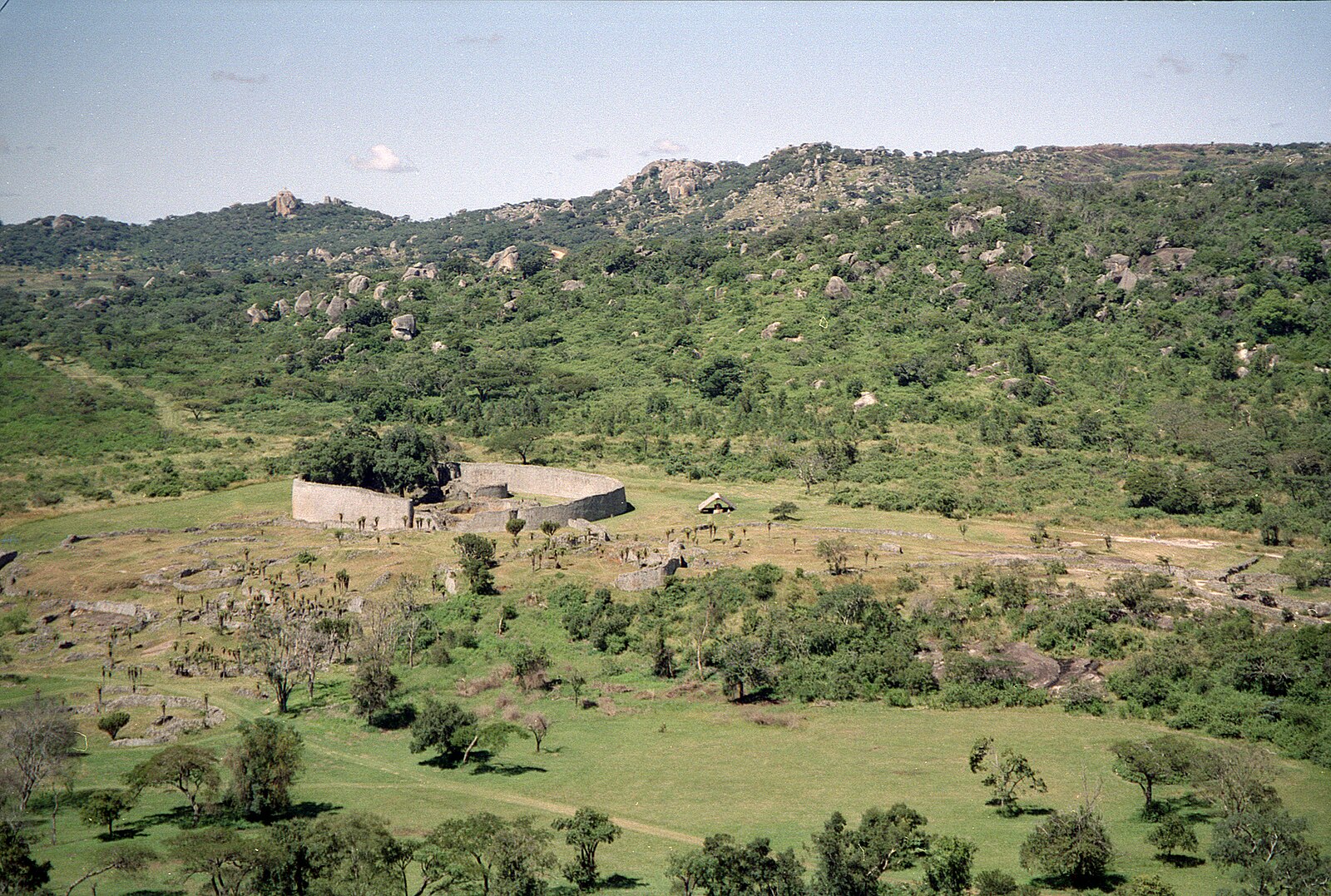
The presidency sets the direction, and Emmerson Mnangagwa leads it. Foreign Minister Amon Murwira confirmed in September 2026 that the president will lead Zimbabwe’s delegation to a summit in Moscow.
A constitutional amendment passed by Parliament in June 2026 would change the political clock. The National Assembly approved it by 216 votes to 42, and the Senate by 75 to four on Wednesday, 24 June 2026.
The amendment extends presidential and parliamentary terms from five years to seven and moves the next election from 2028 to 2030. It also has Parliament, rather than voters, choose future presidents, and it required the president’s signature, whose date could not be confirmed.
Critics call it a constitutional coup, and Human Rights Watch said in March 2026 that opponents were threatened and beaten. The government says no referendum is needed.
Succession shapes foreign policy because rival camps court different backers. Vice-President Constantino Chiwenga, a retired general, has opposed the extension, according to the International Crisis Group.
The businessman Kudakwashe Tagwirei is a second power centre. Mnangagwa named him Minister of Economic Development and Investment Promotion on Thursday, 8 October 2026.
Tagwirei and his company Sakunda Holdings remain on the US Global Magnitsky sanctions list, and Britain sanctioned him in July 2021. The minister now courting foreign investors is therefore someone US companies are barred from dealing with.
The United States, Sanctions and a Health-Aid Break
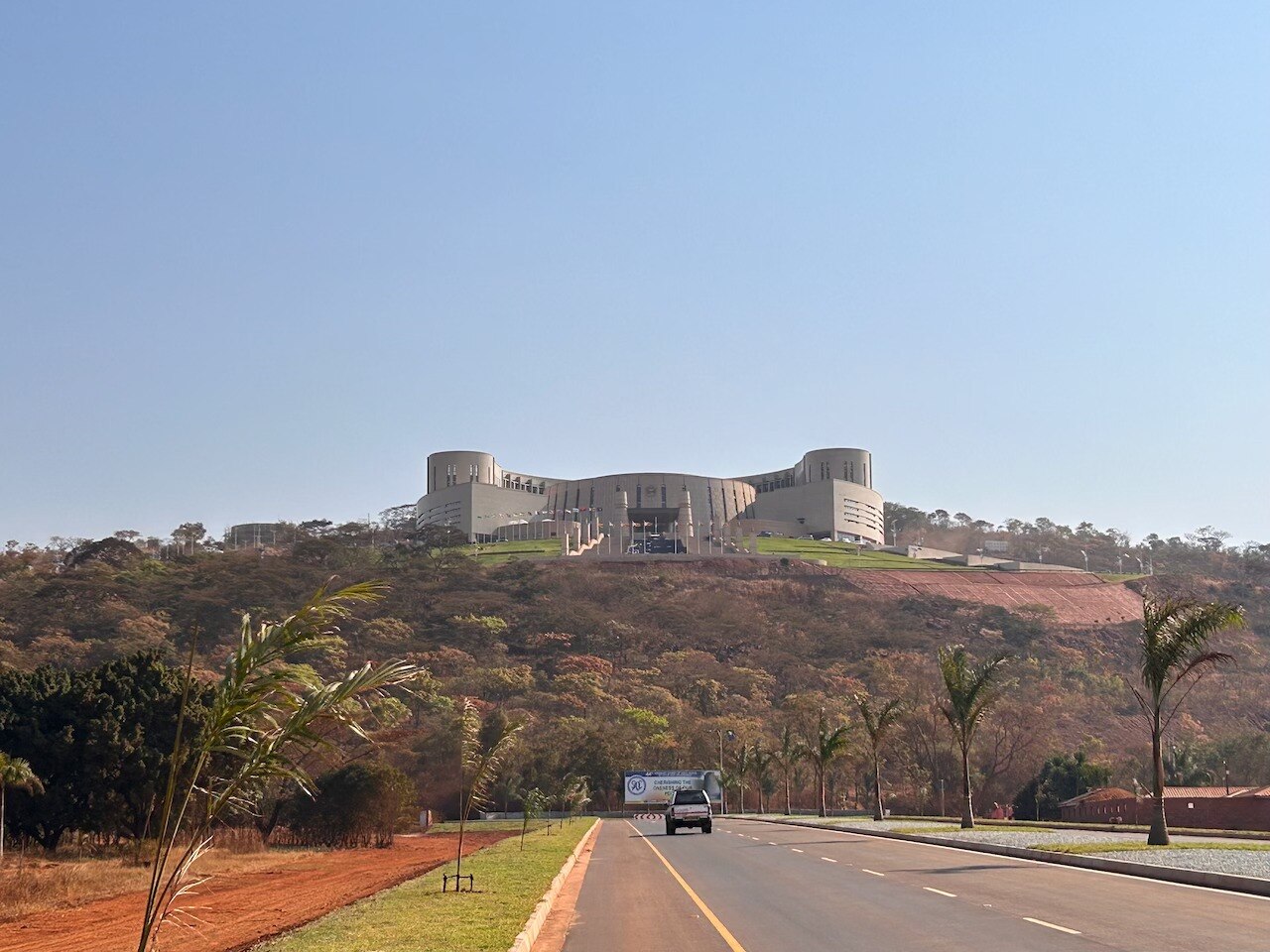
The United States ended its Zimbabwe sanctions programme on Monday, 4 March 2024, when President Joe Biden revoked the national emergency behind it. On the same day the Treasury designated 11 people and three entities under its Global Magnitsky programme.
Those named include Mnangagwa, his wife Auxillia, Chiwenga, Tagwirei and the firm Sakunda Holdings. The Treasury cited corruption and serious human rights abuse, and Harare rejects Western sanctions as politically motivated.
The Treasury said the sanctions were not meant to target the people of Zimbabwe. US companies may still trade with Zimbabweans and firms that are not on the list, the State Department says.
There is no US-Zimbabwe investment treaty or free trade agreement. A framework with the regional bloc COMESA, the Common Market for Eastern and Southern Africa, gives US investors only limited protection.
Health aid was a bilateral link for more than 20 years, and it has now ended. In September 2026 the US announced it would stop all health funding after Zimbabwe declined a bilateral health agreement.
Ambassador Pamela Tremont said Washington respects Zimbabwe’s sovereign decision and wants a relationship built on trade and investment. Harare had claimed the deal sought health data and minerals, but documents obtained by the outlet New Zimbabwe indicated otherwise.
Mnangagwa then courted American investors in New York during the UN General Assembly in September 2026. A business forum and an investor meeting highlighted mining, tourism and financial services, according to the Foreign Policy Research Institute.
Washington is therefore pressing Harare on two fronts at once: sanctions on its inner circle and an invitation to invest. One analyst at that think tank argues Zimbabwe is not central to US Africa strategy and will not drop Beijing.
China, Trade Partner and Lithium Investor
China-Zimbabwe trade hit a record US$4.4 billion in 2025, up 15.2 percent on 2024. The figure comes from Chinese customs data cited by China’s ambassador, Zhou Ding, in June 2026.
Published splits between Zimbabwe’s exports to China and its imports vary, so only the headline total is used here. Zimbabwe’s traditional exports to China are minerals and tobacco, and growers are adding macadamia nuts, citrus, avocados and blueberries.
The political bond dates from the liberation war. Mnangagwa attended the Victory Day parade in Beijing on 3 September 2025, one of only two African leaders there, and met President Xi Jinping the next day.
The two governments upgraded ties to an “all-weather community with a shared future”. The South China Morning Post carried the account on 17 September 2025.
Chinese money is most visible in lithium. Zhejiang Huayou Cobalt runs the Arcadia project near Harare, where a sulphate plant cost about US$400 million, according to industry data cited by Further Africa.
Sinomine Resource Group is building a lithium sulphate plant at Bikita with planned capacity of 100,000 tonnes a year. Chengxin Lithium and Sichuan Yahua are linked to the Sabi Star and Kamativi projects.
The State Department says investors from China, Russia and Iran operate in reserved strategic industries. They have mostly bought existing companies or supplied equipment and spares on credit.
Zimbabwe has negotiated investment treaties with 35 countries but ratified 12, including with China and Russia. The United States has no such treaty with Zimbabwe.
Russia, Old Ties and a Moscow Summit
Russia’s ties with Zimbabwe also date from the liberation struggle, when Moscow backed African liberation movements. Putin noted in May 2025 that 2026 marks 45 years of diplomatic relations.
Putin received Mnangagwa in the Kremlin on Saturday, 10 May 2025, and called Zimbabwe a reliable partner on the African continent. He described trade as modest, with room to grow in geological exploration, energy and agriculture.
He said 460 Zimbabwean students were studying at Russian universities and thanked Mnangagwa for backing Russian initiatives at the UN. The Kremlin transcript mentions no signed agreements.
A new Russian ambassador, Sergei Berdnikov, presented his credentials on 25 June 2026. Mnangagwa called Russia a reliable and strategic ally and named mining, agriculture and technology transfer as areas to work on.
The next test is the third Russia-Africa Summit in Moscow on 28 and 29 October 2026. Zimbabwe’s foreign ministry says Mnangagwa will lead the delegation, as he did at the 2019 Sochi and 2023 St Petersburg summits.
Zimbabwe abstained when the UN General Assembly voted on a resolution about the war in Ukraine on 24 February 2025. Al Jazeera’s tally lists it among 24 African abstainers.
Little verified reporting shows Russian arms deliveries or bases in Zimbabwe. Russian interest, on the evidence above, centres on minerals, energy, farm machinery and diplomatic support.
The European Union and Britain
The European Union has pared back its Zimbabwe measures. On Tuesday, 17 February 2026, the Council lifted all provisions allowing travel bans and asset freezes under the Zimbabwe framework.
The Council renewed the arms embargo for one year, to 20 February 2027. In February 2025 it had delisted one entity under the same framework.
Britain sanctioned Tagwirei in July 2021 over alleged profiteering from treasury bills and added a director-disqualification measure in April 2025. Those are the grounds given for the designation, and Harare rejects Western sanctions.
The EU and the US remain significant trade and aid partners despite long political differences, the Foreign Policy Research Institute notes. No EU trade or aid figure for Zimbabwe could be confirmed for this guide.
Gulf States, Turkey, India and BRICS
The United Arab Emirates is described as an important economic partner that links Zimbabwe to Gulf markets. No verified figures on UAE trade or investment were available for this guide.
India has invested in manufacturing and agro-processing and cooperates with Zimbabwe on technical education and agriculture. No investment total could be confirmed.
Turkey and Saudi Arabia have no confirmed Zimbabwe-specific agreements in the sources reviewed, so there is little to report. Iran appears only as one of the investors in reserved strategic industries.
Zimbabwe does not appear on the BRICS website’s lists of members or partner countries, which name 11 members and nine partners. BRICS is the bloc that includes China, Russia, India, South Africa and the UAE.
Evidence for these partners is thin, as of October 2026. Claims of large Gulf or Indian deals deserve caution until contracts are published.
Africa, SADC and the United Nations
The Southern African Development Community, or SADC, lists 16 member states including Zimbabwe. It is the main regional forum for trade, security and elections diplomacy.
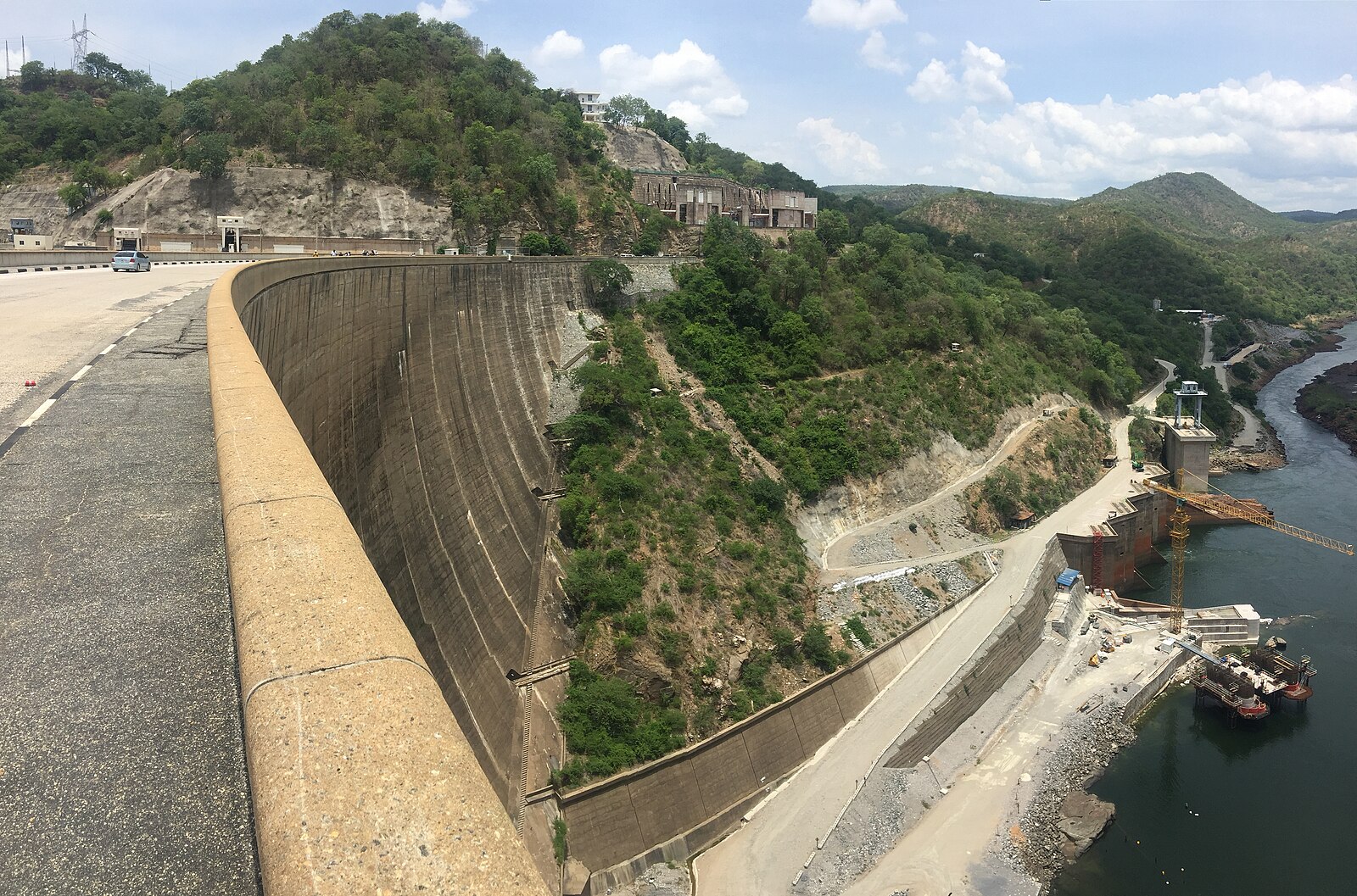
Neighbours matter for trade routes and for politics. The Victoria Falls Bridge links Zimbabwe with Zambia, and the Kariba Dam on the Zambezi serves both countries.
Zimbabwe is also bidding to host the African Union’s 2027 Mid-Year Coordination Meeting. Gabon and Liberia are rival bidders, and Gabon’s Vice-President Alexandre Barro Chambrier delivered a message to Mnangagwa in Harare on Thursday, 15 October 2026.
Murwira argues that the rotation system makes 2027 Southern Africa’s turn, after Egypt hosts in 2026. Southern African states have backed Zimbabwe as their single candidate, and no AU decision had been reported by 16 October 2026.
At the UN, Zimbabwe will hold a non-permanent Security Council seat in 2027 and 2028, alongside Austria, Kyrgyzstan, Portugal and Trinidad and Tobago. Its February 2025 abstention on Ukraine is the best guide to how it may vote.
Minerals and Debt: What Each Power Wants
Lithium is the clearest example. Zimbabwe produced 2.4 million tonnes of lithium concentrate in 2024, making it Africa’s top producer, according to Ecofin Agency.
Then Mining Minister Winston Chitando announced on 10 June 2025 that all lithium concentrate exports would be banned from January 2027. In February 2026 the government suspended concentrate exports, and in April it allowed a quota-based resumption for producers that commit to building domestic plants.
On Friday, 9 October 2026, Information Minister Nick Mangwana said there was no reason to delay the January 2027 start and rejected industry requests for an extension. Further Africa adds that Huayou’s Arcadia was the only operating lithium sulphate plant in September 2026.
The rule weighs most on the Chinese-run projects named above. Any non-Chinese buyer wanting Zimbabwean lithium will meet the same processing requirement.
Debt is the other lever. The IMF approved a 10-month, non-financing staff-monitored programme on 16 April 2026 and reached staff-level agreement on its second review on Thursday, 17 September 2026.
The IMF said all targets through June 2026 were met except one on social and priority spending. It also said inflation fell to 4.4 percent in March 2026.
Finance Minister Mthuli Ncube led a delegation to the IMF and World Bank meetings in Bangkok on 12 to 18 October 2026 to press lenders on a debt deal. The State Department also lists a US$3.5 billion compensation deed from July 2020 for white farmers who lost land, with about US$3.2 billion still owed as of September 2025.
It adds US$146 million owed to 94 foreign farmers under investment protection agreements. The first US$20 million was paid in February 2025.
What It Means for US Readers
For investors, the first rule is sanctions screening. Tagwirei and Sakunda Holdings sit on the US Global Magnitsky list, and a minister with that status now oversees investment promotion.
Zimbabwe has no US investment treaty, and the lithium rules mean raw ore will stop leaving the country after January 2027. US and European buyers may need to buy processed products from Chinese-run plants.
For Americans living in or visiting Zimbabwe, the end of US health funding is the practical change. Health programmes the US supported for more than 20 years are being handed to the Ministry of Health and Child Care, and the embassy in Harare will stay open.
For readers following US-Africa policy, Zimbabwe shows the limits of pressure. Washington sanctions the inner circle while courting investors, and Harare answers by keeping China, Russia and other partners close.
What Is Not Known
It is not known who will succeed Mnangagwa, or whether Tagwirei will seek the presidency, since he has not declared an ambition. Nor could the date of the president’s signature be confirmed, or whether Chiwenga will accept the new timetable.
It is not known whether Washington will respond to Tagwirei’s appointment with new measures or relax any listing. No such step had been announced as of 19 October 2026.
The size of Chinese loans to Zimbabwe and of Russian investment could not be confirmed from public sources. Reported figures for Zimbabwe’s exports to China also differ.
Whether the January 2027 lithium rule will hold, or be delayed again, is open. It is also unknown what the Moscow summit will produce for Zimbabwe, or how the African Union will rule on 2027.
Connected Coverage
- All Rio Times coverage of Zimbabwe
- Zimbabwe Faces 2 Rivals in AU Summit Bid
- Zimbabwe Lithium Export Earnings Jump 229.8% to US$782 Million
- Zimbabwe ZiG Holds at 26 per Dollar on Gold Reserves
- Zimbabwe Says 720 Tonnes of Lithium Ore Left on Forged Papers
- Africa’s Critical Minerals 2026: Who Holds What and Why
Frequently Asked Questions
Is Zimbabwe under US sanctions?
The US ended its Zimbabwe sanctions programme on 4 March 2024 but designated 11 people and three entities under its Global Magnitsky programme the same day. They include President Emmerson Mnangagwa, Vice-President Constantino Chiwenga and the businessman Kudakwashe Tagwirei.
Who are Zimbabwe’s main foreign partners?
China is the largest documented economic partner, with record two-way trade of US$4.4 billion in 2025. Russia offers political backing, while the EU, the US, India and the UAE are smaller or less documented partners.
What did the 2026 constitutional amendment change?
The amendment extends presidential and parliamentary terms from five years to seven and moves the next election from 2028 to 2030. It also has Parliament, rather than voters, choose future presidents.
Why is Zimbabwe banning lithium concentrate exports?
The government wants lithium processed at home before it is sold. Exports of all lithium concentrate are due to stop in January 2027, and producers must commit to building domestic processing plants.
Is Zimbabwe a member of BRICS?
Zimbabwe does not appear on the BRICS website’s lists of members or partner countries. The site names 11 members and nine partner countries.
Has the United States cut aid to Zimbabwe?
In September 2026 the US announced it would end all health funding after Zimbabwe declined a bilateral health agreement. Ambassador Pamela Tremont said Washington wants a relationship built on trade and investment.
What role will Zimbabwe play at the United Nations?
Zimbabwe will hold a non-permanent seat on the UN Security Council in 2027 and 2028. Austria, Kyrgyzstan, Portugal and Trinidad and Tobago join it on the Council for the same term.
Sources: US Treasury, Zimbabwe sanctions, 4 March 2024; US State Department, 2026 Investment Climate Statement: Zimbabwe; Council of the EU, 17 February 2026; IMF, press release of 16 April 2026; International Crisis Group, 1 June 2026; Kremlin, meeting of 10 May 2025; UN Security Council, elected members; BRICS website, members and partners; Foreign Policy Research Institute, October 2026; The Herald (Harare), 25 June 2026; The Herald (Harare), 16 October 2026; New Ziana, 10 September 2026; The Herald via Zimbabwe Situation, 26 June 2026; New Zimbabwe via allAfrica, 23 September 2026; Nehanda Radio, 8 October 2026; Further Africa, 13 October 2026; Ecofin Agency, 12 June 2025; South China Morning Post, 17 September 2025; Al Jazeera, 24 June 2026; Al Jazeera, 25 February 2025; Business Explainer, 15 October 2026; Africa business report on the IMF second review, 18 September 2026; SADC Secretariat. All accessed 19 October 2026.
This article was produced by The Rio Times’ automated newsroom system. How we use AI · Report an error · Editorial responsibility: Matthias Camenzind, Editor-in-Chief