Munhumutapa Day Shut Zimbabwe for the First Time, on the President’s Birthday
Zimbabwe · Politics
Key Facts
- —What was observed A new Zimbabwean public holiday on 15 September, closing offices, schools and consulates abroad.
- —When it became law Six days ago. The statutory instrument was gazetted on 9 September 2026.
- —Whose birthday it is Emmerson Mnangagwa, Zimbabwe’s president, who turned 84 on Tuesday.
- —Where the name comes from The Mutapa empire, whose rulers held the title Munhumutapa from the fifteenth century.
- —Who started it The youth wing of the governing party, which began marking the date in 2024.
- —The wider change Zimbabwe abolished direct election of its president in July, and extended terms to seven years.
Zimbabwe closed on Tuesday for a holiday that did not legally exist last week. It carries the title of a pre-colonial empire and the date of the sitting president’s birth.
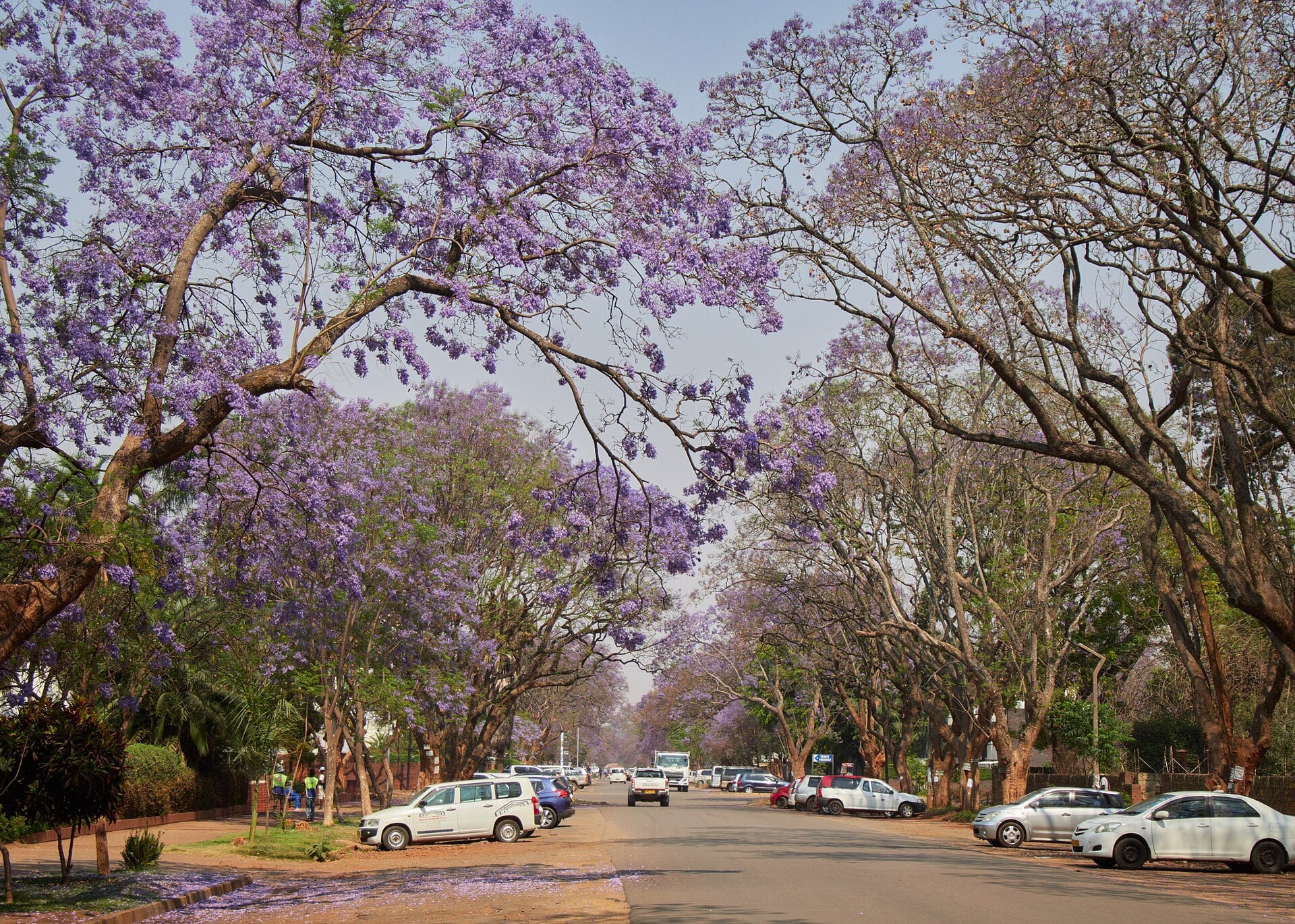
Zimbabwe observed Munhumutapa Day for the first time as a statutory public holiday on Tuesday. The instrument creating it was gazetted six days earlier.
A Holiday Six Days Old
Statutory Instrument 148 of 2026 declares that the fifteenth of September, every year henceforth, shall be a public holiday. It was published in an extraordinary government gazette on 9 September.
The legal basis is the Public Holidays and Prohibition of Business Act. Offices, schools and Zimbabwean consulates abroad closed, including the mission in Johannesburg.
The date is not incidental. Emmerson Mnangagwa was born on 15 September 1942 in Zvishavane, and turned 84 on Tuesday.
The main commemoration was held at Mvurwi in Mashonaland Central. Organisers laid on 260 buses and expected 30,000 young people, with attendance projected above 100,000.
Last year’s event was at Zvishavane in the Midlands. The commemoration rotates through Zimbabwe’s ten provinces.
Where the Name Comes From
Munhumutapa, also rendered Mwenemutapa, was the title borne by the rulers of the Mutapa empire. That state dominated the plateau between the Zambezi and the Limpopo from roughly the fifteenth century.
The empire is a genuine anchor of Zimbabwean national identity, predating Portuguese contact and British settlement. Using it for a birthday is what the argument is about.
The observance began with the youth wing of the governing party in 2024. It marked what the wing called the president’s leadership towards a 2030 development target.
Tuesday was the third commemoration. It was the first with legal force behind it.
The Constitutional Change Behind It
A new holiday would be a minor story on its own. It arrives two months after a change to how Zimbabwe chooses its president.
The third amendment to the constitution was signed into law on 7 July 2026. It passed the National Assembly by 216 votes to 42 and the Senate by 75 to four.
The amendment abolishes direct popular election of the president. The office is now filled by a joint sitting of parliament, requiring more than half of valid votes.
It also extends presidential, parliamentary and local terms from five years to seven. A transitional provision applies that longer term to the sitting president.
The practical effect is that the election due in 2028 now falls in 2030. The amendment also enlarges the Senate by ten appointed seats and alters how judges are chosen.
What Critics Say
Nelson Chamisa, the main opposition figure, called the pattern totally unacceptable in remarks on 12 September. He compared the trajectory to Robert Mugabe’s and to Ian Smith’s before that.
He also dismissed talk of Mnangagwa staying to 2035 as a fantasy with very short legs. That horizon has been floated within the governing party.
Others put it more bluntly on Tuesday. One Harare resident quoted by a regional agency said the president wanted to crown himself king.
Supporters make a different case. The Mutapa reference, on that reading, reclaims a pre-colonial history that colonial rule wrote out.
What It Adds Up To
Zimbabwe now has a holiday that honours a living head of state by date and a vanished empire by name. Neither element is unusual on its own.
What is unusual is the sequence. A constitutional amendment in July removed direct presidential elections.
A national holiday on the president’s birthday followed in September. The two read as one movement rather than as separate decisions.
The next scheduled national vote is in 2030, and parliament will decide who holds the office. Munhumutapa Day will be observed four more times before then.
More: Africa coverage, every day from The Rio Times.
Frequently Asked Questions
What is Munhumutapa Day?
It is a Zimbabwean public holiday observed on 15 September, created by Statutory Instrument 148 of 2026 and gazetted on 9 September 2026. Tuesday 15 September 2026 was its first observance as a statutory holiday, although the governing party’s youth wing has marked the date since 2024.
Why 15 September?
It is the birthday of President Emmerson Mnangagwa, born in Zvishavane on 15 September 1942. He turned 84 on the day of the first official observance.
What was the Mutapa empire?
It was a southern African state that dominated the plateau between the Zambezi and Limpopo rivers from around the fifteenth century, whose rulers held the title Munhumutapa or Mwenemutapa. It predates both Portuguese contact and British settlement, and is a central reference point in Zimbabwean national history.
Has Zimbabwe changed how it elects a president?
Yes. A constitutional amendment signed on 7 July 2026 ended direct popular election of the president, transferring the choice to a joint sitting of parliament, and extended terms from five years to seven. A transitional provision applies the longer term to the sitting president, moving the next presidential vote from 2028 to 2030.
Sources: Veritas Zimbabwe on Statutory Instrument 148 of 2026, NewZimbabwe on the declaration of the holiday, Zimbabwe Situation on the Mvurwi commemoration, Jurist on the constitutional amendment passing the National Assembly, ConstitutionNet on the amendment and executive consolidation, CAJ News Africa on Tuesday’s commemoration and the criticism of it
This article was produced by The Rio Times’ automated newsroom system. How we use AI · Report an error
Read More from The Rio Times