Who Runs Zimbabwe’s Economy, the Key Players in 2026

ZIMBABWE · ECONOMY
Key Facts
- —What is happening Zimbabwe’s economy is forecast to grow 5.0% in 2026 after 8.3% in 2025, and the central bank cut its policy rate to 27.5% on 28 September 2026.
- —Why it matters Gold, platinum metals, lithium and tobacco lead export earnings, so a handful of ministries, regulators and mining groups control the dollars that stand behind the ZiG currency.
- —The numbers ZiG inflation was 3.7% in September 2026, exports are projected at US$12.5 billion for the year, and reserves backing the ZiG passed US$2 billion in September.
- —Who is who Finance Minister Mthuli Ncube writes the budget, businessman Kudakwashe Tagwirei became Economic Development Minister on 12 October 2026, and Governor John Mushayavanhu runs the Reserve Bank.
- —What to watch Mines Minister Polite Kambamura suspended raw-mineral exports on 25 February 2026, and a 10-month IMF monitoring programme, which carries no loan, is under way.
- —What it means for you US investors reach Zimbabwe through Caledonia Mining’s Blanket gold mine and Sibanye-Stillwater’s Mimosa platinum stake, and the ZiG traded near 26.63 per US$1 on 20 October 2026.
From the presidency to the mines ministry, these are the people and firms steering Zimbabwe’s money. Here is who holds the levers in October 2026.
The Zimbabwe economy is run in October 2026 by President Mnangagwa’s government, the Reserve Bank and a mines ministry that controls exports. A short list of miners, banks and listed companies is profiled below.
Gold earned about US$2.2 billion of the US$4.45 billion Zimbabwe exported from January to May 2026, the Treasury’s mid-term review shows. More coverage sits on the Rio Times Zimbabwe page.
Conversions in this guide use ZiG26.63 per US$1, the open.er-api.com rate of 20 October 2026 (00:02 UTC). It sits inside the ZiG25 to ZiG27 range the Reserve Bank reported for 2026.
How the Zimbabwe Economy Is Run
Emmerson Mnangagwa of the ruling ZANU-PF party has been president since November 2017. Party politics, term limits and sanctions are covered in Zimbabwe explained and Zimbabwe geopolitics.
These office holders matter most for money. The details come from the Treasury, the Reserve Bank and the ministries.
- Mthuli Ncube, Minister of Finance. He presented the 2026 mid-term budget review on Thursday, 30 July 2026, and ruled out a supplementary budget.
- Kudakwashe Tagwirei, Minister of Economic Development and Investment Promotion, a ministry split from finance on 8 October 2026. The businessman, a senator, was sworn in on Monday, 12 October 2026, 263Chat reported.
- John Mushayavanhu, Governor of the Reserve Bank of Zimbabwe. He signed the Monetary Policy Committee resolutions of 28 September 2026.
- Polite Kambamura, Minister of Mines and Mining Development. His ministry announced the suspension of raw-mineral exports on 25 February 2026, Equity Axis reported.
- Emmanuel Matsvaire, chief executive of the Tobacco Industry and Marketing Board (TIMB). The board regulates the country’s biggest crop export.
The 2026 budget projects revenue of ZiG288 billion (about US$10.8 billion) and spending of ZiG290.9 billion (about US$10.9 billion). Revenue in the first half of 2026 was ZiG137.8 billion (about US$5.2 billion), the Treasury said.
Value-added tax supplied 28.3% of revenue, personal income tax 16.6% and corporate tax 13.8%. Real output grew 6.8% in the first quarter of 2026, according to the review.
Output grew 8.3% in 2025, when agriculture rose 27.9% and mining 10.4%, the Treasury’s tables show. For 2026 it projects 5.0% growth, with mining up 5.6% and agriculture up 6.9%.
The Reserve Bank, the ZiG and the Debt
The Reserve Bank of Zimbabwe (RBZ) issues the ZiG, short for Zimbabwe Gold, which replaced the old local dollar in April 2024. Its Monetary Policy Committee cut the policy rate from 30% to 27.5% on Monday, 28 September 2026.
That brings the total reduction since June 2026 to 7.5 percentage points. The bank says this realigns the rate with observed inflation and does not signal monetary easing.
Annual ZiG inflation fell to 2.9% in August 2026, its lowest since 1980, and rose to 3.7% in September. The bank expects inflation to stay below 7% by the end of 2026.
Foreign-currency reserves backing the ZiG passed US$2 billion in September 2026, about two months of imports. Foreign-currency inflows rose 37.8% to US$14.3 billion from January to August, the bank reports.
The Treasury cites usable reserves, which were US$1.6 billion at the end of June 2026, or 1.6 months of imports. The two figures are different measures, and the sources checked do not reconcile them.
The bank put the current-account surplus at US$1.1 billion for the first half of 2026. It projects US$3.5 billion for the full year.
Public and publicly guaranteed debt was ZiG580.9 billion (about US$21.8 billion) at the end of June 2026, the Treasury review shows. The state paid US$170 million on external debt in the first half.
Zimbabwe is in a 10-month IMF Staff-Monitored Programme, which monitors policy and gives no loan. The RBZ says every target was met in two reviews, and the ZiG’s gold-backed reserves are covered separately.

Gold, Platinum and Lithium: The Mining Groups
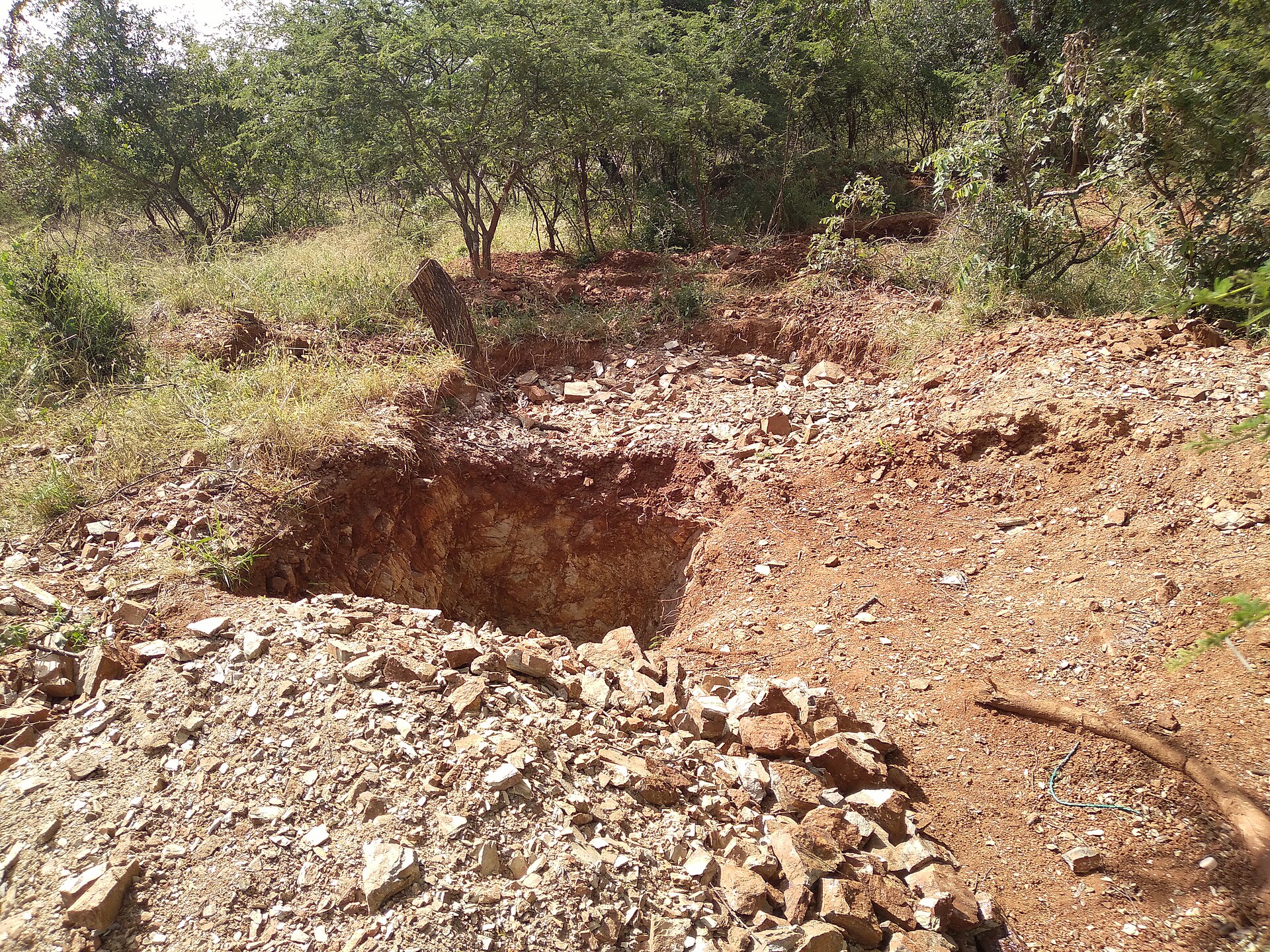
Mining is the engine of the economy, and the state controls the licences, royalties and export rules. The Treasury projects gold output of 55.6 tonnes in 2026, up from its initial projection of 50 tonnes.
Gold output from January to June 2026 was 21,397.6 kilograms, up 5.2%, the review shows. Platinum-group metals earned US$1.2 billion in the first half, up 74.1%.
On 25 February 2026 the mines ministry suspended exports of raw minerals, including platinum, chrome, nickel and lithium concentrates, Equity Axis reported. Companies with valid titles and approved processing plants may still export.
Lithium exports earned US$782.2 million in the first half of 2026, up 229.8%, the Treasury said. Spodumene concentrate brought US$671.7 million, and lithium sulphate, a new product, US$98.4 million; see Zimbabwe’s lithium export earnings.
The main operators are listed below, with what the sources checked confirm. Each figure carries its date and source.
- Zimplats, the platinum mine of South Africa’s Impala Platinum (Implats). Matte output was a stable 606,300 six-element ounces in the year to 30 June 2026, Implats reported on 31 July.
- Mimosa, a platinum mine in which Sibanye-Stillwater, listed in New York, holds an equity-accounted stake. Equity Axis reported on 23 February 2026 a projected 5% output fall to 117,019 ounces and a US$28.7 million write-down.
- Caledonia Mining, which owns 64% of the Blanket gold mine and says it produces about 75,000 ounces a year. Its Bilboes project is expected to begin production in late 2028, the company says.
- Sinomine (Bikita) and Huayou Cobalt (Arcadia) are Chinese lithium investors. Equity Axis reported plants worth US$500 million and US$400 million.
- RioZim plans to give up its Murowa diamond stake to ease debt. It is turning towards gold, Equity Axis reported on 31 March 2026.
Mining output depends on power, and electricity sent out reached 4,774.2 gigawatt-hours in the first half of 2026, 7.8% above target. A wider map of the continent’s minerals is in Africa’s critical minerals.
Tobacco, Farms and Remittances
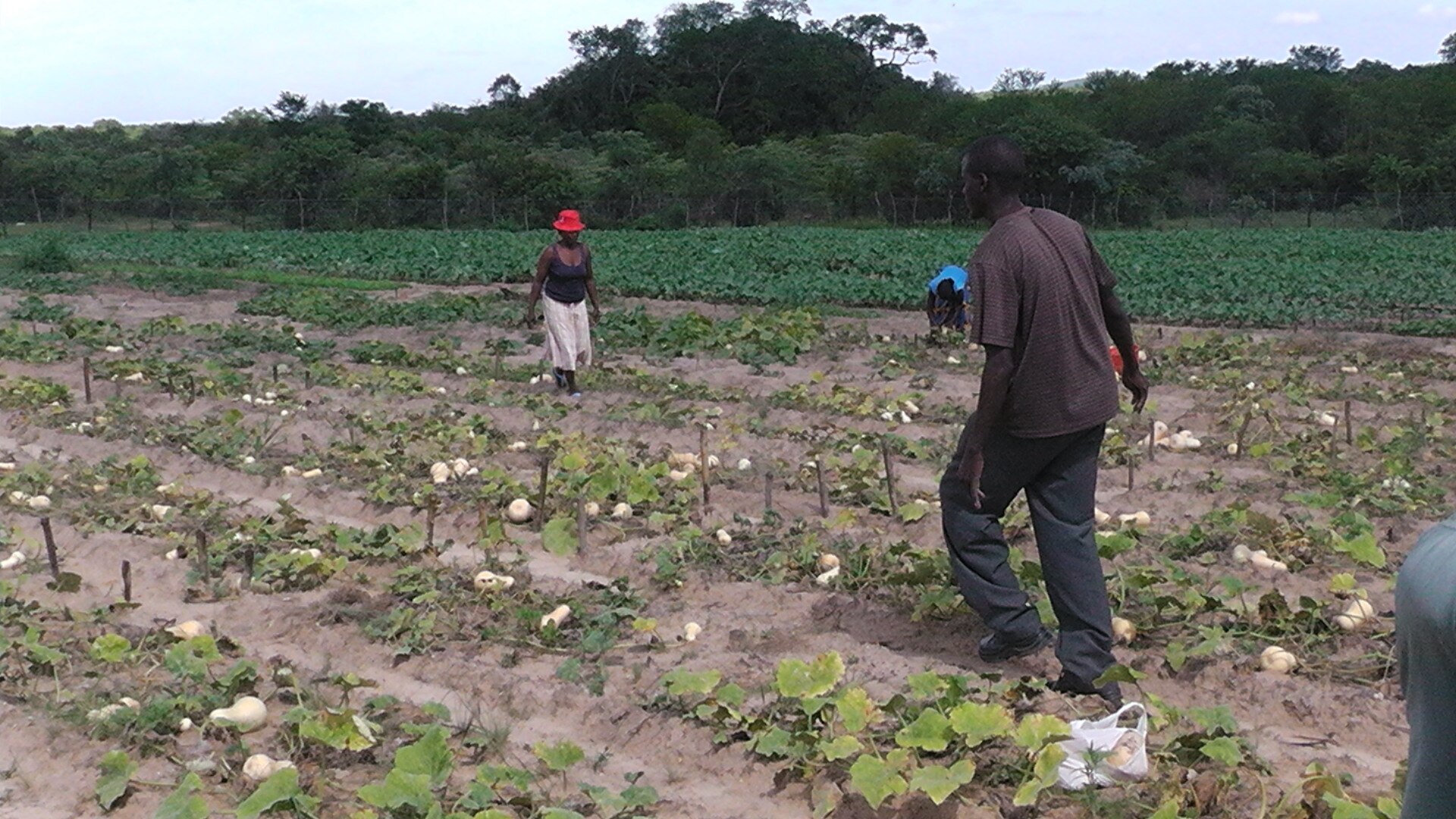
Tobacco is the biggest farm export, and the Herald reported record 2026 deliveries of 356.2 million kilograms, from TIMB data. Sales were worth about US$887.9 million by 29 July 2026.
By the same date in 2025, 351.3 million kilograms had sold for US$1.17 billion. The average price fell to about US$2.49 a kilogram, so a record harvest earned less.
The state targets 500 million kilograms by 2030. TIMB’s Emmanuel Matsvaire has warned that unregistered tobacco varieties threaten quality and market access.
Remittances sent home by Zimbabweans abroad were US$1.5 billion in the first half of 2026, up 41%. The surge helped lift the current-account surplus, the Treasury says.
A forecast El Niño threatens the 2026/27 farm season, the Reserve Bank and Treasury both say. The Treasury projects 2.4 million tonnes of maize for the 2025/26 season.
Banks and the Money Business
Banks held loans of about ZiG85 billion (about US$3.2 billion) at the end of June 2026. Deposits were ZiG148.1 billion (about US$5.6 billion).
About 90% of loans and 80% of deposits are in foreign currency, the Treasury says. The non-performing loan ratio was 3.6% at 31 March 2026, inside the 5% threshold.
The capital adequacy ratio was 29.1% on 31 March 2026. That is a cushion against loan losses.
Equity Axis reported in February 2026 that CBZ and Stanbic Bank Zimbabwe were co-lead arrangers of up to US$150 million for Bilboes. CBZ also backed a road, covered in CBZ’s US$100 million highway loan.
ZB Financial Holdings reported assets of ZiG14.67 billion (about US$551 million) in its 2026 half-year results. Arthur Matsaudza became chief executive of its ZB Bank unit on 1 October 2026.
The Treasury also plans to mobilise a US$400 million loan from local financial institutions for road works. It covers the Harare to Beitbridge, Harare to Chirundu and Bulawayo to Victoria Falls roads.
Listed Giants and Business Names
Two listed companies, in beer and telecoms, have each crossed US$1 billion in annual revenue. Both did so in their latest financial years.
- Delta Corporation, the beer and soft-drink group listed in Harare. Revenue for the year to 31 March 2026 was US$1.09 billion, up 35%, with operating income of US$209 million and a dividend of 5 US cents a share.
- Econet Wireless Zimbabwe, the largest mobile operator, whose brands include EcoCash. Revenue for the year to 28 February 2026 was US$1.104 billion, up 23%, and net earnings were US$229 million.
Delta’s chairman is Todd Moyo, and Econet Wireless Zimbabwe’s chairman is Dr James Myers, with Dr Douglas Mboweni as chief executive. Its mobile financial services revenue, the EcoCash business, was ZiG4.137 billion (about US$155 million), up 63%.
Business families and tycoons are harder to measure. The sources checked give no verified list of the richest, so this guide names no rankings.
One name matters most for US readers. Kudakwashe Tagwirei, linked to Sakunda Holdings, joined the cabinet on 12 October 2026.
OFAC’s 4 March 2024 update moved Tagwirei and Sakunda Holdings to its Global Magnitsky program; no later change was checked. US persons should check the OFAC list before any dealing.
State-owned companies, such as the power utility, the railway and the airline, are not profiled. No 2026 results for them were confirmed.
What It Means for US Readers
Caledonia Mining, traded in New York, depends on Zimbabwe’s licences, royalties and gold price for its Blanket mine. Sibanye-Stillwater’s Mimosa stake shows how power cuts and new export rules can erode miners’ results.
The raw-mineral export suspension affects the lithium chain that supplies battery makers. Chinese firms Sinomine and Huayou are building major lithium plants, so processing sits partly in Chinese hands.
For travellers and remote workers, the ZiG was near 26.63 per US$1 on 20 October 2026. ZiG inflation was 3.7% in September, but the central bank warns of oil and weather risks.
Sanctions rules apply to named individuals and firms, and a sanctioned businessman now sits in the cabinet. Foreign ties are in Zimbabwe geopolitics explained.
What Is Not Known
The sources checked do not give the Zimbabwe Stock Exchange’s market value in October 2026, or a ranking of its largest firms. Results for the power utility, the railway and the national airline were not confirmed.
Whether the export suspension of 25 February 2026 has been eased since is not confirmed. Nor is 2026 gold output beyond the Treasury’s projection of 55.6 tonnes.
No prediction market on Zimbabwe’s economy, the ZiG or inflation with real trading was found on 20 October 2026. The 2027 budget date and next IMF review date were not confirmed.
Two official sets of figures differ on reserves and on the first-half current account. This guide uses the Reserve Bank’s figures for the current account and names both reserve measures.
Frequently Asked Questions
Who controls Zimbabwe’s economic policy?
President Emmerson Mnangagwa’s government sets policy, Finance Minister Mthuli Ncube writes the budget, and Kudakwashe Tagwirei runs economic development. The Reserve Bank under Governor John Mushayavanhu sets interest rates.
What is Zimbabwe’s biggest export?
Gold earned about US$2.2 billion of US$4.45 billion in exports from January to May 2026. Platinum metals earned US$1.2 billion and lithium US$782.2 million in the first half.
What is Zimbabwe’s interest rate?
The policy rate is 27.5%, cut from 30% on 28 September 2026. Annual ZiG inflation was 3.7% in September 2026.
Who regulates Zimbabwe’s tobacco trade?
The Tobacco Industry and Marketing Board (TIMB), led by chief executive Emmanuel Matsvaire. Farmers delivered a record 356.2 million kilograms in 2026, worth about US$887.9 million by 29 July.
Is Zimbabwe still banning raw mineral exports?
The mines ministry suspended raw-mineral and lithium-concentrate exports on 25 February 2026, with firms owning approved processing plants exempt. Whether the rule has changed since is not confirmed.
What is the ZiG worth against the dollar?
About ZiG26.63 per US$1 on 20 October 2026, inside the ZiG25 to ZiG27 range the central bank reports for 2026. The US dollar still dominates many prices.
Is Zimbabwe in an IMF programme?
It is in a 10-month Staff-Monitored Programme, which monitors policy but carries no loan. The central bank says all targets were met in the first two reviews.
Sources: Reserve Bank of Zimbabwe, Monetary Policy Committee resolutions (28 September 2026); Treasury of Zimbabwe, 2026 Mid-Term Budget and Economic Review (30 July 2026, via tralac); Reserve Bank of Zimbabwe, MPC statements; US Treasury OFAC, recent actions (4 March 2024); Caledonia Mining; The Herald (tobacco deliveries, 31 July 2026); The Herald (policy rate, 29 September 2026); Equity Axis (raw mineral export suspension, 25 February 2026); Equity Axis (Sibanye and Mimosa, 23 February 2026); Equity Axis (Caledonia and Bilboes bank backing, 23 February 2026); Equity Axis (RioZim, 31 March 2026); Equity Axis (Delta Corporation results, 13 May 2026); Equity Axis (Econet results, 23 June 2026); Equity Axis (ZB Bank, 4 September 2026); Impala Platinum Holdings (production update, 31 July 2026); 263Chat via allAfrica (cabinet reshuffle, 8 October 2026); The Zambian Observer (swearing-in, 13 October 2026); Econet Wireless Zimbabwe; open.er-api.com (exchange rate) (all accessed 20 October 2026).
This article was produced by The Rio Times’ automated newsroom system. How we use AI · Report an error · Editorial responsibility: Matthias Camenzind, Editor-in-Chief
Part of our ongoing coverage
Africa: The New Scramble — the great-power contest over the continent.
Expat Guide to Zimbabwe
What The Rio Times publishes for foreigners who live in or move to Zimbabwe.
Start here
Understand Zimbabwe