Angola Explained 2026: Oil, Politics, the Economy and What to Watch
GUIDES · ANGOLA
Key Facts
- —Capital Luanda, founded by the Portuguese in 1576 on the Atlantic coast. Luanda province counted 8.8 million people in the 2024 census, almost one Angolan in four.
- —Population 36.6 million at the 2024 census, roughly the population of Poland. That is 10.8 million more than in 2014, growth of 3.5 percent a year.
- —Currency The kwanza (AOA). The central bank’s reference rate was 913 kwanzas to the US dollar on 24 September 2026, broadly stable since late 2024.
- —Language Portuguese is the official language and the mother tongue of 45.5 percent of Angolans, per the 2024 census. Umbundu and Kimbundu come next.
- —GDP About US$152 billion in 2026 on IMF projections, close to Bulgaria’s economy. That is about US$3,750 per person, and oil is over 90 percent of exports.
- —Government A presidential republic under the 2010 constitution. The winning party’s top candidate becomes president, for at most two five-year terms. The MPLA has ruled since 1975.
Angola explained from the ground up: who holds power, how oil pays the bills, and which dates count before the 2027 election.
Angola explained properly starts with continuity. The MPLA has governed since independence in 1975, and oil has paid most of the state’s bills since peace came in 2002. Both pillars now face a test, because President João Lourenço must hand over in 2027 while oil output slides.
What kind of country is this?
Angola sits on the Atlantic coast of southwestern Africa, bordered by Namibia, Zambia and the two Congos. At 1,246,700 square kilometres it is almost twice the size of Texas. A strip of Congolese land separates the oil-producing Cabinda exclave from the rest of the country.
Portugal ruled the territory for centuries, and it became a major hub of the Atlantic slave trade. Independence came on 11 November 1975, straight into civil war. The MPLA, backed by the Soviet Union and Cuba, fought UNITA, backed by the United States and South Africa.
Up to 1.5 million people may have died in more than a quarter-century of fighting, according to the CIA World Factbook. The war ended after government troops killed UNITA leader Jonas Savimbi on 22 February 2002. A ceasefire memorandum followed that April, but landmines still lie in parts of the country.
The country is young and growing fast. The 2024 census counted 36,604,681 people, up from about 25.8 million in 2014. Luanda province holds 24.1 percent of them, and the country is now divided into 21 provinces.
Who runs Angola and how
Angola is a presidential republic under the constitution of 2010. Voters do not elect the president on a separate ballot. The top candidate of the party that wins the National Assembly election becomes president, for up to two five-year terms.
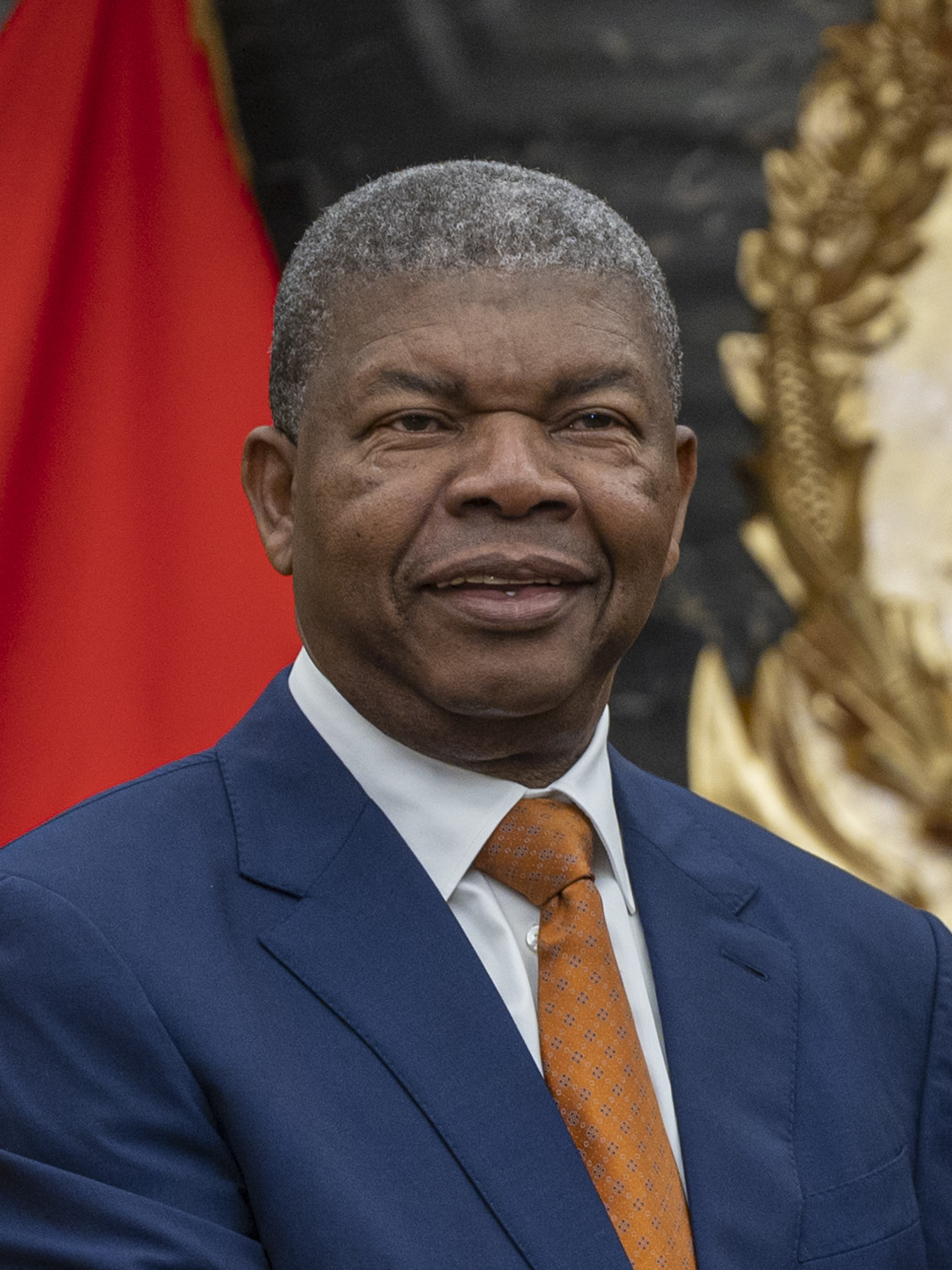
The MPLA, the once-Marxist Popular Movement for the Liberation of Angola, has held power since 1975. José Eduardo dos Santos led the country for 38 years, from 1979 to 2017. João Lourenço, a former defence minister, was sworn in on 26 September 2017.
Lourenço promised at his inauguration to fight corruption and end impunity. In November 2017 he removed Isabel dos Santos, the former president’s daughter, as chair of the state oil company Sonangol. For a period, dos Santos kept the MPLA leadership while Lourenço held the presidency.
The election of 24 August 2022 was the closest in Angola’s history. The MPLA won 51.17 percent and 124 of 220 seats, while UNITA took 43.95 percent and 90 seats, its best result. UNITA carried Luanda with 62.6 percent, and turnout was just 44.82 percent.
Lourenço is serving his second and final term. He is standing again for the MPLA leadership at the party congress on 9 and 10 December 2026. The choice of the party’s presidential candidate for 2027 is a separate process, and it has not been made.
Angolan media most often cite two possible heirs: Adão de Almeida, who presides over the National Assembly, and Interior Minister Manuel Homem. The main opposition figure is UNITA leader Adalberto Costa Júnior. Abel Chivukuvuku of the PRA-JA Servir Angola party is also cited as a likely contender.
How the economy works
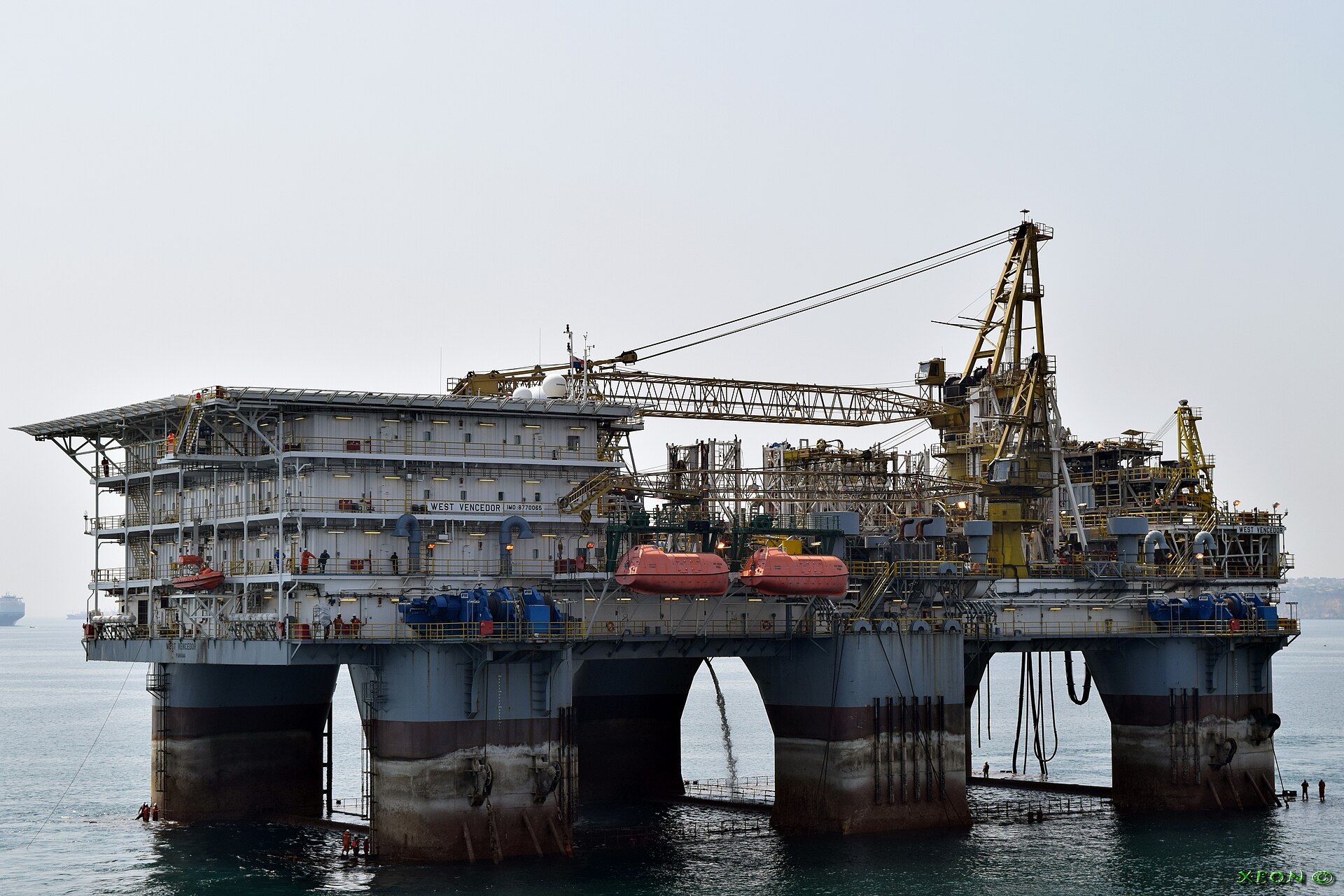
Oil is the engine. It supplies over 90 percent of exports and about 60 percent of government revenue, according to the International Monetary Fund (IMF). Nearly all of it is pumped offshore, by operators such as TotalEnergies, Azule Energy, Chevron and ExxonMobil.
Output is in long decline as deepwater fields age. Production fell from 1.10 million barrels a day in 2024 to 1.03 million in 2025, the IMF says. First-half 2026 output averaged 1.032 million, below the budgeted 1.05 million, per the National Oil, Gas and Biofuels Agency (ANPG).
Angola announced on 21 December 2023 that it would leave the Organization of the Petroleum Exporting Countries (OPEC), effective 1 January 2024. The group had cut Angola’s production quota to 1.11 million barrels a day. Oil minister Diamantino Azevedo said staying would force cuts, and that Angola gained nothing by remaining.
Outside oil, growth comes from farming, manufacturing, trade and diamonds. The non-oil economy grew 5.2 percent in 2025, lifting total growth to 3.1 percent despite lower oil output, the IMF reports. The national statistics institute (INE) put second-quarter 2026 growth at 8.74 percent year on year.
The kwanza is the pressure valve, squeezed when oil income drops and debt payments rise. It fell from 506 kwanzas to the US dollar in mid-May 2023 to about 830 by July. The official rate has been broadly stable since October 2024 and stood at 913 on 24 September 2026.
Inflation followed the currency, peaking at 31 percent in July 2024. It fell below 10 percent in July 2026 and eased to 8.78 percent in August. The Banco Nacional de Angola (BNA), the central bank, has cut its policy rate to 14.75 percent as prices cooled.
Debt is the constraint. Public debt reached US$72 billion in June 2026, up from US$66 billion in December, according to the Public Debt Management Unit. The IMF put it at 51.3 percent of GDP in 2025 and sees it reaching the legal ceiling in the medium term.
China looms large in that debt. After the war, Chinese policy banks lent heavily for reconstruction, to be repaid with oil shipments. In March 2024 Lourenço said Angola owed Chinese creditors about US$17 billion, nearly 40 percent of its external debt.
The oil-backed part of the China debt had fallen to about US$6.8 billion by July 2026, said debt chief Dorivaldo Teixeira. The government aims to clear it by 2028 if oil prices stay high. Replacement borrowing on Western bond markets is more flexible but costs more.
Fuel subsidies are the other drain. They cost 3.7 percent of GDP in 2023, the World Bank estimates, and over half the benefit went to the richest fifth. Pump prices were frozen from 2016 until reform began in 2023.
Petrol rose from 160 to 300 kwanzas a litre (about US$0.18 to US$0.33 at today’s rate) in June 2023. Diesel went from 135 to 200 kwanzas (US$0.15 to US$0.22) in April 2024. It rose to 300 kwanzas (US$0.33) in March 2025 and to 400 kwanzas (US$0.44) in July 2025.
That July 2025 rise set off one of the most disruptive waves of protest in years. A three-day minibus-taxi strike began on 28 July and turned into riots and looting in Luanda and other provinces. The presidency counted 22 dead, including a police officer, 197 injured and 1,214 arrests.
What is happening right now
As of 25 September 2026, the succession inside the MPLA dominates politics. Lourenço’s bid to keep the party leadership has been validated for the December congress. A challenge from retired general Higino Carneiro has been blocked, at least for now.
The party’s candidacies subcommission rejected Carneiro’s bid in July, citing alleged forged signatures. The MPLA says only 2,561 of the 14,493 supporting forms it examined were valid. On 7 September the Constitutional Court refused to suspend that decision, noting that internal appeals were still open.
Carneiro said on 22 September that he would not withdraw and would fight inside party structures. Meanwhile officials are updating the voter roll until 31 March 2027. By 7 September, 1.63 million people had done so, out of more than 16 million expected.
The election machinery is contested too. The National Electoral Commission (CNE) picked the Spanish firm Indra for voting technology and logistics. The opposition Liberal Party has asked the Supreme Court to annul that award.
In the economy, high oil prices are a windfall with a sting. Brent crude averaged US$118.4 a barrel in March 2026, according to Banco de Fomento Angola, and traded near US$101 on 10 September. The 2026 budget assumed only about US$61.
Those prices also swell the fuel subsidy bill. Finance Minister Vera Daves de Sousa told Lusa in September it could reach 2.48 percent of GDP, against 0.9 percent budgeted. She said full removal must wait until cash transfers reach urban areas.
Inflation, by contrast, keeps falling. On 15 September the central bank cut its policy rate to 14.75 percent and raised its 2026 growth forecast to 6.15 percent. An IMF team that ended a mission on 9 September warned that the favourable climate had slowed reform.
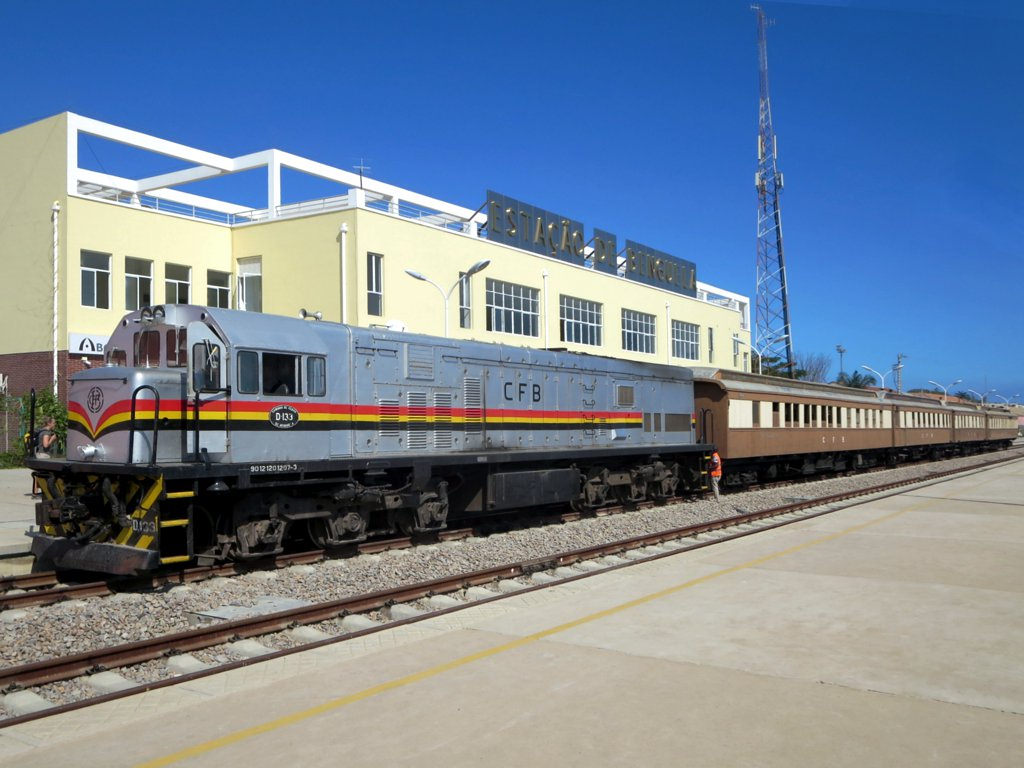
The Lobito Corridor is a railway of about 1,300 kilometres from the Atlantic port of Lobito to Luau, on the Congolese border. Lobito Atlantic Railway, a venture of commodity trader Trafigura and builder Mota-Engil, has run it since 2024 under a 30-year concession. It carries copper and cobalt from Congo toward the Atlantic.
Financing of US$753 million closed in June 2026. The US International Development Finance Corporation (DFC) lent US$553 million over 15 years, and the Development Bank of Southern Africa US$200 million. The DFC expects capacity to rise ten-fold to 4.6 million tonnes and mineral transport costs to fall by up to 30 percent.
Washington backs the corridor partly to counter China’s commercial edge in the region. Joe Biden visited Lobito on 4 December 2024, on the first trip by a sitting US president to Angola. The Africa Finance Corporation hopes to finance a new link of about 515 kilometres into Zambia by the end of 2027.
What to watch
The MPLA calendar comes first. Leadership candidacies close on 25 October, and validity notices follow between 2 and 5 November. The internal campaign runs to 7 December, before the congress meets in Luanda on Wednesday 9 and Thursday 10 December 2026.
Two fiscal dates follow. The 2027 budget proposal must reach the National Assembly by 31 October; watch its oil price assumption and its subsidy line. The IMF’s executive board is due to discuss its post-financing assessment of Angola in November.
The central bank’s rate committee meets next on 16 and 17 November in Saurimo. The BNA expects inflation of 8.6 percent at the end of 2026, so each monthly INE release matters. The ANPG’s monthly figures show whether oil output holds above 1 million barrels a day.
The voter-roll update closes on 31 March 2027, and registration abroad opens in January 2027. The electoral law prefers the second half of August for the vote, but no date has been set. The president calls the election after consulting the CNE and the Council of the Republic.
What this means for foreigners
Tourists from 98 countries need no visa for stays of 30 days per entry and 90 days a year. The list includes the United States, Canada, the United Kingdom and all 27 European Union members. Work, study and residence need visas in advance, and US travellers may be asked for yellow fever vaccination proof.
Safety needs planning. The US State Department rates Angola at Level 2, “exercise increased caution”, and greater Luanda at Level 3 because of crime. Protests can flare with little notice, as July 2025 showed, and landmines remain in parts of the country.
For business, the currency and the calendar matter most. The IMF has urged “full and durable alignment” of the official kwanza rate with the market-clearing rate. Banco de Fomento Angola warns that spending pressure tends to rise in election periods, and 2027 is one.
The openings are in oil blocks, the Lobito Corridor and non-oil sectors. Angola explained in one line: an oil state ruled by one party since 1975, facing a succession nobody has settled.
Connected Coverage
Angola Oil Holds Above 1 Million Barrels a Day After Leaving OPEC
Sources: Population from the Instituto Nacional de Estatística (INE) 2024 census, inflation from INE, exchange and policy rates from the Banco Nacional de Angola, oil output from the ANPG, macroeconomic data from the IMF, election results from the National Electoral Commission, and entry rules from Presidential Decree 189/23 and the US State Department. All accessed 25 September 2026.
- INE Angola — final results of the 2024 General Population and Housing Census
- INE via ANGOP — consumer price inflation of 8.78 percent in August 2026
- Banco Nacional de Angola via ANGOP — policy rate cut to 14.75 percent, 15 September 2026
- Banco Nacional de Angola — reference exchange rates, 24 September 2026
- ANPG — oil production statistics, August 2026
- IMF — Angola 2026 Article IV staff report (Country Report 26/94)
- IMF — staff statement on the post-financing assessment mission, 9 September 2026
- IMF — World Economic Outlook, April 2026, GDP in current US dollars
- Comissão Nacional Eleitoral — 2022 general election results
- Public Debt Management Unit via ANGOP — China debt and total public debt, July 2026
- ANGOP — Angola leaves OPEC, 21 December 2023
- US International Development Finance Corporation — Lobito Atlantic Railway loan
- Presidential Decree 189/23 — tourist visa exemption
- US State Department — Angola travel advisory, 5 March 2026
- World Bank — fuel subsidy reform in Angola
What Is Not Known
Who the MPLA will field for president. Lourenço is seeking the party leadership again, but the presidential candidate is a separate choice. No date is set for that choice, and nobody has said how power would work if party chief and president differ.
Whether the Carneiro dispute is over. The Constitutional Court declined to suspend his rejection but left internal appeals open, so the congress ballot is not final.
When Angolans vote, and on what footing. The law points to the second half of August 2027, but no date is set. The Indra challenge is pending, and 1.63 million of an expected 16 million voters had updated their records by 7 September.
How long the oil windfall lasts. The IMF expects production and prices to decline over the medium term. The central bank forecasts 6.15 percent growth for 2026, the IMF projected 2.3 percent in April, and that gap is the uncertainty.
When fuel subsidies end. The finance minister has tied full removal to wider social protection in the cities and given no timetable. The 2028 target for clearing the oil-backed China debt also depends on oil prices staying high.
Frequently Asked Questions
Who is the president of Angola in 2026?
João Lourenço of the MPLA, in office since 26 September 2017. He is serving his second and final five-year term and cannot stand in the 2027 election.
When is the next election in Angola?
It is expected in 2027. The electoral law prefers the second half of August, but no date has been set. The voter-roll update runs until 31 March 2027.
Why did Angola leave OPEC?
OPEC had cut its production quota to 1.11 million barrels a day. Angola announced its exit on 21 December 2023, effective 1 January 2024. The oil minister said Angola gained nothing by staying.
What is the Lobito Corridor?
A railway of about 1,300 kilometres from the port of Lobito to Luau, on the Congolese border. It carries copper and cobalt toward the Atlantic. A US$753 million financing package, led by a US$553 million US loan, closed in June 2026.
How much does Angola owe China?
In March 2024 Lourenço put debt to Chinese creditors at about US$17 billion. The oil-backed part had fallen to about US$6.8 billion by July 2026. The government aims to clear it by 2028 if oil prices stay high.
Do Americans need a visa to visit Angola?
Not for tourism. Citizens of the United States and 97 other countries can stay visa-free for 30 days per entry and 90 days a year. Work, study and residence need visas in advance.
This article was produced by The Rio Times’ automated newsroom system. How we use AI · Report an error
Part of our ongoing coverage
Africa: The New Scramble — the great-power contest over the continent.
Read More from The Rio Times