
Africa: Senegal
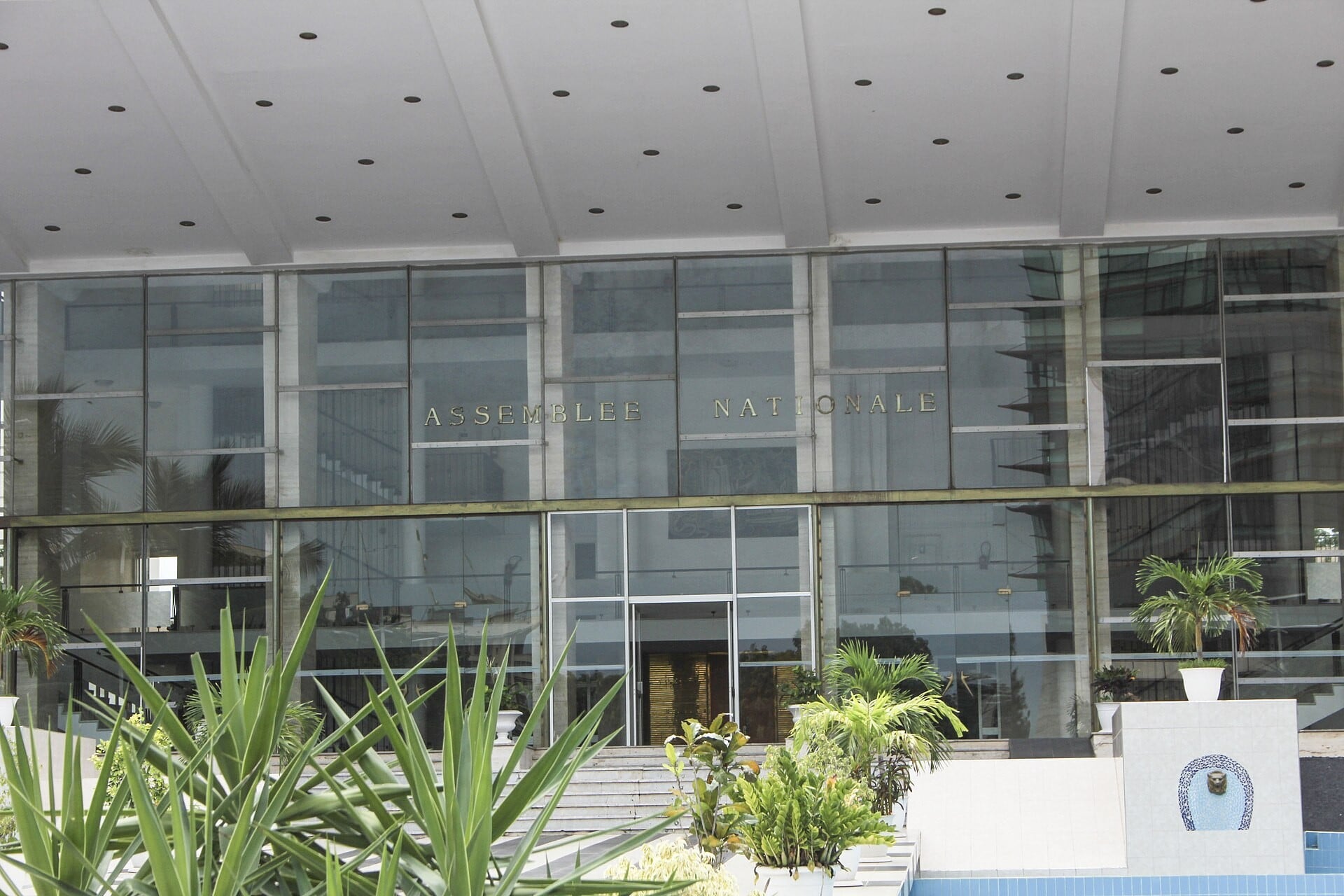
Lawmakers of Pastef, Senegal’s ruling party, attacked the government’s 2027 budget in the National Assembly (parliament) on Wednesday 18 November 2026. Pastef, short for African Patriots of Senegal for Work, Ethics and Fraternity, holds the majority and its speakers argued in the plenary debate for rejecting the text.
Fatou Diop Cissé, a Pastef lawmaker, called the draft “not a sincere budget” but “a fake”, and said it cuts 792.1 billion West African CFA francs (FCFA, about US$1.3 billion) from investment. Guy Marius Sagna, also of Pastef, called it “a deal between the IMF, Diomaye and Macky Sall”, meaning the International Monetary Fund (the global lender), President Bassirou Diomaye Faye and his predecessor Macky Sall.
The fight matters abroad because a passed budget is part of the path to a US$2.2 billion IMF loan programme, and the finance minister says Senegal has no access to international capital markets. US$ figures here use about 597.8 FCFA per US$, the fixed euro peg of 655.957 divided by a EUR/USD rate of 1.0973 on 18 November 2026 (RT).
Key Facts
- Who. Pastef lawmakers Fatou Diop Cissé and Guy Marius Sagna, in the plenary debate of 18 November.
- Claim. Cissé says the draft cuts 792.1 billion FCFA (about US$1.3 billion) from public investment.
- Charge. Sagna calls the budget “a deal” between the IMF, President Faye and ex-president Sall.
- Government. The finance minister projects 1.5% growth and a deficit of 4.7% of output in 2027.
- As of: Wednesday 18 November 2026, 19:00 GMT.
Pastef lawmakers say the budget hides cuts and serves lenders, while the government says it buys a path to recovery.
The Big Picture
Pastef won 130 of the 165 Assembly seats in the November 2024 legislative election, according to the official results, so its vote decides any budget. Yet the party and the president it helped elect have drifted apart: Ousmane Sonko, Pastef’s leader, is a former prime minister, dismissed by decree that took effect on 22 May 2026, and the party and Faye have been at odds since.
Our report on Pastef dropping President Faye covers that break. The budget bill was filed on 12 October 2026.
The Assembly’s Finance Committee, its budget panel, rejected its first part on Saturday 7 November, four days after the full Assembly voted down the 2026 amending finance bill, a mid-year revision of this year’s budget, on Tuesday 3 November, as our report on the energy budget rejection shows. The government’s case rests on the speech of Finance Minister Cheikh Diba, published on vie-publique.sn, a Senegalese public-documents site.
He projects 2027 revenue in the general budget of 5,653.9 billion FCFA (about US$9.5 billion), spending of 7,005.6 billion (about US$11.7 billion) and a deficit of 1,351.7 billion (about US$2.3 billion), or 4.7% of gross domestic product (GDP, the size of the economy), against 7.6% in the rejected 2026 amending bill. Diba projects growth of 1.5% in 2027, down from 2.7% in 2026 and 6.75% in 2025, and calls the low figure “not a renunciation” but “the assumed price of recovery”.
He says the IMF reached a staff-level agreement, an expert-level deal, with Senegal on 1 September 2026 for a three-year programme, which he dates 2027 to 2029, worth US$2.2 billion (the speech converts this at 1,243 billion FCFA, a rate near 565 per US$), as our report on the IMF budget framework explains.
Cissé Says the Numbers Do Not Add Up
“They want to make you pay twice: once for a debt you did not see, and a second time for a budget that was hidden from you,” Cissé said in the debate on 18 November. She said her group rejects the text because it does not accept “this policy of austerity in the name of the people”.
She said the government itself admits a fall in tax revenue of 340.2 billion FCFA (about US$569 million), and argued that spending tied to revenue that has not been voted must be rejected. She said investment is cut by 792.1 billion FCFA (about US$1.3 billion) to pay 113.9 billion FCFA (about US$191 million) of interest, “to the detriment of hospitals and high schools”.
On energy, Cissé said the draft assumes oil at US$78.7 a barrel for the 2027 subsidy, while the price is US$89.3. She put the subsidy need at 790.3 billion FCFA (about US$1.3 billion) against 477 billion (about US$798 million) in the draft, a gap of 313.3 billion (about US$524 million).
She backed the idea of family security grants but disputed the amounts: of 70 billion FCFA (about US$117 million) announced, she said only 22 billion (about US$37 million) was voted in the 2026 budget. The minister’s speech confirms the grants double from 70 billion to 140 billion FCFA (about US$234 million) in 2027; we could not match her other figures to the speech or the bill text, so they stand as her claims.
Sagna Charges a Political Deal
Sagna said the text “is the budget of debt, of the IMF… not the budget of Senegalese people, but of creditors and Macky Sall”. He said this explains why members of the APR (Alliance for the Republic), Sall’s former ruling party, back the bill and want to vote for it.
“As this budget rejects the concerns of Senegalese, we reject it,” Sagna concluded. We found no response to the “deal” claim from Faye, the government or the APR as of 18 November.
What the Government Says
Diba’s speech says the 2027 budget cuts spending by 246.3 billion FCFA (about US$412 million) against the rejected amending bill while revenue rises by 137.2 billion (about US$230 million). He says the primary deficit, which leaves out interest payments, falls from 450 billion FCFA (about US$753 million) in 2026 to 47.7 billion (about US$80 million) in 2027.
The speech also sets aside 480 billion FCFA (about US$803 million) to pay arrears owed to private firms, and aims to cut the cost of energy subsidies to 1% of GDP by 2029. Diba says a large share of those subsidies now benefits better-off households, so reform will be gradual.
In Plain English
- Pastef: Senegal’s ruling party, which holds the Assembly majority.
- APR: the Alliance for the Republic, the party of ex-president Macky Sall.
- FCFA: the West African CFA franc, pegged to the euro.
- First part of the bill: the section that sets revenue and the overall spending balance.
Why It Matters
The finance minister says the IMF agreement is aligned with the government’s own spending-rationalisation strategy and energy-subsidy reform, and that Senegal cannot borrow on international capital markets. The cash grants for 1,000,649 poor households and the repayment of arrears to private firms sit inside the bill the Assembly has not yet passed.
The strongest counter-view is the government’s own: Diba argues the 1.5% growth figure and the deficit cut reflect “the truth of the figures rather than flattering assumptions”. For readers who follow West African energy or emerging-market debt, the break between Faye and Pastef, after Sonko’s dismissal on 22 May 2026, now plays out inside the budget debate.
What Is Not Known
The date and result of the Assembly’s vote on the finance bill are not confirmed. We also do not know what Article 68 of the Constitution allows once the 60 days from filing run out, or when the IMF’s Executive Board, its decision-making body, will take up the programme.
We found no official transcript of the debate, so the lawmakers’ words come from reports of it and are translated from French by us. Only one report we found carried Cissé’s speech in full, which is why her figures are attributed to her alone.
What to Watch Next
Under Article 68 of the Constitution the Assembly has 60 days from filing on 12 October, which runs to about Friday 11 December 2026. The Assembly’s plenary calendar and the IMF Board date have not been confirmed.
Our earlier report on the 2027 plan for double cash aid and slower growth sets out the government’s numbers in full, and the balance table explains the headline totals.
Frequently Asked Questions
Who are the two lawmakers criticising the budget?
Fatou Diop Cissé and Guy Marius Sagna are lawmakers of Pastef, the ruling party with the majority in Senegal’s National Assembly. Both spoke against the 2027 budget in the plenary debate on 18 November 2026.
What does Pastef say is wrong with the 2027 budget?
Cissé says it cuts 792.1 billion FCFA (about US$1.3 billion) of investment and relies on an oil price of US$78.7 a barrel. Sagna says it serves creditors and a deal between the IMF, Faye and Sall.
How does the government defend the budget?
Finance Minister Cheikh Diba says it cuts the deficit to 4.7% of GDP from 7.6% and doubles family cash grants to 140 billion FCFA (about US$234 million). He calls 1.5% growth the assumed price of recovery.
Why does the budget matter for the IMF loan?
Senegal reached a staff-level agreement with the IMF on 1 September 2026 for a US$2.2 billion, three-year programme. The government ties the programme to its budget plan, and the Assembly has until about 11 December to act.
Sources: Speech of the Minister of Economy, Finance and Planning on the draft finance law 2027 (vie-publique.sn); Assembly plenary debate of 18 November 2026; Constitution of Senegal, Article 68; official results of the November 2024 legislative election; RT market data (EUR/USD), 18 November 2026.
This article was produced by The Rio Times’ automated AI newsroom. Editorial responsibility: Matthias Camenzind, Publisher and Editor-in-Chief. The Rio Times also runs Ask Rio Times, which answers from 100,000+ of our own articles, the daily Latin America Power Map, and prediction-market odds on elections and markets.. How we use AI · Report an error