Gambia Explained 2026, the River Republic in Senegal

GAMBIA · COUNTRY PROFILE
Key Facts
- —What it is A small English-speaking presidential republic in West Africa, almost entirely surrounded by Senegal and built around the Gambia River.
- —Why it matters The Gambia is a democratic transition story, a winter tourism destination and a remittance-dependent economy with growing electricity access.
- —The numbers National electricity access reached about 90% in 2026, up from roughly 36% in 2017, according to President Adama Barrow.
- —The catch Access to electricity does not mean reliable supply; businesses and households still manage frequent outages with generators and solar systems.
- —What it means for you A foreigner can live well in the coastal Greater Banjul Area, but should plan for utility costs, informal land practices and seasonal economic rhythms.
Gambia explained means understanding a river-shaped country where politics, trade and daily life bend around geography, faith and family. It is a small republic with an outsized diaspora, a recovering tourism sector and a democracy still under construction.
The Gambia is not an island, but it feels like one: a narrow English-speaking strip of land inside francophone Senegal, with the Atlantic on one side and the Gambia River running through its centre. This guide explains the country for a newcomer, from its geography and people to its politics, economy and what to watch in 2026.
A river country inside Senegal
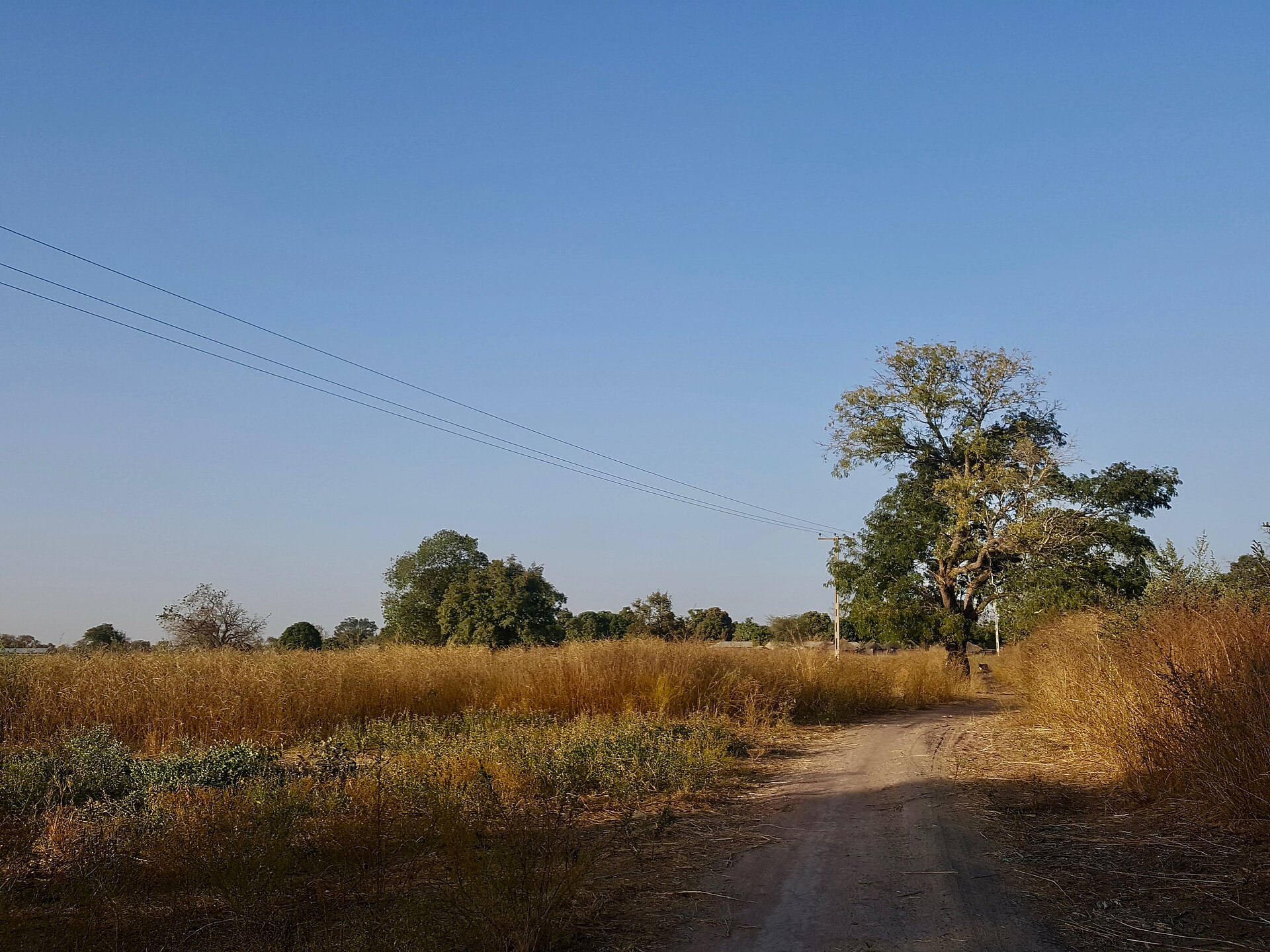
The Gambia is a long, narrow territory that follows the Gambia River inland from the Atlantic Ocean. Senegal surrounds it on the north, east and south. This unusual shape is a legacy of colonial competition between Britain and France, and it still defines how the country works.
Banjul, the capital, sits on St Mary’s Island near the river mouth. It is the administrative and constitutional capital, but it is not the largest urban area. Most people and businesses concentrate in the Greater Banjul Area, which includes Kanifing, Serekunda, Bakau, Fajara, Kololi and the coastal tourism belt.
The climate has a wet season and a dry season. The heaviest rains generally fall between June and October. The dry season brings the Harmattan, a dusty wind from the Sahara. Coastal erosion, flooding, saltwater intrusion and irregular rainfall are long-term climate pressures on farming, fisheries and settlements.
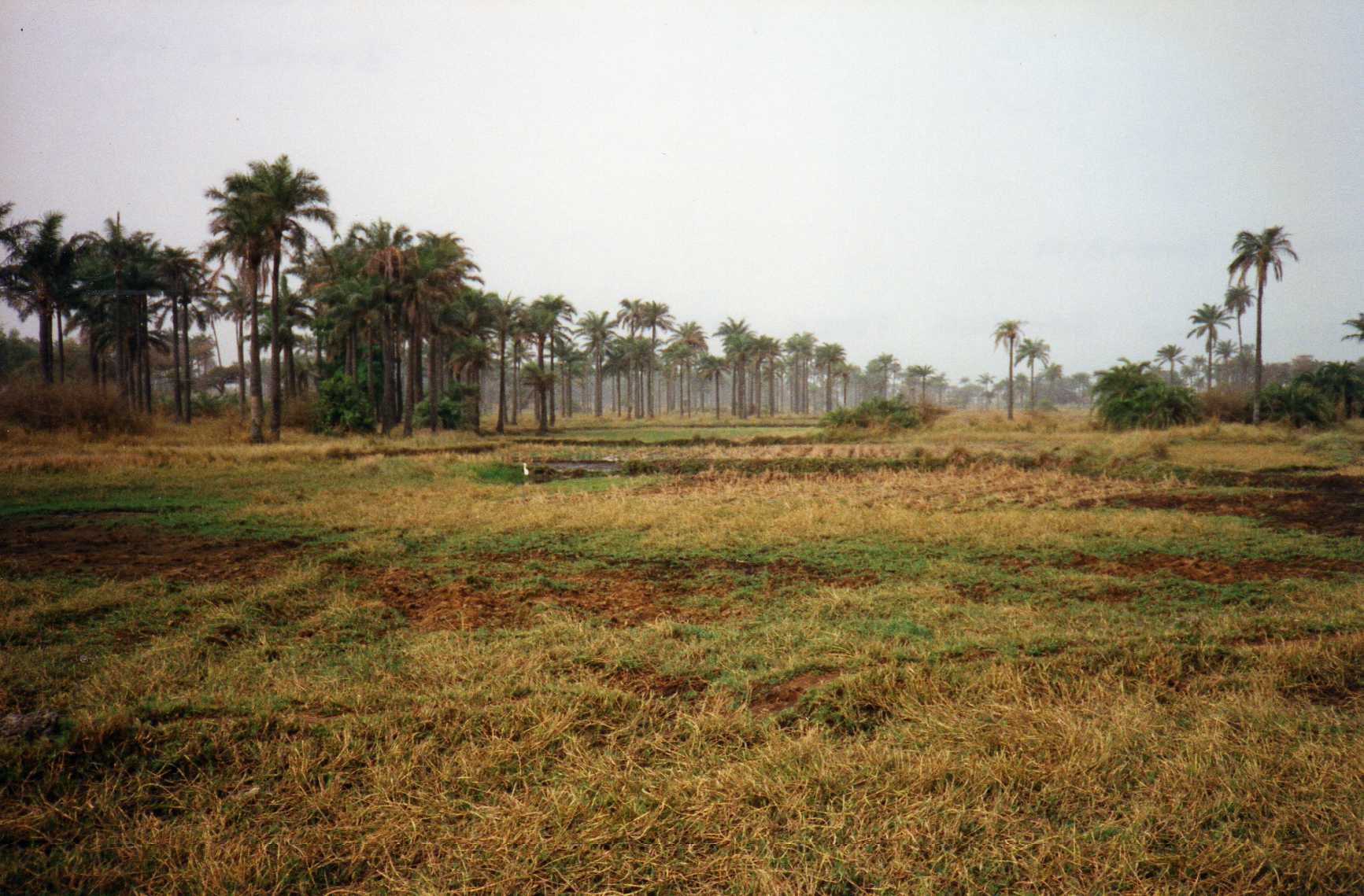
The Gambia River is the country’s spine. It shapes transport, ecology, settlement and trade. Mangroves and wetlands support fish stocks and biodiversity. The coast anchors tourism, while inland communities depend more on farming, livestock, fishing and cross-border commerce with Senegal.
People, languages and faith
The Gambia is small but socially diverse. Major communities include the Mandinka, Fula, Wolof, Jola, Serahule, Serer and Aku. Many Gambians identify with more than one linguistic or cultural tradition. Intermarriage and urban migration are common, especially in the coastal area.
English is the official working language of government, law, education and administration. But daily conversation usually happens in local languages. Mandinka is widely spoken across the country. Wolof is especially prominent in urban and commercial settings. Pulaar (Fula) and Jola are also important.
Islam is the majority religion. Christian communities, including Roman Catholics and Anglicans, are established and visible. Traditional beliefs continue to influence social life. Religious coexistence is a real feature of public life, though debates about constitutional identity and personal law remain sensitive.
Family networks are the strongest social institution. Extended families share responsibility for childcare, housing, education, healthcare and remittances. For a foreigner, this means economic decisions are rarely individual. They involve relatives in The Gambia, Senegal, Europe, the United Kingdom and North America.
How the political system works
The Gambia is a presidential republic. The president is head of state and head of government, and appoints ministers. The National Assembly legislates and exercises oversight. The judiciary is formally independent under the constitution.
As of September 2026, the president is Adama Barrow. The vice president is Muhammad B.S. Jallow. The cabinet includes Dawda A. Jallow as Attorney General and Minister of Justice and Seedy Keita as Minister of Finance and Economic Affairs.
The next presidential election is on 5 December 2026. The Independent Electoral Commission (IEC) has set candidate nominations for 3 to 14 November. Barrow is seeking a third term.
Other key ministers include Ebrima Sillah at Transport, Works and Infrastructure and Dr. Ahmadou Lamin Samateh at Health. These names come from the Office of the President’s cabinet page; ministerial portfolios change in reshuffles, so check the official list before relying on a title.
The current system cannot be understood without the 22-year rule of former president Yahya Jammeh. He left office in January 2017 after losing an election and initially refusing to concede. The transition brought political liberalization, expanded media and civic space, and a national debate about accountability for alleged abuses during the former regime.
The democratic transition remains incomplete. Reform proposals have included constitutional changes, institutional restructuring, transitional justice and limits on presidential power. Political competition is active, but institutions remain small and resource-constrained. For investors, this means political developments can quickly affect regulation, procurement, land administration, taxation and tourism policy.
The economy: small, open and externally dependent
The Gambian economy is highly open and vulnerable to external shocks. It imports fuel, food, machinery and consumer goods, while exporting a narrow range of products and services. The main pillars are tourism, agriculture, trade and re-export activity, remittances, fisheries, construction and public services.
Tourism is the most visible industry. The coastal corridor contains hotels, guesthouses, restaurants, bars, craft markets and tour operators. The high season generally coincides with the northern-hemisphere winter, when European visitors seek warm weather. The industry creates jobs but is seasonal and exposed to airline capacity, European household spending, health concerns and political perceptions.
Agriculture remains central to rural livelihoods. Groundnuts have historically been a key cash crop. Rice, maize, millet, cassava, vegetables and livestock support domestic consumption. Production is constrained by rainfall variability, limited irrigation, access to finance, storage losses, input costs and transport. The country imports substantial quantities of rice, wheat, cooking oil and fuel, so global prices quickly affect household costs.
Remittances are a major source of household income and foreign exchange. The Gambian diaspora helps finance food, school fees, medical care, housing, land purchases and small businesses. Diaspora households are also major participants in the property market, especially in the Greater Banjul Area and coastal settlements. This inflow provides resilience but can also raise land and housing prices.
| Sector | What it means in practice |
|---|---|
| Tourism | Coastal jobs, seasonal demand, imported inputs |
| Agriculture | Rural livelihoods, food security, climate exposure |
| Remittances | Household income, property demand, foreign exchange |
| Trade and re-exports | Port activity, cross-border commerce with Senegal |
| Public services | Employment, donor-funded development, infrastructure |
Electricity, utilities and daily life
Electricity supply is a major business and quality-of-life issue. In September 2026, President Barrow acknowledged continuing power shortages. He said the government expected an additional 24-megawatt generating unit at Brikama Power Station to be commissioned by the end of October 2026. He also referred to a planned 50-megawatt solar power plant in Soma.
The president said national electricity access had increased from approximately 36% in 2017 to about 90% in 2026. But access does not mean uninterrupted supply. Businesses commonly manage outages through generators, inverters, batteries or solar systems. Electricity reliability affects operating costs, refrigeration, internet access, hospitality, manufacturing and household routines.
The National Water and Electricity Company, generally known as NAWEC, is the central utility provider. Water supply and electricity performance can vary considerably by location, infrastructure condition and demand. Foreigners should budget for backup power and water storage, especially outside the main coastal hotels and newer developments.
Daily life in the Greater Banjul Area revolves around markets, mosques, schools, family compounds and small businesses. Transport is dominated by shared taxis, vans and privately operated vehicles. Road conditions vary, and traffic can be heavy during peak hours. Mobile money and digital payments are growing, but cash remains essential for many transactions.
Money, prices and business conditions
The currency is the Gambian dalasi, usually written GMD or D. The economy is sensitive to movements in the dalasi against the euro, pound sterling, US dollar and CFA franc because tourism, imports, remittances and regional trade are all externally connected.
Foreigners should distinguish between official exchange rates, bank and regulated money-transfer rates, rates offered by exchange bureaus, and informal-market rates. The differences can be significant. Businesses often face high financing costs, limited access to long-term credit, imported-input exposure and administrative delays.
The most promising opportunities tend to be connected to basic demand: energy, logistics, food processing, cold storage, agriculture, digital payments, housing, health services, education, tourism and renewable power. Investors should conduct formal due diligence on land title, corporate registration, tax obligations, foreign-exchange arrangements, environmental permissions, construction approvals and sector-specific licenses. Informal assurances are not a substitute for written approvals.
What to watch in 2026 and beyond
The electricity story is the most immediate thing to watch. The promised 24-megawatt unit at Brikama Power Station and the planned 50-megawatt solar plant in Soma could change the reliability equation if they come online as described. But the gap between access and reliable supply remains the central infrastructure challenge.
Political reform is another long-term question. The post-Jammeh transition has opened space for debate, but constitutional and institutional changes remain unfinished. Investors and foreigners should follow cabinet changes, procurement rules and land administration reforms, because these directly affect business conditions.
Tourism recovery and diversification matter for employment and foreign exchange. The coastal economy is seasonal and exposed to European demand. Any shift in airline capacity, health perceptions or regional stability will be felt quickly in the hospitality sector.
Finally, watch the diaspora. Remittances shape property prices, household consumption and small business formation. Changes in migration policy in Europe or the United Kingdom, or shifts in the dalasi, can ripple through the Gambian economy faster than official statistics capture.
Related reading: more coverage in our Gambia section: Adama Barrow Seeks Third Term in Gambia Election 2026 as Jammeh Justice Stalls; Gambia Now Has Three Opposition Coalitions as President Barrow Seeks Third Term; Gambia Runs on Money Sent Home. Last Year That Was US$872 Million; Gambia’s Barrow Declares Power Crisis a National Emergency After Blackout Protests.
Frequently Asked Questions
Is The Gambia safe for foreigners?
The Gambia is generally welcoming to foreigners, especially in the coastal tourism areas. Normal precautions apply, and political tensions can rise around elections or reform debates. Check official travel advice before visiting.
What language do people speak in The Gambia?
English is the official working language of government, law and education. In daily life, most people speak Mandinka, Wolof, Pulaar (Fula) or Jola. Wolof is especially common in urban and commercial settings.
What is the currency of The Gambia?
The currency is the Gambian dalasi, usually written GMD or D. The dalasi moves against the euro, pound sterling, US dollar and CFA franc because of tourism, imports, remittances and regional trade.
Who is the president of The Gambia in 2026?
As of September 2026, the president is Adama Barrow. The vice president is Muhammad B.S. Jallow. Barrow has led the country since the departure of former president Yahya Jammeh in January 2017.
Is electricity reliable in The Gambia?
Access to electricity reached about 90% in 2026, according to President Barrow, up from roughly 36% in 2017. But supply is not always reliable, and many businesses and households use generators, inverters or solar systems.
Can foreigners buy property in The Gambia?
Foreigners can participate in the property market, especially in the Greater Banjul Area and coastal settlements. However, land title and approvals require formal due diligence, and written documentation is essential.
Sources: gambia.gov.gm, op.gov.gm, op.gov.gm, kerrfatou.com, op.gov.gm, statehouse.gov.gm. Retrieved 2 October 2026.
This article was produced by The Rio Times’ automated newsroom system. How we use AI · Report an error · Editorial responsibility: Matthias Camenzind, Editor-in-Chief
Read More from The Rio Times