Venezuela Safety for Expats in 2026, From Travel Advisories to Detention Risk
Guides · Venezuela
—The advisories. The United States says Level 3, reconsider travel. Canada says avoid all travel, Australia says do not travel, and Britain advises against all but essential travel.
—The government. Delcy Rodríguez has been acting president since 5 January 2026, after United States forces captured Nicolás Maduro. No election date is set.
—The crime data. The government claims three homicides per 100,000 people in 2025. InSight Crime, a research group, found no reliable data for that year to check it.
—The detention risk. Foro Penal, a legal rights group, counts 344 political prisoners in September 2026, of whom 32 hold a foreign nationality.
—The regions. The Colombian border and the mining south carry the strictest warnings in both the American and British advice, and each also lists several states.
—The catch. Consular help is thin. Canada and Australia have no working embassy in Caracas, and the United States offers emergency services only.
The political change of January 2026 softened some government warnings, but not the underlying risks. A foreigner living in Venezuela still plans around crime, weak public services and limited consular help.
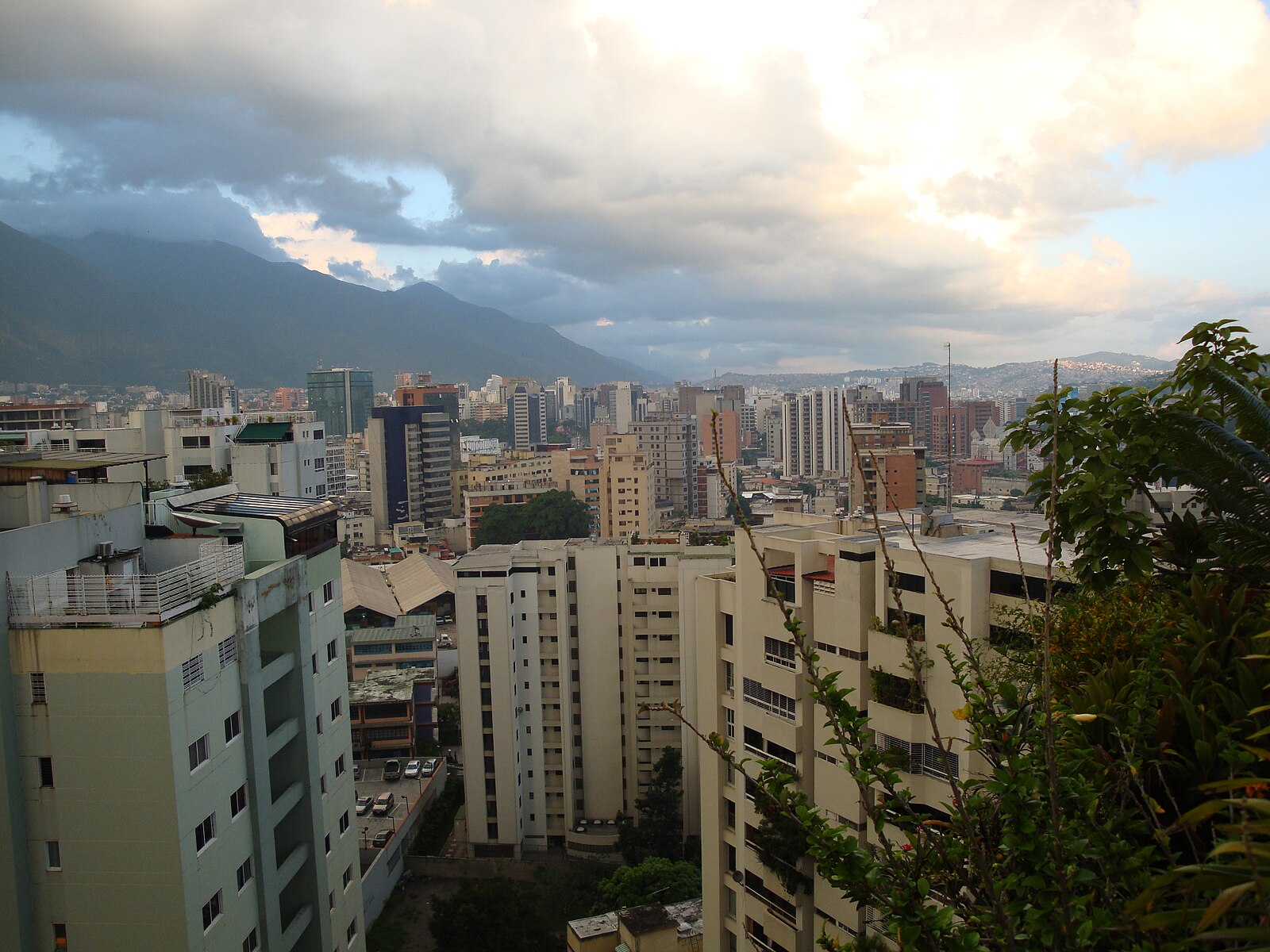
Venezuela safety for expats in 2026 is a question of geography, documents and daily habits more than of any single headline. The change of government in January altered the diplomatic picture, but crime, weak services and detention risk did not disappear with it.
This guide sets out what the main governments advise as of September 2026 and what the crime data can and cannot show. It then covers where the risks concentrate, how kidnapping and detention work in practice, and which precautions and insurance matter.
Where the country stands after January 2026
On 3 January 2026, United States forces captured President Nicolás Maduro in Caracas. The Supreme Tribunal of Justice, the country’s highest court, then ordered Vice President Delcy Rodríguez to take charge.
Rodríguez was sworn in as acting president on 5 January 2026, and she still held the post in late September. In early September she said elections would come when the country was ready, according to Bloomberg, and no date has been set.
Venezuelan authorities declared a state of external commotion, a constitutional emergency regime, on 3 January. Britain says the political and security situation remains uncertain, and Canada describes it as tense.
Some changes are real. The United States resumed operations at its embassy in Caracas on 30 March 2026, seven years after it closed in 2019.
A second shock came on 24 June 2026, when two earthquakes of magnitude 7.2 and 7.5 struck 39 seconds apart. La Guaira, the coastal state that holds the main airport, was hit hardest, and parts of Caracas were badly damaged.
Britain’s Foreign, Commonwealth and Development Office, known as the FCDO, says La Guaira was declared a disaster zone. It says the zone is under military control with strict access controls.
What the travel advisories say, as of September 2026
The United States Department of State lowered Venezuela from Level 4, do not travel, to Level 3, reconsider travel, on 19 March 2026. It reissued the Level 3 advisory on 27 June 2026, after the earthquakes.
The current American advisory cites crime, kidnapping, terrorism, poor health infrastructure and natural disaster. In March it dropped the wrongful detention, unrest and other indicators it had carried before.
Other governments have not followed. Canada, in advice updated on 9 September 2026, tells its citizens to avoid all travel to Venezuela. It cites violent crime, arbitrary detention and shortages of medicine, fuel and water.
Australia’s Smartraveller service keeps the whole country at do not travel. Britain advises against all but essential travel to most of Venezuela, and against all travel to several border and mining areas.
The gap between these positions reflects diplomacy as much as street conditions. A foreigner should read the advice of the country that issued their passport, because that government decides what help it can offer.
Why the crime numbers disagree
On 15 January 2026 Rodríguez said the homicide rate had fallen to three per 100,000 inhabitants in 2025. The Interior Ministry published the claim on its website.
InSight Crime, a research group that tracks organised crime in the Americas, could not verify it. Its 2025 round-up, published in March 2026, says the government has no open data available and did not reply to a freedom of information request.
The Venezuelan Violence Observatory, an independent research network known by its Spanish initials OVV, used to fill that gap. InSight Crime notes that the observatory is no longer publishing its annual reports.
The last national annual report from the OVV covers 2023, when it counted 6,973 violent deaths, a rate of 26.8 per 100,000 people. That total included 1,956 homicides and 953 deaths during police interventions.
Another 4,064 deaths that year were classed as under investigation, meaning the cause was never settled. Deaths recorded that way made up 58.3 percent of the total, which makes any single number fragile.
The two figures do not measure the same thing. The government counts homicides only, while the OVV rate also counts police killings and deaths of undetermined cause, so the two cannot be compared directly.
For Venezuela safety for expats, neither figure tells a resident much about a given street. Local knowledge, a trusted driver and the advice of long-term residents matter more than a national average.
Regional differences that matter more than the national label
The American and British advisories both draw their sharpest lines around the borders and the mining south. The United States places the area within 20 miles of the Colombian border at Level 4, citing crime, kidnapping and terrorism.
The American Level 4 list also includes Amazonas, Apure and Táchira states, Guárico, rural Bolívar, and Aragua outside the city of Maracay. It names Colombian armed groups, including the National Liberation Army known as ELN, in border regions.
Britain’s no-go map differs in detail. The FCDO advises against all travel within 80km of the Colombian border and 40km of the Brazilian and Guyanese borders, and across all of Zulia state.
The FCDO list also covers the Orinoco Mining Arc in Bolívar and Delta Amacuro south of the Orinoco river. Illegal gold mining and armed groups dominate that region, where state authority is limited.
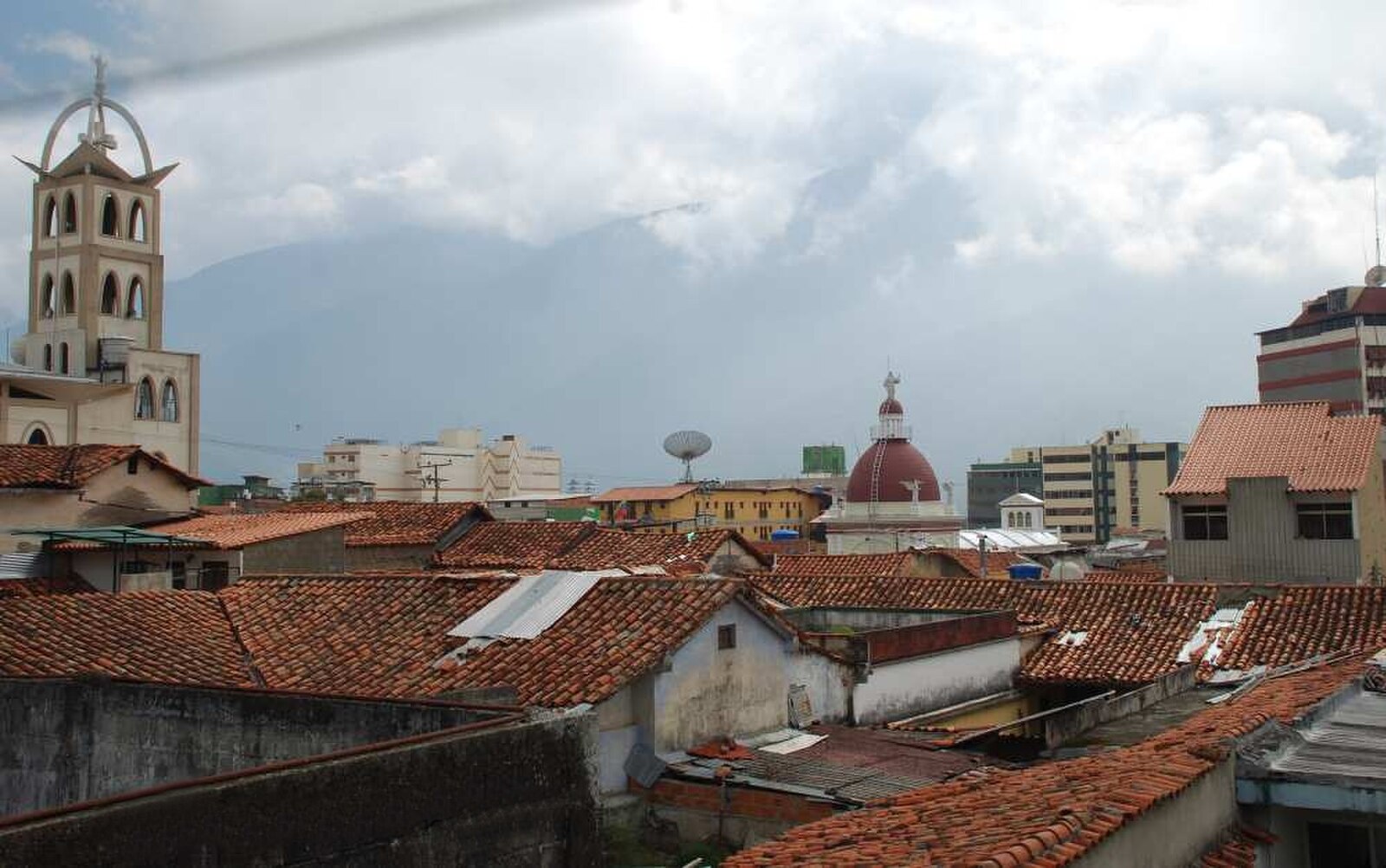
Cities are a different story, though not a simple one. In the OVV’s 2023 report, the Capital District of Caracas had the highest rate of any state, at 50.8 violent deaths per 100,000.
Miranda, which contains the eastern half of greater Caracas, followed at 41, with Bolívar at 38.5 and La Guaira at 36.4. Those averages mix low-crime residential districts with poor hillside neighbourhoods known as barrios.
Canada tells travellers not to enter barrios anywhere in the country. It also advises against walking city streets at night, or alone in quiet areas by day.
Kidnapping and express kidnapping
Kidnapping appears in the American, Canadian and Australian advice alike. Australia says incidents have increased since 2020, partly because the wider use of foreign currency gives criminals a motive.
The common form is the express kidnapping. Canada describes victims taken from the street and forced to take the criminals to their homes to hand over foreign currency, electronics and other valuables.
Canada says express kidnappings are frequent and can happen anywhere in the country. It warns in particular about recent acquaintances who offer rides, and about handling money in public.
The American advisory ties its highest kidnapping warnings to the Colombian border and to rural Bolívar, Guárico and Aragua. The State Department advises travellers to agree a proof-of-life protocol with relatives before arrival.
The standard advice is not to resist. Canada notes that many criminals carry firearms and that victims are often injured or killed for failing to cooperate.
Detention risk for foreigners and dual nationals
The United States dropped its wrongful detention warning in March 2026, and several detained Americans were freed in January. That is a real change, but it does not end the risk.
Foro Penal, a Venezuelan legal aid group that documents political arrests, counted 344 political prisoners in mid-September 2026. Of those, 32 held a foreign nationality, according to its public tally.
The UN Independent International Fact-Finding Mission on Venezuela, set up by the UN Human Rights Council, presented its annual report to the council on 18 September 2026. Its chair said “the structure of the State’s repressive apparatus has remained entirely intact.”
The mission estimates that between 800 and 1,000 people were released from September 2025 to August 2026. It still recorded at least 17 new arbitrary arrests in the first eight months of 2026, which it called a marked decrease on a year earlier.
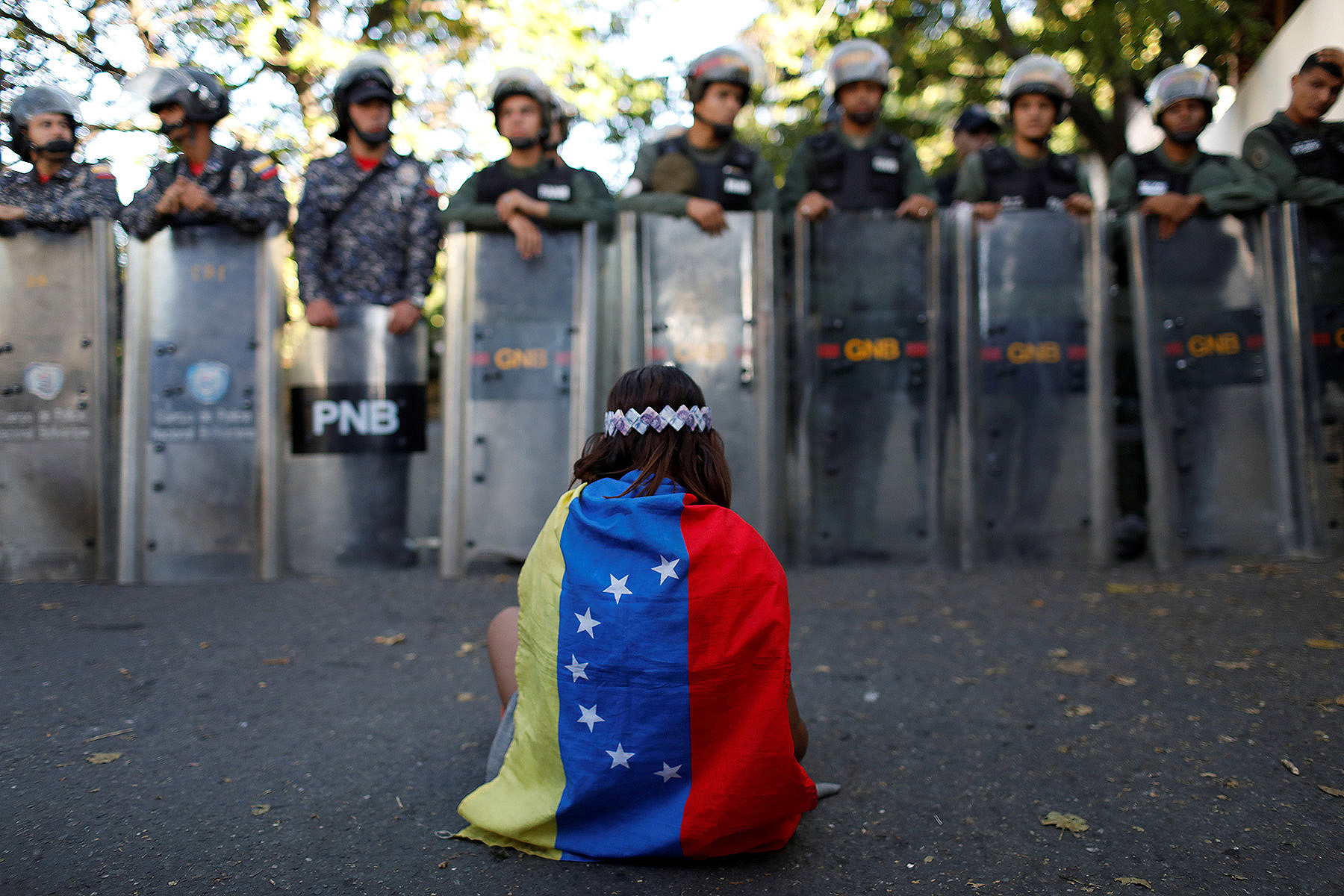
Britain says some foreign nationals, including Europeans, have been detained and accused of terrorism. It adds that foreigners questioned at land borders and airports have been held at the airport for hours or days, and some deported.
During those checks, the FCDO says, a detainee may not be allowed to contact relatives or their embassy. Canada warns that it may not even be told when one of its citizens is detained.
Dual nationals face a specific trap. Canada says its citizens who also hold Venezuelan nationality must enter and leave on a Venezuelan passport, and some who entered without one were later stopped from leaving.
Photography can also cause trouble. Britain says it is illegal to photograph military or strategic sites, including military airports and the presidential palace, and advises against plane spotting.
Arrival, checkpoints and everyday precautions
Simón Bolívar International Airport at Maiquetía, which serves Caracas, closed after the earthquakes. It resumed commercial flights with limited capacity on 1 September 2026, according to the FCDO.
International flights also operate from Valencia, Barquisimeto, Barcelona and Maracaibo, the FCDO says. Availability remains limited, and some flights have been delayed or cancelled at short notice.
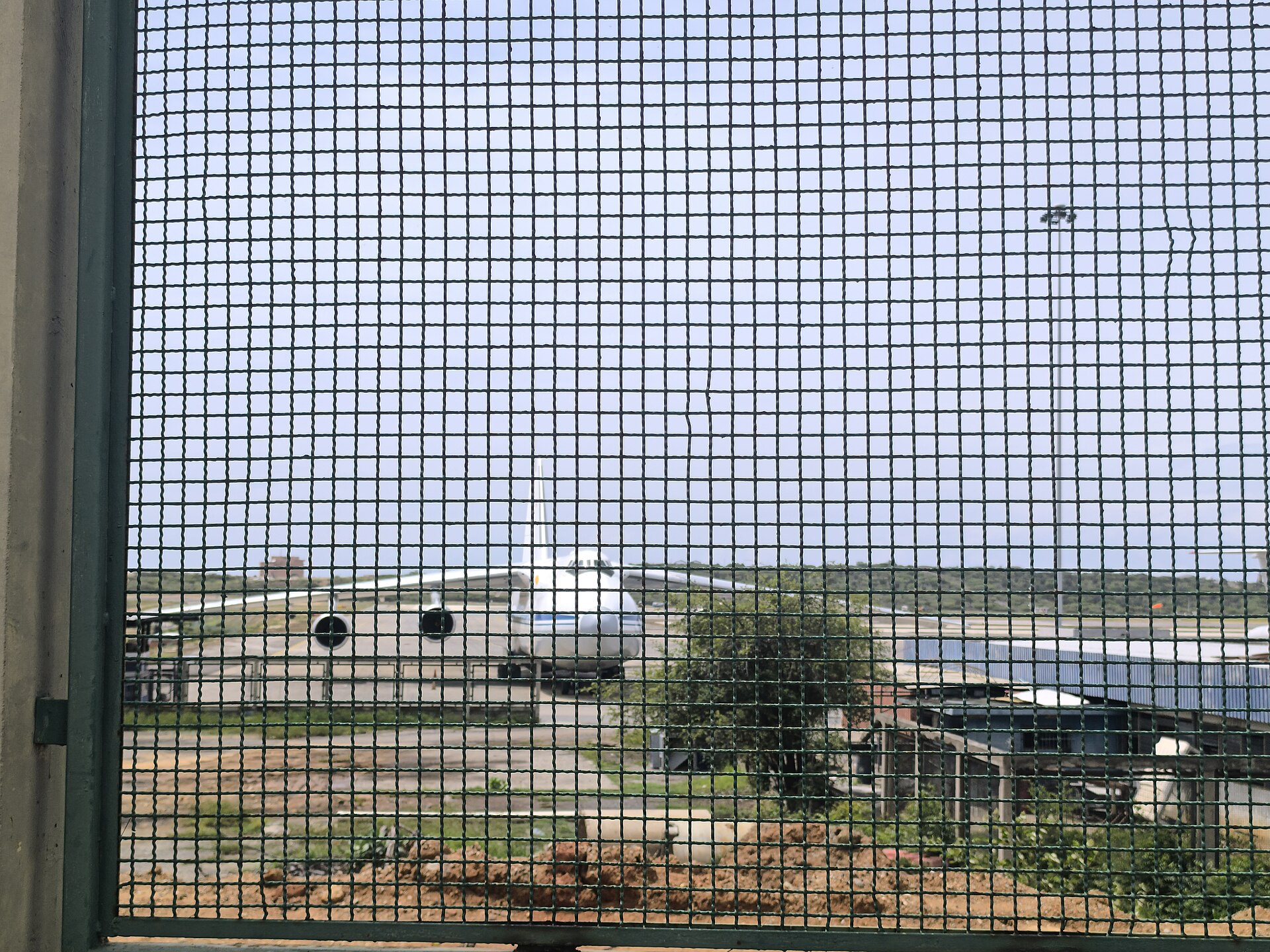
The Maiquetía road is a known risk point. Canada advises against taking a taxi from the airport at all, and against arriving or leaving after dark.
Britain suggests being met by a known contact, or using the official taxi rank outside arrivals. It warns never to accept offers of transport inside the hall.
Police and National Guard checkpoints are frequent, and Britain reports attempts to extract bribes. Carry identification at all times, since failure to show it can lead to arrest.
The FCDO says copies of the passport photo page and entry stamp can be carried. It advises keeping the original somewhere safe but quickly reachable.
Daily habits carry most of the load. Canada advises not displaying phones or jewellery, carrying little cash, and keeping foreign currency out of sight.
Public services add a separate layer of risk. Canada says power cuts can last several days and water rationing is common, and Britain suggests storing tinned food and water.
Insurance and the limits of consular help
Health care is where most foreigners feel the gap first. Canada says private clinics are costly, low on supplies and demand payment before treatment, while ambulance services are slow.
Canada recommends insurance that covers hospital stays and medical evacuation. The State Department also urges medical evacuation cover in its June 2026 advisory.
Insurance is a core part of Venezuela safety for expats, so read the policy wording closely. The FCDO warns that travel insurance can be invalidated when a traveller goes against its advice. Check how your insurer treats areas under the strictest warnings.
Kidnap and ransom cover is a separate product, usually sold through employers or specialist brokers. Anyone working for a foreign company should ask what their employer carries before relocating.
Consular help is limited. The United States consular section in Caracas offers emergency American citizen services only, and routine passport and visa work goes through its embassy in Bogotá, Colombia.
Canada’s embassy in Caracas has not been open since 2019, and Canada says its help is severely limited and given remotely. Australia has no embassy or consulate in Venezuela and handles cases from Bogotá.
What this means for your plans
For a foreigner considering a move, Venezuela safety for expats comes down to where you live and how you move. A trusted local network and tight routines count for more than the national label.
Avoid the border areas, the mining south and the other zones the American and British advisories list at their highest level. The American list survived both the March downgrade and the June reissue.
Treat documents as a safety measure. Carry identification, enter on the right passport if you are a dual national, and avoid photographing anything official.
Budget for private health care, backup power, water storage and comprehensive insurance with evacuation cover. Check that the policy is valid for the region where you will actually live.
Register with your embassy, even when it operates from Bogotá, and agree a check-in routine with family. Recheck your government’s advice before each trip, because Venezuela’s situation has changed several times in 2026.
More: Latin America coverage from The Rio Times.
Sources: US State Department travel advisory for Venezuela, 27 June 2026, Newsweek on the move from Level 4 to Level 3 in March 2026, UK Foreign, Commonwealth and Development Office travel advice for Venezuela, Government of Canada travel advice for Venezuela, Australian Smartraveller advice for Venezuela, BAL on the resumption of operations at the US Embassy in Caracas, Reference record of the acting presidency since 5 January 2026, Venezuelan Interior Ministry on the 2025 homicide claim, InSight Crime 2025 homicide round-up, Venezuelan Violence Observatory annual report for 2023, Foro Penal political prisoner count, UN Fact-Finding Mission on Venezuela, statement of 18 September 2026, Reference record of the June 2026 earthquakes
This article was produced by The Rio Times’ automated newsroom system. How we use AI · Report an error
Read More from The Rio Times