Venezuela Population and Ethnic Groups Explained

VENEZUELA · POPULATION
Key Facts
- —The basics As of October 2026, about 28.6 million people live in Venezuela, a young and mostly mixed-race nation that lost roughly 2.6 million residents between 2017 and 2022 as millions emigrated.
- —Why it matters More than 6.9 million Venezuelans lived in 17 Latin American and Caribbean countries at the end of 2025, and aid agencies seek US$763 million in 2026 to help 1.2 million of them, keeping the exodus central to US migration policy.
- —The numbers At the 2011 census, the latest held, 51.6% of residents called themselves moreno, or mixed, 43.6% white and 3.6% Black or Afro-descendant, while 724,592 people, or 2.7%, belonged to an Indigenous people.
- —Who is who The Wayuu of Zulia state are the largest Indigenous people, with 413,437 members in 2011, while Colombians, at 721,791, were by far the largest group of foreign-born residents.
- —What to watch Venezuela has held no national census since 2011, so the true population, the size of the diaspora and the pace of returns after the January 2026 change of government remain the big open questions.
- —Power Index Venezuela ranks 13th of 14 in The Rio Times Latin America Power Index, with 27.0 points (October 2026 edition).
- —Prediction markets Polymarket gives a 10.5% chance that Venezuela schedules a presidential election by 31 December 2026 (15 October, 7:56 a.m. ET).
- —What it means for you For US readers, Venezuela’s population is above all a migration story, as US decisions on Temporary Protected Status and deportations, and the pace of returns home, shape where millions of Venezuelans live in 2026.
Venezuela has about 28.6 million people at home and millions more abroad. This guide explains who they are, where they live and why so many left.
The Venezuela population stood at about 28.6 million in mid-2026, according to the UN’s World Population Prospects 2024. That is roughly 2.2 million fewer than at its peak in early 2017, after millions left during the economic crisis.
For US readers, it is mostly a migration story, with over 6.9 million Venezuelans elsewhere in the region by late 2025. This guide covers size, age, cities, ethnic groups, languages, religion and the diaspora as of October 2026.
How Big Is the Venezuela Population in 2026
There are two very different answers to that question, and the gap between them is itself part of the story. The UN Population Division estimates 28.63 million people on 1 July 2026 in its 2024 revision, the latest available.
The Instituto Nacional de Estadística (INE), the national statistics office, still projects 34.79 million for 2026. Its series, built on the 2011 census, rises by about 350,000 people a year and shows no sign of emigration.
The difference of about six million people is broadly in line with the millions counted abroad. The US government uses a third figure, 30.5 million for mid-2023, in the State Department’s 2023 religious freedom report.
The last census counted 27,227,930 people between 1 September and 30 November 2011. INE’s projection series starts from a higher 2011 figure of 28.94 million.
On UN estimates, the population peaked at about 30.8 million at the start of 2017. Net emigration reached about 1.36 million people in 2018 alone, and numbers fell to about 28.2 million by 2022.
Modest growth has returned since then, as births outnumber deaths and departures have slowed. The UN projects about 31.1 million people by 2050 and 28.3 million by 2100.
Age, Births and Where People Live
The Venezuela population is still young by US standards, though it is ageing. The UN puts the median age at 29.5 years in 2026, against 38.7 in the United States.
About 24.3% of Venezuelans are under 15 and 10.4% are 65 or older in 2026, UN data show. At the 2011 census, children under 15 made up 27% of the population, down from 37.2% in 1990.
Women average about 2.04 children each in 2026, close to the level that keeps a population stable over time. Life expectancy at birth is about 73.0 years, and the UN expects about 440,000 births against 226,000 deaths in 2026.
The UN estimates 14.5 million women and 14.1 million men in 2026. The 2011 census had counted almost equal numbers, with 99.1 men for every 100 women.
Nearly nine in ten Venezuelans live in towns and cities. The 2011 census classed 88.8% of the population as urban, or 24.2 million people.
Most people live along the Caribbean coast and in the northern mountains and valleys. The 2011 census counted the most people in Zulia, with 3,704,404, followed by Miranda, Carabobo and the Distrito Capital.
Zulia, home of Maracaibo and its oil-rich lake, held 13.6% of the population in 2011. The Distrito Capital, the heart of Caracas, counted 1,943,901 residents, while neighbouring Miranda state covers much of the wider metro area.
The vast south, including Amazonas, Bolívar and Delta Amacuro, is thinly populated. Amazonas had just 146,480 residents in 2011, and the guide to Venezuela’s geography covers each region.

Ethnic Groups and How Venezuelans Identify
Most Venezuelans have mixed European, Indigenous and African ancestry, the legacy of Spanish colonial rule and the slave trade. The 2011 census asked every resident to state their own ethnic identity, with these results:
- Moreno (mixed): 51.6% of the population.
- White: 43.6%.
- Black: 2.9%.
- Afro-descendant: 0.7%.
- Other: 1.2%.
INE defines moreno as a person whose features are less marked than those of a person defined as Black. Its own glossary notes that the term is sometimes used to soften the discrimination attached to being Black.
The 2011 count was the first Venezuelan census to ask about African descent. INE added it at the request of the Network of Afro-Venezuelan Organisations and the culture ministry’s Afro-descendant liaison office.
Identity varies sharply by region. In the Andean state of Táchira, 58.8% said they were white, while in the plains state of Apure 63.5% said moreno.
Delta Amacuro had the highest Black share, at 6.2%, and coastal Vargas the highest Afro-descendant share, at 1.8%. Miranda, which includes the Barlovento region known for Afro-Venezuelan drumming, followed at 1.6%.
Indigenous Peoples and Their Languages
The 2011 census counted 724,592 Indigenous people, or 2.7% of the population, up from 2.2% in 2001. They declared membership of 52 distinct peoples, from the Caribbean coast to the Amazon.
The Wayuu, who live on both sides of the Guajira Peninsula border with Colombia, are by far the largest group. With 413,437 members, they made up 57.1% of all Indigenous people in Venezuela.
- Wayuu: 413,437, mostly in Zulia state.
- Warao: 48,771, the people of the Orinoco Delta.
- Kariña: 33,824.
- Pemón: 30,148, in the Gran Sabana of Bolívar state.
- Jivi: 23,953.
Zulia alone was home to 443,544 Indigenous people, or 61.2% of the national total. In Amazonas state, 53.7% of residents born in Venezuela were Indigenous.
Indigenous Venezuelans are younger than average and have less access to schooling. In 2011, 36.8% were under 15, against 27.0% nationally, and their literacy rate was 79.0%, against 95.1%.
Spanish is the official language, but Article 9 of the 1999 Constitution also gives Indigenous languages official status for Indigenous peoples. It calls them part of the cultural heritage of the nation and of humanity.
Among Indigenous people in 2011, 54.1% spoke both Spanish and their own language, while 33.1% spoke only Spanish. Another 10.2% spoke only the language of their people, INE found.
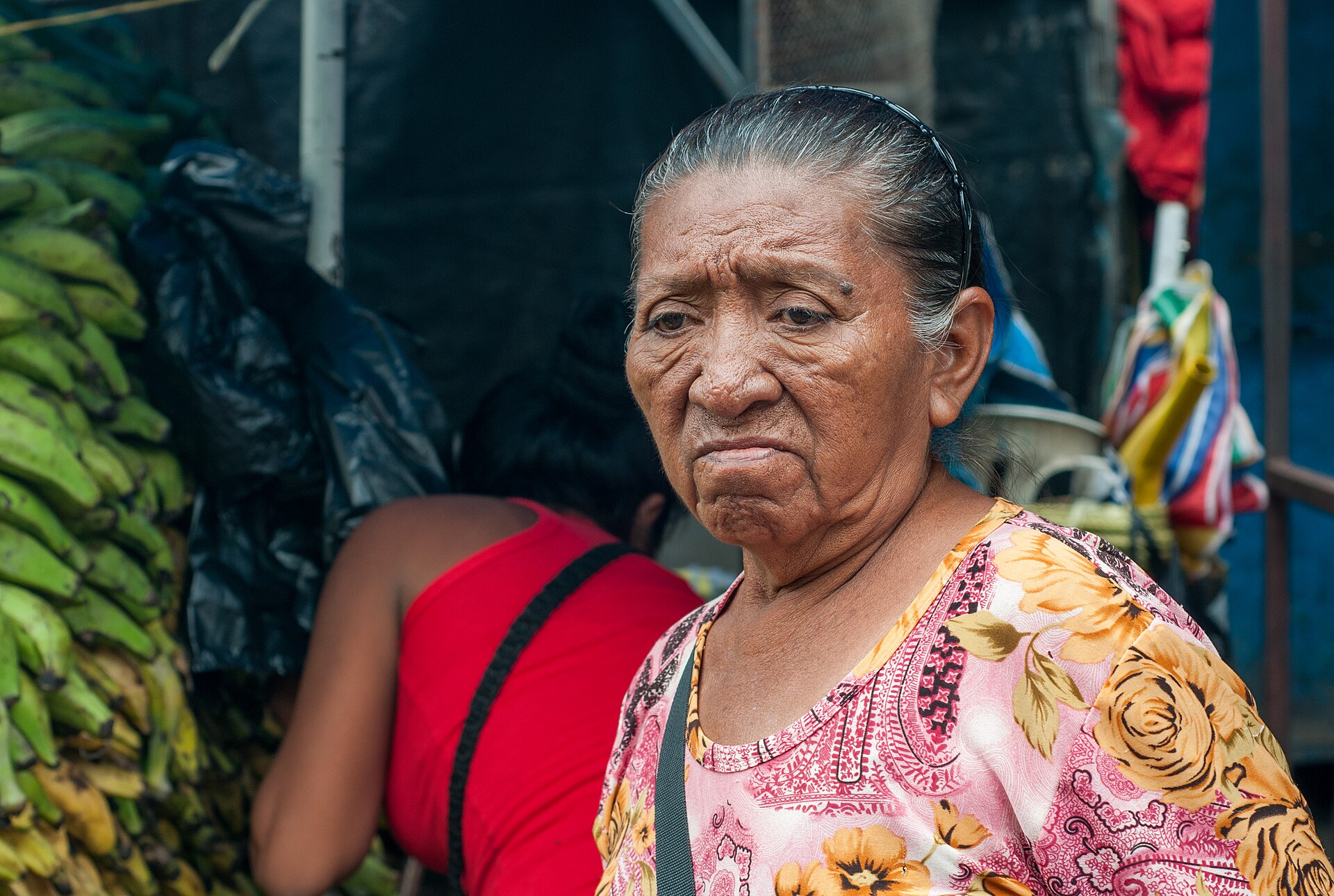
Religion in Venezuela
Venezuela is a mainly Christian country, but there is no recent official count of religious affiliation. The State Department’s 2023 religious freedom report says up to 96% of people are Catholic, based on older official statistics.
The report adds that the growth of evangelical churches and of non-believers has likely reduced that share considerably. The Evangelical Council of Venezuela estimates that 17% to 20% of the population is Protestant, mostly evangelical.
A 1964 concordat with the Holy See still governs relations with the Catholic Church, including state funding for Catholic schools. Many Venezuelans also follow Santería or Spiritism alongside Christianity, observers cited in the report say.
Muslim leaders estimate 100,000 to 150,000 followers of Islam, mostly of Lebanese, Palestinian and Syrian descent. They live mainly in Nueva Esparta state, home of Margarita Island, in Caracas, and in Valencia and Maracaibo.
The Immigrants Who Shaped Venezuela
Before the crisis, oil wealth made Venezuela a country of immigration for much of the 20th century. The 1961 census found 7.2% of residents born abroad, many of them Europeans who arrived after the Second World War.
By 2011, the foreign-born share had fallen to 4.2%, or 1,156,578 people. Colombians dominated, with 721,791, or 70.0% of those who named their country of birth.
- Spain: 46,463 residents born there in 2011.
- Portugal: 37,326.
- Peru: 32,144.
- Italy: 30,840.
- Ecuador: 25,012.
The Spanish, Portuguese and Italian communities left a lasting mark on business, food and family names. The border state of Táchira had the highest foreign-born share of any state, at 12.6% in 2011.
Migration, the Diaspora and the Return Question
The direction reversed after 2015, as hyperinflation, shortages and political repression pushed millions to leave. UN estimates show net emigration of about 817,000 people in 2017 and 1.36 million in 2018.
R4V, the regional platform co-led by the UN refugee agency UNHCR and the International Organization for Migration (IOM), tracks the exodus. It counted more than 6.9 million Venezuelans in the 17 Latin American and Caribbean countries it covers at the end of 2025.
UNHCR’s planning figure for 2026, set out in its Global Appeal 2026, puts the total abroad at nearly 7.89 million. Most live in Latin America and the Caribbean, with growing numbers settling in Colombia, Ecuador, Peru, Chile and especially Brazil.
Colombia, the main host covered in the guide to Colombia’s population, has given temporary protection to over 1.9 million Venezuelans since 2021. Brazil has recognised more than 139,000 Venezuelans as refugees and issued more than 571,000 residence permits since 2018.
Aid agencies in the R4V plan are seeking US$763 million for 2026 to help 1.2 million refugees and migrants. The money is meant for housing, food, water, education, protection and integration.
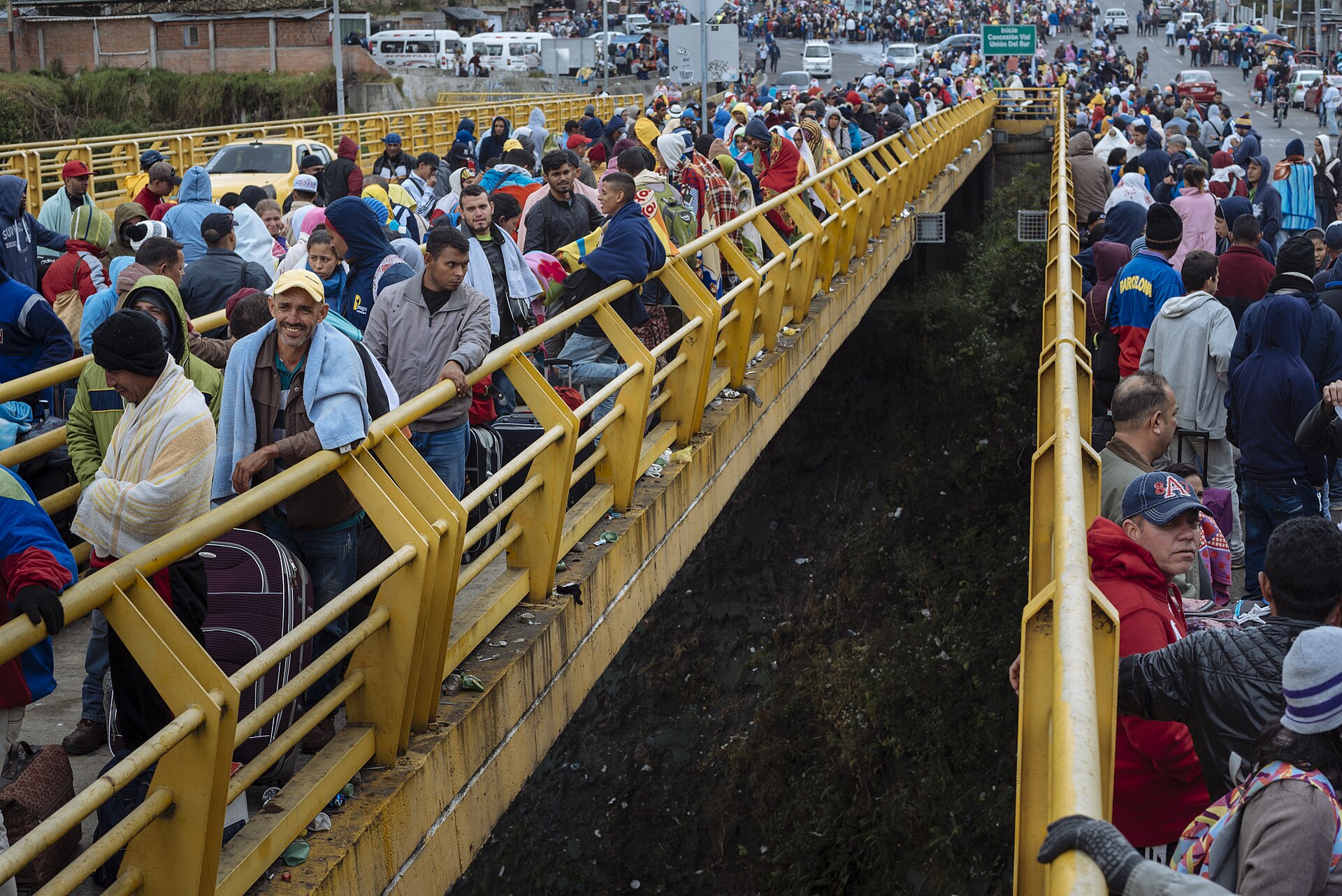
Return became the big question after US forces captured Nicolás Maduro on Saturday, 3 January 2026. Delcy Rodríguez, his vice-president, has since led the country as acting president, as the guide to who holds power after Maduro explains.
Venezuelan authorities say about 1.2 million people have returned in recent years, a figure UNHCR attributes to the government. UN refugee chief Barham Salih discussed return and reintegration with Rodríguez in Caracas, UNHCR said on Monday, 5 October 2026.
He said return is not the end of a journey but the beginning of a new one. The exodus also reshaped Venezuela’s weight in the region, covered in the guide to Venezuela’s role in Latin America.
How the Groups Live Together
The majority choice of moreno, a broad mixed category, shows how strongly Venezuelans see themselves as a mixed nation. Region often matters as much as skin colour in how people describe themselves.
Andean states such as Táchira and Mérida identify as whiter, while the plains and the east are more moreno and Black. Indigenous communities are concentrated in Zulia and the south, far from the capital.
Afro-Venezuelan traditions are part of national culture, from San Juan drumming on the coast to the Dancing Devils of Corpus Christi. UNESCO added Venezuela’s Dancing Devils to its list of intangible cultural heritage in 2012.
Colombian-born residents formed the largest immigrant community for decades, especially in the border state of Táchira. The guide to Venezuelan culture and its key figures shows how these strands meet in music, food and sport.
Indigenous peoples face the deepest gaps in schooling and services, as the census literacy figures show. The 2026 transition has not yet produced new national data on how each group is faring.
What It Means for US Readers
For the United States, Venezuela’s population matters mainly through migration, asylum and deportation policy. In May and October 2025, the Supreme Court let the administration end Temporary Protected Status for Venezuelans while appeals continued.
On Monday, 5 October 2026, the court vacated a Ninth Circuit judgment in the TPS case and sent it back for review. Venezuelans with pending cases should check the US Citizenship and Immigration Services website for their current status.
For investors, a smaller workforce at home is a constraint on oil and other industries trying to restart. The guide to foreign powers and investors in Venezuela explains who is putting money in.
Travellers will find a mostly Spanish-speaking, highly urban country centred on Caracas, Maracaibo and Valencia. The Venezuela news page collects the latest coverage, and the State Department advisory should be read before any trip.
What Prediction Markets Say
On Polymarket, bets gave a 10.5% chance of a presidential election being scheduled by 31 December 2026 (15 October, 7:56 a.m. ET). That market had traded about US$145,000, within an event worth about US$637,000.
Any election would also test whether millions of Venezuelans abroad can register and vote. No election date had been set as of mid-October 2026.
Why we show this: prediction markets turn real-money bets into a live probability that moves within minutes of the news, which is why investors, campaigns and newsrooms in the United States now follow them closely. We show them next to polls and official results, never instead of them.
What Is Not Known
Without a census since 2011, nobody knows the exact Venezuela population today. The UN and INE figures differ by about six million, and no new count has tested either one.
The size of the diaspora is also uncertain, because many migrants lack papers and some have moved on or returned. The government’s figure of 1.2 million returns has not been independently verified.
There is no recent official data on religion, and the ethnic figures date from 2011. It is not known when INE will hold the next national census.
Frequently Asked Questions
What is the population of Venezuela in 2026?
The UN estimates about 28.6 million people in mid-2026 in its latest World Population Prospects. The national statistics office still projects 34.8 million, a series that shows no sign of the emigration since 2015.
What are the main ethnic groups in Venezuela?
In the 2011 census, 51.6% identified as moreno, or mixed, and 43.6% as white. Another 3.6% identified as Black or Afro-descendant, and 2.7% belonged to an Indigenous people.
How many Venezuelans have left the country?
R4V counted more than 6.9 million Venezuelan refugees and migrants in 17 Latin American and Caribbean countries at the end of 2025. The UN refugee agency’s 2026 planning figure puts the total abroad at nearly 7.89 million.
What languages are spoken in Venezuela?
Spanish is the official language, and the 1999 Constitution gives Indigenous languages official status for Indigenous peoples. The 2011 census recorded 52 Indigenous peoples, the largest being the Wayuu of Zulia state.
What religion are most Venezuelans?
Most Venezuelans are Catholic, although there is no recent official count of religion. The Evangelical Council of Venezuela estimates that 17% to 20% of the population is Protestant.
Where do most Venezuelans live?
Nearly nine in ten lived in urban areas at the 2011 census, mostly along the north coast and in the northern valleys. Zulia, Miranda, Carabobo and the Distrito Capital in Caracas were the most populous areas in 2011.
Sources: INE, Censo 2011, Monografía Total Nacional; INE, Indigenous population, 2011 census; INE, 2011 census basic results; INE, dwellings, households and persons, 2011 census; INE, place of birth, 2011 census; INE, national population projection (2011 census base); UN DESA Population Division, World Population Prospects 2024; UNHCR, Global Report 2025, Venezuela situation; UNHCR, Global Appeal 2026, Venezuela situation; R4V, Regional Refugee and Migrant Response Plan 2026; US State Department, 2023 Report on International Religious Freedom, Venezuela; UNESCO, Dancing Devils of Corpus Christi; US Supreme Court, Noem v. National TPS Alliance, order of 3 October 2025 (606 U.S. 1063); US Supreme Court, Mullin v. National TPS Alliance, No. 26-48, order list of 5 October 2026;Constitution of 1999, Article 9 (text); UNHCR (ACNUR), High Commissioner’s visit to Mexico, Peru and Venezuela, 5 October 2026 (all accessed 15 October 2026).
This article was produced by The Rio Times’ automated newsroom system. How we use AI · Report an error · Editorial responsibility: Matthias Camenzind, Editor-in-Chief
Expat Guide to Venezuela
What The Rio Times publishes for foreigners who live in or move to Venezuela.
Start here
- Healthcare in Venezuela for Expats: Clinics, Insurance and the Private Option
- Taxes in Venezuela for Expats: What Foreigners Pay During the Transformation
- Venezuela Visa and Residency 2026, Entry Rules and Steps
- Spain and Portugal Close Their Golden Visa Doors, Forcing LATAM Investors to Reroute
Understand Venezuela