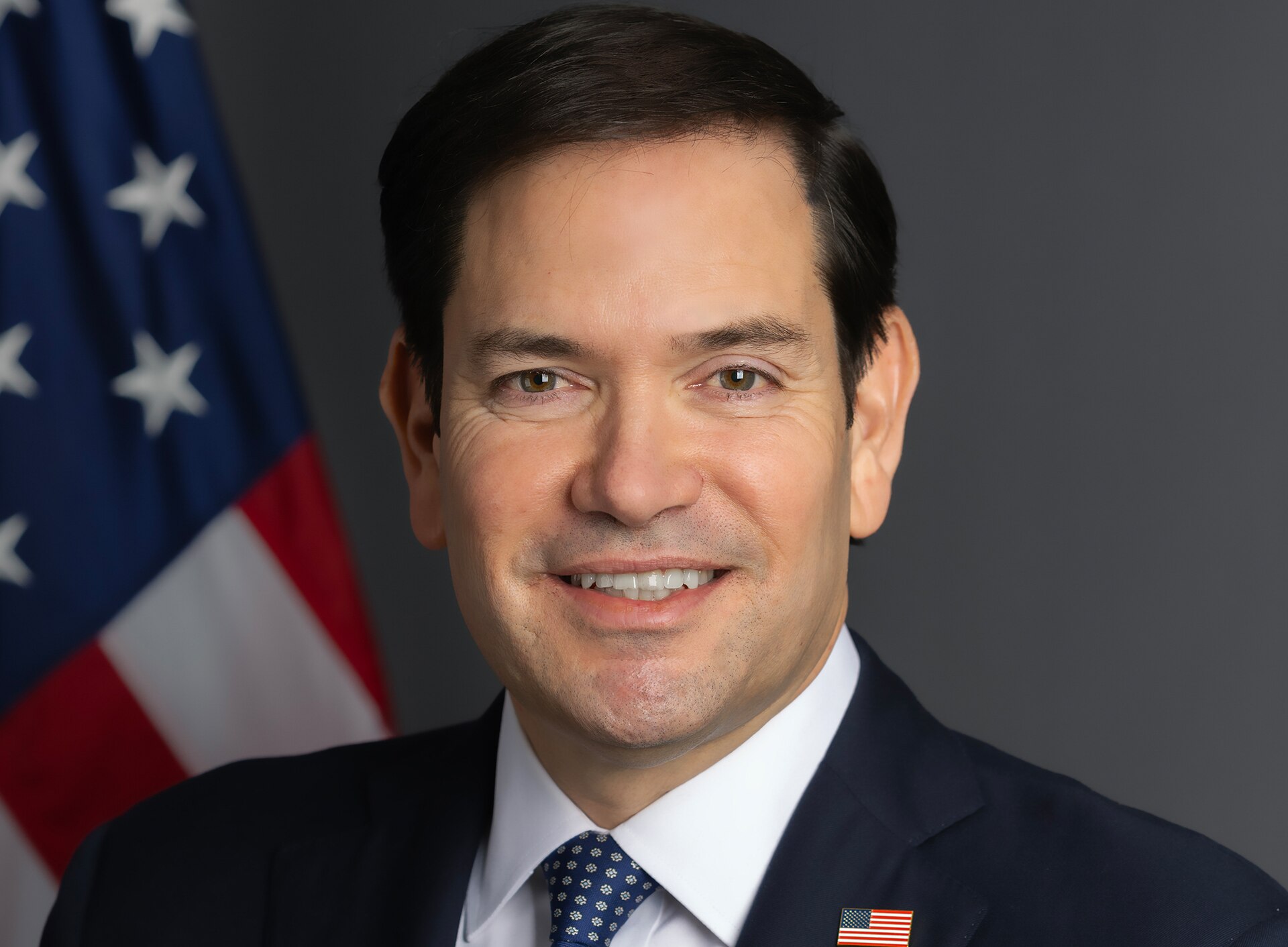
Published Thursday, Nov. 5, 9:28 p.m. ET (10:28 p.m. Caracas) · Source: US Secretary of State Marco Rubio, interview remarks
Washington has floated a year for Venezuela’s return to the ballot box, and it came with a hedge. Secretary of State Marco Rubio said on Thursday, Nov. 5, 2026, that elections would "ideally" be held next year, but he would not promise a vote before President Donald Trump’s term ends.
Rubio spoke in a newspaper interview at the White House. Our venezuela us tensions guide explains how the two countries got here.
Key Facts
- What happened: Rubio said Venezuela’s elections would "ideally" be held in 2027, without guaranteeing a date.
- What comes first: A renewed Supreme Court and electoral council, a debt restructuring and security-force reforms.
- The numbers: Venezuela’s debt is estimated at more than US$200 billion.
- What happens next: Talks on the electoral council resume next week; court reform is targeted for mid-December.
- Prediction markets: Polymarket traders put 36.5% on an election being scheduled by March 31, 2027 (9:26 p.m. ET, Nov. 5).
This story is part of our coverage of the venezuela us tensions. Dates, times and how to follow it are in our guide.
In plain English
Venezuela is run by an acting government under Delcy Rodríguez, Nicolás Maduro’s former vice president, since the United States captured Maduro. Washington wants the courts and the election authority rebuilt first, then a vote.
Four Fixes Before Any Vote
Rubio said Venezuela must renew its Supreme Court and its electoral council, the body that organises elections. It must also advance restructuring of its debt and reform its security forces.
He said support from the security forces is essential, because that is what governing requires. In Venezuela, that puts the armed forces at the centre of any handover.
Rubio expects Washington-sponsored talks between the acting government and one sector of the opposition to produce a reformed Supreme Court by mid-December. Negotiators plan to meet next week on naming new members of the electoral council.
Under the plan, once the reforms are complete, Rodríguez should declare the presidency permanently vacant. That would open a six-month window to call elections.
His comments came a week after the Trump administration backed the road map agreed between the Venezuelan government and that opposition sector. The plan covers exactly those two bodies, the court and the electoral council.
Why Debt Is Part of the Election Story
Rubio called Venezuela’s debt, estimated at more than US$200 billion, a major obstacle to economic recovery and new investment. He said restructuring is the task of the interim authorities now, but it could well extend to an elected government.
On security cooperation, he said Washington would like, at some point, an agreement covering US troops in Venezuela. The aim, he said, is mainly legal protection for the troops, and detailed talks have not yet taken place.
What Prediction Markets Say
On Polymarket, a crypto-based prediction market, traders put 36.5% on a Venezuelan presidential election being scheduled by March 31, 2027, and 8.5% by Dec. 31, 2026 (9:26 p.m. ET, Nov. 5). The market has US$674,334 traded across all its dates. The same market gives 2.4% for a date by Nov. 30, so traders see any vote slipping into next year. A separate market on the next winner has opposition leader María Corina Machado at 67.5% and Rodríguez at 10.5%, The market has US$68,276 traded across all candidates.
These prices are bets, not polls. Why we show this: prediction markets turn real-money bets into a live probability that moves within minutes of the news, which is why investors, campaigns and newsrooms in the United States now follow them closely.
We show them next to polls and official results, never instead of them.
What It Means for US Readers
For holders of Venezuelan government bonds, Rubio’s message is that a restructuring comes with the transition and may outlast it. That points to a long road, not a quick rebound.
Companies weighing a return must plan around a timetable that depends on court and election-body reforms.
Two signals come next: the negotiators’ meeting next week and the mid-December court target. A newly named electoral council would confirm progress, while a slipped deadline would support the traders’ doubts. The Dec. 31, 2026 deadline, priced at 8.5%, is the next hard test.
What Is Not Known
No election date is set, and Rubio would not promise one before Trump leaves office. It is unclear whether the wider opposition accepts a plan negotiated with only one sector.
The reports we reviewed gave no reaction from Caracas or from opposition leaders outside the talks. We will update this report when Washington or Caracas adds detail.
More: Venezuela news in English, every day from The Rio Times.
Frequently Asked Questions
When could Venezuela hold elections?
Rubio said "ideally" in 2027, but he gave no date and no guarantee. Reforms of the Supreme Court and the electoral council come first.
What must happen before a vote?
A renewed Supreme Court and electoral council, a debt restructuring and security-force reforms. Then Rodríguez would declare the presidency vacant, opening a six-month window to call elections.
Sources: US State Department, Consejo Nacional Electoral (Venezuela’s electoral council), Polymarket.
Editorial responsibility: Matthias Camenzind, Editor-in-Chief · Editorial standards · Report an error
Venezuela and the United States
- What Is Going On Between Venezuela and the United States?
- What Is Going On Between Venezuela and the United States?
- Venezuela Geopolitics Explained, US Now Runs Its Oil
- Venezuela Politics 2026, Who Holds Power After Maduro