Who Is Nicolás Maduro? Venezuela’s Deposed Leader and His 2027 US Trial Explained

PROFILES · VENEZUELA
Key Facts
- The country Venezuela holds the world’s largest proven oil reserves and sent more than 7 million people abroad during Maduro’s rule. What happens there moves oil markets and migration across the Americas.
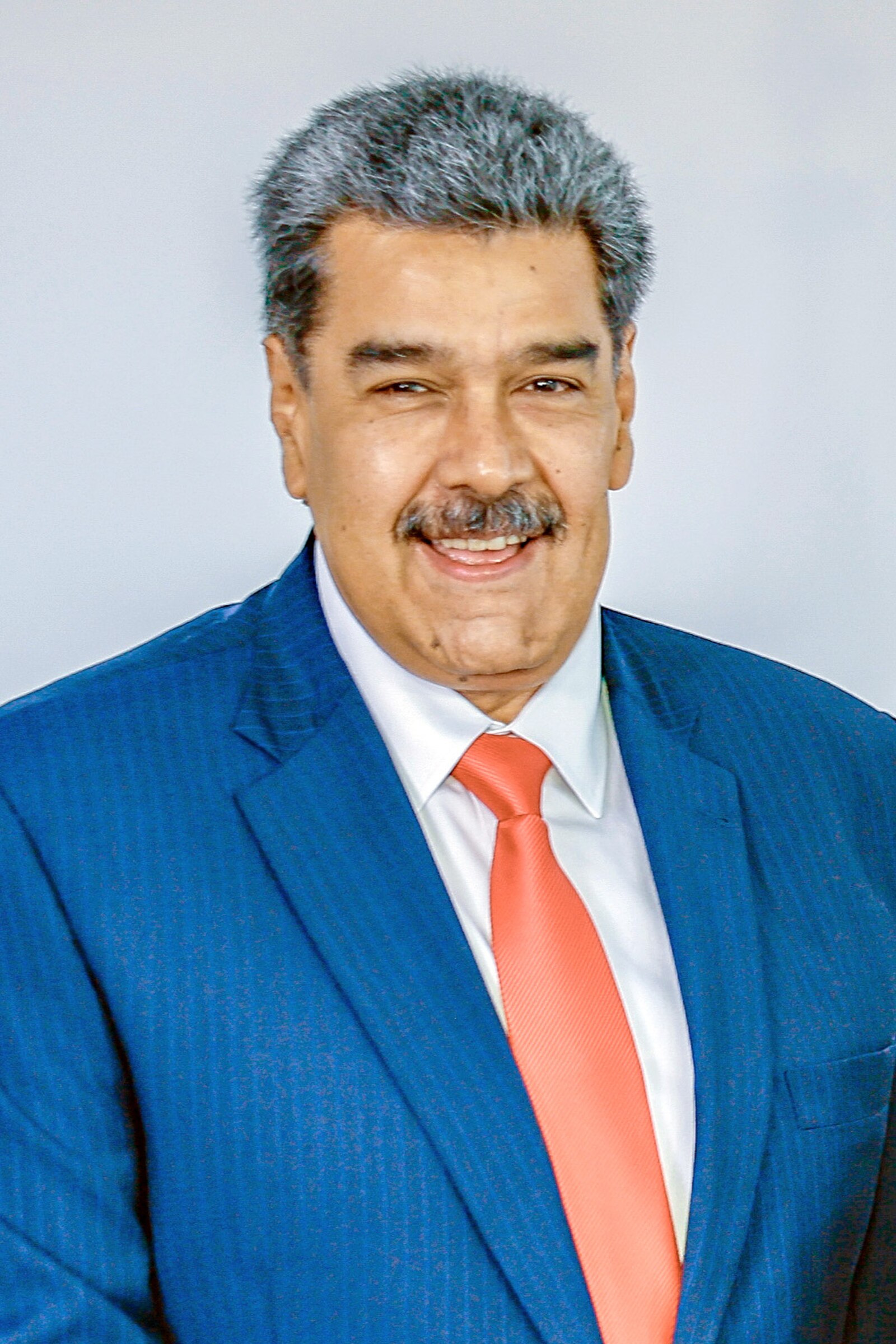
- Who he is Nicolás Maduro Moros, born in Caracas on 23 November 1962. A former bus driver and union organiser, he was Hugo Chávez’s chosen heir and led Venezuela from March 2013 to January 2026.
- Power base The United Socialist Party of Venezuela (PSUV), the armed forces, loyal courts and electoral authorities, and alliances with Cuba, Russia, China and Iran.
- Record Economic collapse, hyperinflation and mass emigration, followed by a partial dollarised recovery. Disputed election wins in 2013, 2018 and 2024.
- Controversies Held in Brooklyn since January 2026 on US charges including narco-terrorism conspiracy. He has pleaded not guilty and calls his capture a kidnapping. A UN mission accused his security forces of crimes against humanity.
- Outlook Trial set for Tuesday 1 June 2027 before Judge Alvin Hellerstein. Oral arguments on his head-of-state immunity motion are set for Tuesday 17 November 2026.
This story is part of our coverage of the Venezuela US tensions. Who runs Venezuela, the US sanctions and oil deals, the Maduro case and the odds are in our dossier.
Who is Nicolás Maduro? The former bus driver who ran Venezuela for almost 13 years is now a defendant in a New York courtroom, and his case shapes how Washington deals with Caracas.
For American and European readers, Maduro matters beyond Venezuela. His rule produced one of the largest migrations in modern Latin American history, and his prosecution tests how far US courts will go against a sitting foreign leader.
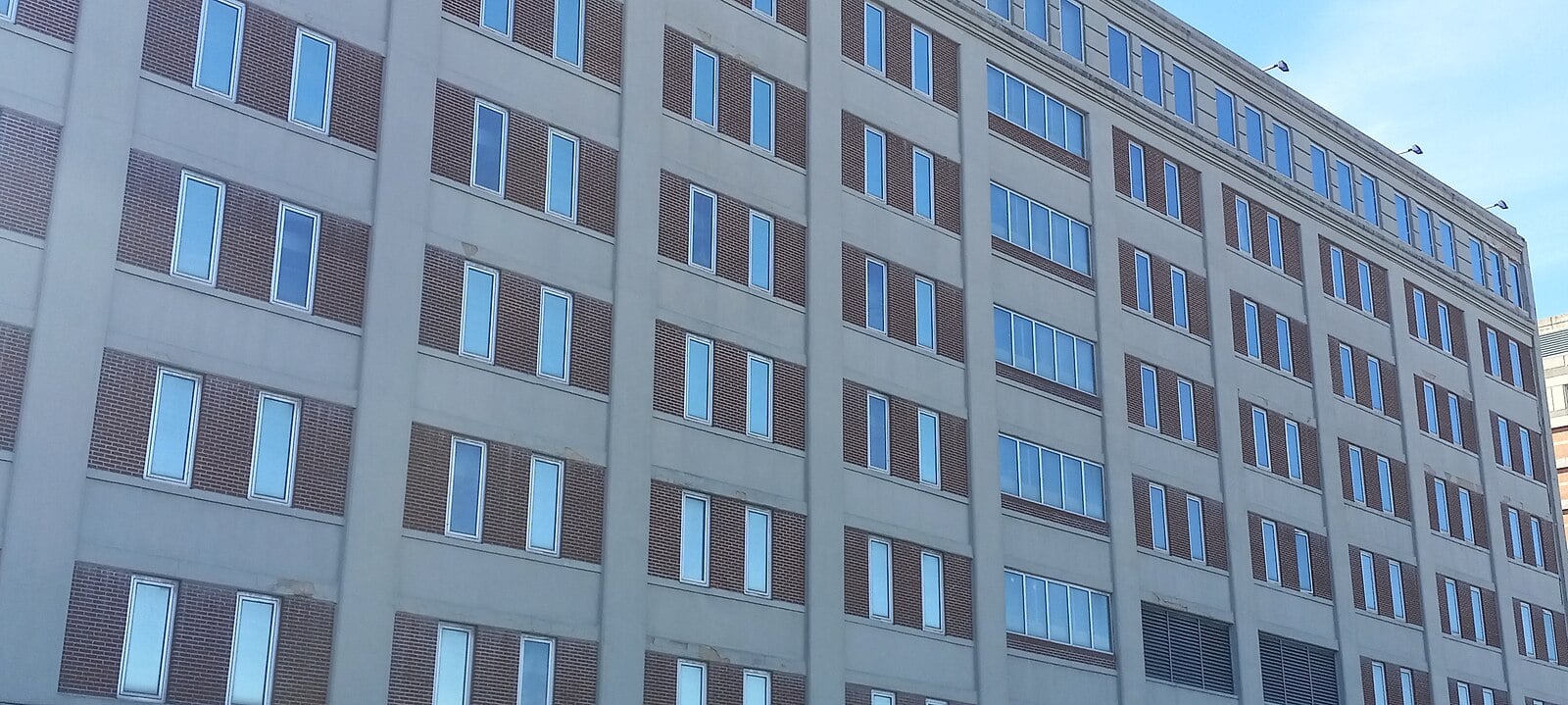
As of 29 September 2026, Nicolás Maduro is in US federal custody at the Metropolitan Detention Center in Brooklyn. US forces seized him and his wife, Cilia Flores, in Caracas on Saturday 3 January 2026.
Both have pleaded not guilty. Venezuela is run by acting president Delcy Rodríguez, his former vice-president.
This profile explains where he came from, how he held power, what he is accused of, and what comes next. Every charge described below is an allegation.
No court has convicted him of anything.
Early life and career
Maduro was born in Caracas on 23 November 1962. As a young man he was active in left-wing politics.
At 24 he spent a year in Havana at the Escuela Nacional de Cuadros Julio Antonio Mella, a Cuban political training school. The Cuban connection would stay with him for the rest of his career.
Back home he drove buses for the Caracas Metro system and helped found an unofficial union there. Union work gave him organising skills and a route into the movement around Hugo Chávez, the army officer who led a failed coup in 1992.
He married Cilia Flores in July 2013, but the two had been political partners for years. Flores was a lawyer who helped defend Chávez after the 1992 coup attempt.
She later became president of the National Assembly herself. Maduro’s son from an earlier relationship, Nicolás Maduro Guerra, is also a politician.
Rise to power
Maduro won a seat in the National Assembly in 2000, a year after Chávez took office. He served as president of the Assembly from 2005 to 2006.
In August 2006 Chávez made him foreign minister. He held that post for more than six years, until January 2013.
It was a period of oil-funded diplomacy. Venezuela sold cheap crude to Caribbean allies and built ties with Cuba, Russia, China and Iran.
Maduro became the face of that outreach.
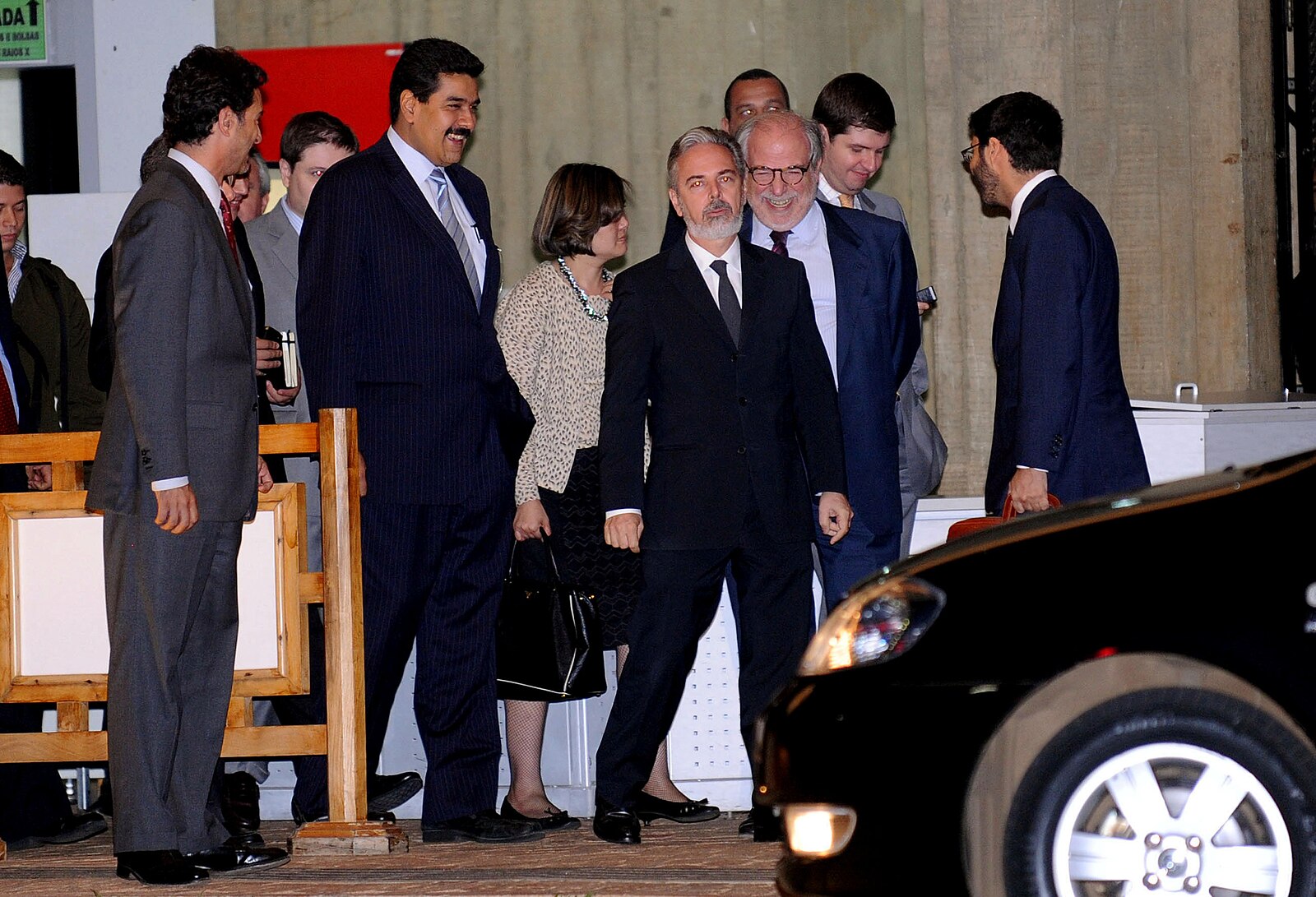
On 13 October 2012 Chávez named him vice-president. Two months later, before cancer surgery in Cuba, Chávez told the country that Maduro should succeed him if he could not continue.
It was an unusual public endorsement, and it settled the succession. Chávez died on 5 March 2013 and Maduro became acting president.
He won the snap election of 14 April 2013 against Henrique Capriles by about 1.5 percentage points. Capriles rejected the result.
The narrow margin foreshadowed every later dispute over his legitimacy.
Power base
Maduro never had Chávez’s personal popularity. He relied instead on institutions.
The first was the ruling United Socialist Party of Venezuela (PSUV), with its local networks and control of state jobs and food programmes. The second was the military.
Officers were given ministries, state companies and control over ports, mining and food imports. Diosdado Cabello, a former army officer and party heavyweight, remained one of the most powerful figures around him.
The third was the courts and the electoral authority. When the opposition won a large majority in the December 2015 legislative election, the Supreme Tribunal of Justice (TSJ) repeatedly blocked the new Assembly.
In July 2017 Maduro convened a separate Constituent Assembly that sidelined it, despite wide international condemnation. Abroad, Cuba supplied advisers and intelligence help, while Russia and China supplied loans, arms and diplomatic cover.
That network helped him survive January 2019, when opposition leader Juan Guaidó declared himself interim president and the United States and dozens of other governments recognised him.
Record in office
Maduro inherited an economy that depended on oil for almost all export earnings. When oil prices collapsed in 2014, the state could no longer fund imports, subsidies and price controls.
Shortages of food and medicine followed, then hyperinflation. Oil production fell for years because of underinvestment, mismanagement and, from 2017 and 2019, US financial and oil sanctions.
His government blamed an “economic war” waged by Washington. Most independent economists pointed to domestic policy failures that sanctions later deepened.
People voted with their feet. UN agencies count more than 7 million Venezuelans living abroad, most of them elsewhere in Latin America, led by Colombia and Peru.
The exodus reshaped labour markets and politics across the region and at the US border. From around 2019 the government quietly loosened controls.
It tolerated the use of US dollars, eased price rules and let private importers operate. Inflation came down from its peak and some shops refilled, but living standards stayed far below their earlier levels.
The 2024 election
The defining episode of his last years was the presidential election of Sunday 28 July 2024. The main opposition leader, María Corina Machado, was barred from standing.
Edmundo González, a retired diplomat, ran in her place. The National Electoral Council (CNE) declared Maduro the winner with 51.95 percent against 43.18 percent for González.
It never published the detailed polling-station results that Venezuelan law requires. The opposition published tally sheets it had collected, which it said showed González winning 67 percent.
The Carter Center, which observed the vote, said it could not be considered democratic. A UN panel of experts said the announcement of a winner without detailed results had no precedent in contemporary democratic elections.
The TSJ certified the CNE result on 22 August 2024. Security forces cracked down on protests, and thousands were detained.
González fled to Spain in September 2024 after an arrest warrant was issued against him. Maduro was sworn in for a third term on Friday 10 January 2025.
Controversies
The US criminal case
US prosecutors first charged Maduro publicly in March 2020, in the Southern District of New York. The State Department offered US$15 million for information leading to his arrest.
It raised the reward to US$25 million in January 2025 and to US$50 million in August 2025.A superseding indictment was unsealed on 3 January 2026, the day of his capture.
It alleges that Maduro led a drug-trafficking network that worked with armed groups to send cocaine to the United States. The counts include narco-terrorism conspiracy, cocaine-importation conspiracy and weapons offences.
Co-defendants named alongside him include Cilia Flores, Diosdado Cabello, former interior minister Ramón Rodríguez Chacín and his son Nicolás Maduro Guerra. In March 2026 prosecutors described Cabello, Rodríguez Chacín and Maduro Guerra as still at large in Venezuela.
Maduro and Flores pleaded not guilty at their arraignment on Monday 5 January 2026. Maduro told the court he was innocent and called himself a prisoner of war.
He and his lawyers describe the raid as a kidnapping; the US government called it a law-enforcement operation.
On Wednesday 22 July 2026 Judge Alvin Hellerstein set the trial for Tuesday 1 June 2027. On Wednesday 2 September 2026 the defence asked him to dismiss the case.
Maduro’s lawyers argue that a sitting head of state is immune from prosecution in foreign courts. Prosecutors are expected to argue that the United States stopped recognising him as Venezuela’s leader in 2019.
Cilia Flores asked on 9 September 2026 to await trial under home confinement, citing a heart condition. The judge sealed her medical records.
Prosecutors opposed her release in late September, according to the Miami Herald, and no ruling had been made as of 29 September. A former military intelligence chief, Hugo Carvajal, pleaded guilty in the same wider case in June 2025.
Other allegations
In May 2026 CBS News and Reuters reported that the Justice Department had opened a second criminal inquiry into Maduro in Miami. It concerns alleged laundering of money from the CLAP state food programme.
No second indictment against him has been made public. His associate Alex Saab, deported to the United States by the Rodríguez government in May 2026, pleaded guilty in Miami on 15 September 2026 to a money-laundering conspiracy involving about US$195 million, according to AP and PBS.
He agreed to cooperate with prosecutors. On human rights, a UN fact-finding mission reported in September 2020 that it had reasonable grounds to believe Venezuelan security forces committed crimes against humanity.
It said Maduro and senior ministers knew of or contributed to the abuses. His government rejected the findings.
The International Criminal Court opened an investigation in November 2021, and an Argentine court has ordered his arrest on crimes-against-humanity grounds.
What to watch
Tuesday 17 November 2026. Judge Hellerstein hears oral arguments on the immunity and dismissal motions. A ruling for the defence would be a major surprise.
A ruling for the government would clear the way for further pre-trial fights over evidence.Monday 11 January 2027. The deadline for a second round of pre-trial motions under the July scheduling order.
Tuesday 1 June 2027. The scheduled trial date. Trials of this size often slip, and a plea deal cannot be ruled out, though Maduro has shown no sign of seeking one.
Caracas. Watch whether acting president Delcy Rodríguez calls a new presidential election, and whether cooperating witnesses such as Saab and Carvajal testify. Maduro maintains that he remains the lawful president.
Venezuela’s Supreme Tribunal installed Rodríguez citing his “forced absence”, not a vacancy, a distinction with legal consequences inside Venezuela.
What this means for foreigners and investors
For companies, Maduro’s removal has not meant a clean break. Most of the officials who run ministries, the oil company PDVSA and the security forces served under him.
Contracts, licences and US sanctions relief still depend on Washington’s relationship with his successors. Oil investors should watch the US Treasury’s general licences more closely than the courtroom.
Those licences, not the trial, decide who may lift Venezuelan crude and on what terms. For travellers and expats, the case is mostly background.
Western governments still advise caution about travel to Venezuela. Anyone with business ties to people named in the indictment should take legal advice, because US sanctions and forfeiture rules reach their assets.
For the wider region, the precedent matters. A former head of state seized by US forces and tried in New York is new territory for Latin America.
Governments from Mexico to Brazil will read the immunity ruling closely.
Connected Coverage
Venezuela Explained: The Transformation, the Oil Economy and What to Watch
Maduro’s Wife Wants Out of a Brooklyn Jail. Reports That Cilia Flores Was Refused Are Wrong.
Trump and Venezuela’s Rodríguez Meet in New York Without a Deal
Venezuela Still Runs Maduro’s Repression System, UN Mission Says
Spain’s Courts Put Venezuela’s Delcy Rodríguez in an Awkward Spotlight
What Is Not Known
Whether Judge Hellerstein will accept any part of the immunity argument. US courts rejected a similar claim by Panama’s Manuel Noriega after 1989, but the facts of Maduro’s capture differ, and no court has yet ruled.
What evidence the government holds. Much of it has not been made public, and prosecutors have sought to limit what may be shared with co-defendants still at large.
Whether Saab or Carvajal will testify against Maduro is not known. Whether a second US indictment will follow in Miami, and whether the International Criminal Court or Argentina can ever pursue him while he is in US custody.
When Venezuela will hold a new presidential election, and whether Maduro’s own party still sees him as its leader.
Sources: US federal court filings, the State Department, the Carter Center, the UN fact-finding mission, Reuters and AP (accessed 29 September 2026).
- Case record summary, United States v. Maduro Moros et al., S.D.N.Y. 1:11-cr-00205, with DOJ and court citations
- Reuters via The Irish Times — June 2027 trial date and motion schedule, 22 July 2026
- Associated Press via OPB — immunity motion, 3 September 2026
- The Carter Center — statement on the 28 July 2024 election
- UN Independent International Fact-Finding Mission on Venezuela
- Al Jazeera — UN mission finds crimes against humanity, 16 September 2020
More: Venezuela news in English, every day from The Rio Times.
Frequently Asked Questions
Where is Nicolás Maduro now?
As of 29 September 2026 he is held at the Metropolitan Detention Center in Brooklyn, New York. US forces seized him and his wife, Cilia Flores, in Caracas on 3 January 2026. Both have pleaded not guilty.
What is Nicolás Maduro charged with?
A US indictment in the Southern District of New York alleges narco-terrorism conspiracy, cocaine-importation conspiracy and weapons offences. These are allegations. He denies them, and no court has convicted him.
When is Maduro’s trial?
Judge Alvin Hellerstein has set the trial for Tuesday 1 June 2027. Oral arguments on the defence motion to dismiss the case on head-of-state immunity grounds are set for 17 November 2026.
Who runs Venezuela now?
Delcy Rodríguez, Maduro’s former vice-president, has been acting president since January 2026. The Supreme Tribunal installed her citing Maduro’s “forced absence”, and he maintains that he remains the lawful president.
Did Maduro win the 2024 election?
The electoral council declared him the winner with 51.95 percent but never published detailed results. The opposition’s tally sheets showed Edmundo González winning 67 percent, and the Carter Center said the vote could not be considered democratic.
In depth
This article was produced by The Rio Times’ automated AI newsroom. Editorial responsibility: Matthias Camenzind, Publisher and Editor-in-Chief. The Rio Times also runs Ask Rio Times, which answers from 100,000+ of our own articles, the daily Latin America Power Map, and prediction-market odds on elections and markets.. How we use AI · Report an error
Expat Guide to Venezuela
What The Rio Times publishes for foreigners who live in or move to Venezuela.
Start here
- Venezuela Education and Healthcare Explained
- Moving to Venezuela in 2026: Visa, Costs and Safety
- Venezuela Security and Crime Explained 2026
- Healthcare in Venezuela for Expats: Clinics, Insurance and the Private Option
Understand Venezuela
Venezuela and the United States
- What Is Going On Between Venezuela and the United States?
- What Is Going On Between Venezuela and the United States?
- Venezuela Geopolitics Explained, US Now Runs Its Oil
- Venezuela Politics 2026, Who Holds Power After Maduro