Healthcare in Senegal for Expats 2026 — Costs, Clinics and Insurance
GUIDES · SENEGAL
Key Facts
- —What it is A two-layer system — an affordable public network nationwide, and private clinics concentrated in Dakar.
- —Who it’s for Foreign residents, retirees and long-stay visitors who need routine care, specialists or emergency treatment.
- —What it costs A private consultation runs about 10,000–20,000 CFA francs (about US$17–US$35), usually paid before treatment.
- —Why it matters Public care is cheap but thin, while private care is faster and wants payment first.
- —The catch Complex surgery, cardiac care and major trauma often mean evacuation, so evacuation cover is essential.
Healthcare in Senegal for expats means an affordable public network, a faster private tier in Dakar, and cover that can move you abroad.
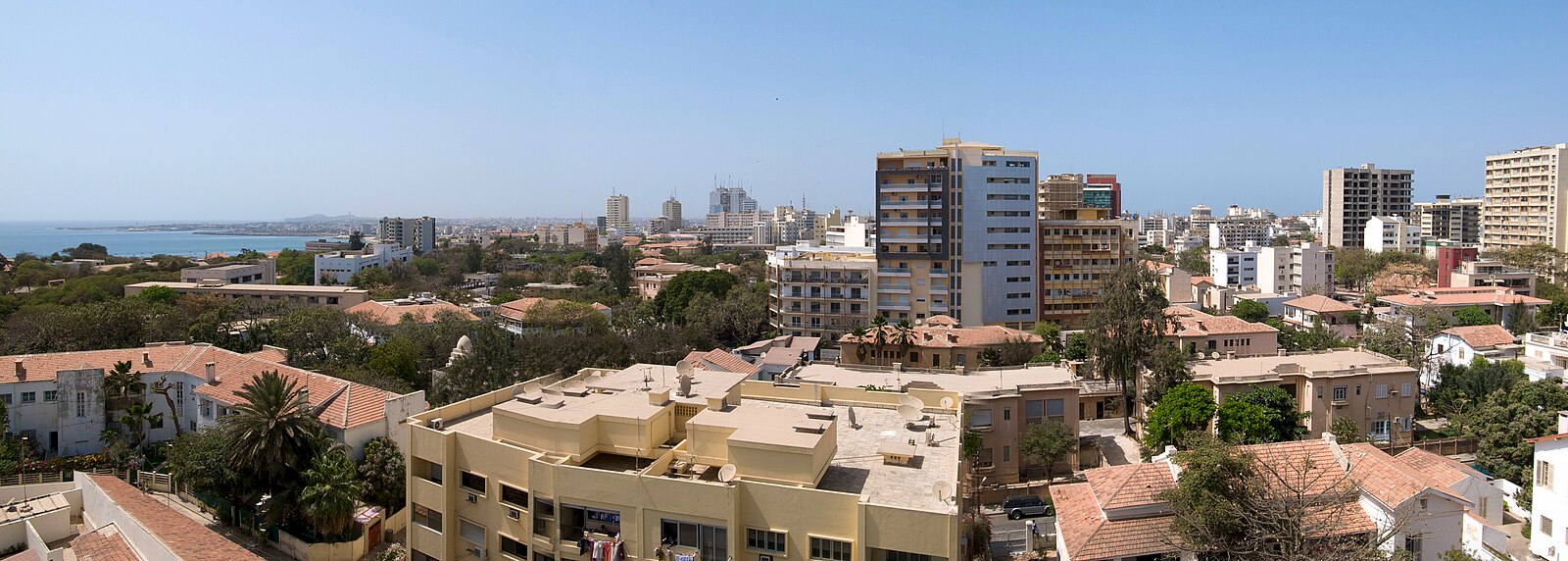
Healthcare in Senegal for expats in 2026 comes in two layers: a cheap but uneven public network, and private clinics in Dakar. Serious cases still often leave the country, so insurance with medical evacuation is the standard.
How healthcare in Senegal for expats actually works
Healthcare in Senegal for expats runs on two layers that rarely meet. One is the national public network; the other is the private clinic tier in Dakar.
The public side is inexpensive and reaches the whole country, but it is unevenly equipped. The private side is faster and better supplied, and it sits mostly in the capital.
The United States State Department is direct about the split. It says several hospitals and clinics in Dakar can treat major and minor injuries and illnesses.
The same page says facilities outside Dakar are extremely limited and unable to handle major injuries. That single sentence shapes most decisions foreigners make here.
So most foreign residents use private care in Dakar for daily needs. They then hold insurance that can move them abroad when a case outgrows the city.
The public network and the universal-coverage scheme
Senegal’s public system runs from small health posts up to national referral hospitals in Dakar. Specialist capacity thins quickly as you move down that ladder.
The country’s universal-coverage policy is run by the Agence de la Couverture Sanitaire Universelle du Sénégal. It works through community health mutuals, free-care programmes and employer schemes rather than one single fund.
Expat guidance reports that the scheme now reaches more than half the population. We could not confirm a current official coverage rate from the agency itself, so treat that share as indicative.
Healthcare in Senegal for expats is not part of that scheme by default. Salaried staff are usually covered through an employer plan, while retirees and self-employed people arrange cover themselves.
Dakar’s private clinics and the francophone medical culture
Dakar’s private clinics are the normal first stop for foreign residents. Expat guidance describes them as better staffed and better equipped than most public wards.
We do not rank individual clinics here. No official quality ranking of Senegalese private facilities could be confirmed, so ask your embassy or insurer for their current provider list.
Medicine in Senegal is francophone. French is the working language in clinics, pharmacies, laboratories and on every form you will sign.
The British Foreign Office keeps a list of providers in Senegal where some staff speak English. Outside that small circle, expect to need French or a translator for consent and discharge papers.
What care costs, and why you pay up front
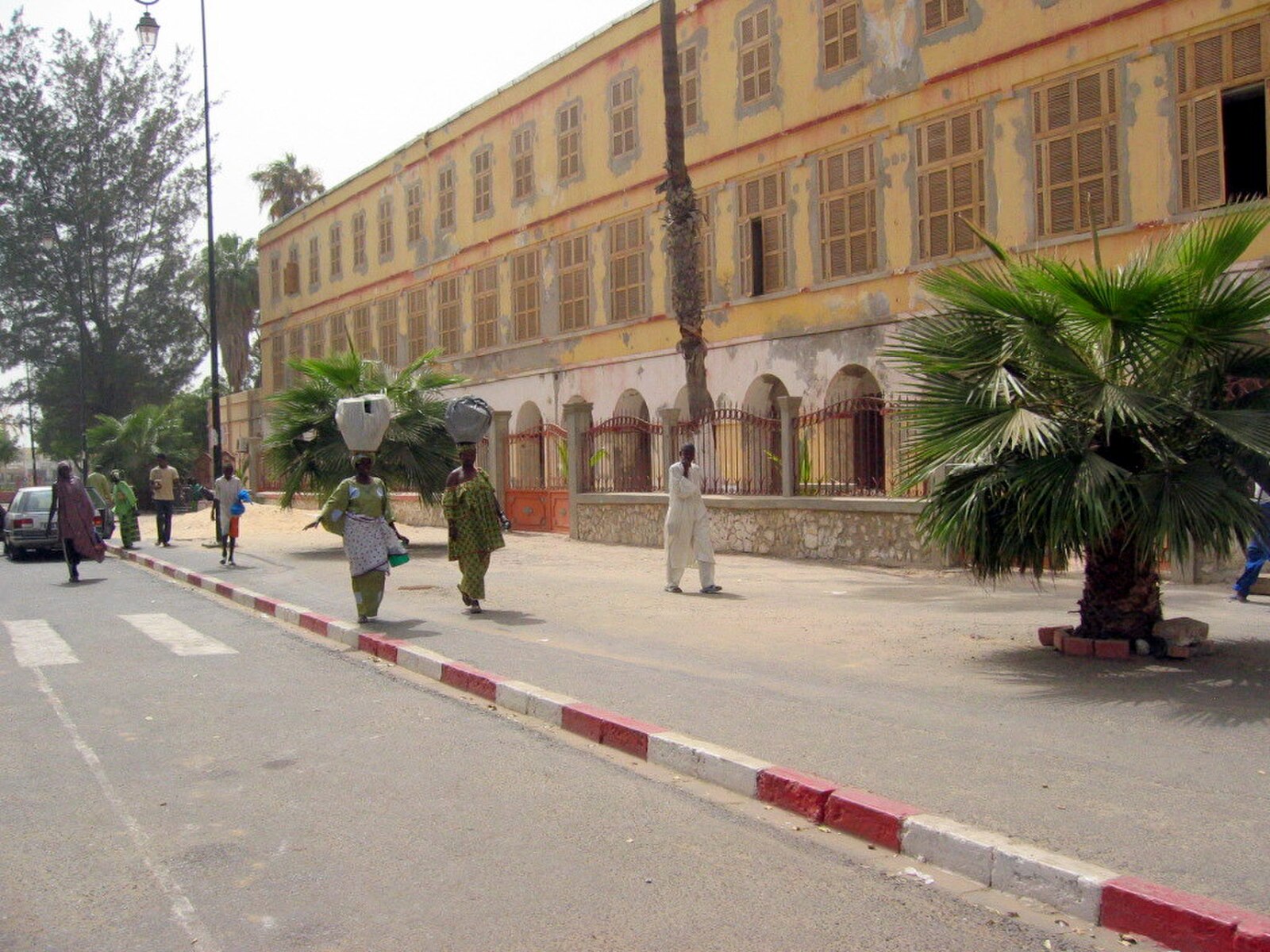
Costs for healthcare in Senegal for expats are not set by any published national tariff we could verify. The figures below come from expat guidance and are typical ranges, not official prices.
Expat.com reports a public general consultation at 3,000–10,000 CFA francs (about US$5–US$17). It puts a day in a public hospital at about 28,000 CFA francs (about US$49).
For private care, the same guidance reports a general consultation at 10,000–20,000 CFA francs (about US$17–US$35). A day in a private hospital is given as about 49,000 CFA francs (about US$86).
All conversions here use the exchange rate at 21 September 2026, about 571.6 CFA francs to the dollar. Private specialist and surgical fees vary widely, and no reliable published range could be confirmed.
Payment comes first, not last. The State Department notes that most care providers abroad accept cash only, and credit cards are not always available.
It adds that private hospitals often need payment up front, or proof of good insurance, before they treat you. Budget for that gap.
Keep every receipt and every report. Reimbursement by an international insurer usually depends on the paperwork you collect at the counter that day.
Insurance: employer schemes, mutuals and international plans
Salaried workers in the formal sector are generally covered by an employer-linked scheme known as an IPM. Expat guidance describes these as funded by a payroll contribution split between employer and employee.
The same guidance reports that IPM schemes and community mutuals reimburse roughly 50%–80% of eligible costs. That range comes from expat sources, not from a statute or fee schedule we could verify.
These schemes work inside a contracted network. They rarely include evacuation, and they rarely give open access to the private clinics foreigners prefer.
International plans are therefore the usual answer for healthcare in Senegal for expats. Premiums depend on age, cover level and evacuation region, and no credible published price range could be confirmed.
When medical evacuation becomes the real plan
Evacuation is the part of healthcare in Senegal for expats that people plan last and need most. Complex surgery, advanced cardiac care and major trauma are the cases that most often leave the country.
France’s official travel-health advice for Senegal is explicit. It says travellers must hold an assistance contract or insurance covering all medical costs, including surgery and hospitalisation, plus medical repatriation.
The State Department strongly recommends supplemental insurance to cover medical evacuation. The Foreign Office tells travellers to hold adequate health insurance and accessible funds for treatment and repatriation.
Read the evacuation clause before you sign anything. Check which destination it names, who decides a transfer is needed, and whether it pays the provider directly.
Vaccinations, yellow fever and malaria
Senegal changed its entry rules in 2026. France’s official guidance says proof of vaccination and vaccination booklets are no longer mandatory to enter the country.
From 9 March 2026, vaccines against yellow fever, DTP, measles and hepatitis A and B are recommended for protection. That is health advice, not a border requirement.
One exception still matters at the airport. The State Department says a yellow-fever vaccine is required for travellers aged nine months or older arriving from a risk country.
Malaria is the standing health reality here. France’s advice says the risk exists all year, and is lower from January to the end of June in the central-west.
That advice recommends a medical consultation before travel to arrange preventive treatment. Prophylaxis depends on your route, the season and your health, so no single rule fits everyone.
Pharmacies, prescriptions and counterfeit medicine
France’s official advice is blunt about street medicine. It says never to take medicines bought in the street, because of the risk of counterfeits.
The same page advises carrying only the medicines strictly needed for the trip. Keep them in their original packaging, together with the prescription.
Pharmacies are well established in Dakar and other large cities. The Foreign Office notes that pharmacies in major cities accept British prescriptions.
Supply of a specific brand can still be patchy. If you take a daily medicine, bring enough for your whole stay plus a buffer.
Maternal and paediatric care
Obstetric and paediatric specialists are concentrated in Dakar. Expat guidance describes the capital as holding the country’s most advanced facilities for pregnancy, delivery and children’s care.
That is a description, not an official ranking. No verified national quality rating of Senegalese maternity or paediatric units could be found.
The practical consequence is about distance, not prestige. Families expecting a baby, or raising small children, usually plan to live within reach of Dakar.
Ask your insurer in writing how it treats maternity, including any waiting period. Terms differ between plans, so confirm them long before you need them.
Care outside Dakar: Saint-Louis, Thiès, the Casamance and emergencies
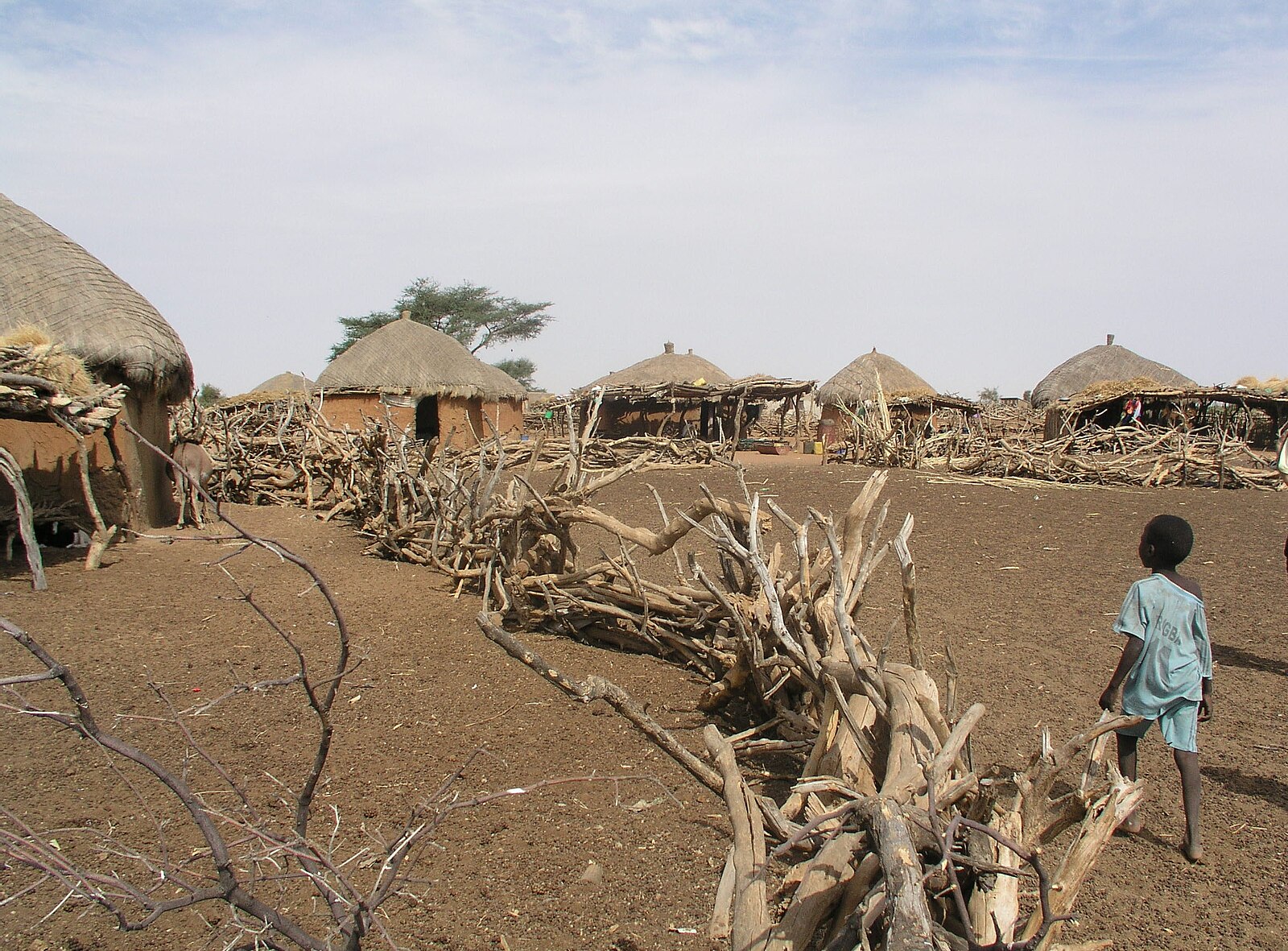
The gap outside the capital is documented by two governments. The State Department says facilities outside Dakar are extremely limited and unable to handle major injuries.
The Foreign Office puts it more mildly, calling facilities in Dakar reasonable and limited in the rest of Senegal. Both point the same way.
Saint-Louis, Thiès and the Casamance can handle routine care. Advanced diagnostics, specialist surgery and serious emergencies generally mean a transfer toward Dakar or abroad.
For an ambulance, the Foreign Office says to call 15. Expat guidance also lists 1515 and a free line, 800-881-881, for the public SAMU service, and 18 for fire and rescue.
Ambulance cover is the weak link in healthcare in Senegal for expats. The State Department says ambulance services are absent or unreliable in most areas except Dakar, with poor response times.
That is why evacuation cover matters more than a saved phone number. Know in advance which clinic you would use, and how you would reach it.
How Senegal compares with Ghana and Ivory Coast
Senegal, Ghana and Ivory Coast share the same broad shape. Public systems are affordable and uneven, and private urban clinics carry most foreign patients.
Expat commentary describes Senegal as unusually Dakar-centred, with a sharper drop in quality outside the capital. These are comparative impressions, not measured health-system scores.
Language is the practical difference between them. Senegal and Ivory Coast work in French, while Ghana works in English, which changes how easy daily care feels.
So do three things before you arrive. Buy international cover that names evacuation, check your yellow-fever status against your route, and bring your regular medicines.
Then settle the local side calmly. Register with a clinic, save the emergency numbers, and ask about payment policy before your first visit.
None of this is dramatic. Healthcare in Senegal for expats is manageable when the cover is real and the plan is written down in advance.
Connected Coverage
Senegal Residency Visa 2026 — Entry, Cards, Work, Citizenship
Cost of Living Dakar 2026 — European Rents, West African Market Prices
Frequently Asked Questions
Frequently Asked Questions
Do expats need private health insurance in Senegal?
In practice, yes. Employer-linked IPM schemes cover salaried formal workers, but retirees, self-employed people and many long-stay foreigners must arrange cover themselves. International plans are the usual choice because they include medical evacuation and direct access to private clinics in Dakar.
How much does a doctor’s visit cost in Dakar?
Expat guidance reports a private general consultation at 10,000–20,000 CFA francs (about US$17–US$35). A public consultation is cheaper, at roughly 3,000–10,000 CFA francs (about US$5–US$17). The same guidance puts a day in a private hospital at about 49,000 CFA francs (about US$86). These are typical ranges from expat sources, not an official tariff.
Is a yellow fever certificate required to enter Senegal?
Not for everyone. France’s official guidance says that since 9 March 2026, proof of vaccination is no longer mandatory to enter Senegal. Yellow fever vaccination is still recommended there for protection. The State Department says the vaccine is required for travellers aged nine months or older arriving from a risk country.
Can I rely on the public ambulance service in an emergency?
Only partly. The British Foreign Office says to call 15 for an ambulance, and expat guidance also lists 1515 and 800-881-881. The State Department says ambulance services are absent or unreliable in most areas except Dakar. For serious cases, private transport and evacuation cover are the real backstop.
Is healthcare outside Dakar good enough for expats?
For routine care, often yes. The State Department says facilities outside Dakar are extremely limited and unable to handle major injuries. The Foreign Office calls medical facilities limited in the rest of Senegal. Saint-Louis, Thiès and the Casamance manage everyday needs, but complex cases usually mean a transfer toward Dakar.
Sources: Figures and guidance here come from France’s foreign ministry travel-health pages for Senegal, the United States State Department country information page, the British Foreign Office travel advice, Senegal’s universal health coverage agency and the Expat.com Senegal healthcare guide.
This article was produced by The Rio Times’ automated newsroom system. How we use AI · Report an error
Read More from The Rio Times