Retire in El Salvador 2026: Safety, Costs, Residency
Guides · El Salvador
—The income test. A foreign pension of at least three minimum wages, US$1,226.40 a month as of September 2026. The rentista route needs four, US$1,635.20.
—The paperwork. Applications go to the migration directorate, DGME. The statutory fee for non-Central Americans is US$140 for one year and the legal answer time is 45 working days.
—The fast track. After one year as a pensioner or rentista resident, the law allows an application for permanent residence, at a fee of US$345.
—The benefits. Income from abroad is exempt, and a one-time duty exemption covers household goods up to US$20,000 and a car up to US$25,000.
—The safety picture. The government reported 82 homicides in 2025, a rate of 1.3 per 100,000. Rights groups say the count excludes some killings.
—The catch. Emergency rule has been renewed 54 times since March 2022. Constitutional guarantees on detention and defence remain suspended for everyone in the country.
El Salvador offers retirees a residence route tied to the minimum wage, a dollar economy and modest living costs. The security gains are real, and so is the emergency rule that produced them.
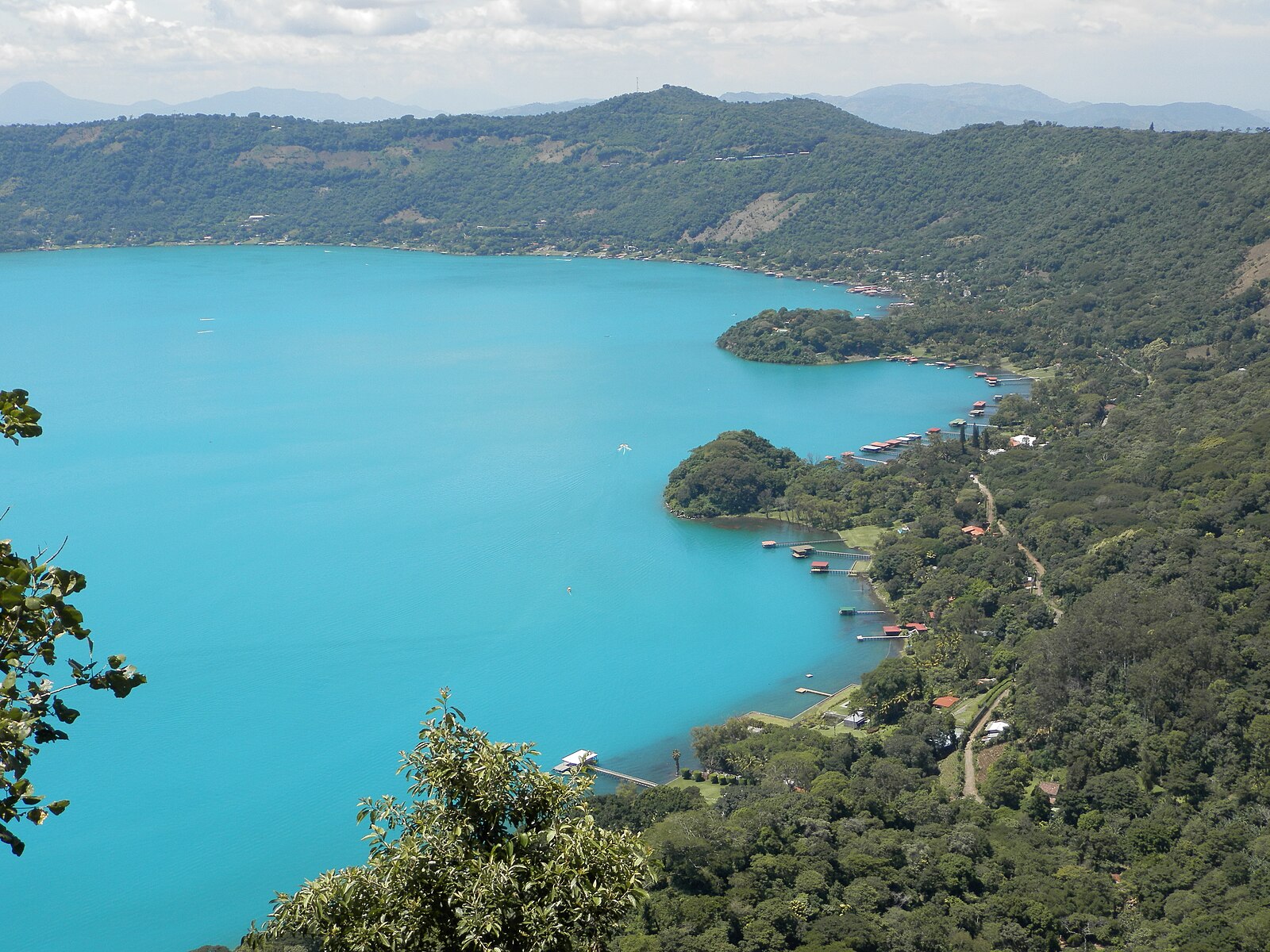
To retire in El Salvador is, legally, a simple proposition. A dedicated pensioner residence exists, the income bar is tied to the local minimum wage, and the country has used the US dollar since 2001.
Because the economy is dollarised, every figure in this guide is already in US dollars and needs no conversion. The harder questions are about safety, civil liberties and medical care.
Two residence routes written for retirees
The Special Law on Migration and Foreigners, the statute that governs residence, creates two categories aimed at people living on income from abroad. Article 144 covers the residente pensionado, and Article 145 covers the residente rentista.
A pensioner must receive a monthly, permanent and stable pension from abroad worth at least three minimum monthly wages for the commerce and services sector. A rentista, who lives on other passive income, must show at least four.
The rentista threshold rises to six minimum wages when two or more family members accompany the applicant. The pensioner article sets no separate family figure.
The commerce and services minimum wage has been US$408.80 a month since 1 June 2025, according to the Labour Ministry. No further increase had been decreed as of September 2026.
That puts the pensioner bar at US$1,226.40 a month and the rentista bar at US$1,635.20. A rentista with two or more dependants needs US$2,452.80.
Some older guides still quote about US$1,095 and US$1,460. Those figures are three and four times the old wage of US$365 and are now out of date.
Neither status allows paid work. The only exceptions are specialised work or teaching for the state, municipalities or autonomous public bodies.
Paperwork, fees and the 45-day clock
Applications go to the General Directorate of Migration and Foreigners, known as DGME, which publishes an instruction sheet for each category. Form F-07 covers pensioners and form F-08 covers rentistas.
Both ask for a signed application and a copy of every used page of a valid passport. You also need a criminal record certificate from your home country or from wherever you lived for the previous two years.
A National Civil Police clearance is needed after more than three months in El Salvador, or more than two entries in the past year. The core financial document is an original certificate from the institution that pays the pension or income.
The last item is a sworn declaration before a Salvadoran notary stating the source and amount of income and promising not to work. Foreign documents must be apostilled or authenticated and translated into Spanish.
The statutory fee for a temporary residence for a non-Central American is US$140 for up to one year or US$260 for up to two. Central Americans pay US$70 and US$130.
DGME states a maximum response time of 45 working days once the file is complete. Renewing a temporary residence costs a non-Central American US$125 for one year or US$240 for two, per the DGME renewal form.
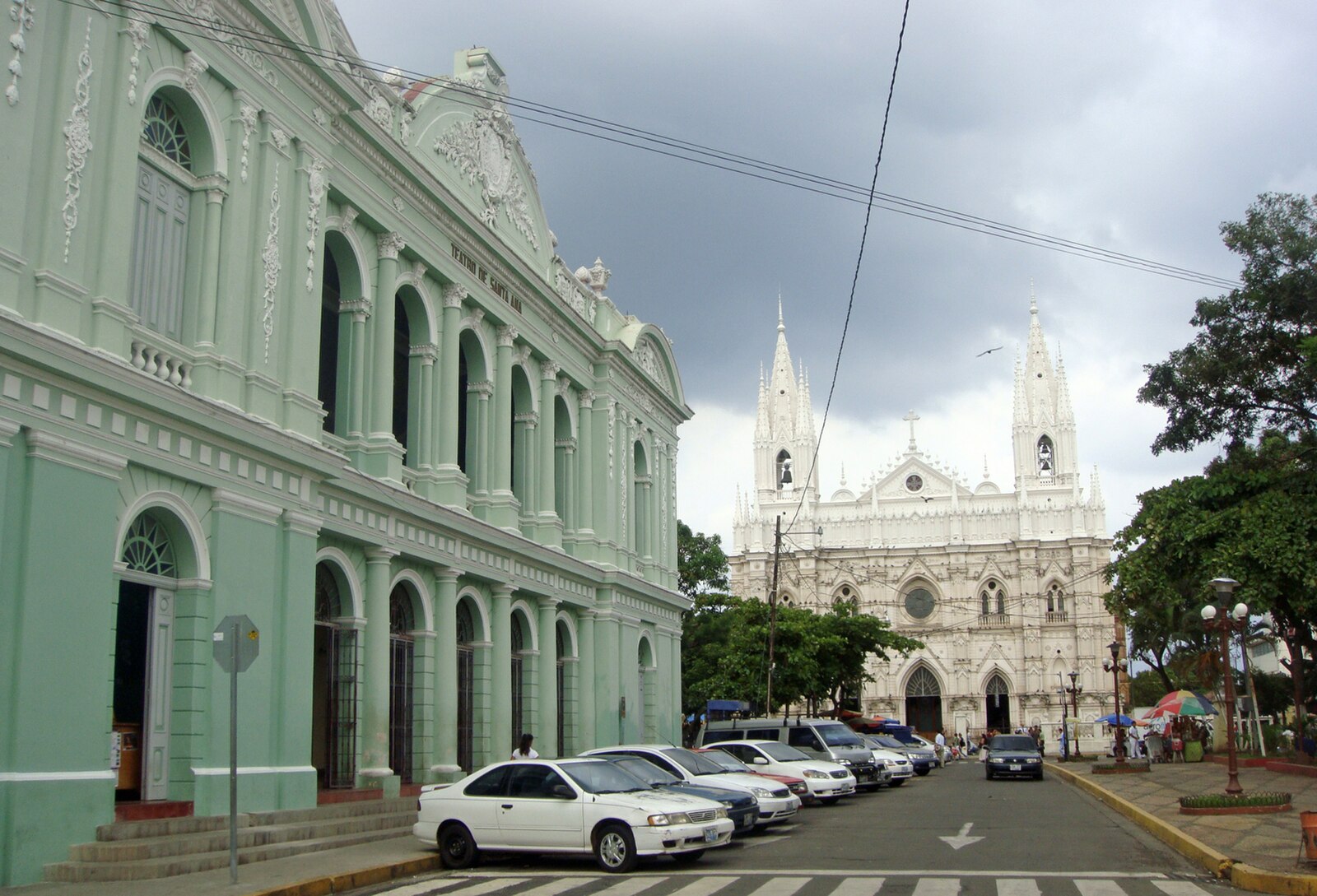
The one-year path to permanent residence
Article 152 of the migration law allows a pensioner or rentista who has held that status for one year to apply for permanent residence. Most other temporary residents must wait three years.
The DGME form for this step, F-33, asks for a certificate from a bank operating in El Salvador. It must show monthly transfers from abroad at or above the legal minimum.
It also asks for a resolution from the tax directorate of the Finance Ministry. The first-time fee for a non-Central American is US$345, and the card must later be renewed on a schedule of one to four years.
A reform published on 23 March 2026 and in force since 31 March requires temporary residents to spend at least 90 days a year in the country. Days can be consecutive or cumulative, and missing the mark cancels the status unless DGME accepts force majeure.
The pensioner chapter of the law, Article 148, adds a stricter limit. Status is lost after an absence of more than six consecutive months, or six months in total within a calendar year, unless there is good cause.
In practice, a pensioner or rentista must therefore spend at least half of each calendar year in El Salvador, well above the general 90-day floor.
Tax and customs benefits
Article 146 grants pensioners and rentistas an exemption from income tax on sums declared as coming from abroad. A broader March 2024 reform of the Income Tax Law also classed income obtained abroad as not subject to tax.
In practice, a foreign pension paid into a Salvadoran account is not taxed locally under either rule. Salvadoran-source income, such as rent from a local flat, remains taxable, with a top rate of 30 percent according to PwC.
Tax residence begins after more than 200 consecutive days in a calendar year, according to PwC. Your home country may still tax the pension, so treaty and citizenship rules matter more than local ones.
The customs benefit is a one-time duty exemption on household goods worth up to US$20,000 at cost, insurance and freight value. A second exemption covers one vehicle worth up to US$25,000 once every five years.
That car can be sold duty-free only after five years and with Finance Ministry approval. A resident who switches to another residence category within four years must repay the taxes that were waived.
Safety after four years of emergency rule
The security change is the reason many retirees now consider El Salvador. Human Rights Watch notes that the homicide rate peaked at 105 per 100,000 people in 2015.
On 5 January 2026, Gustavo Villatoro, the minister of justice and public security, reported 82 homicides for 2025, down from 114 in 2024. The government put the rate at 1.3 per 100,000 inhabitants.
Those numbers need context. The official count excludes alleged gang members killed in confrontations with police, skeletal remains found in graves and suspects killed by civilians, categories that earlier governments counted.
Human Rights Watch adds that restrictions on access to crime data make official claims hard to verify. Canada’s travel advice nonetheless says the disruption of gangs since 2022 has brought a major reduction in violent crime and homicides.
The US State Department rates El Salvador at Level 1, exercise normal precautions, in an advisory issued on 25 June 2026. Canada, updated on 9 September 2026, advises a high degree of caution because of crime and the risk of arbitrary enforcement of local laws.
Canada also warns that theft, armed robbery and assaults still occur, particularly on public transport.
The human-rights caveat retirees should weigh
The gains came through a state of exception, the emergency regime first declared on 27 March 2022. On 26 August 2026 the Legislative Assembly approved its 54th extension, running to 27 September 2026.
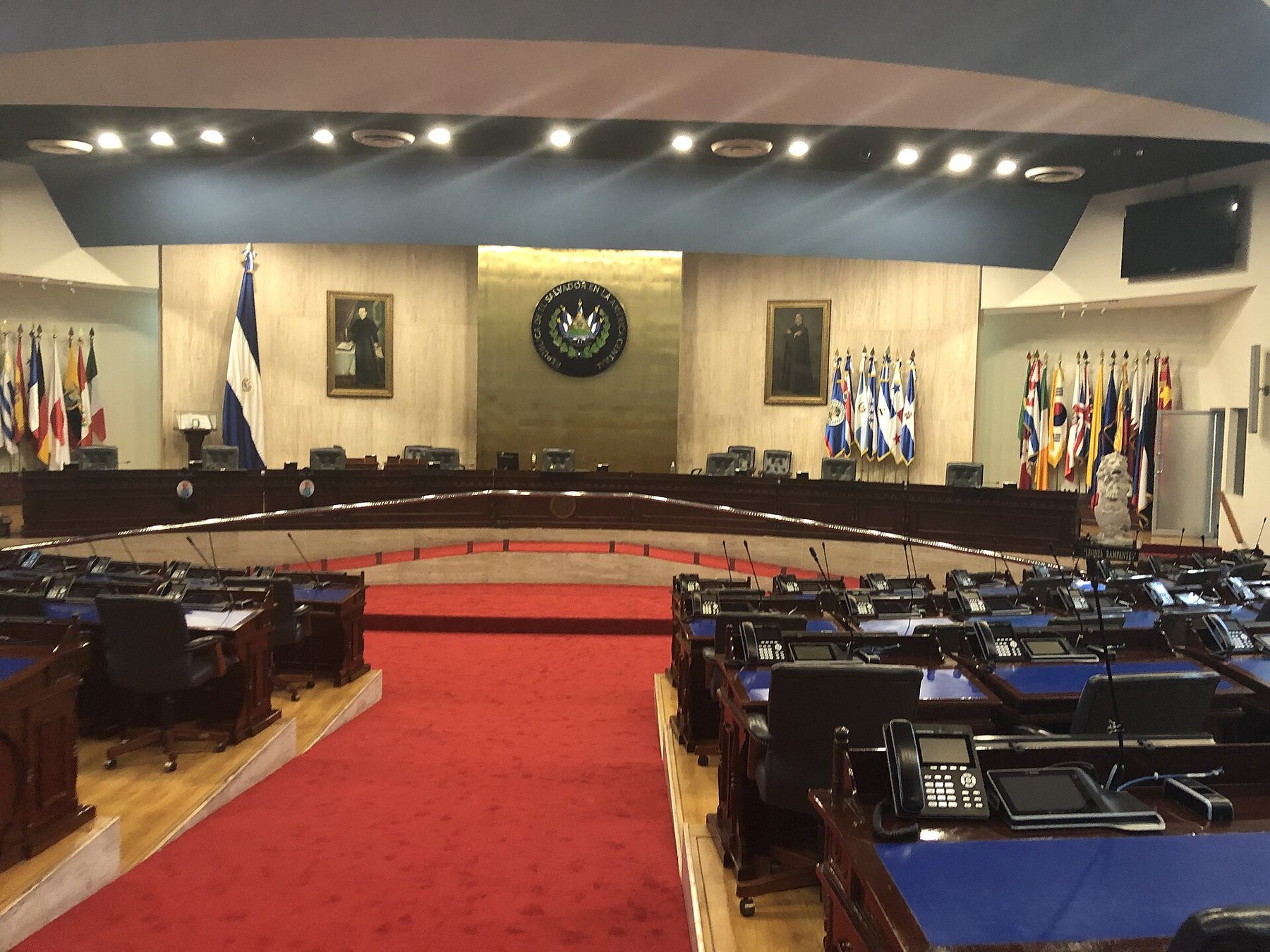
The decree suspends the right to a defence, the normal limit on administrative detention and the privacy of correspondence. These suspensions apply to anyone in the country, including foreign residents.
Government figures cited in August 2026 put arrests under the regime at more than 92,900 people. Socorro Jurídico Humanitario, a Salvadoran legal-aid group, counted 564 deaths in state custody by 26 August 2026.
The group says 94 percent of those who died had no gang profile. The US advisory notes that American citizens have been detained under the regime, and Canada says detainees lack access to a fair or timely trial.
Human Rights Watch also records constitutional amendments passed in July 2025 that allow indefinite presidential re-election. President Nayib Bukele won a second consecutive term in 2024, despite a constitutional bar on immediate re-election at the time.
Canada notes that foreign nationals have sometimes been detained in a reportedly arbitrary manner. The practical defences are carrying your residence card, keeping a lawyer’s number and registering with your embassy.
What living costs
Anyone planning to retire in El Salvador should treat crowd-sourced data as indicative ranges rather than firm prices. Numbeo, updated on 26 July 2026 from 26 contributors, puts one person’s monthly costs in San Salvador at about US$760 before rent.
Livingcost.org, updated on 21 June 2026, gives a national figure of about US$528 before rent. A realistic budget for one person, excluding housing, therefore sits between roughly US$530 and US$760.
Numbeo lists a one-bedroom flat in central San Salvador at about US$900 and outside the centre at about US$770. Livingcost.org gives about US$650 for a central one-bedroom, a sign of how much listings vary.
Numbeo also puts basic utilities for a small flat at about US$130 a month and fast internet at about US$43. A cheap restaurant meal costs about US$7.
On those figures, a single retiree at the US$1,226 pensioner minimum can cover a modest life outside the capital’s priciest districts. A couple renting in San Salvador would likely need well above the pensioner minimum.
Healthcare and insurance
The Canadian government describes good health care as limited in availability. It says public medical services and facilities remain below Canadian standards, and most providers speak only Spanish.
Private hospitals in San Salvador, Santa Ana and San Miguel often accept credit cards. Outside those cities, expect to pay cash upfront, and hospitals may ask for deposits before admission.
The US State Department reminds retirees that Medicare and Medicaid do not pay for care abroad. It also records complaints from Americans about billing at private hospitals.
Anyone who plans to retire in El Salvador should follow both governments’ advice to buy insurance that covers hospital stays and medical evacuation, which can be very expensive. International health cover should be treated as part of the income test, not an optional extra.
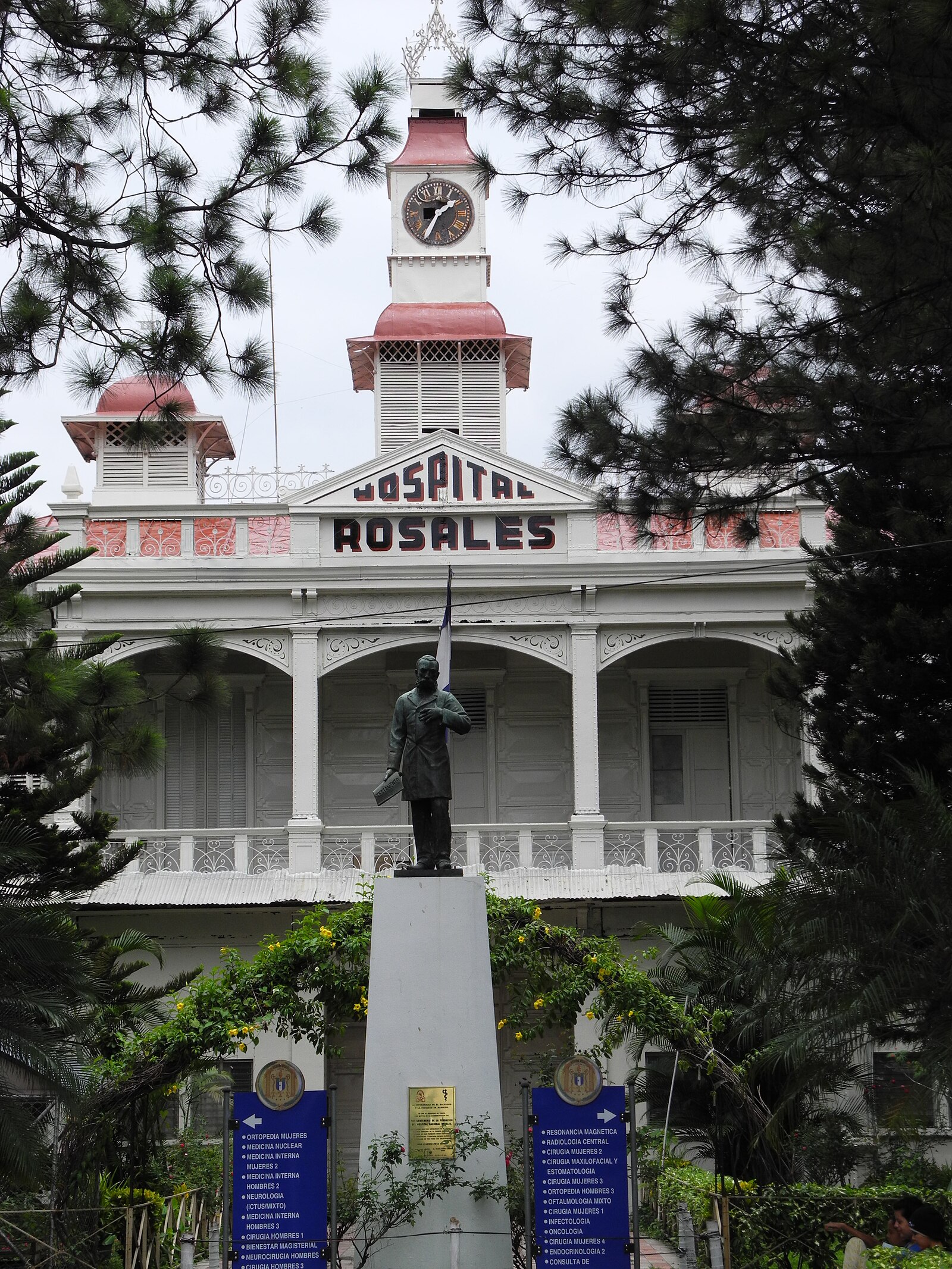
What this means for your plans to retire in El Salvador
The residence route is clear and inexpensive, and the step to permanent residence comes after only one year. Check the current minimum wage before you apply, because the income bar moves with it.
Plan to live in the country for at least half of each year, since pensioner status lapses after six months abroad. Budget for private insurance with evacuation cover. A base near San Salvador or Santa Ana keeps private hospitals within reach.
Weigh the safety record together with the emergency rule that produced it. The streets are calmer than at any point in recent decades, but the legal protections you may take for granted at home are suspended as of September 2026.
More: Latin America coverage from The Rio Times.
Sources: Special Law on Migration and Foreigners, full text, DGME temporary residence forms, including pensioner and rentista instructions, DGME permanent residence forms, Labour Ministry on the June 2025 minimum wage, EY alert on the 2026 minimum wage, Infobae on the 90-day residence rule, García & Bodán on the March 2026 migration amendments, Consortium Legal on the 2024 foreign-income reform, PwC on tax residence in El Salvador, EFE via Swissinfo on 2025 homicide figures and counting rules, Human Rights Watch World Report 2026 on El Salvador, Diario Co Latino on the 54th extension of emergency rule, US State Department travel advisory for El Salvador, Government of Canada travel advice for El Salvador, Numbeo cost of living in San Salvador
This article was produced by The Rio Times’ automated newsroom system. How we use AI · Report an error
Read More from The Rio Times