El Salvador in Latin America, Its Role, Weight and Alliances

EL SALVADOR · ROLE IN LATIN AMERICA
Key Facts
- —What is happening El Salvador, a dollarised republic of about 6.4 million people, is steering its own course in Latin America as of 20 October 2026: tied to Washington by trade, outside the southern blocs and courting Turkey, the Gulf and Beijing.
- —Why it matters Its security model is copied across the continent, its soldiers serve in Haiti, and its election on 28 February 2027 will test a third consecutive term for President Nayib Bukele.
- —The numbers The economy was worth US$36.7 billion in 2025, about 0.5% of 19 Latin American republics, and remittances of US$10.1 billion equalled 27.5% of GDP, second highest among 17 republics with data.
- —Who is who President Nayib Bukele and Vice President Félix Ulloa lead, Foreign Minister Alexandra Hill speaks abroad, and a 60-seat Legislative Assembly dominated by his party passes the executive’s bills.
- —What to watch Candidate registration closes on 19 November 2026, voting is on 28 February 2027, and the Gang Suppression Force in Haiti is the next test of El Salvador’s reach abroad.
- —What it means for you Dollar prices mean no currency risk for American visitors and investors, while the January 2026 US trade agreement and a US$1.4 billion IMF programme shape the outlook for Salvadoran exports and debt.
Small in size, El Salvador is big in headlines. It sits between Washington, its Central American neighbours and new partners from Ankara to Abu Dhabi.
Seen El Salvador continent-wide, this is a small, dollarised republic of 6.4 million people with outsized influence on security politics. As of 20 October 2026 it is tied to the United States by trade and courts partners from Turkey to the Gulf.
It belongs to the main hemispheric and Central American bodies but to none of the big southern blocs. More on the country is on the Rio Times El Salvador page.
El Salvador uses the US dollar, so no exchange rate is needed and every amount here is in US$. Figures come from the IMF, the World Bank and Salvadoran ministries, as noted.
El Salvador on the Continental Map
El Salvador had about 6.4 million people in 2025, the World Bank says. That is roughly 1% of the 647 million people in 19 Latin American republics, IMF data show.
The IMF puts its economy at US$36.7 billion in 2025, about 0.5% of those 19 republics’ combined output. It ranks 17th of the 19, ahead of only Haiti and Nicaragua; Cuba has no IMF figure.
Mexico’s economy is about 50 times larger and Brazil’s about 62 times. Income per person was US$5,751 in 2025, 14th of the 19 republics.
Costa Rica (US$19,162) and Panama (US$19,814) are more than three times richer per person. Guatemala, the regional giant, stands at US$6,599.
Personal remittances reached US$10.1 billion in 2025, or 27.5% of GDP, World Bank data show. Among 17 Latin American republics with data, only Honduras (30.1%) relied on them more; Cuba, Nicaragua and Haiti have no 2025 figure.
The central bank said the economy grew 5.1% in the second quarter of 2026. The IMF projects 4.5% growth for the full year, above Guatemala’s 4.0% and Honduras’s 3.3%.
Who Governs and Speaks for El Salvador
Nayib Bukele has been president since 1 June 2019 and was re-elected in February 2024. Vice President Félix Ulloa has served alongside him throughout.
Foreign Minister Alexandra Hill Tinoco speaks for the country abroad, as she did in the UN General Assembly debate in September 2026. She told delegates that El Salvador’s sovereignty is not negotiable.
The Legislative Assembly has 60 seats and Bukele’s party holds a supermajority, so government bills pass quickly. A reform of 31 July 2025 lifted the presidential term from five to six years, allowed immediate re-election and ended the runoff.
The Supreme Electoral Tribunal called general elections on Wednesday, 30 September 2026, for Sunday, 28 February 2027. Parties can register candidates until 19 November 2026.
Bukele, who leads the ruling Nuevas Ideas (New Ideas) party, is seeking a third consecutive term. Salvadorans abroad, about 982,682 eligible voters, will elect six deputies for the first time.
ARENA, a conservative party, ruled from 1989 to 2009; the left-wing FMLN, born of the guerrillas, governed from 2009 to 2019. Both are expected to field candidates in 2027 with little chance of winning, according to Nicaragua’s La Prensa.
For the man and his record, read the Rio Times profile of Nayib Bukele. The wider country is in El Salvador explained.

The Blocs El Salvador Belongs To
El Salvador belongs to CELAC, the Community of Latin American and Caribbean States, a forum without the United States or Canada. President Bukele did not attend its summit in Tegucigalpa on Wednesday, 9 April 2025, La Prensa of Honduras reported.
Uruguay holds CELAC’s rotating presidency in 2026, according to Colombia’s foreign ministry. It is not confirmed who spoke for El Salvador at the CELAC and European Union summit in Santa Marta in November 2025.
El Salvador is also a member of the Organization of American States (OAS), the Washington-based hemispheric body. At the UN in September 2026 its government asked for a multilateralism that listens and respects sovereignty.
Within Central America it belongs to the Central American Integration System (SICA), whose top post was vacant from 14 November 2023. Costa Rican ambassador Lina Ajoy was named on 10 June 2026 to start on 9 August for a term to 2030.
Vice President Ulloa represented El Salvador at that virtual meeting, alongside the presidents of Guatemala, Honduras and the Dominican Republic. Nicaragua sent its two co-ministers, Denis Moncada and Valdrack Jaentschke.
For trade, the key framework is CAFTA-DR, the US free-trade pact, in force for El Salvador since 1 March 2006. Outside Central America, the official member lists of the blocs below do not name El Salvador.
- Mercosur: Argentina, Bolivia, Brazil, Paraguay, Uruguay and Venezuela (suspended). Associates are Chile, Colombia, Ecuador, Guyana, Panama, Peru and Suriname.
- Andean Community: Bolivia, Colombia, Ecuador and Peru are members. Observers include Spain, Morocco, Turkey, Greece, Panama, the Dominican Republic and China.
- Pacific Alliance: Chile, Colombia, Mexico and Peru are listed as members.
- CARICOM: this is the Caribbean community of 15 members and eight associates. It does not feature in El Salvador’s foreign policy in the sources checked.
Panama is both a Mercosur associate and an Andean observer, and the Dominican Republic is an Andean observer. El Salvador has chosen the narrower Central American and US-centred path.
Two sister guides cover neighbours with similar choices: Honduras in Latin America and Nicaragua in Latin America. The land neighbours are in El Salvador and its neighbours in Central America.
The United States as Anchor
Total US trade with El Salvador was US$6.7 billion in 2021, the State Department says, and Washington runs a surplus. More than three million people of Salvadoran ancestry live in the United States, it adds.
The Agreement on Reciprocal Trade was signed on Thursday, 29 January 2026 and published in El Salvador’s official gazette in early February. It was issued as a ministry accord, and Diario El Mundo noted it had not yet passed the Legislative Assembly.
Under the text reported, Washington would remove a 10% tariff on Salvadoran goods it cannot grow or extract itself. It also promises to arrange EXIM Bank and DFC financing for key Salvadoran sectors.
El Salvador takes on four main commitments, Revista Economía y Negocios reports. They are listed below.
- Remove non-tariff barriers to US industrial and agricultural exports, including slow product registration and apostille rules.
- Treat US investors in energy, telecoms, transport and infrastructure no less favourably than Salvadoran investors.
- Facilitate US investment to explore, extract and process critical minerals and energy resources.
- Refrain from discriminating against US digital services, and strengthen intellectual property protection.
The text also covers defence cooperation and a possible future purchase of safe nuclear reactors. Its entry-into-force date is not confirmed in the sources checked.
The State Department’s country page says security forces arrested more than 70,000 alleged gang members under a state of exception from 2022. It also says the tactics used raise concerns about human rights and the rule of law.
US assistance focuses on citizen security and justice-sector work, the same page says. For safety advice, see the Rio Times safety guide.
China, Turkey and the Gulf
El Salvador switched diplomatic recognition from Taiwan to Beijing in 2018, and Bukele visited China in 2019. A free-trade agreement with China is still under negotiation, after a first round in Beijing in 2024.
Trade is lopsided: Salvadoran imports from China were US$3,566.2 million in 2025, the highest since 1994, and exports only US$50 million. The trade deficit with China was US$3,516.2 million, 34.3% higher than in 2024.
Assembly President Ernesto Castro was in China until 22 August 2026 at the invitation of his counterpart, Zhao Leji. Revista Economía y Negocios published these trade figures on 18 August 2026.
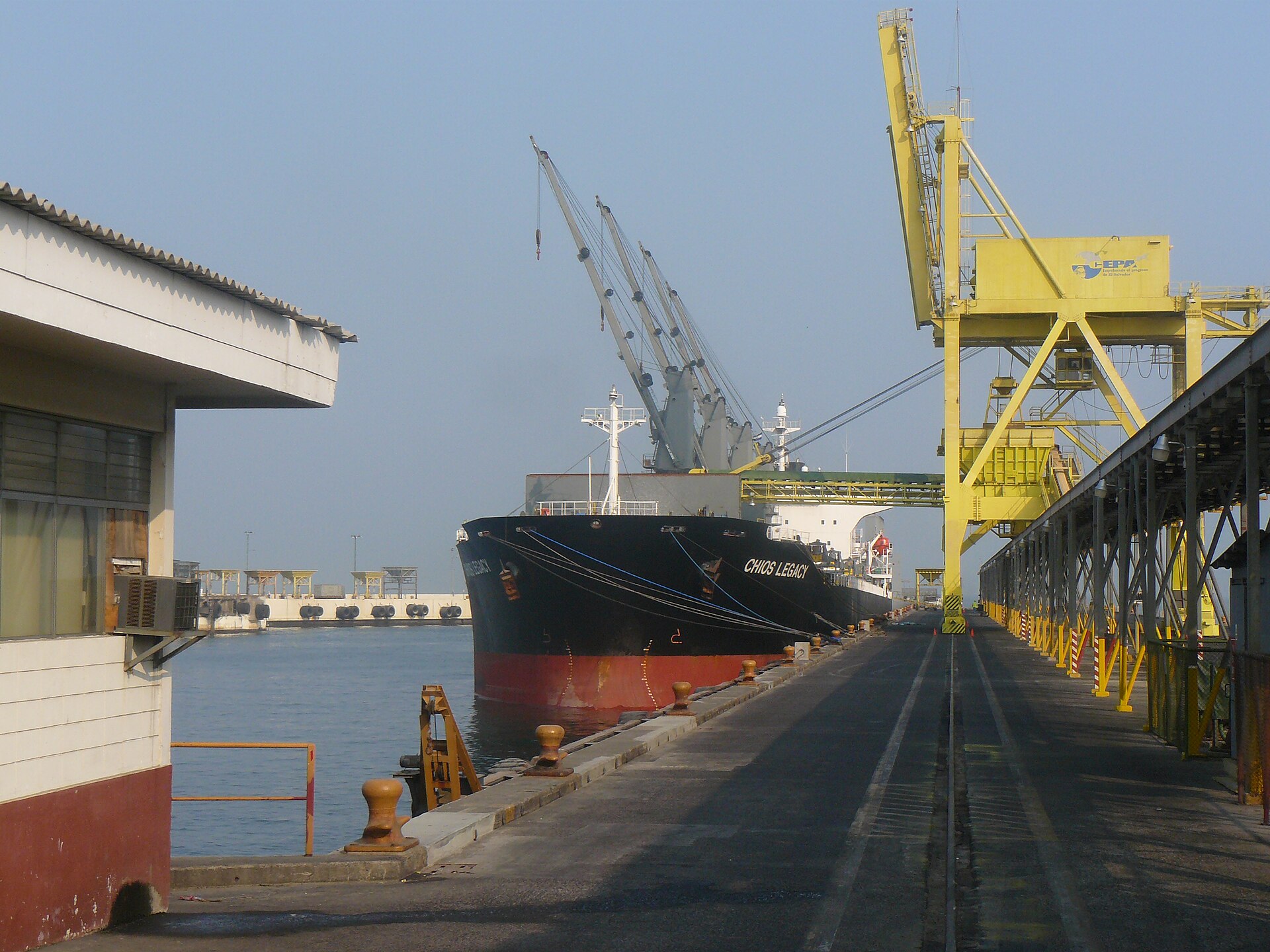
At the UN in September 2026 Foreign Minister Hill met Turkey’s foreign minister, Hakan Fidan. She called the US$1.615 billion Yilport port project at Acajutla and La Unión the largest investment in the country’s history.
Yilport Holding is a Turkish port operator. Hill also welcomed a new tax agreement with Turkey and aid by its agency TIKA, including solar power and mobile children’s libraries.
In the same week Hill signed a visa waiver for diplomatic and official passports with Kuwait. She noted a US$9.7 million Kuwait Fund loan for the San Matías solar plant, the fund’s first reimbursable operation in the country.
With the United Arab Emirates she signed a tax cooperation agreement and an investment promotion and protection agreement. Both sides will draw up a strategic roadmap, and talks covered ports, airports, logistics and renewable energy.
On 16 October 2026 Vice Foreign Minister Adriana Mira met German Minister of State Serap Güler on trade, investment and food security. No agreements were announced.
Haiti, Honduras and Other Disputes
On 29 September 2026 the Assembly approved, by 57 votes, a law keeping Salvadoran troops in Haiti’s Gang Suppression Force. The authorisation runs 12 months from 2 October 2026 and can be extended.
The UN Security Council created the force in 2025 and renewed its mandate by six months on 29 September 2026. Diario El Mundo puts it at about 1,500 members, with a planned expansion to 4,000.
On Sunday, 18 October 2026 armed men ambushed four Salvadoran aviation technicians near Croix-des-Bouquets, 12 km from Port-au-Prince, Salvadoran forces said. The four left their burning armoured vehicle, and their whereabouts were unknown on 19 October.
The army reported four missing, while a news agency report cited by the Salvadoran press said five. Who carried out the attack is not confirmed; see the Rio Times report.
The oldest dispute is with Honduras, which fought a war of about 100 hours in July 1969. In 1992 the International Court of Justice gave Meanguera and Meanguerita to El Salvador and El Tigre to Honduras.
El Salvador asked for a revision of that ruling in 2002, and the court rejected the request in December 2003. Today the frontier is mostly about trade and visitors, as the neighbours guide above explains.
How El Salvador Compares With Its Peers
The IMF’s World Economic Outlook database, retrieved on 20 October 2026, allows a like-for-like comparison with Central American peers. Figures are for 2025 in US$, with the IMF’s growth forecast for 2026.
- Guatemala: US$123.3 billion, 18.7 million people, US$6,599 per person, 4.0% growth forecast.
- Costa Rica: US$102.9 billion, 5.4 million people, US$19,162 per person, 3.3% growth forecast.
- Panama: US$90.5 billion, 4.6 million people, US$19,814 per person, 5.0% growth forecast.
- Honduras: US$39.6 billion, 11.0 million people, US$3,598 per person, 3.3% growth forecast.
- El Salvador: US$36.7 billion, 6.4 million people, US$5,751 per person, 4.5% growth forecast.
- Nicaragua: US$22.2 billion, 6.7 million people, US$3,337 per person, 3.8% growth forecast.
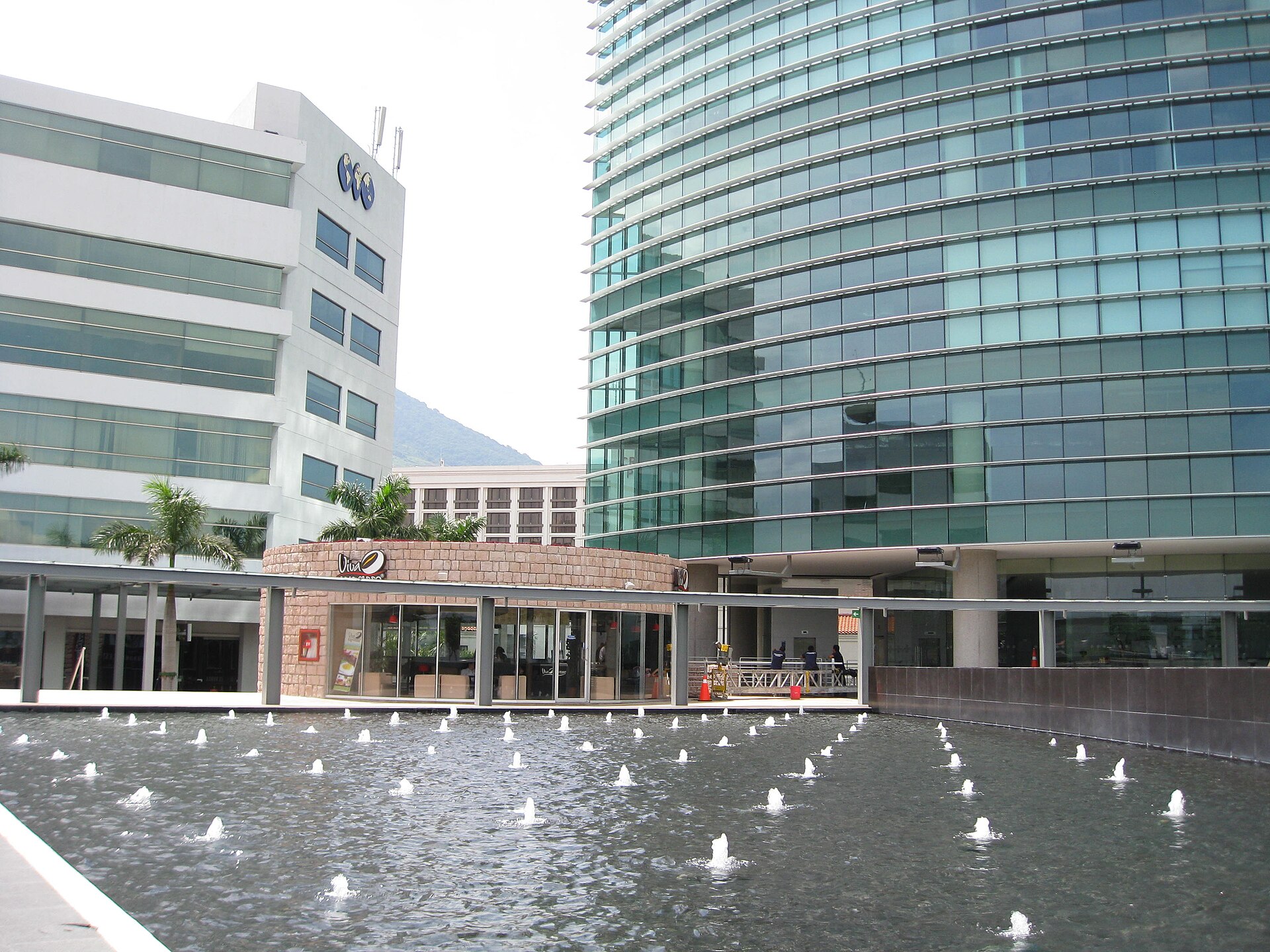
El Salvador’s 2026 growth forecast is the second highest of the six, behind Panama’s 5.0%. Its forecast inflation of 2.7% is below Honduras’s 5.6%, Nicaragua’s 3.5% and Guatemala’s 3.0%.
A 40-month IMF Extended Fund Facility of about US$1.4 billion began in February 2025. On 1 October 2026 the IMF Executive Board completed its second and third reviews and released about US$138 million.
The IMF said a bitcoin accumulation target was missed but waived it, and it wants state involvement in crypto reduced. The Chivo wallet has passed to a private operator, and the bitcoin story is covered separately.
The IMF expects growth of 4.5% in 2026 and 4% in 2027, saying activity beat expectations. A pension reform planned for 2027 is part of the programme after a February 2026 deadline was missed.
What It Means for US Readers
El Salvador uses the US dollar, so American visitors and investors face no currency risk on the ground. The January 2026 trade agreement and the IMF programme shape the outlook for Salvadoran exports and debt.
Washington is the anchor: US tariffs, deportation policy and security cooperation matter more to El Salvador than any Latin American bloc. A third Bukele term, if he wins on 28 February 2027, would extend that alignment.
Ports and critical minerals are where US commercial interests meet Turkish, Gulf and Chinese capital. Travellers should note the state of exception from 2022, extended many times, which the State Department says raises human rights concerns.
Practical guides for moving or investing are linked from the Rio Times country guide. They cover residency, property, banking and tax.
What Is Not Known
It is not confirmed when the US trade agreement takes effect, or whether the Legislative Assembly will vote on it. The tariff now applied to Salvadoran goods outside the exempt list is also not stated.
El Salvador’s current stance on Venezuela and Cuba, and its votes at the OAS, were not confirmed for this guide. Nor was who represented the country at the CELAC and European Union summit in November 2025.
The fate of the four Salvadoran technicians missing in Haiti on 19 October 2026 is unknown, and one report gives five. The Haiti law sets no troop number, so whether more soldiers will go is not stated.
No Russian, Indian or BRICS agreement with El Salvador appears in the Foreign Ministry releases checked. A prediction market on the 2027 legislative election exists, but it trades too thinly per party to be shown here.
Frequently Asked Questions
Is El Salvador a member of CELAC and the OAS?
Yes, it is a member of both. President Bukele skipped the April 2025 CELAC summit, and the foreign minister speaks for the country at the UN.
Is El Salvador in Mercosur, the Andean Community or the Pacific Alliance?
No, it is not a member of any of them, and their official lists of members do not name it. Panama and the Dominican Republic hold observer or associate roles in some of them.
How big is El Salvador’s economy compared with the rest of Latin America?
It was worth US$36.7 billion in 2025, 17th of 19 republics with IMF figures. Mexico’s economy is about 50 times larger.
What is El Salvador’s relationship with the United States?
The two signed a reciprocal trade agreement on 29 January 2026, and both are parties to CAFTA-DR. Salvadoran press reports say it would remove a 10% US tariff on certain Salvadoran goods.
Does El Salvador have ties with China?
Yes, since 2018, when it switched recognition from Taiwan to Beijing. It imported US$3,566.2 million of Chinese goods in 2025 and exported only US$50 million.
When is El Salvador’s next election?
Sunday, 28 February 2027, for president, vice president, 60 deputies and mayors. Candidate registration runs until 19 November 2026.
Why are Salvadoran troops in Haiti?
El Salvador contributes to the UN-authorised Gang Suppression Force, and its Assembly approved a 12-month law on 29 September 2026. Four Salvadoran technicians were reported missing after an ambush on 18 October.
Sources: IMF, World Economic Outlook database (retrieved 20 October 2026); World Bank, El Salvador indicators (updated 8 October 2026); Ministry of Foreign Affairs of El Salvador, UN General Debate (28 September 2026); Ministry of Foreign Affairs, meetings with Turkey, Kuwait and the UAE (26 September 2026); Ministry of Foreign Affairs, Germany (16 October 2026); Banco Central de Reserva de El Salvador; US Trade Representative, El Salvador and CAFTA-DR; US State Department, relations with El Salvador; Mercosur, member and associate states; Andean Community; Pacific Alliance; CELAC; Organization of American States; Colombian Foreign Ministry, CELAC presidency (15 April 2026); La Prensa (Nicaragua), 2027 election call (30 September 2026); La Prensa (Honduras), CELAC summit absences (April 2025); Diario El Mundo, SICA secretary general; Diario El Mundo, US trade agreement published; El Diario de Hoy, US trade agreement signed; Revista Economía y Negocios, key points of the trade agreement; Revista Economía y Negocios, El Salvador and China (18 August 2026); Diario El Mundo, IMF review; elsalvador.com, IMF Board decision (1 October 2026); Diario El Mundo, Haiti troop law; elsalvador.com, missing technicians in Haiti (19 October 2026); El Diario de Hoy, Salvadoran troops in Haiti (all accessed 20 October 2026).
This article was produced by The Rio Times’ automated newsroom system. How we use AI · Report an error · Editorial responsibility: Matthias Camenzind, Editor-in-Chief
Expat Guide to El Salvador
What The Rio Times publishes for foreigners who live in or move to El Salvador.
Start here
- Cost of Living in El Salvador 2026: Rent Near US$899 a Month
- El Salvador Bank Accounts for Foreigners: Required Papers and Deposits From US$0 to US$30
- Taxes in El Salvador for Expats 2026 — What You Owe and What Stays Untaxed
- El Salvador Residency Visa 2026, Income Rules and Steps
Understand El Salvador