
CHILE · UNITED STATES
Key Facts
- —What is happening Chile, led by conservative President José Antonio Kast since Wednesday, 11 March 2026, keeps a free trade deal with Washington from 2004 while facing a new 12.5% US tariff in force since Friday, 24 July 2026.
- —Why it matters The United States took 17% of Chilean goods exports in January to September 2026, second only to China at 33.1%, so tariffs, copper rules and minerals deals touch Chile’s biggest earners.
- —The numbers US goods exports to Chile were US$19.13 billion in 2025 against US$18.98 billion of imports, a US surplus of just US$154.4 million, while total goods and services trade reached US$49.5 billion.
- —Who is who Kast runs the government, Francisco Pérez Mackenna is Foreign Minister, and Paula Estévez leads Subrei, the trade arm handling tariff talks; Secretary of State Marco Rubio announced visa limits on three Chilean officials on 20 February 2026.
- —What to watch Watch for a revised list of exempt goods under the 12.5% tariff, any presidential decision on refined copper duties of 15% from 2027 and 30% from 2028, and follow-up to the minerals memorandum.
- —Power Index Chile ranks 3rd of 14 in The Rio Times Latin America Power Index, with 63.6 points (October 2026 edition).
- —What it means for you Americans can visit Chile for up to 90 days without a visa, importers should check each product code against the 12.5% tariff, and investors with copper or lithium exposure should track the 2027 refined copper decision.
A free trade deal, a copper economy and a new tariff shape the relationship. Here is how Chile and the United States deal with each other in October 2026.
Chile US relations in October 2026 rest on a 2004 free trade deal, now tested by a new 12.5% US tariff. Both countries also cooperate on critical minerals and security.
Chile joined the US Visa Waiver Program in March 2014. It also produced about 23% of the world’s mined copper in 2025, the US Geological Survey (USGS), a federal science agency, estimates.
The Rio Times Chile page carries daily Chile coverage, and the Chile Explained guide profiles the Kast government. Both are updated as events change.
Who Holds Power in Santiago and Washington
José Antonio Kast, a conservative, took office on Wednesday, 11 March 2026, for a term to 2030. He belongs to the Republican Party of Chile and beat his runoff rival Jeannette Jara on Sunday, 14 December 2025.
Francisco Pérez Mackenna, Chile’s Foreign Minister, hosted the signing of a minerals memorandum with Washington on Monday, 20 April 2026. Paula Estévez, the undersecretary for international economic relations, runs trade policy at Subrei, the foreign ministry’s trade arm.
In Washington, Secretary of State Marco Rubio announced visa restrictions on three Chilean officials on Friday, 20 February 2026. The same statement said the United States looked forward to advancing shared priorities with the incoming Kast administration.
The Rio Times Latin America Power Index scores Chile against 13 other countries, and the Power Map shows its rank. The index is a Rio Times product built on six pillars of power.
Chile US Relations and the Free Trade Agreement
The US Trade Representative (USTR), the White House trade office, says the US-Chile trade agreement took effect on 1 January 2004. The State Department says it allows duty-free export to Chile of 100% of US consumer and industrial goods.
The Census Bureau, the US statistics agency, counts US$19.13 billion of US exports to Chile in 2025 and US$18.98 billion of imports. That left a US surplus of just US$154.4 million, which USTR says is 92.1% lower than in 2024.
From January to August 2026 the Census Bureau counts US$14.76 billion of US exports and US$14.52 billion of imports. The surplus for those eight months was US$239.2 million.
Subrei reports record Chilean goods exports of US$93.84 billion from January to September 2026, up 18.5% on a year earlier. China was the top buyer, with US$31.09 billion, or 33.1% of the total.
The United States ranked second, with US$15.97 billion of Chilean goods, up 21.3% and 17% of the total. Chile’s biggest customer is therefore China, not the United States.
Services run the other way, with US$8.6 billion of US services sold to Chile in 2025 and US$2.8 billion bought. USTR puts the US services surplus at US$5.8 billion, and total goods and services trade at US$49.5 billion.
The 12.5% Tariff and What It Hits
On Thursday, 23 July 2026, President Donald Trump signed a memorandum taxing 60 economies, and Chile received a 12.5% rate. The duty applies to goods entered from Friday, 24 July 2026, under Section 301, a 1974 law on unfair trade practices.
USTR’s notice of 28 July 2026 finds that 54 economies, Chile included, have failed to impose and enforce a forced-labour import ban. Chile is in the 12.5% group, while Mexico, Argentina and Ecuador face 10%.
On 20 February 2026 the US Supreme Court ruled that a 1977 emergency-powers law cannot be used to impose tariffs. The new duty rests on Section 301 instead.
The USTR notice lists the main exclusions from the new tariff. They are set out below.
- Articles of copper, steel and aluminium, and other goods already under Section 232 national security tariffs, which stay under that regime.
- Civil aircraft and their parts, goods for pharmaceutical use, passenger vehicles and light trucks, and certain semiconductor articles.
- A long product list in the notice’s annexes, which kept avocados exempt despite a US industry request to remove them.
Subrei says copper exports to the United States reached US$8.69 billion from January to September 2026. That is more than half of the US$15.97 billion of Chilean goods sold there.

The United States stayed the top market for Chilean salmon, worth US$1.98 billion from January to September 2026, Subrei says. Sales grew 3% despite the tariff context, but whether salmon pays the 12.5% rate depends on each tariff code.
Copper, Lithium and Critical Minerals
A White House proclamation set a 50% US tariff from 1 August 2025 on semi-finished copper products and copper-heavy goods. It does not tax refined copper, and USGS says Chile supplied 68% of US refined copper imports in 2021 to 2024.
The same proclamation asked the Commerce Department for a copper market update by 30 June 2026. The President could then weigh a refined copper duty of 15% from 1 January 2027 and 30% from 2028.
USGS estimates that Chile mined 5.3 million tonnes of copper in 2025, about 23% of the world total. It also reports that Chile supplied 54% of US lithium imports in 2021 to 2024.
On Thursday, 12 March 2026, the two governments signed a joint declaration in Santiago on critical minerals and rare earths. It sets up consultations on supply chains, joint projects, scrap management and financing options.
On Monday, 20 April 2026, the two governments signed a memorandum on critical minerals cooperation, from exploration to processing. Subrei says it is non-binding and creates no preferential rights, and Chilean undersecretaries including Estévez signed for Chile.
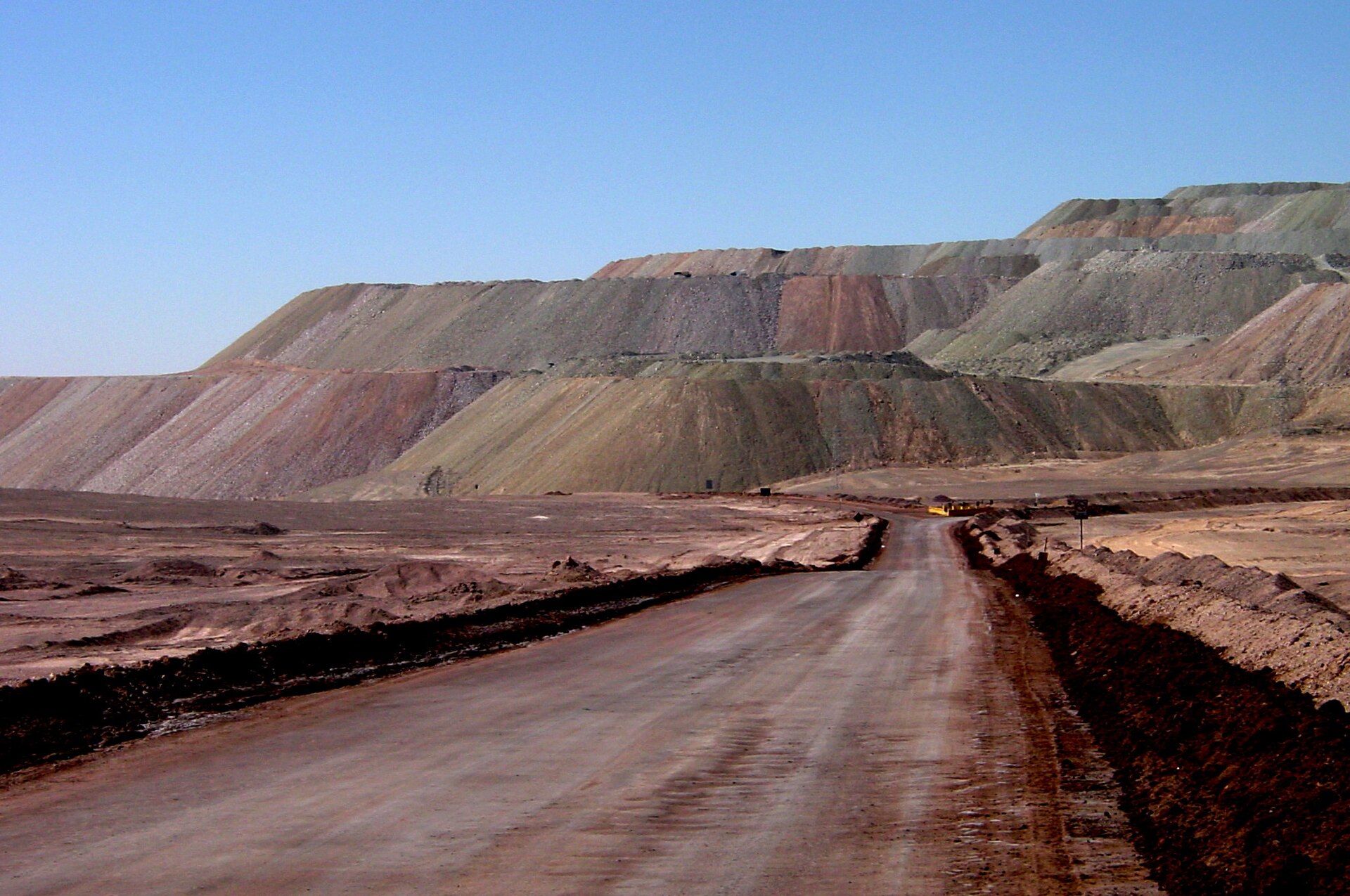
Albemarle, a US lithium producer, says it has worked in Chile for more than 40 years with CORFO, the state development agency. It pumps brine at the Salar de Atacama and refines it at La Negra near Antofagasta, and employs over 1,100 people.
For the wider picture, see the Rio Times copper guide and the lithium guide. Both set Chile in its regional context.
Security and Military Ties
An archived State Department fact sheet says Chile’s armed forces have partnered with the Texas National Guard since 2009. It adds that US defense cooperation helps Chile’s peacekeeping, humanitarian assistance and disaster response capabilities.
The navies also train together, and a US Navy hovercraft left the USS Germantown at Puerto Aldea on 10 September 2024. That landing was part of UNITAS LXV, a long-running multinational naval exercise.

On 20 April 2026 the two governments also amended a 2001 letter of agreement on narcotics control and law enforcement. The US embassy says it brings an initial US$1 million for training and technology for Chile’s investigative police.
On 20 February 2026 Rubio announced visa restrictions on three Chilean officials for compromising critical telecommunications infrastructure and undermining regional security. The officials and their immediate families are generally barred from the United States, and their visas were revoked.
The statement criticised the outgoing government of President Gabriel Boric, Kast’s predecessor. No US sanctions on Chile as a country were found in the sources checked.
Visas, Deportations and the Chilean Community in the US
The State Department says Chile has been in the US Visa Waiver Program since March 2014. Chileans can visit for up to 90 days for tourism or business without obtaining a visa.
The same archived fact sheet says the two countries signed a serious-crime information-sharing arrangement in July 2023. It adds that all visa-waiver countries must meet a border-security information-sharing requirement by December 2026.
US removal figures for Chilean citizens were not found in the primary sources checked. For Chile’s own migration measures, see the Rio Times report on Chile’s expulsion flights.
The Pew Research Center, a US research group, estimated 190,000 Hispanics of Chilean origin in the United States in 2021. Of them, 49% were born in Chile.
Florida holds 17% of US Chileans, California 15%, New York 9%, New Jersey 8% and Texas 8%. These are 2021 figures and may have changed since.
Median personal earnings for US Chileans aged 16 and older were US$38,400 a year in Pew’s 2021 analysis. Full-time, year-round workers earned US$56,000.
US Investment, Companies and Aid
SelectUSA, a US Commerce Department programme, puts the stock of US direct investment in Chile at US$33.6 billion in 2024. That is up from US$31.2 billion in 2023, using data from the US statistics agency, the Bureau of Economic Analysis.
Chile received US$14.5 billion of foreign direct investment in 2025, says InvestChile, the state investment agency, using Central Bank data. Mining, financial services and utilities draw the most, the State Department’s November 2025 investment climate statement says.
The same statement says Chile has a sound legal framework and general respect for property rights. It warns that environmental permits, indigenous consultation and cumbersome court proceedings make big project approvals slow and unpredictable.
The statement adds that Chile has not fully complied with its intellectual property duties under the trade agreement. Chilean companies held US$6.26 billion of direct investment in the United States in 2024, the SelectUSA tables show.
The archived State Department fact sheet says US assistance helps Chile fight crime, cyberattacks and trafficking. It also says the National Science Foundation and Department of Energy jointly invested over US$1 billion in Chilean astronomy.
The foundation also spends roughly US$400 million a year on Antarctic research, facilities and logistics, the sheet says. The sheet carries 2023 trade data, so some figures may predate 2026.
What It Means for US Readers
Travellers on a US tourist passport need no visa for stays of up to 90 days, the US Embassy in Chile says. Chile issues a tourist card, which visitors must surrender on departure.
The State Department rates Chile Level 2, exercise increased caution, citing crime, unrest and health, as of 27 October 2026. Travellers should read the full advisory before booking.
Importers should check each product code against the 12.5% duty, which applies to Chilean goods by default. Avocados, copper articles, civil aircraft parts and vehicles are among the exemptions.
Investors with copper or lithium exposure should watch any refined copper duty decision for 2027 and follow-up to the minerals memorandum. US policy on tariffs and visas can change quickly.
What Is Not Known
- Whether Washington will publish a revised list of exempt goods or sign a wider trade deal; no such list had been confirmed by 27 October 2026.
- Whether the President will impose the 15% refined copper duty from 1 January 2027; the outcome of the Commerce Department update due by 30 June 2026 was not found.
- The full list of goods exempted in the annexes to the 12.5% tariff, including whether salmon, fruit and refined copper cathodes pay it; only part of the annex text could be read.
- How many Chilean citizens the United States removes each year; no primary figure was found.
- Whether Chile stays in the Visa Waiver Program after the December 2026 border-security deadline for all member countries; no decision was found.
- Whether Chile will join further US-led security groups, and in what role; the government had not set this out in sources checked.
Frequently Asked Questions
Do Americans need a visa to visit Chile?
No, US citizens on a tourist passport can stay up to 90 days for tourism or business without a visa. They receive a tourist card on arrival and must return it on departure.
What tariff does the United States charge on Chile?
A 12.5% Section 301 tariff has applied since 24 July 2026, with exclusions such as copper articles, aircraft parts and vehicles. The 2004 free trade agreement remains in force.
Is Chilean copper hit by US tariffs?
The 50% copper tariff covers semi-finished products and copper-heavy goods, not refined copper. A refined copper duty of 15% from 2027 and 30% from 2028 was left for a presidential decision.
How big is trade between Chile and the United States?
Goods and services trade reached US$49.5 billion in 2025, and US goods exports were US$19.13 billion. The United States took 17% of Chile’s goods exports from January to September 2026, behind China.
Can Chileans travel to the United States without a visa?
Chile joined the Visa Waiver Program in March 2014, allowing stays of up to 90 days without a visa. No removal was found, but all member countries must meet a border-security data-sharing requirement by December 2026.
What did Chile and the United States sign on minerals?
They signed a joint declaration on 12 March 2026 to set up consultations on critical minerals and rare earths. A non-binding memorandum on exploration and processing followed on 20 April 2026.
Sources: USTR Section 301 notice, Federal Register, 28 July 2026; US Supreme Court, Learning Resources v. Trump, 20 February 2026; US Census Bureau, trade with Chile; USTR, Chile; State Department, visa restrictions, 20 February 2026; State Department, US relations with Chile (archived 2021-2025 fact sheet); State Department, Secretary Rubio remarks, 21 October 2026; US Embassy in Chile, entry and exit requirements and travel advisory banner; US Embassy in Chile, security agreement and minerals memorandum, 21 April 2026; White House, copper proclamation, July 2025; US Geological Survey, Mineral Commodity Summaries 2026, copper; US Geological Survey, Mineral Commodity Summaries 2026, lithium; Subrei, trade results, 15 October 2026; Subrei, agreements with the United States, 21 April 2026; Chile Foreign Ministry, joint declaration, 12 March 2026; Chile government, Foreign Minister in London, 19 October 2026; National Congress Library of Chile, Kast biography; SelectUSA, Commerce Department, Chile investment tables; State Department, Chile Investment Climate Statement, 25 November 2025; InvestChile, foreign investment 2025; Pew Research Center, Chilean-origin Hispanics, 2021; Albemarle, Chile; US Navy via DVIDS, UNITAS LXV, 10 September 2024 (all accessed 27 October 2026).
This article was produced by The Rio Times’ automated newsroom system. How we use AI · Report an error · Editorial responsibility: Matthias Camenzind, Editor-in-Chief
Expat Guide to Chile
What The Rio Times publishes for foreigners who live in or move to Chile.
Start here
- Chile Security and Crime Explained 2026
- Santiago Rent for Foreigners in 2026, US$422 to US$886
- Best Places to Live in Chile for Expats 2026
- Chile’s Rent Unit Rose 0.6% Before Inflation Data
City guides
Coming up in Chile
- Los Fabulosos Cadillacs Play Santiago on 29 October 29 Oct
- Foro de las Artes 2026 in Santiago, Chile: 30+ Free Events, 1–30 October 30 Oct
- Iron Maiden in Santiago, Chile: Two Estadio Nacional Nights, October 31 and November 1, 2026 31 Oct
- Torres del Paine O Circuit Could Reopen 1 November 2026 1 Nov
Understand Chile