
GUIDES · CHILE
Key Facts
- —The country Chile had about 19.9 million people in October 2025, and 94.5% of them used the internet by the end of 2025.
- —The owners Copesa, publisher of La Tercera, is 100% owned by Álvaro Saieh Bendeck and his children as of June 2024. Megamedia, the parent of Mega television, has been 100% owned by the Bethia group since 2023.
- —Public television TVN is the only state-owned broadcaster, and it must fund itself mainly through advertising as of October 2026.
- —Press freedom Chile ranks 70th of 180 countries on the 2026 World Press Freedom Index, with a score of 60.84, down from 69th in 2025.
- —Trust 34% of Chileans said they trust news overall in the 2026 survey, against a global average of 37%.
- —Power Index Chile ranks 3rd of 14 in The Rio Times Latin America Power Index, with 63.6 points (October 2026 edition).
Who owns the newspapers, channels and radio stations that tell Chileans what is happening. This guide maps the owners, the public broadcaster, the press-freedom record and the online audience.
Chile media are mostly private, concentrated in a few business groups and under heavy financial strain. For US readers, that matters because the same families and groups that own newspapers and channels also hold stakes in retail, farming and transport.
This guide sets out who owns what as of October 2026, how free the press is, and where Chileans get their news. Survey figures come from the Digital News Report, an annual study by the Reuters Institute at the University of Oxford.
How the Chilean Media System Works
Two newspaper groups, a small set of television channels and a few radio networks set most of the national agenda. Reporters Without Borders (RSF) says most outlets belong to the same business groups.
RSF names El Mercurio and La Tercera as the main newspapers. It lists TVN, Mega, Chilevisión and T13 as the main television channels, and Bío Bío, Cooperativa and ADN among the leading radio stations.
Alternative outlets have grown as the public has asked for more varied news. RSF adds that many of them lack stable funding and enough staff.
Audiences are online and on mobile phones. The Digital 2026 report for Chile counts 18.8 million internet users at the end of 2025, a penetration of 94.5%.
Newspapers and Who Owns Them
Two groups dominate print: Empresa El Mercurio and Copesa. Both are based in Santiago and both now depend heavily on their websites.
Empresa El Mercurio publishes El Mercurio of Santiago, El Mercurio of Valparaíso, La Segunda, Las Últimas Noticias and the Emol news portal. Its owner until his death in April 2017 was Agustín Edwards Eastman, whose family long controlled the group.
Copesa publishes La Tercera and La Cuarta. Its own conflict-of-interest declaration, updated on 28 June 2024, says businessman Álvaro Saieh Bendeck and his children hold 100% of the group.
The same declaration lists Saieh-family interests in the Unimarc supermarket chain and in the Mandarin Oriental hotel in Santiago. Readers can weigh coverage of retail and tourism against those holdings.
Copesa also owns Radio Duna through a separate company. Its editorial rules bar staff from accepting payment for their work and from accepting gifts beyond ordinary courtesies.
Diario Financiero is the main business daily, and it added a Saturday edition called Señal DF. The Clinic, a satirical magazine bought by businessman Jorge Ergas in 2020, is now fully digital.
El Dínamo, a news site, has launched a print magazine and a subscription plan. These moves show how smaller outlets are chasing reader income as advertising shrinks.
Television, Public and Private
TVN is Chile’s only state-owned broadcaster, yet it has a legal duty to fund itself. Its corporate site says it does so through advertising and related business.
A board runs TVN, with the president of the republic and the Senate both involved in nominations, plus one workers’ representative. The group operates its main channel, the 24 Horas news channel, the family channel NTV, the TVN Play app and an international signal.
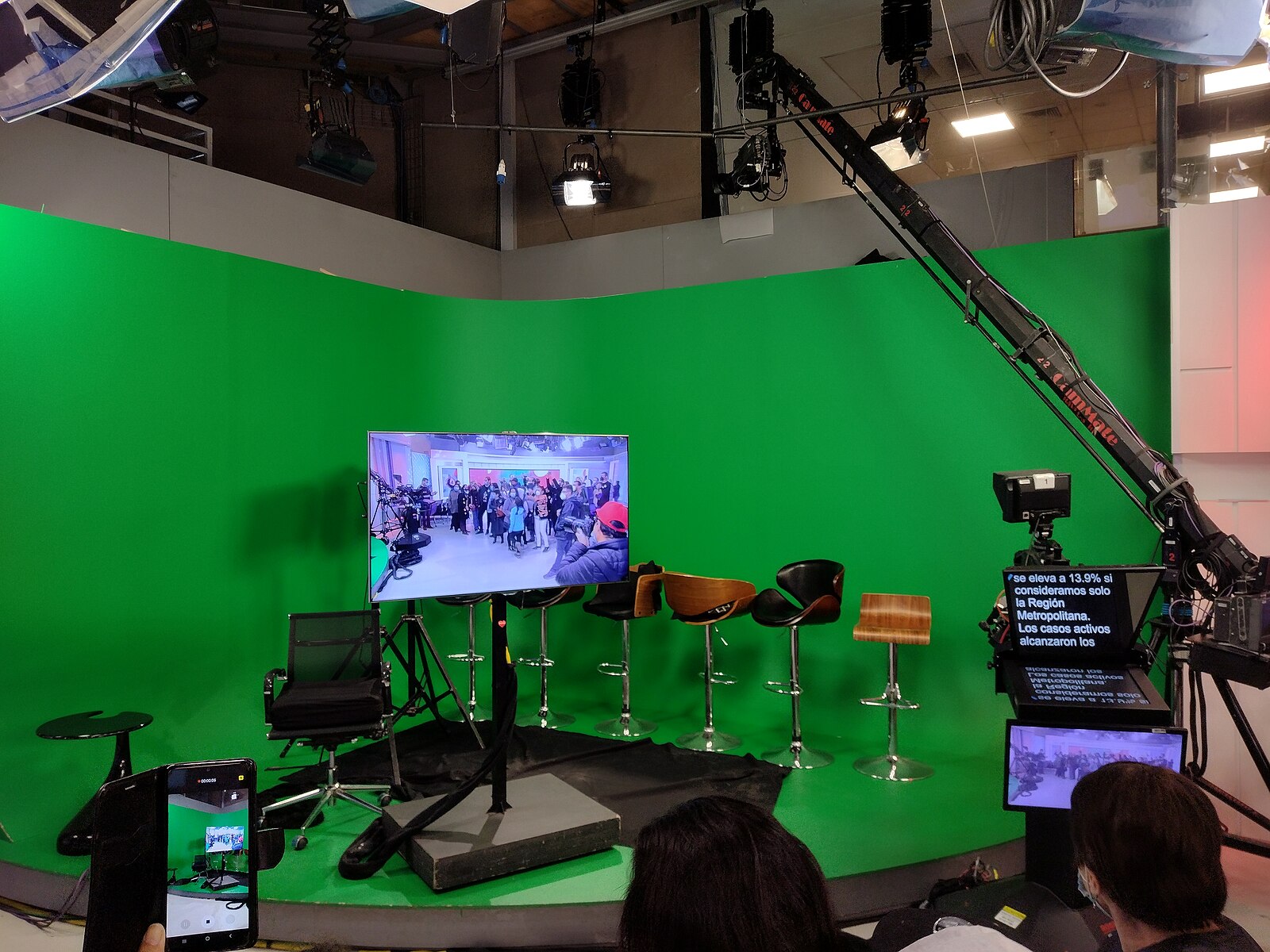
TVN’s finances are fragile, and Chilean outlets reported in May 2025 that its board warned the channel’s situation was not viable. The 2026 Digital News Report adds that TVN began 2025 in debt and that its chairman resigned during the presidential campaign.
Mega leads private television and is owned by the Bethia group. Megamedia says Mega began broadcasting on 23 October 1990 under the Claro business group, that Bethia bought it in 2012, and that Bethia took 100% in 2023 after Discovery left.
Megamedia describes itself as the largest multiplatform communications holding in Chile and launched the 24-hour channel Meganoticias Ahora in 2024. Bethia’s own site also lists farming, transport and retail interests, including an investment in Falabella.
The 2026 Digital News Report says Meganoticias has the largest reach on and offline and gained 5 points of trust. It also calls Mega the most-watched channel, and the 2025 edition named it the only major player to turn a profit.
Canal 13 is private, and the 2025 Digital News Report says it introduced the first 24-hour news channel on free-to-air television. It now runs a radio group that includes T13 Radio.
Chilevisión changed hands for the second time in four years, the Digital News Report says, when Paramount sold it to Vytal Group. La Tercera and Diario Financiero reported the sale agreement in November 2025, and BioBioChile reported it as completed in January 2026.
The National Television Council, known as CNTV, is an autonomous state body that receives complaints and can sanction channels. It says its supervision covers content already broadcast and that Chile has no prior censorship.
Radio and Digital Outlets
Radio keeps a loyal audience, and it proved its value in a nationwide blackout in 2025. The Digital News Report says the outage affected more than 90% of the population and made battery-powered radios the main news device for a time.
Bío Bío Comunicaciones grew from a regional station in Concepción that went on air on 24 April 1966. Its founder, Nibaldo Mosciatti Moena, had started with Radio El Carbón de Lota in 1959, and BioBioChile.cl launched on 1 August 2009.

The Digital News Report says Bío Bío and Cooperativa have scored highly on trust since 2017. It also says Cooperativa is selling its building and studios to cover debts.
CIPER is a digital investigative outlet run by the CIPER Foundation, and it asks readers to join as members and to donate. The Digital News Report says it published the recording at the centre of the so-called Audio Case, a bribery and influence-peddling scandal.
The company that controls CNN Chile applied for court-supervised debt reorganisation in December 2024, and Diario Financiero and La Tercera reported that creditors approved its plan in June 2025. The 2025 Digital News Report adds that Big Tech has challenged the advertising revenue of news media.
Press Freedom and the Law
RSF ranked Chile 70th of 180 countries in its 2026 index, with a score of 60.84. A year earlier Chile was 69th, with a score of 62.25.
Within the 2026 index, Chile placed 40th on the political indicator and 82nd on both the legal and the security indicators. Its weakest placings were the social indicator, at 103rd, and the economic indicator, at 93rd.
RSF says the constitution and the justice system guarantee press freedom, but that it is not always respected in practice. It adds that investigative journalism is losing ground and that legal action against media has become a recurring tactic.
The Press Law on freedom of opinion and information dates from May 2001, and the constitution in force dates from 1980. RSF argues that Chile needs a media regulator that promotes professionalism, independence and support for alternative outlets.
On 3 July 2026 RSF welcomed the conviction of a judge and a military intelligence chief for spying on journalist Mauricio Weibel. It called the ruling a historic precedent for press freedom.
The 2026 Digital News Report says prosecutors asked to intercept the phones of 11 journalists to identify their sources, and that the judiciary rejected the request. Journalists saw the attempt as intimidation.
The same report says a proposed law would criminalise publishing information from confidential judicial cases. Journalist associations fear it could be used against reporters, and it was a proposal, not law, at the time of the report.
Social Media and Messaging
Chilean audiences are highly connected. The Digital 2026 report counts 16.2 million social media user identities in October 2025, equal to 81.7% of the population, and warns they may not all be unique people.
YouTube reached 14.9 million users in late 2025, or 74.9% of the population. Instagram reached 13.5 million, or 67.9%, and Facebook 13.1 million, or 65.6%, though these are advertising-reach figures and not monthly active users.
X is much smaller, with 3.25 million users or 16.3% of the population in late 2025. WhatsApp is the most popular messaging platform, used by 70% of Chileans for any purpose and by 26% for news in 2025, the Digital News Report reports.
The Audio Case turned WhatsApp messages into evidence for journalists and judges, and it set off a debate about private versus public information. The Digital News Report adds that YouTube has become a key platform for both traditional and independent outlets.
Platform power is now a legal fight. Copesa sued Google over alleged abuse of market power, becoming the first Latin American media company to do so according to the 2025 Digital News Report, and Radio Cooperativa and El Mostrador later filed their own cases.
In 2026 the Digital News Report said the national television association Anatel was considering legal action against Google over its alleged dominant position in advertising. None of these cases had been decided in the sources reviewed.
Trust, Money and a Business Model Under Strain
Trust in news stood at 34% in 2026, down 2 points and below the global average of 37%. It was 36% in the 2025 survey.
In 2026, 45% of Chileans said they sometimes or often avoid the news, and only 10% paid for online news. Both figures come from the Digital News Report survey of Chilean adults.
Newspaper revenues have fallen as circulation and advertising shrink. The Digital News Report says Copesa delayed staff payments, journalists staged a work stoppage, and the group now faces lawsuits from suppliers and former employees.
Consumers have also pushed back. The national consumer agency, SERNAC, criticised La Tercera and El Mercurio over how hard it is to cancel subscriptions.
What It Means for US Readers
For investors, Chilean media ownership overlaps with retail, farming and transport. Copesa’s declaration lists the Unimarc supermarkets and a Santiago hotel, and Bethia lists an investment in Falabella, so coverage of those sectors deserves a check on who owns the outlet.
For US technology and advertising firms, Google, Meta, X and YouTube are central to how Chileans find news. Lawsuits by Copesa, Cooperativa and El Mostrador, and Anatel’s possible action, show that platform dominance is a live legal issue in Chile.
For travellers and expats, the main breaking-news sources are in Spanish, from TVN’s 24 Horas and Meganoticias to Bío Bío and La Tercera. A battery-powered radio is a sensible backup, given the 2025 blackout.
For reporters and researchers, press freedom is guaranteed on paper but is rated mid-table, at 70th of 180. The Weibel conviction shows that courts can hold officials to account.
What Is Not Known
The current shareholders of Empresa El Mercurio are not listed on the group’s public pages. The latest named owner in the sources reviewed is Agustín Edwards Eastman, who died in 2017, and Canal 13’s current ownership was not confirmed either.
It is not known how TVN will be funded after its board’s warning, or whether the proposed law on confidential judicial cases will pass. Nor is it known how Chilevisión’s new owner will change its programming.
The outcome of the lawsuits against Google is open, as is how Copesa will cope with its debt pressures. RSF’s 2027 ranking will show whether Chile’s score keeps falling.
Connected Coverage
Chile Explained: The Country, the Kast Government and What to Watch
Who Dominates Chile, Elites and Regions Explained
Chile in Latin America, Its Role, Weight and Alliances
Chile Security and Crime Explained 2026
Frequently Asked Questions
Who owns the main newspapers in Chile?
Copesa, publisher of La Tercera, is owned 100% by Álvaro Saieh Bendeck and his children, according to its June 2024 declaration. El Mercurio belongs to Empresa El Mercurio, a group long controlled by the Edwards family.
How free is the press in Chile?
RSF ranked Chile 70th of 180 countries in 2026, with a score of 60.84, down from 69th in 2025. It says press freedom is guaranteed by the constitution but not always respected in practice.
Which television channel is the most watched in Chile?
Mega is the most-watched channel, according to the 2026 Digital News Report. The Bethia group has owned 100% of its parent, Megamedia, since 2023.
Is TVN owned by the government?
Yes, TVN is the only state-owned broadcaster in Chile. It must fund itself mainly through advertising, and a board nominated with the involvement of the president and the Senate runs it.
Which social media platforms do Chileans use most?
In late 2025 YouTube reached 14.9 million users, Instagram 13.5 million and Facebook 13.1 million. WhatsApp was used by 70% of Chileans in 2025, and 26% used it for news.
How much do Chileans trust the news?
Trust in news stood at 34% in 2026, below the global average of 37%. Only 10% of Chileans paid for online news.
Sources: RSF, Chile country profile and 2026 Index; Digital News Report 2026, Chile; Digital News Report 2025, Chile; Digital 2026: Chile; Copesa, Declaración de Intereses (28 June 2024); Megamedia, Corporativo; Grupo Bethia; TVN, Corporativo; Consejo Nacional de Televisión; Bío Bío Comunicaciones, Quiénes somos; CIPER, Nosotros; 24 Horas, obituary of Agustín Edwards (24 April 2017); Chilean press on Chilevisión, TVN and CNN Chile: BioBioChile (12 January 2026), La Tercera (14 November 2025, 16 June 2025), Diario Financiero (14 November 2025, 27 December 2024); RSF, Weibel conviction (3 July 2026). All accessed 17 October 2026.
This article was produced by The Rio Times’ automated newsroom system. How we use AI · Report an error · Editorial responsibility: Matthias Camenzind, Editor-in-Chief
Expat Guide to Chile
What The Rio Times publishes for foreigners who live in or move to Chile.
Start here
- Chile Security and Crime Explained 2026
- Santiago Rent for Foreigners in 2026, US$422 to US$886
- Best Places to Live in Chile for Expats 2026
- Chile’s Rent Unit Rose 0.6% Before Inflation Data
City guides
Coming up in Chile
- BTS Santiago Shows on 16 and 17 October, From US$107 17 Oct
- Aitana in Santiago, Chile: Cuarto Azul World Tour at Movistar Arena on October 19, 2026 19 Oct
- Los Fabulosos Cadillacs Play Santiago on 29 October 29 Oct
- Foro de las Artes 2026 in Santiago, Chile: 30+ Free Events, 1–30 October 30 Oct
Understand Chile