
CHILE · EXPLAINER
Key Facts
- The country Chile is a long Andean nation of about 19 million people, and its capital Santiago sits in a valley right below the mountains.
- What happened A Chile frontal system flooded Santiago’s foothills on Monday 26 October 2026, and Quebrada Honda overflowed in Las Condes.
- The storm Up to 60 mm of rain (about 2.4 inches) fell in roughly 90 minutes on high parts of Santiago.
- The alert Chile’s disaster agency held a Red Alert in 10 foothill districts and sent phone alerts to Las Condes and Lo Barnechea.
- Why it matters A mudslide hit the same Las Condes neighbourhood on 8 October, so every new storm tests the district’s defences.
- Power Index Chile ranks 3rd of 14 in The Rio Times Latin America Power Index, with 63.6 points (October 2026 edition).
- What it means for you Residents and visitors in eastern Santiago should avoid ravines, streams and slopes during rain and obey phone alerts at once.
A Chile frontal system flooded the mountain edge of Santiago on Monday 26 October 2026. Quebrada Honda, a dry mountain gully in the Las Condes district, overflowed that evening and flooded homes.
The disaster agency Senapred sent a phone alert at 22:04 telling Las Condes residents to shelter in place, BioBioChile reports. The Clinic, a Santiago news outlet, reports flooded homes and trapped cars, while T13, a Chilean TV channel, reports a closed ski road.
What Happened on Monday 26 October
A thunderstorm with rain and hail flooded streets in San Carlos de Apoquindo, a foothill neighbourhood of Las Condes, on Monday afternoon, T13 reported. The Las Condes municipality told people to avoid Francisco Bulnes Correa and General Blanche streets.
The Clinic reports that Quebrada Honda overflowed at Francisco Bulnes Correa, flooding homes and trapping vehicles, at a different point from the 8 October slide. Mayor Catalina San Martín said another channel, Álvaro del Portillo, was at risk but had not overflowed.
How a Chile Frontal System Works
A frontal system, called a sistema frontal in Spanish, is a band of Pacific storm clouds that crosses central Chile and drops rain in pulses. Central Chile gets several each cool season, so the front itself is ordinary.
What made this Chile frontal system dangerous was how much rain fell in a short time on the high slopes. Governor Claudio Orrego of the Santiago region put the freezing level, where air hits 0 C, above 3,000 metres (about 9,800 feet), The Clinic reports.
How Quebradas Turn Rain Into Mudflows
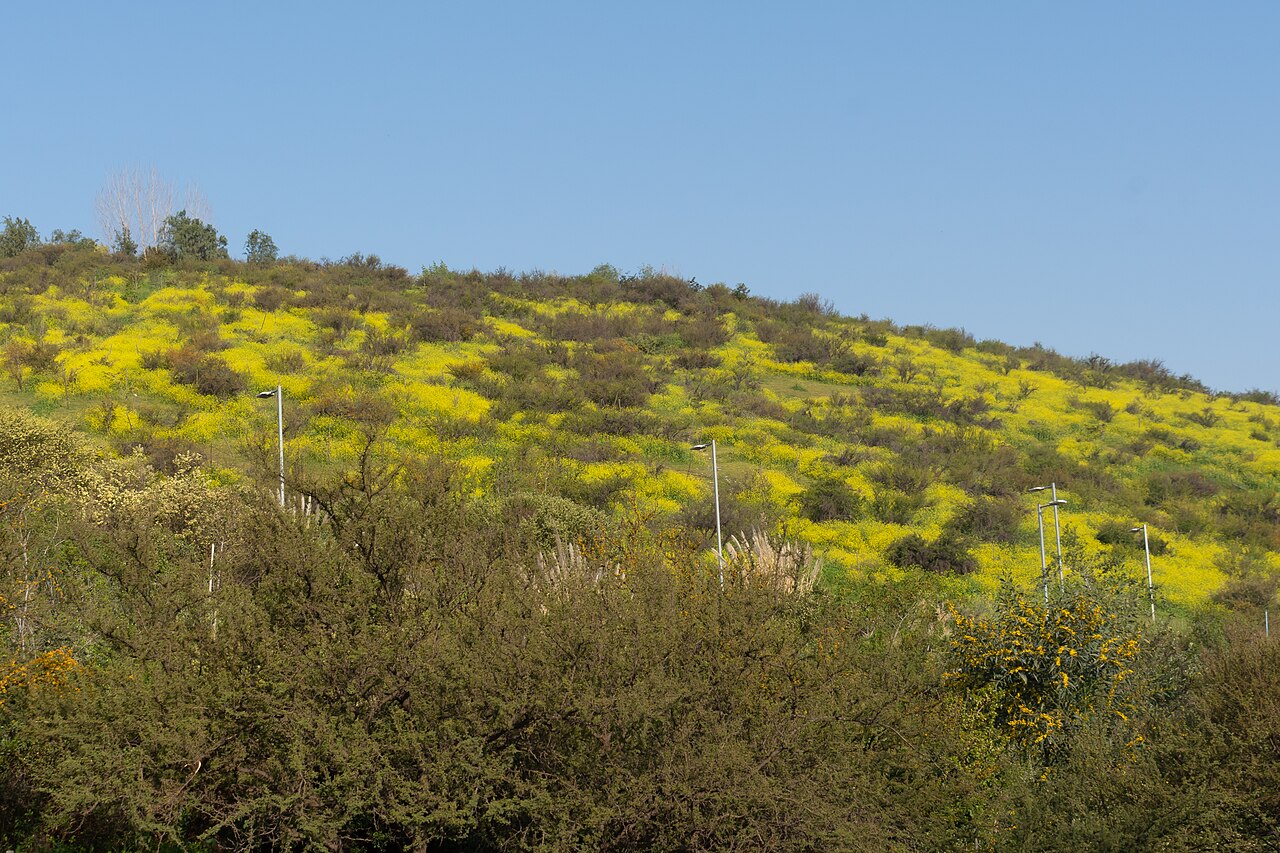
A quebrada is a steep, usually dry gully that carries mountain runoff down toward the valley floor. In eastern Santiago many of these gullies end at streets and housing blocks built on the lower slopes.
When rain hits loose soil and rock, a gully can fill in minutes and push mud and stones into the streets. Chileans call that flash flood of debris an aluvión.
Governor Orrego’s preliminary count was up to 60 mm (2.4 inches) in 90 minutes.
Why Quebrada Honda Keeps Making News
On Thursday 8 October a mudslide swept through San Carlos de Apoquindo. Senapred director Alicia Cebrián said the flow came too fast for a phone alert, according to Pauta.
Máximo Pavez, Chile’s Undersecretary of the Interior, told Radio Universo on 19 October that Quebrada Honda holds more material than other gullies, Emol reports. Our earlier report on why Santiago flooding hits Las Condes and the foothills explains the terrain.
The Official Response So Far
Senapred, Chile’s national disaster agency, held a Red Alert for mass movement in 10 foothill districts, including Las Condes and La Reina. Interior Minister Claudio Alvarado said the rain pulses should ease around midnight, with no rain forecast for Tuesday, BioBioChile reports.
Classes were suspended on 27 October in the reopened Las Condes perimeter, at municipal schools there and in Requínoa, where a tornado hit 70 homes. Our news report on Las Condes flooding and school closures has the classes update, and the Requínoa tornado is covered separately.
What It Means for US Readers
After this Chile frontal system, Americans in eastern Santiago should keep emergency phone alerts on and obey them at once. They should stay out of ravines, streams and foothill trails during rain.
Travellers bound for the Farellones ski road should check first, because T13 reports a ravine slide closed the route near kilometre 8 on Monday. Renters and buyers can ask how close a home sits to a quebrada.
What Is Not Known
Officials have not published a full damage count for Las Condes after Monday’s storm. La Reina reported 14 homes affected in a preliminary count, and the reports name no injuries.
It is not yet clear whether the ravine works under way will be ready before the next front. The causes of the 8 October slide remain under review.
More: Chile news in English, every day from The Rio Times.
Frequently Asked Questions
What is a frontal system in Chile?
A Chile frontal system, or sistema frontal, is a band of Pacific storm clouds that crosses central Chile and brings rain in pulses. Several arrive each cool season, and the dangerous ones bring heavy rain in a short time.
What is a quebrada?
A quebrada is a steep mountain gully that is dry most of the year and carries water, mud and rock downhill after heavy rain. In eastern Santiago many of them end near homes and roads.
Is Santiago safe to visit after the Chile frontal system?
Most of Santiago ran normally, and BioBioChile and The Clinic report school closures on 27 October only in Requínoa and Las Condes. Visitors should avoid the foothill ravines and follow Senapred alerts.
What is a SAE phone alert?
SAE is Chile’s Emergency Alert System, which sends a message to every phone in an area. The 22:04 alert on 26 October told Las Condes residents to shelter in place.
Will it rain again in Santiago?
Interior Minister Claudio Alvarado said no rain was forecast for Tuesday 27 October. Check the national weather service and Senapred before any trip into the foothills.
Sources: BioBioChile, Senapred balance on the frontal system, 26 October 2026; BioBioChile, Quebrada Honda overflow alert, 26 October 2026; The Clinic, quebradas overflow in eastern Santiago, 26 October 2026; T13, new flooding in San Carlos de Apoquindo, 26 October 2026; Meganoticias, Las Condes security perimeter, 26 October 2026; Pauta, Senapred on the 8 October aluvión, 9 October 2026; Emol, Pavez on the frontal system, 19 October 2026.
This article was produced by The Rio Times’ automated newsroom system. How we use AI · Report an error · Editorial responsibility: Matthias Camenzind, Editor-in-Chief
Living in or visiting Santiago? See this month's events and our Santiago city guide with rents, safety and upcoming concerts.