Foro de las Artes 2026 in Santiago, Chile: 30+ Free Events, 1–30 October
CHILE · SANTIAGO · EXPATS
Key Facts
- —What it is The Universidad de Chile’s month-long arts festival, now in its 12th edition, with music, theatre, dance and film.
- —When and where From 1 to 30 October 2026 at university and cultural venues across Santiago, opening on Thursday 1 October.
- —What it costs Every activity is free and open to the public, though some require registration through a public online form.
- —Why it matters It is the university’s largest showcase of its own artists, with over 320 activities staged across past editions.
- —The catch Each event has its own date, time and venue across the city, and most talks and plays are in Spanish.
Foro de las Artes 2026, the University of Chile’s arts festival, fills October with more than 30 free events across Santiago.
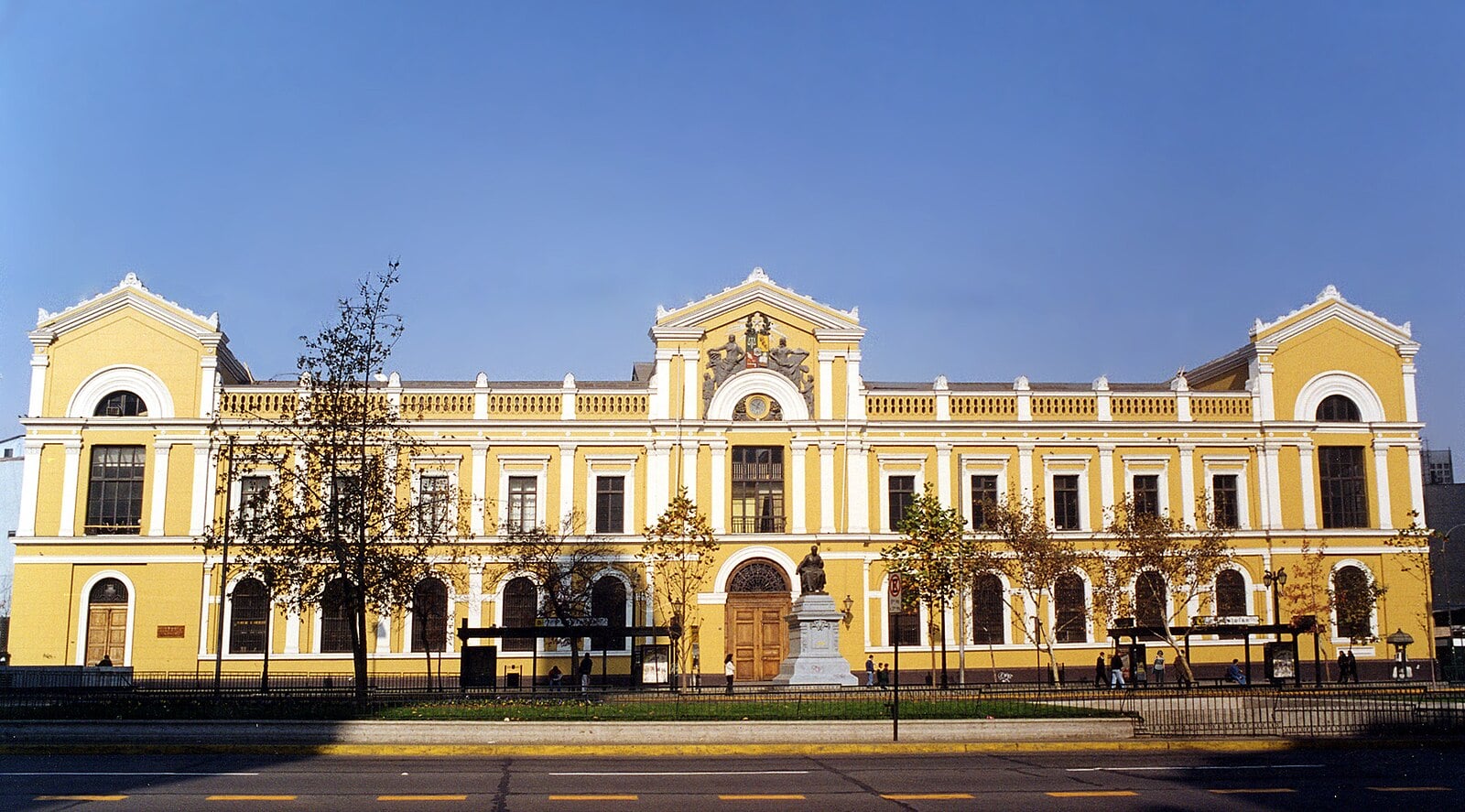
Foro de las Artes 2026 runs from 1 to 30 October in Santiago, Chile, with more than 30 free activities open to all. The 12th edition, organised by the Universidad de Chile, opens on Thursday 1 October at 19:00 in Huechuraba.
What Foro de las Artes 2026 offers
Foro de las Artes is not a single show in one building. It is a month of separate events spread across Santiago’s university and cultural spaces.
The programme covers music, theatre, dance, visual and sound art, architecture, film and media art. Organisers describe it as a mix of creation, experimentation and critical reflection.
The festival is run by the university’s Directorate of Artistic Creation, known as DiCREA. The university’s outreach and communications office collaborates on the programme.
Across its editions, the forum has staged more than 320 activities and drawn more than 20,000 spectators, according to the university. It presents itself as the main public showcase for work made at the institution.
The opening night in Huechuraba
The festival opens on Thursday 1 October at 19:00 at the Centro Cultural de Huechuraba, in the north of the city. The concert is called “Hagamos jardín”, which means “Let’s make a garden”.
It features guitarists Romilio Orellana and Luis Orlandini with the Orquesta Comunal Estudiantil de Huechuraba, a local student orchestra. Orlandini recently received Chile’s 2026 National Prize for Musical Arts.
Entry is free, but registration is through a public form. It is sensible to sign up early rather than simply turning up on the night.
Highlights through the month
On Tuesday 13 October at 19:00, the Sala de Cine de Ñuñoa hosts a live, performed version of “El Estado soy Yo”. It revisits a 1980 short film by Carlos Flores, who takes part himself.
The interdisciplinary group Núcleo Blanco opens its work-in-progress “PIEL” on Saturday 17 October at Centro Cultural CEINA. On Saturdays 17 and 24 October, Latitudes Inmersivas brings Latin American fulldome works to the Planetario de Huechuraba.
From 21 to 23 October, the second edition of Vibra, a meeting of sound arts, takes place with the Museo del Sonido. On Thursday 29 October, Plataforma Cultural UCHILE hosts the opening of a media-art residency project by María Ignacia Valdebenito.
Galería Satélite218 shows work by a new generation of university-trained artists on Fridays 16, 23 and 30 October. Dance laboratories led by visiting artists from New Zealand and Germany run on 15 and 16 October.
Casa Central, the university’s historic main building, hosts an installation by Rodrigo Bruna made with the university’s Museum of Anatomy. As an extension, French philosopher Éric Sadin speaks there on Monday 9 November.
The theme: “Subversión sensible”
This year’s motto is “Subversión sensible”, roughly “sensitive subversion”. It asks what art can do when algorithms and digital platforms shape more and more of our cultural life.
The organisers frame artistic practice as a way to recover personal experience and imagine other ways of relating to the present. Sadin’s November talk on technology and society extends that question beyond October.
For the university, the forum is also a statement about public purpose. Its leaders describe artistic creation as a form of knowledge, not only entertainment.
Why it matters for newcomers
For foreigners living in Santiago, a full month of free culture is unusual. It offers an affordable way to see what Chilean artists are making now, beyond the big commercial venues.
The venues also spread across several districts, from the city centre to Ñuñoa and Huechuraba. Following the programme is a practical way to get to know parts of the city many visitors never see.
Events like these tend to draw students, artists and neighbours rather than tourists. That makes them a relaxed setting for meeting people and practising Spanish.
Language, travel and registration
Most activities are presented in Spanish. Concerts, sound art, visual art and fulldome shows are easy to enjoy without the language, while plays and talks need more.
The complete programme, with dates, times and venues for each activity, is published at forodelasartes.uchile.cl. Check each listing to see whether it needs advance registration.
Santiago’s Metro and bus network reach most central venues, but Huechuraba sits further north. Allow extra travel time there, especially for evening events on weekdays.
Smaller rooms and galleries can fill quickly when entry is free. Arriving a little early is the simplest way to secure a seat.
Planning your month
A good approach is to pick two or three events that match your interests and build from there. Grouping events in the same district saves time on crossing the city.
October is spring in Santiago, with mild days and cooler evenings. A light jacket helps for walking between venues after dark.
The organiser has not published a final count of activities, and more may still be added to the programme. It is worth checking the official site again before each outing.
Connected Coverage
Chile Kast Government Resignations Reach 48 After Coquimbo Exit
FAQ
More: Chile news in English, every day from The Rio Times.
The big picture: Santiago, Chile explained — economy, politics, society and daily life in one read.
Frequently Asked Questions
Is Foro de las Artes 2026 free?
Yes, all of the more than 30 activities are free and open to the public. Some events, including the opening concert, ask people to register through a public form.
When does Foro de las Artes 2026 take place?
It runs from 1 to 30 October 2026 in Santiago, Chile. The opening concert is on Thursday 1 October at 19:00 at the Centro Cultural de Huechuraba.
Where are the events held?
Events take place at venues including Casa Central UCHILE, CEINA, Plataforma Cultural UCHILE, the Museo del Sonido and the Planetario de Huechuraba. Galería Satélite218, the Sala de Cine de Ñuñoa and the Centro Cultural de Huechuraba also host activities. Each listing on the official site gives its own venue.
Do I need to speak Spanish to enjoy the festival?
Not for everything, since concerts, sound art, exhibitions and fulldome shows need little language. Theatre pieces, talks and discussions are mainly in Spanish.
Sources: Programme details come from the Universidad de Chile’s official announcement and from El Mostrador’s report of 14 September 2026.
This article was produced by The Rio Times’ automated newsroom system. How we use AI · Report an error · Editorial responsibility: Matthias Camenzind, Editor-in-Chief
The Santiago Guide
What The Rio Times publishes for foreigners in Santiago, Chile.
This month
Coming up in Santiago
- Def Leppard Plays Santiago, Chile, on 8 November 8 Nov
- Los Tres Unplugged Anniversary Shows Sell Out Two Santiago Nights 14 Nov
- Creamfields Chile 2026 in Santiago: Calvin Harris, Charlotte de Witte and 80 DJs at Club Hípico on November 14–15 14 Nov
- Hayley Williams in Santiago, 18 November 2026 18 Nov
Living in Santiago
- Santiago, Chile Explained 2026
- Santiago Rent for Foreigners in 2026, US$422 to US$886
- Kast Government Sharpens Chile Bet as Foreigners Access Santiago Exchange
- Ricardo Arjona’s Record Santiago Residency: Final Nights This Week
Understand Chile