
Energy: Brazil
Brazil’s energy planners expect the country to pump far more gas at home and to lean less on its neighbour Bolivia. The Ministry of Mines and Energy and the state Energy Research Company (EPE), the government’s planning body, released the gas chapter of the Ten-Year Energy Expansion Plan (PDE), the government’s yearly energy roadmap, on Tuesday, 17 November 2026, and announced it on Wednesday, 18 November.
The plan projects that potential gas supply grows by more than 80% by 2036, with pre-salt, the deep offshore fields under a salt layer, staying the biggest source. It also projects a drop in Bolivian pipeline imports and a rise in liquefied natural gas (LNG) import capacity.
Key Facts
- Power Index. Brazil ranks 1st of 14 in The Rio Times Latin America Power Index, with 74.2 points (November 2026 edition).
- Supply. Projected potential gas supply rises over 80% by 2036, from 61 to 112 million cubic metres daily.
- Imports. Gas from Bolivia, via the Gasbol pipeline, falls to 5 million cubic metres a day from 2030.
- Demand. Total expected demand rises from 71 to 104 million cubic metres a day, 3.8% a year.
- Investment. About R$15.9 billion (about US$2.7 billion) is planned for gas infrastructure.
Brazil’s official planners project a much larger gas supply by 2036, more of it from the Northeast and less from Bolivia, but they call the numbers indicative, not binding.
The Big Picture on Brazil’s Gas
The Ten-Year Energy Expansion Plan (PDE) is updated every year and looks ten years ahead. EPE says it is indicative, not binding, and rests on one reference scenario.
The gas notebook (a detailed chapter of the plan) follows the plan’s production notebook, released on Thursday, 5 November 2026. That one projects oil at 4.9 million barrels a day in 2036, about 30% above 2025.
The plan treats Bolivian gas as a shrinking source and fields in the Northeast, offshore in Sergipe and onshore in Maranhão, as a growing one. The plan is indicative and does not bind any company.
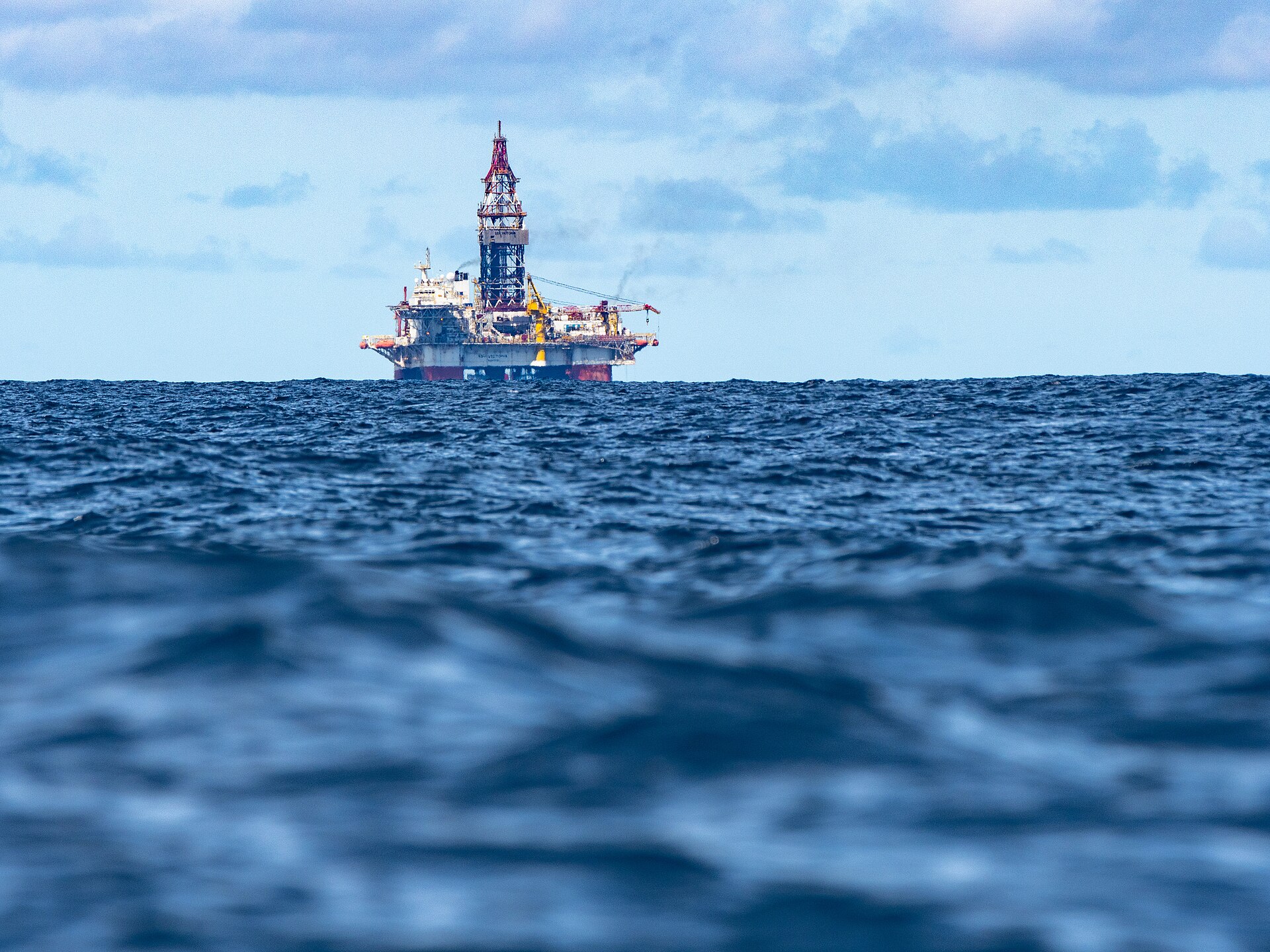
Where the Gas Would Come From
Of the 112 million cubic metres a day projected for 2036, 81% would flow into the integrated pipeline grid and 19% into isolated systems. The isolated systems named are Urucu, a gas field in Amazonas, and Maranhão.
Inside the grid, total potential supply, meaning domestic output plus imports, rises from 132 to 175 million cubic metres a day, more than 30%, a larger and separate measure from the national 61 to 112 figure. Pre-salt stays the biggest source at about 74% on average.
Rio de Janeiro remains the top supplying state, with Raia, an offshore field off Rio de Janeiro state, due to start in 2028. Sergipe’s share rises with the Sergipe Deep Waters project (SEAP), planned for 2030, and Maranhão grows through the Parnaíba basin.
As a result, the Northeast’s share of national potential supply climbs from 19% in 2026 to 34% in 2036. That is a gain of 15 percentage points.
Imports and Demand
Bolivian gas arriving through the Gasbol pipeline is projected to fall from 13 million cubic metres a day in 2026 to 5 million from 2030. LNG import capacity rises early in the period, tied to the Suape terminal in Pernambuco and the restart of the São Paulo regasification terminal.
Total expected demand rises from 71 to 104 million cubic metres a day, an average of 3.8% a year. Demand from industry, commerce, homes and transport rises from 40 to 55 million.
What the Plan Would Cost
The notebook counts about R$15.9 billion (about US$2.7 billion, at R$5.83 per US$ on 18 November 2026) in gas infrastructure. It covers export pipelines for Raia and SEAP, the Suape LNG terminal, new compression stations and the Miranga gas processing site in Bahia.
Separately, the production notebook projects oil and gas investment of up to R$2.4 trillion (about US$412 billion) in 2027 to 2036. It also says a gas hub at Mero, a large pre-salt oil field in the Santos Basin, could export up to 15 million cubic metres a day.
In Plain English
Potential supply is what the system could deliver, counting domestic gas and imports. Net production is what is actually produced after own use, reinjection, losses and flaring are taken out.
The two are different measures and should not be added together. The production notebook puts net production at 135 million cubic metres a day in 2036, up 125% from 2025.
Why It Matters
The sharpest change is on imports, where Bolivian pipeline gas is projected to fall by 8 million cubic metres a day, more than half, by 2030. Total demand rises from 71 to 104 million by 2036.
Bolivia, as an exporter, would sell far less to Brazil under the projection. Northeastern states gain a bigger share of supply, and the plan expects LNG import capacity to rise early in the period.
What to Watch
Petrobras, Brazil’s state-run oil company, is expected to unveil a five-year business plan with the date not officially confirmed. The public consultation on the PDE 2036 summary report closed on 6 November 2026, according to the ministry.
What It Means for You
For investors, the plan points to demand for pipelines, compression and processing, though it commits nobody to build. Pipeline users can follow our coverage of the gas pipeline tariff review alongside it.
For energy buyers abroad, Brazil looks like a growing producer and a larger LNG importer at once. The plan expects the Northeast to gain share.
What Is Not Known
EPE calls the figures indicative. Whether Raia arrives in 2028 and SEAP in 2030 is not confirmed.
Frequently Asked Questions
What is Brazil’s Natural Gas Notebook?
It is the gas chapter of the Ten-Year Energy Expansion Plan 2036, published by the energy ministry and EPE. It projects supply, demand, imports and investment to 2036 and is indicative, not binding.
How much more gas does Brazil expect to supply?
Potential supply is projected to rise more than 80%, from 61 to 112 million cubic metres a day, between 2026 and 2036. About 81% would come from the integrated grid.
What happens to gas imports from Bolivia?
Bolivian gas through the Gasbol pipeline is projected to fall from 13 million cubic metres a day in 2026 to 5 million from 2030. LNG import capacity rises early in the period.
How much investment is planned?
The notebook counts about R$15.9 billion (about US$2.7 billion) in gas infrastructure. It covers pipelines, the Suape LNG terminal, compression stations and the Miranga processing unit in Bahia.
Sources: Ministry of Mines and Energy and EPE, PDE 2036 Natural Gas Notebook (EPE news, 17 November 2026) and Production Notebook (5 November 2026); the government’s press agency note of 18 November (agenciagov.ebc.com.br); exchange rate: RT, 18 November 2026.
This article was produced by The Rio Times’ automated AI newsroom. Editorial responsibility: Matthias Camenzind, Publisher and Editor-in-Chief. The Rio Times also runs Ask Rio Times, which answers from 100,000+ of our own articles, the daily Latin America Power Map, and prediction-market odds on elections and markets.. How we use AI · Report an error
Brazil runoff, Sunday, October 25: When is the Brazil runoff election. Latest: Brazil runoff polls, Flávio 51%, Lula 49%.
Read More from The Rio Times