The United States has named Brazil among five countries where data centers face new export-license tests for advanced AI chips, a rule that takes effect once the Federal Register, the US government’s official journal, publishes it. Separately, Brazil’s federal police were due on Wednesday 18 November 2026 to hand the Supreme Court president reports that mention justices.
For US readers, the chip rule matters because US-headquartered firms are exempt but must report, and Sherritt, a Toronto-listed miner, shows what US sanctions can cost: a third-quarter loss of C$79.3 million (about US$55.5 million).
Key Facts
- Chip rule. Brazil is one of five countries named in a new US export rule for AI chips.
- Threshold. Licenses apply when a data center gives China-linked firms over 12 million total processing performance.
- Police. Federal police were due to give Supreme Court President Edson Fachin reports on Wednesday, 18 November.
- Sherritt. Canadian miner lost C$79.3M (US$55.5M) in the third quarter after US sanctions on Cuba.
- Power Index. Brazil ranks 1st of 14 in The Rio Times Latin America Power Index, with 74.2 points (November 2026 edition).
The United States has named Brazil among five countries where AI data centers face new export-license tests for advanced chips.
In Plain English
- Bureau of Industry and Security (BIS): The Commerce Department agency that controls which US technology can be exported, and to whom.
- Total processing performance (TPP): A measure of a chip’s computing power; the remote-access license test starts at 12 million in aggregate.
- Federal Police and Supreme Court: Brazil’s national police force and its highest court, whose president is Edson Fachin.
- Banco Master: A Brazilian bank that the central bank liquidated in November 2025; its former owner is Daniel Vorcaro.
What the New US AI Chip Rule Means for Brazil
Brazil is one of five countries named in a new US rule on advanced AI chips. The Bureau of Industry and Security (BIS), the US export-control agency, announced it on Monday 16 November 2026, and it takes effect when published in the Federal Register, the US government’s official journal.
The rule text names Brazil, Indonesia, Malaysia, Singapore and Thailand, according to law-firm and trade analyses. US officials say these countries pose an above-normal risk of chips reaching China or other entities of concern.
The rule text names the countries, and US officials describe them as higher-risk for chips being diverted to China.A separate test covers remote access: a license is needed when a data center would give companies headquartered in China or other restricted countries more than 12 million total processing performance (TPP), a measure of computing power.
US-headquartered companies need no license but face new BIS reporting requirements. Data centers already serving restricted firms have 90 days from the effective date to obtain authorization.
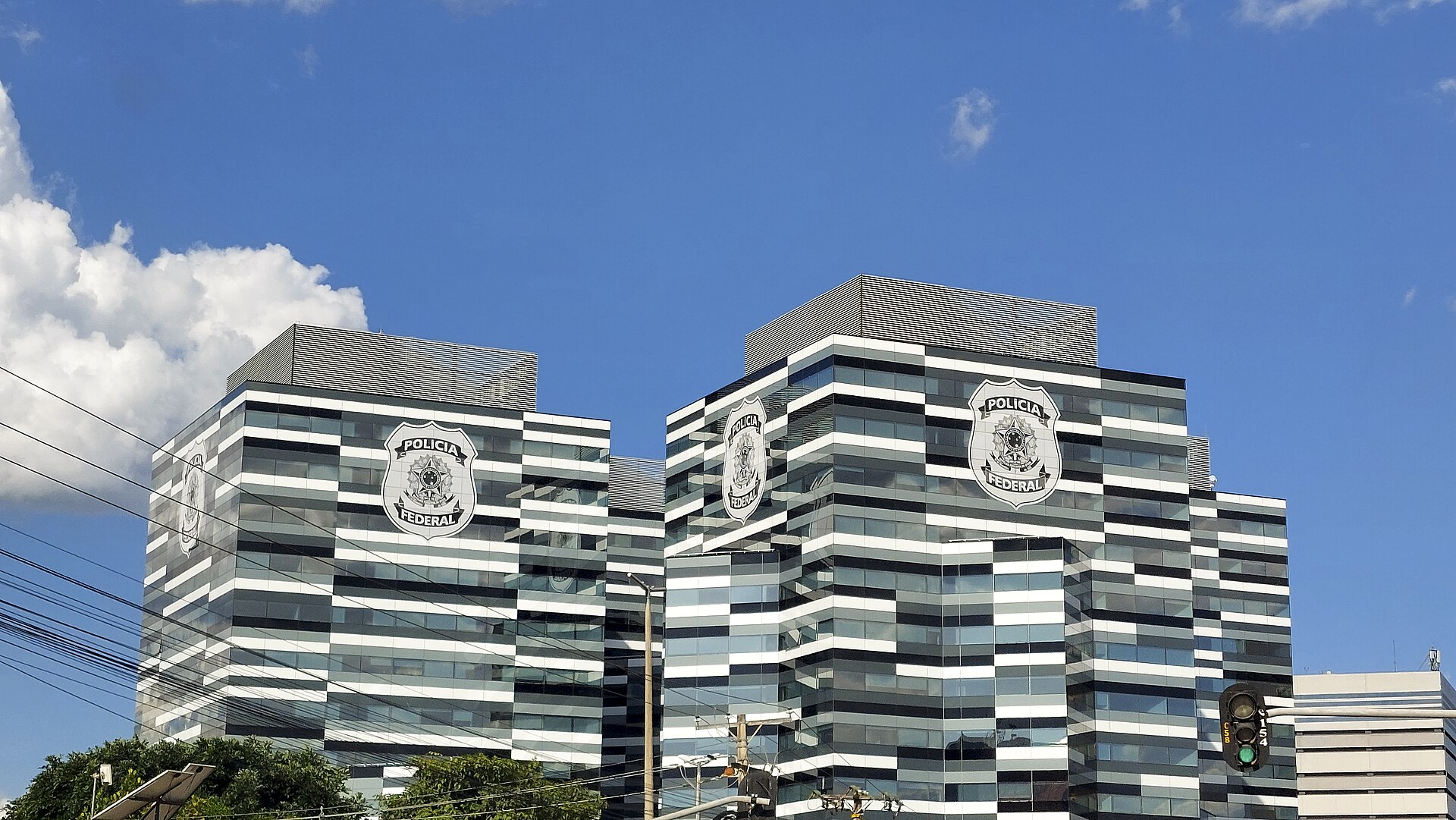
Why Brazil’s Police Are Briefing the Supreme Court Chief
Federal Police director-general Andrei Rodrigues was due to hand Supreme Court President Edson Fachin reports on mentions of justices on Wednesday 18 November 2026, Brazilian press reports say. We found no official statement on the meeting.
The reports come from the inquiry into Banco Master, a failed Brazilian bank, and its former owner, Daniel Vorcaro. Brazil’s central bank liquidated the bank on 18 November 2025, and police arrested Vorcaro that month.
Press reports say at least six Supreme Court justices appear in messages seized in the inquiry, including from Vorcaro’s brother-in-law, Fabiano Zettel. Being mentioned does not by itself mean suspicion of wrongdoing, and no charge against any justice has been announced.
Fachin asked in October that the reports stay descriptive, without assessing the justices’ conduct. Police leaders then removed two senior delegates from coordinating the case.
Fachin is expected to decide what happens next with the material. We found no announced timetable.

What Cuba Sanctions Did to Sherritt’s Third Quarter
Sherritt International, a Toronto-listed miner with nickel-cobalt and power ventures in Cuba, reported a third-quarter net loss from continuing operations of C$79.3 million (about US$55.5 million) on Friday 13 November 2026. The nine-month loss was C$159.6 million (about US$111.6 million), converted at about 0.70 US dollars per Canadian dollar.
Sherritt suspended its direct participation in the Moa and Energas joint ventures in Cuba on 7 May 2026, after new US sanctions on Cuba. Moa is the nickel-cobalt mine and Energas the power venture.
Mining and processing at Moa ceased at the end of the second quarter, and the refinery’s supply of mixed sulphide, a nickel-cobalt intermediate, ran out on 22 June. The company reported the effect in its results.
Combined revenue halved to C$54.1 million (about US$37.8 million) from C$108.4 million (about US$75.8 million). Adjusted net loss was C$50.9 million (about US$35.6 million), excluding a non-cash revaluation loss of C$26.8 million (about US$18.7 million).
Interim President and CEO Peter Hancock said the quarter “reflected the full impact of the interruption to our mining and refining operations.” Electricity output at Energas was 169 gigawatt-hours.
What Links These Stories
Two of the day’s stories show US rules reaching companies and countries outside the United States: export-license tests for AI data centers in Brazil and sanctions that cut Sherritt’s Cuban operations. US-headquartered firms are exempt from the license but face reporting duties, while Sherritt’s investors bear the sanctions loss.
The police story is domestic. Investors in Brazil watch how the police and the Supreme Court handle a case that touches the court itself.
The reports behind this Big Read
What It Means for US Readers
US-headquartered companies running data centers in Brazil need no license but face new BIS reporting requirements. Investors in Brazil watch the Federal Police and the Supreme Court, and the Banco Master case now touches both.
Sherritt’s shares trade in Toronto under the ticker TSX: S.
What to Watch Next
Brazilian press reports say the Federal Police were due to hand the reports to Fachin on Wednesday 18 November. The chip rule takes effect on Federal Register publication, and comments are due 60 days later.
Fachin has set no known date for his next step after the meeting.
What Is Not Known
We have not read the full rule text, so the effective date and when the 90-day clock starts are unconfirmed. We also do not know how many Brazilian data centers need licenses, and we found no comment from Brazil’s government.
No report confirms that the Fachin meeting took place, and the content of the reports and the justices they name have not been published. We found no statement on Sherritt’s results from the Cuban or Canadian governments.
Sources
US Commerce Department, Bureau of Industry and Security press release, 16 November 2026 · Sherritt International third-quarter 2026 results, 13 November 2026
This article was produced by The Rio Times’ automated AI newsroom. Editorial responsibility: Matthias Camenzind, Publisher and Editor-in-Chief. The Rio Times also runs Ask Rio Times, which answers from 100,000+ of our own articles, the daily Latin America Power Map, and prediction-market odds on elections and markets.. How we use AI · Report an error
Brazil runoff, Sunday, October 25: Brazil runoff date. Latest: Brazil runoff polls, Flávio 51%, Lula 49%.
Frequently Asked Questions
Does the new US rule ban AI chip sales to Brazil?
No. It names Brazil among five countries facing license tests. US-headquartered companies are exempt but face new reporting requirements to the Bureau of Industry and Security.
Are Brazilian Supreme Court justices accused of wrongdoing?
No charge has been announced. Being mentioned in seized messages does not by itself mean suspicion of wrongdoing. The reports have not been published.
Why did Sherritt lose money in the third quarter?
It posted a C$79.3M (about US$55.5M) net loss after suspending its Cuban joint ventures on 7 May. Moa mining ceased at the end of the second quarter and refinery supply ran out on 22 June.