The Argentina Diaspora in the United States Explained
ARGENTINA · DIASPORA
Key Facts
- The people The US Census Bureau counts 210,909 Argentina-born residents in 2024, with a margin of error of about 10,700.
- Where they live Florida has the most, at 60,741, followed by California, New York, Texas and New Jersey.
- Money home Argentina received US$923 million in remittances in 2025, down from US$1.06 billion in 2024, says the World Bank.
- Entry rules Argentina is not named in the US entry-ban proclamation of 16 December 2025, and a visa-waiver deal is so far a declaration of intent signed on 28 July 2025.
- Power Index Argentina ranks 4th of 14 in The Rio Times Latin America Power Index, with 61.2 points (October 2026 edition).
The Argentina diaspora in the United States counts about 211,000 Argentina-born people, and its votes, visas and money matter in both countries. This guide explains how many there are, where they live, what they send home and how US rules affect them.
The figures are the latest available as of October 2026.

The Argentina Diaspora at a Glance
The US Census Bureau counted 210,909 Argentina-born people living in the United States in its 2024 American Community Survey. The survey is a yearly sample, and the margin of error on that count is about 10,700 people.
A second count asks people for their Hispanic origin instead of their birthplace. It finds 345,919 Americans who describe themselves as Argentinean, with a margin of error of about 16,500.
The two counts differ by about 135,000 people because the origin count includes US-born Americans who report Argentine roots. Both are estimates, so treat them as ranges.
Argentina is a South American country with its capital in Buenos Aires, and the Rio Times Argentina page gives the wider picture. Its home population is covered in the Rio Times guide to Argentina’s population.
The same survey counts 4,833,833 South America-born residents and 50,234,840 foreign-born residents of every origin. Argentina-born people therefore make up about 4.4% of South American-born residents and about 0.4% of all immigrants.
Where Argentines Live in America
Florida is the clear centre of the Argentina diaspora, with an estimated 60,741 Argentina-born residents in 2024. California follows with 28,284, New York with 18,257, Texas with 15,030 and New Jersey with 12,285.
Those five states hold about 134,600 people, or roughly 64% of the national total. Illinois, Utah, North Carolina, Virginia and Maryland each hold between about 5,100 and 6,200.
Florida alone holds almost three in ten Argentina-born residents, about 28.8% of the national count. Georgia, Connecticut and Pennsylvania each hold between about 3,300 and 4,000.
Utah, with 6,034, is an unexpected name among the leading states, though its margin of error is about 2,100. The Argentina diaspora is spread thinly across the rest of the country.
A Note on Margins of Error
State figures come from a sample, so each carries a wide margin; Florida’s is about 5,400 and California’s about 3,700. Rankings of close neighbours, such as Illinois, Utah, North Carolina and Virginia, should be read as ties.
- Florida: 60,741 Argentina-born residents (2024 estimate)
- California: 28,284
- New York: 18,257
- Texas: 15,030
- New Jersey: 12,285
- Illinois: 6,176, Utah: 6,034, North Carolina: 5,435, Virginia: 5,408, Maryland: 5,110

How Argentines Compare With Other South Americans
Argentina ranks seventh among South American birthplaces in the 2024 survey, behind Colombia, Venezuela, Brazil, Ecuador, Peru and Guyana. Colombia-born residents number 1,153,648, more than five times the Argentine count.
Venezuela-born residents number 987,647, Brazil-born 725,419 and Ecuador-born 621,915. Peru-born residents number 535,912, Guyana-born 273,423 and Chile-born 137,579, which is below Argentina.
Among Hispanic or Latino origin groups, the Argentina diaspora is small, with 345,919 of 68,013,550 people, or about 0.5%. Colombians (1,765,862) and Venezuelans (1,168,271) are far larger.
For the economic backdrop at home, see the Rio Times guide to who runs Argentina’s economy. The guide covers the main players in the Argentine economy.
What Argentines Send Home
The World Bank, the global development lender, lists personal remittances received by Argentina at US$923 million in 2025. That is down from US$1.06 billion in 2024 and equal to about 0.14% of Argentina’s economic output.
The 2023 figure was US$985 million, so the 2025 total is the lowest of the three years. The same dataset, updated on 8 October 2026, shows people in Argentina sent US$842 million abroad in 2025.
That outflow is up from US$585 million in 2024, a rise of about 44%. Money leaving Argentina in 2025 was therefore about 91% of the money arriving.
Remittances to Argentina are small for the size of its economy, at 0.14% of output in 2025 against 0.17% in 2024. The Argentina diaspora is therefore a minor source of household income at home.
How Much Comes From the United States
The World Bank series counts money sent by workers abroad, from every sending country combined. The headline figure therefore cannot be read as money from the United States alone.
Visas, Travel Rules and Status
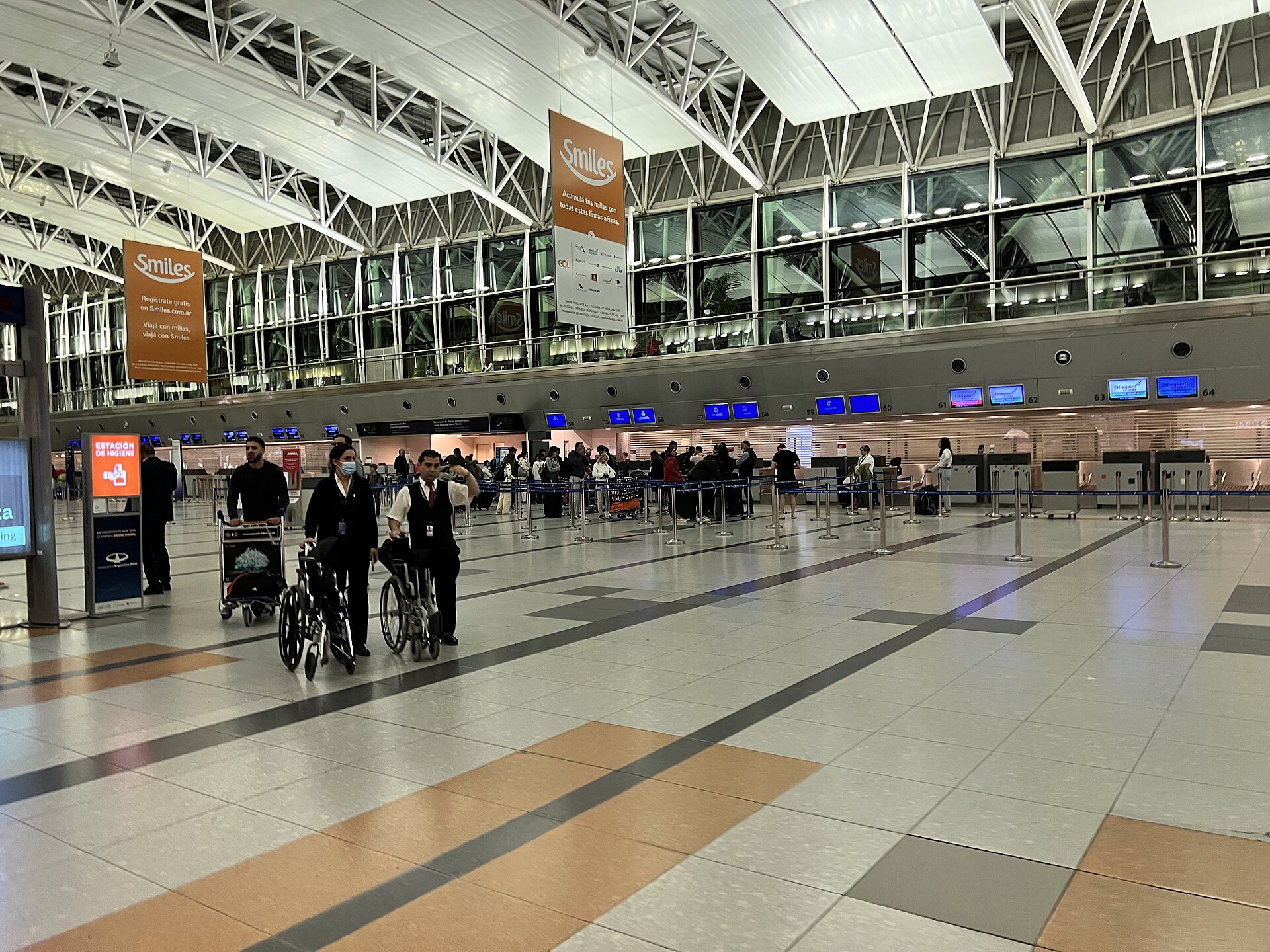
A US presidential proclamation signed on 16 December 2025 suspends or limits entry for citizens of the countries it lists. It took effect at 12:01 a.m. Eastern time on 1 January 2026, and Argentina is not among the countries it names.
On 28 July 2025 Argentina and the United States signed a declaration of intent on Argentina’s entry into the Visa Waiver Program. The program lets citizens of approved countries make short trips to the United States without a visa.
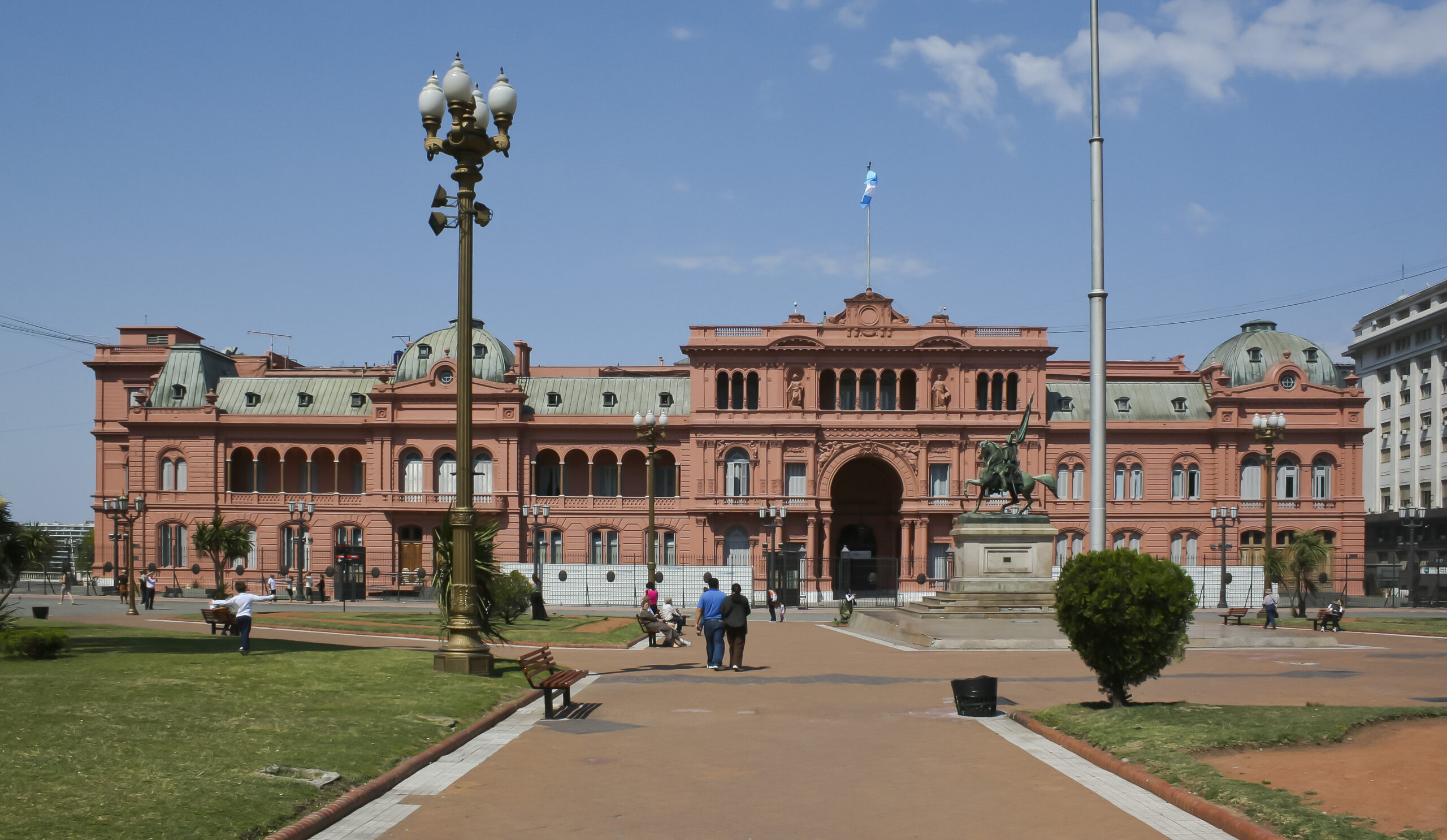
The signing took place in Buenos Aires during a visit by the US Homeland Security Secretary, Kristi Noem. President Javier Milei received her at the Casa Rosada.
A declaration of intent is a first step, not a US decision to admit Argentina. It starts a process that only Washington can complete.
Argentines planning a trip should check the US Embassy visa page for the current rule before booking. Rules can change at short notice.
What the Waiver Would Change
A waiver would let tourists and business visitors skip the visa interview, but not work or settle. Green cards, work visas and student visas would still follow the usual consular process.
For the political side of the deal, see the Rio Times guide to Argentina and the United States. Its sections cover the wider relationship between the two governments.
Politics, Voting and Culture
Argentines abroad can vote in national elections, which makes the Argentina diaspora a small but real voting bloc. For the October 2025 vote, the government listed 490,726 electors living outside the country, out of 35,987,634 in total, or about 1.4%.
Voting abroad is optional for Argentines aged 16 and over. Their national identity card must list a foreign address at least 180 days before the general election.
The vote counts in the province or Buenos Aires city district of the voter’s last address in Argentina. This ties each Argentina diaspora vote to a home district.
On election day, voters cast the ballot in person at the Argentine embassy or consulate matching the address on their card. Postal voting needs earlier registration, and 2,648 people had signed up for it in 2025.
President Javier Milei leads the national government, while Axel Kicillof is governor of Buenos Aires province. The next presidential vote is due in 2027; see the Rio Times politics guide.
For the wider picture of outside influence at home, see the Rio Times guide to Argentina’s foreign powers and investors. It covers the foreign governments and companies with the most weight in Argentina.
What It Means for US Readers
Argentines travelling to the United States should check the embassy visa page before booking, because rules can change at short notice. The 2025 declaration is a statement of intent, not a waiver.
Florida, California, New York, Texas and New Jersey hold about 64% of the roughly 211,000 Argentina-born residents. Remittances of US$923 million equal about 0.14% of Argentina’s economy, so household transfers are a small channel for Argentina.
What Is Not Known
The Census figures used here do not cover income, citizenship status or reasons for arriving. The same gap applies to the Argentina diaspora’s wealth and to its length of stay.
The World Bank series does not split remittances by sending country. The electoral figures used here do not give the number of Argentine voters registered in the United States.
Whether and when the United States will admit Argentina to the Visa Waiver Program is a decision that only Washington makes. Dual citizenship rules should be checked with an Argentine consulate.
Readers planning a move should confirm every rule with official US sources. Rules for visas, work and residence can change at short notice.
Frequently Asked Questions
How many Argentines live in the United States?
The Census Bureau counted 210,909 Argentina-born residents in 2024, with a margin of error of about 10,700. A separate origin count shows 345,919 people who identify as Argentinean.
Which US state has the most Argentines?
Florida, with an estimated 60,741 Argentina-born residents in 2024. California, New York, Texas and New Jersey follow.
How much do Argentines abroad send home?
Argentina received US$923 million in personal remittances in 2025, down from US$1.06 billion in 2024, according to the World Bank. The figure covers every sending country combined.
Is Argentina in the US Visa Waiver Program?
Argentina and the United States signed a declaration of intent on 28 July 2025 for Argentina to join. A declaration of intent is not a designation, so check the US Embassy visa page for the current rule.
Is Argentina on the US entry-ban list?
No. Argentina is not named in the proclamation signed on 16 December 2025, which took effect on 1 January 2026.
Can Argentines in the US vote in Argentina?
Yes, in national elections, in person at a consulate or by post after earlier registration, if their identity card shows the foreign address 180 days before the vote. Voting abroad is optional.
Sources: US Census Bureau, American Community Survey 2024 1-year, table B05006 (place of birth, foreign-born), 2025-09-11; US Census Bureau, American Community Survey 2024 1-year, table B03001 (Hispanic or Latino origin by specific origin), 2025-09-11; World Bank, World Development Indicators, personal remittances (BX.TRF.PWKR.CD.DT, BM.TRF.PWKR.CD.DT), 2026-10-08; White House, Proclamation restricting and limiting the entry of foreign nationals, 2025-12-16; Government of Argentina, declaration of intent on the Visa Waiver Program, 2025-07-28; Government of Argentina, 2025 legislative elections in numbers, 2025-10-26; Argentine Electoral Chamber, voting abroad FAQ, 2026-10-31; Government of Argentina, Presidency news (President Javier Milei), 2026-10-31; Government of Buenos Aires Province (Governor Axel Kicillof), 2026-10-30.
This article was produced by The Rio Times’ automated newsroom system. How we use AI · Report an error · Editorial responsibility: Matthias Camenzind, Editor-in-Chief
Expat Guide to Argentina
What The Rio Times publishes for foreigners who live in or move to Argentina.
Start here
- Argentina Security and Crime Explained 2026
- Argentina Money Guide for US Travelers
- Best Places to Live in Argentina for Expats 2026
- How to Open a Bank Account in Argentina as a Foreigner in 2026: Tax ID, Dollars, Apps
City guides
Coming up in Argentina
- IRONMAN San Juan in Argentina on 1 November 2026 1 Nov
- Mar del Plata Film Festival 2026: 5 to 15 November 5 Nov
- Primavera Sound Buenos Aires 2026: Gorillaz, The Strokes to Headline 28 Nov
- Colombian Star Karol G Plays Buenos Aires on 5 February 5 Feb
Understand Argentina
Brazil runoff date: Sunday, October 25, poll closing times and when results start · Brazil runoff polls: Flávio 51%, Lula 49% · Kalshi and Polymarket odds
Rotate for Best Experience
This report is optimized for landscape viewing. Rotate your phone for the full experience.
You've reached your free article limit
Subscribe to The Rio Times for unlimited access to our news, expat and nomad guides and market intelligence on Latin America and Africa.
Keep reading for free
Your first article was on us. Register with your email address to read 6 free articles every month. You will also receive The LatAm Brief: what moved in Latin American markets, politics and expat life, every weekday morning.
Expat Guide to Argentina
What The Rio Times publishes for foreigners who live in or move to Argentina.
Start here
- Argentina Security and Crime Explained 2026
- Argentina Money Guide for US Travelers
- Best Places to Live in Argentina for Expats 2026
- How to Open a Bank Account in Argentina as a Foreigner in 2026: Tax ID, Dollars, Apps
City guides
Coming up in Argentina
- IRONMAN San Juan in Argentina on 1 November 2026 1 Nov
- Mar del Plata Film Festival 2026: 5 to 15 November 5 Nov
- Primavera Sound Buenos Aires 2026: Gorillaz, The Strokes to Headline 28 Nov
- Colombian Star Karol G Plays Buenos Aires on 5 February 5 Feb
Understand Argentina