
ARGENTINA · MEDIA
Key Facts
- —The basics As of October 2026, Argentina’s news market is led by a few private groups, with Grupo Clarín the main player, while the state sector has shrunk since the Télam agency closed in 2024.
- —Why it matters Argentine outlets shape how voters and foreign investors judge President Javier Milei’s reforms, and his open hostility toward critical journalists has turned press freedom into a political issue.
- —The numbers As of October 2026, Argentina ranks 98th of 180 countries in the 2026 World Press Freedom Index with a score of 52.44, down from 87th and 56.14 in 2025.
- —Who is who Grupo Clarín owns the Clarín daily, TN, El Trece and Radio Mitre, La Nación speaks for conservative readers, Infobae is a major news site, and Cablevisión Holding controls Telecom Argentina.
- —What to watch Watch how Telecom Argentina meets the June 2026 competition ruling to shed 6 million mobile customers after buying Movistar, and any move to close or privatise Radio Nacional and TV Pública.
- —Power Index Argentina ranks 4th of 14 in The Rio Times Latin America Power Index, with 61.2 points (October 2026 edition).
- —Prediction markets Polymarket gives Javier Milei a 55% chance of winning the next presidential election and Axel Kicillof 32.5% (14 October, 11:56 a.m. ET).
- —What it means for you US investors can own part of the sector through Telecom Argentina’s shares on the New York Stock Exchange, and travelers should read several outlets because coverage splits sharply by political camp.
Argentina media is loud, concentrated and short of money, and its feud with the president shapes the news. This guide explains who owns what, who reaches whom and how free the press is as of October 2026.
The Argentina media landscape is dominated by a few private groups, led by Grupo Clarín, alongside a shrinking state sector. Press freedom has slipped since President Javier Milei took office in December 2023, according to Reporters Without Borders (RSF).
In the RSF World Press Freedom Index 2026, Argentina ranks 98th of 180 countries, down from 87th in 2025. That matters in the United States because Argentine outlets shape how investors read Milei’s reforms and the next election.
Argentina Media at a Glance
Argentina has a large and competitive news market, with national dailies, round-the-clock cable news and busy news sites. Most national outlets are based in Buenos Aires, which sets the agenda for the provinces.
The market is also highly concentrated, a point RSF stresses in its 2026 country profile. RSF names the Clarín group as the main player and says it wields a great deal of influence over the media landscape.
Politics divides almost every newsroom, so the same story can read very differently from one outlet to the next. Readers new to the country should compare at least two sources before drawing conclusions.
The country’s wider political history explains much of this split, from Peronism to military rule and the return of democracy in 1983. The Rio Times guide to Argentina history covers that background in detail.
The Big Groups and Who Owns Them
Grupo Clarín is the main player in the country’s media industry, publishing the Clarín daily and running television and radio outlets. Its brands include the cable news channel TN and the broadcast network El Trece, both based in Buenos Aires.
The group’s radio stations include the talk station Radio Mitre and the music station La 100. Outside the capital, it also publishes La Voz del Interior, a daily based in the city of Córdoba.
The group’s former cable and internet business sits in a separate company, Cablevisión Holding. That holding controls Telecom Argentina, a major provider of telephone, internet and pay television services.
Telecom Argentina’s annual report to the US Securities and Exchange Commission says Cablevisión Holding can decide major shareholder votes. The same filing says that power also runs through GC Dominio, a vehicle linked to Clarín’s controlling shareholders.
On Monday, 24 February 2025, Telecom Argentina bought Telefónica Móviles Argentina, the local Movistar mobile business of Spain’s Telefónica. In June 2026, the National Competition Authority approved the deal on condition that Telecom shed 6 million mobile customers, Chequeado reported.
Telecom had offered to give up 3 million mobile and 130,000 fixed broadband customers and called the final conditions excessive. Which customers and assets it will sell had not been made public by October 2026.

Other private owners are smaller but influential, often combining newspapers, radio and streaming under one roof. Detailed shareholder stakes for most of them are not published in one public register.
RSF says almost all rules against media ownership concentration were scrapped between 2015 and 2019, when centre-right Mauricio Macri was president. That left the big groups free to keep newspapers, broadcasters and internet businesses together.
Newspapers, Broadcasters and Digital Outlets
Clarín is the group’s flagship daily and leans toward the political centre, often critical of Peronist governments. La Nación, founded in 1870 by former president Bartolomé Mitre, is the traditional voice of conservative and business readers.
Página/12 is the main left-leaning national daily and is close to the Peronist movement. The business papers Ámbito and El Cronista focus on markets and are widely read by traders and investors.
Infobae, a digital-only outlet, is one of the country’s most widely read news sites. It publishes a constant stream of breaking news and has expanded across Latin America.
On television, cable news channels such as TN, LN+, A24 and C5N run political debate around the clock. C5N is generally seen as closer to Peronism, while LN+ and TN draw more anti-Peronist audiences.
Radio remains strong, especially the morning talk shows on Radio Mitre and its rivals. In the provinces, local dailies and radio stations still matter more than national brands for daily life.
Public Media After the Closure of Télam
Argentina’s state news agency, Télam, was shut down by the Milei government in 2024 after decades of operation. Decree 548/2024, published in the Official Gazette on Monday, 1 July 2024, turned it into a state advertising agency.
RSF says the closure of Télam dealt “a heavy blow to the right to information” in its 2026 profile. Provincial newspapers lost a cheap source of national and international copy as a result.
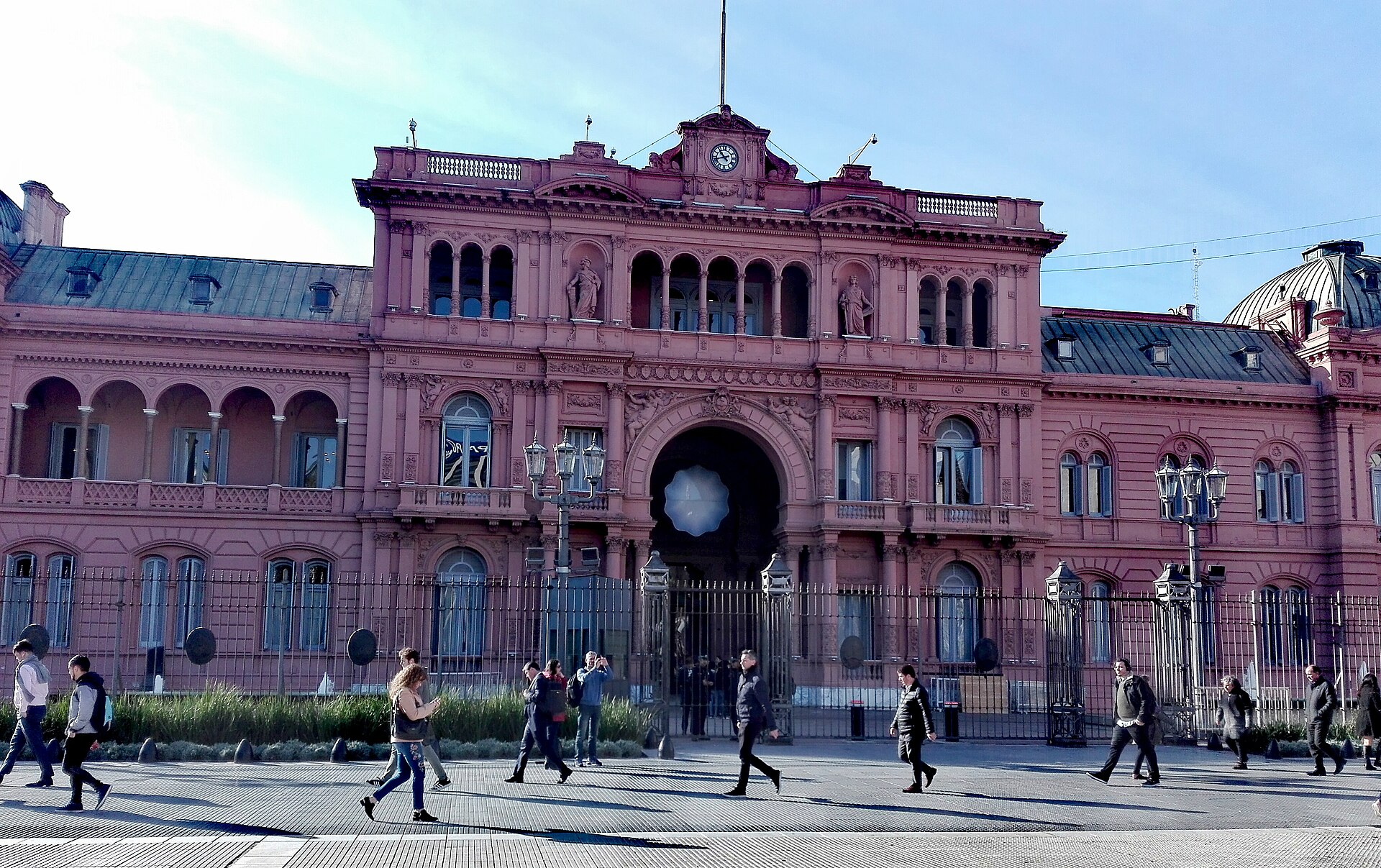
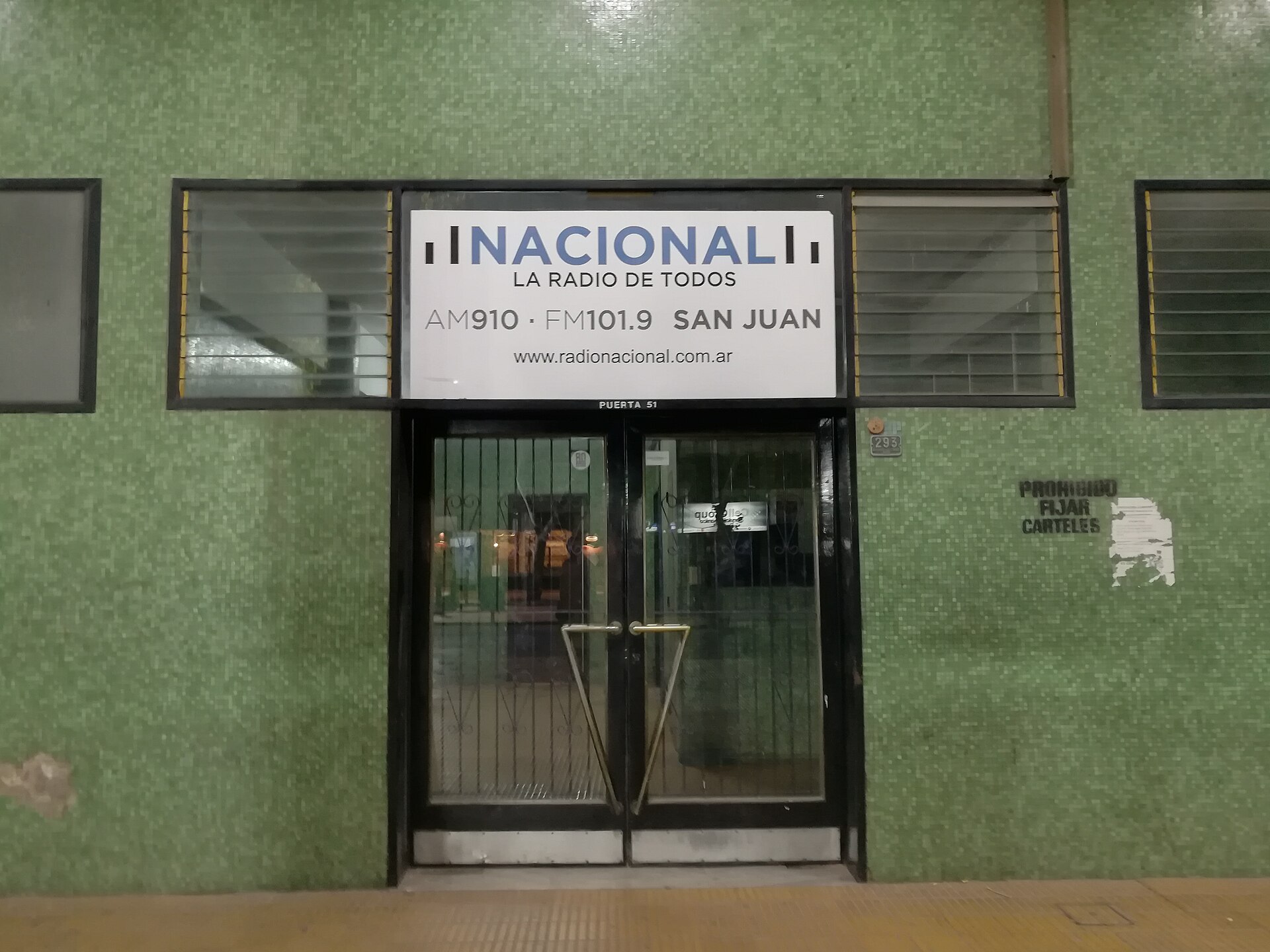
The remaining public outlets include Radio Nacional and TV Pública, the national public radio and television networks. RSF says Milei has made clear that he intends to close or privatise state media.
RSF adds that the government plans to stop funding community media, the small local stations run by neighbourhood and civic groups. Supporters of the government say public media cost too much and served past governments as propaganda tools.
Critics answer that remote provinces depend on Radio Nacional for news, emergency alerts and local programming. No date for a closure or sale of the state networks had been announced by October 2026.
Press Freedom Under Milei
Argentina fell 11 places in the RSF index between 2025 and 2026, from 87th to 98th of 180 countries. Its score dropped from 56.14 to 52.44 points over the same period.
RSF says Milei is encouraging hostility toward journalists, and that insults and threats against critical reporters have become common. The president often attacks named journalists on social media, which his supporters then amplify.
RSF also describes a murky state role in how advertising, tax exemptions and contracts are awarded, a lasting source of pressure. Many outlets remain financially fragile after a decade of recessions and high inflation.
The government rejects the charge of censorship and says it has simply stopped funding friendly media with public money. For a closer look at who holds power, see the Rio Times guide to who dominates Argentina.
Social Media and Streaming
Social media has become a main political battlefield, and Milei uses his X account as a key channel to attack critics. He first became known as an economist and television pundit before building a large following online.
Streaming channels on YouTube and other platforms now compete with cable news, especially among younger Argentines. Many run long live talk shows that mix politics, football and entertainment.
The shift online has weakened the agenda-setting power of print, though newspapers still lead on investigations. Television remains the main news source for older viewers outside big cities.
Foreign policy debates, from ties with Washington to trade with China, also play out heavily online. The Rio Times explainer on Argentina geopolitics sets out those alliances.
What It Means for US Readers
US investors can gain exposure through Telecom Argentina, whose American depositary shares trade in New York as TEO. Its annual filing with the Securities and Exchange Commission says Cablevisión Holding owns 28.16% of its capital and can decide major votes.
Anyone following Argentina’s economy should read market papers such as Ámbito and El Cronista alongside the big general dailies. Political coverage should be checked across camps, because outlets on each side frame the same data differently.
Visitors and newcomers will find most national media in Spanish, with limited English coverage. The Rio Times Buenos Aires city guide and the Argentina news hub help fill that gap.
For background on the president who dominates the news cycle, read the Rio Times profile Who Is Javier Milei. It explains his libertarian programme and his clashes with the press.
What Prediction Markets Say
On Polymarket, bets give Javier Milei a 55% chance of winning the next presidential election and Axel Kicillof 32.5%. The market had traded about US$842,000 by 11:56 a.m. ET on 14 October.
Kicillof is the Peronist governor of Buenos Aires province, while Sergio Massa, whom Milei defeated in 2023, stood at 7.3%. These are bets on an outcome, not opinion polls.
Why we show this: prediction markets turn real-money bets into a live probability that moves within minutes of the news, which is why investors, campaigns and newsrooms in the United States now follow them closely. We show them next to polls and official results, never instead of them.
What Is Not Known
Audited circulation and audience figures for most Argentine outlets are not published in one reliable public source. Shares of the market by company can therefore only be estimated.
Which customers and assets Telecom Argentina will sell to meet the competition ruling, and by when, is not yet known. It is also unclear whether and when the government will try to close or sell Radio Nacional and TV Pública.
Frequently Asked Questions
What are the main newspapers in Argentina?
The biggest national dailies are Clarín, La Nación and Página/12, with Ámbito and El Cronista covering business. Infobae is a major digital-only news site.
What is Grupo Clarin?
Grupo Clarín is Argentina’s main media group, owning the Clarín daily, TN, El Trece and Radio Mitre. Reporters Without Borders names it as the main player in a concentrated market.
How free is the press in Argentina?
Argentina ranks 98th of 180 countries in the 2026 World Press Freedom Index, down from 87th in 2025. Reporters Without Borders cites hostility toward journalists and pressure through state advertising.
What happened to the Telam news agency?
The Milei government closed the state agency Télam in 2024. Decree 548/2024, published on 1 July 2024, turned it into a state advertising agency.
Can Americans invest in Argentine media?
Telecom Argentina, controlled by Cablevisión Holding, trades on the New York Stock Exchange under the ticker TEO. It is a telecom and pay television company rather than a newspaper publisher.
Sources: Reporters Without Borders, Argentina country profile and 2026 index; Telecom Argentina, Form 20-F for 2025, US SEC; Boletín Oficial de la República Argentina, Decree 548/2024; Grupo Clarín; Grupo Clarín investor relations; Chequeado; Polymarket market data (all accessed 14 October 2026).
This article was produced by The Rio Times’ automated newsroom system. How we use AI · Report an error · Editorial responsibility: Matthias Camenzind, Editor-in-Chief
Expat Guide to Argentina
What The Rio Times publishes for foreigners who live in or move to Argentina.
Start here
- Argentina Security and Crime Explained 2026
- Argentina Money Guide for US Travelers
- Best Places to Live in Argentina for Expats 2026
- How to Open a Bank Account in Argentina as a Foreigner in 2026: Tax ID, Dollars, Apps
City guides
Coming up in Argentina
- Los Pericos Gran Rex Concert Set for 22 October 2026 in Argentina 22 Oct
- Mendoza Things to Do, 9 to 31 October 2026 31 Oct
- Mar del Plata Film Festival 2026: 5 to 15 November 5 Nov
- Primavera Sound Buenos Aires 2026: Gorillaz, The Strokes to Headline 28 Nov
Understand Argentina