
NIGERIA · ABUJA
Key Facts
- What is happening Abuja, Nigeria’s planned capital, heads into the 16 January 2027 presidential and parliamentary elections after electing six area council chairmen on 21 February 2026 and confirming an Ebola case on 20 October 2026.
- Why it matters Abuja hosts Nigeria’s president and National Assembly but is not a state: a federal minister, not an elected governor, runs the territory and its budget of NGN 2.285 trillion (about US$1.7 billion).
- The numbers The 2006 census counted 1,406,239 people in the Federal Capital Territory, and the statistics bureau forecast 3,564,126 for 2016; Nigeria had 237.5 million people and US$1,224 income per head in 2025.
- Who is who Nyesom Wike, a former governor of Rivers State, is FCT Minister under President Bola Tinubu, while Godswill Akpabio presides over the Senate and the governing APC won five of six area councils.
- What to watch Watch the 16 January 2027 vote, the revenue profile the Senate asked the territory administration to file, the end of Ebola contact monitoring, and the expiry of the AGOA trade law on 31 December 2026.
- Prediction markets Polymarket, an online prediction market, gives Bola Tinubu a 68.0% chance and Peter Obi 21.5% of winning Nigeria’s 2027 presidential election (4 November, 9:40 a.m. ET).
- What it means for you The US State Department tells Americans to reconsider travel to Nigeria (Level 3) but does not put Abuja on its Level 4 do-not-travel list; the US Embassy is in the city.
Abuja is Nigeria’s planned capital and the seat of its government. It is run by a federal minister, not a governor, and about to host a national election.
This Abuja city guide explains Nigeria’s capital in November 2026, a planned city in the middle of the country. It is the seat of the president and the National Assembly, yet it is not a state and has no governor.
More coverage sits on the Rio Times Nigeria page and the Abuja expat city page. Naira (NGN) amounts use the Central Bank of Nigeria’s official rate of 3 November 2026, NGN 1,346 per US$.
Abuja City Guide: Nigeria’s Planned Capital
Abuja sits in the Federal Capital Territory, or FCT, a federal enclave in the centre of Nigeria. The FCT Development Authority says a 1976 decree created the territory, which makes 2026 its 50th year.
Nigeria moved its seat of government to Abuja from Lagos, the coastal former capital, in 1991. Lagos remains the larger city and the commercial centre of the country.
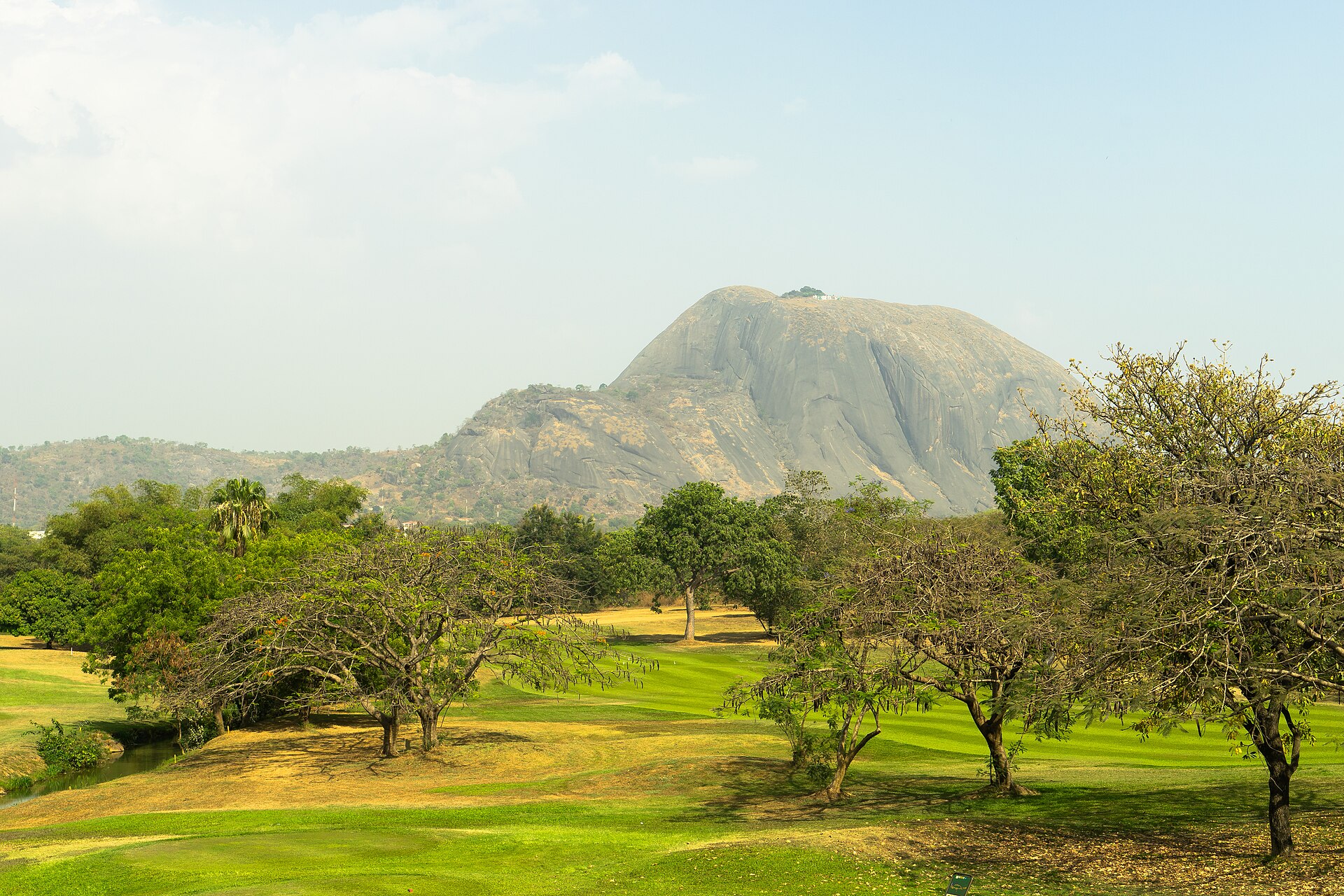
The city was laid out on a master plan, with government districts, wide avenues and planned satellite towns. Its best known natural landmark is Aso Rock, a granite outcrop beside the presidential villa.
Other landmarks include the National Mosque, Millennium Park and Eagle Square, a parade ground used for national ceremonies. The National Assembly, Nigeria’s parliament, also sits in the capital.

Population and Neighbourhoods
Nigeria’s National Population Commission counted 1,406,239 people in the FCT in the 2006 census. That is the latest full count that the National Bureau of Statistics publishes for the territory.
The bureau’s own forecast reached 3,564,126 people for 2016, which is a projection and not a count. It implies that the territory grew far faster than the country as a whole.
This guide did not find an official 2026 population figure for the territory or for Abuja city itself. Any current number quoted elsewhere is an estimate.
The FCT has six area councils, which work like counties: Abuja Municipal Area Council (AMAC), Abaji, Bwari, Gwagwalada, Kuje and Kwali. AMAC covers the city centre and the inner districts.
Well known central districts include Maitama, Asokoro, Garki, Wuse and the Central Business District. Many workers live in satellite towns such as Gwarinpa, Kubwa and Lugbe, or just across the border in Nasarawa State.
Nigeria as a whole had 237.5 million people in 2025, the World Bank says, and 63.8% of them lived in towns. Abuja is one of many fast growing cities, not the largest.
Politics and Governance
Nigeria is a federation, but the federal government runs the FCT through the FCT Administration, or FCTA. Its head is the FCT Minister, Nyesom Wike, a former governor of Rivers State, whom the FCTA website lists in the post.
The minister works under President Bola Tinubu, who leads the All Progressives Congress, or APC, the governing party. Residents elect area council chairmen but no governor.
The Independent National Electoral Commission, or INEC, held the six area council elections on Saturday, 21 February 2026. The APC won five of them and the Peoples Democratic Party, or PDP, once the ruling party, won Gwagwalada.
The APC chairmen are Zakka Christopher (AMAC), Joshua Ishaku (Bwari), Samuel Shekwolo (Kuje), Daniel Nuhu (Kwali) and Abdullahi Abubakar (Abaji). Mohammed Kasim took Gwagwalada for the PDP.
The National Assembly passes the territory’s budget, and Senate President Godswill Akpabio leads its upper house. Senators praised Wike’s projects during the 2026 budget debate, and some also questioned the missing revenue figures.
INEC’s website counts down to the presidential and National Assembly elections on Saturday, 16 January 2027. The commission published updated candidate lists, including senatorial districts, on 31 October 2026.
INEC’s revised timetable of February 2026 also set governorship elections for 6 February 2027, though the FCT has no governor to elect. For the dispute over dates, see the Rio Times explainers on the 2027 election date and on who holds power in Nigeria.
Economy and Money
Nigeria’s economy produced about US$291 billion in 2025, the World Bank’s data show, or US$1,224 per person. Growth was 4.0% in 2025, and consumer prices rose 23.0% on average.
The Senate approved the FCT’s 2026 budget at NGN 2.285 trillion (about US$1.7 billion) in May 2026. That is NGN 84 billion (about US$62 million) more than the NGN 2.201 trillion that the president submitted in March.
Capital projects take NGN 1.741 trillion (about US$1.29 billion), or 76% of the total. Recurrent costs are NGN 544.0 billion (about US$404 million).
Overheads account for NGN 378.2 billion (about US$281 million) and salaries for NGN 165.8 billion (about US$123 million). The bill names no single project, only roads and infrastructure in the capital and its satellite towns.
Senators complained that the bill came without a revenue profile, the usual statement of what the territory earns. The Senate President ordered the FCTA to file one even after the bill passed.
This guide did not find a territory level output figure from the statistics bureau. Abuja’s share of Nigeria’s GDP is therefore not stated here.
Getting Around and Infrastructure
Nnamdi Azikiwe International Airport serves the capital, and the Abuja light rail links the Central Area with it. A Chinese state contractor, China Civil Engineering Construction Corporation, built the line.
In May 2024 Wike said the line was ready for commercial operations after a rehabilitation costing about US$15 million. Current ridership, fares and timetables could not be confirmed for this guide.
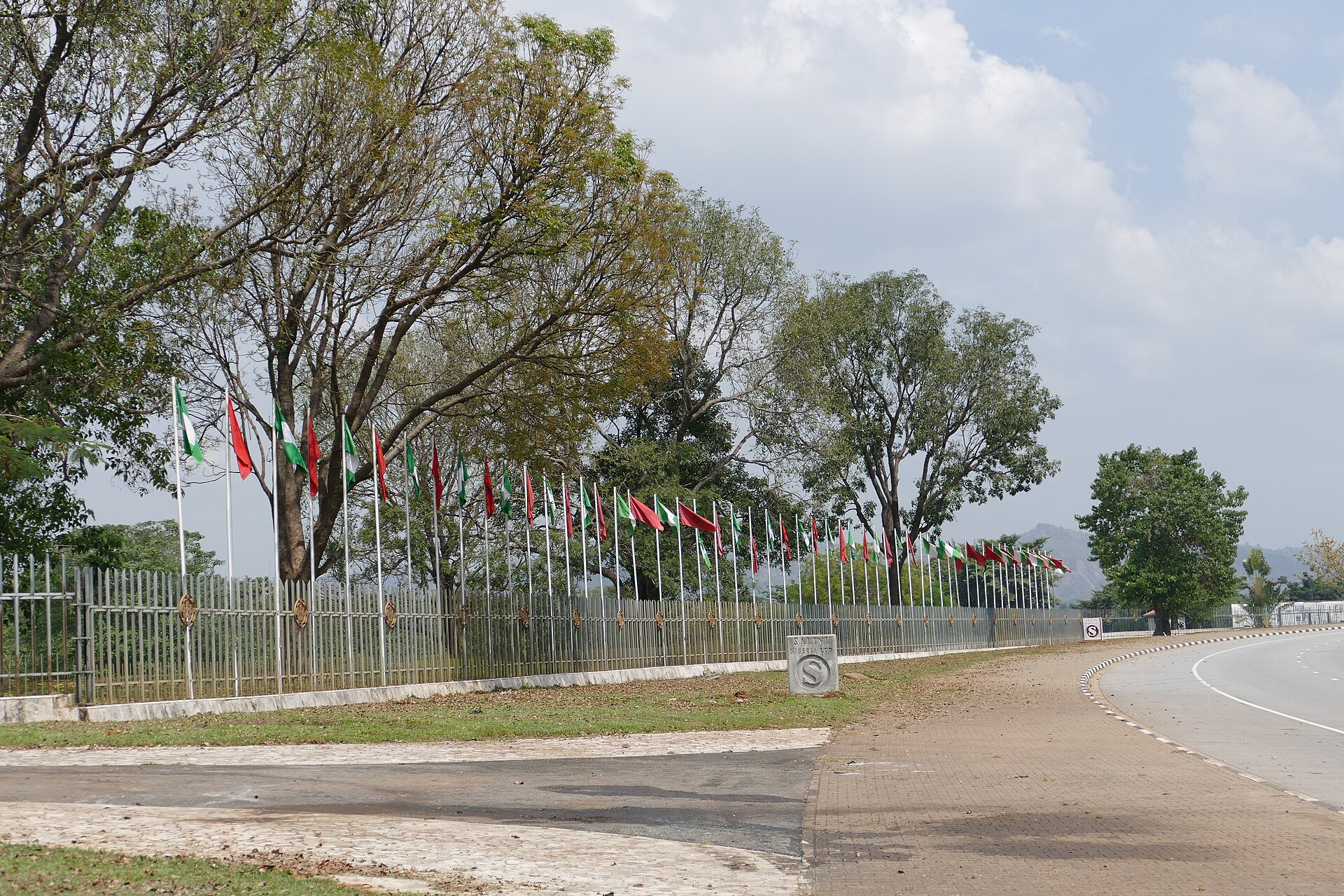
Most residents still depend on roads, and the FCTA runs urban planning, public buildings and land administration through its departments. This guide found no official count of daily commuters or road traffic.
Security and Public Health
The US State Department tells Americans to reconsider travel to Nigeria (Level 3) citing crime, terrorism, civil unrest, kidnapping and armed gangs. Its Level 4 do-not-travel list covers many states but does not name the FCT.
Kogi and Kaduna, which border the territory, are on that Level 4 list. The embassy also warns that the US government has a limited ability to provide emergency services in many parts of Nigeria.
On 20 October 2026 Nigeria’s Health Ministry confirmed an Ebola case in Abuja, a woman who had arrived from Uganda. Health Minister Muhammad Ali Pate said officials had identified 44 contacts.
By 26 October the patient had been evacuated to Switzerland, and officials were monitoring about 52 contacts. This guide did not find a final all-clear from the Nigeria Centre for Disease Control, or NCDC, the national health agency.
Details are in the Rio Times report on the Abuja Ebola case. For the wider picture, read the explainer on security and crime in Nigeria.
Daily Life and Culture
Abuja is a government town, so weekdays revolve around ministries, embassies and the National Assembly. Nigeria’s largest ethnic groups, including the Hausa, Yoruba and Igbo, all live in the capital.
Visitors often start with the National Mosque, Millennium Park and Eagle Square, then look for events in the city. The Rio Times keeps a guide to what to do in Abuja and an explainer on Nigerian culture and languages.
What It Means for US Readers
Americans in Abuja deal with the US Embassy in the capital, while the US Consulate General sits in Lagos. The State Department urges travellers to enrol in its Smart Traveler Enrollment Program, or STEP, and to check the advisory before booking.
The US trade representative’s office lists Nigeria among 33 countries designated for 2026 under the African Growth and Opportunity Act, or AGOA. That law, which gives duty-free access to the US market, is set to expire on 31 December 2026 unless Congress extends it.
The 16 January 2027 election will shape fuel, currency and investment policy made in Abuja. For the wider relationship, read the Rio Times explainer on Nigeria and the United States.
What Prediction Markets Say
Polymarket gives Bola Tinubu a 68.0% chance of winning the 2027 presidential election and Peter Obi 21.5% (4 November, 9:40 a.m. ET). Obi is a former Anambra State governor, and total trading volume was about US$145,000.
Why we show this: prediction markets turn real-money bets into a live probability that moves within minutes of the news, which is why investors, campaigns and newsrooms in the United States now follow them closely. We show them next to polls and official results, never instead of them.
What Is Not Known
An official 2026 population figure for Abuja, a city output figure and police crime statistics for the capital were not found. The 2006 census remains the last full count, and the 2016 figure is a forecast.
The NCDC’s final statement on the Ebola case and the end date of contact monitoring were not found. Current ridership and fares on the Abuja light rail were also not confirmed.
Frequently Asked Questions
Is Abuja the capital of Nigeria?
Yes, Abuja has been Nigeria’s capital since the government moved there from Lagos in 1991. Lagos is larger and remains the main commercial centre.
How many people live in Abuja?
The 2006 census counted 1,406,239 people in the Federal Capital Territory, and the statistics bureau forecast 3,564,126 for 2016. No official 2026 count was found.
Who runs Abuja?
The federal government runs the territory through the FCT Administration, headed by Minister Nyesom Wike. Residents elect six area council chairmen but no governor.
Is Abuja safe for American visitors?
The State Department rates Nigeria Level 3, reconsider travel, but does not list the FCT among its Level 4 do-not-travel areas. Check the advisory and enrol in STEP before travelling.
When is Nigeria’s next presidential election?
INEC lists the presidential and National Assembly elections for Saturday, 16 January 2027. Governorship elections are set for 6 February 2027.
Is there Ebola in Abuja?
Nigeria’s Health Ministry confirmed one case in Abuja on 20 October 2026, and the patient was later evacuated to Switzerland. No final all-clear from the national health agency was found.
Sources: National Bureau of Statistics and National Population Commission (population forecasts); Independent National Electoral Commission; National Assembly (FCT 2026 appropriation bill); FCT Administration; World Bank (Nigeria open data); US State Department (Nigeria travel advisory); US Embassy in Nigeria; US Trade Representative (AGOA eligibility notice, 30 June 2026); Nigeria Centre for Disease Control; Polymarket (Nigerian Presidential Election Winner); Central Bank of Nigeria (official exchange rate, 3 November 2026); FCT Development Authority (history of the capital territory) (all accessed 4 November 2026).
This article was produced by The Rio Times’ automated newsroom system. How we use AI · Report an error · Editorial responsibility: Matthias Camenzind, Editor-in-Chief
The Abuja Guide
What The Rio Times publishes for foreigners in Abuja, Nigeria.
Coming up in Abuja
- Abuja Afrojazz Festival Opens 16 November 16 Nov
- Arewa Festival Opens in Abuja on 21 November 21 Nov
- Wizkid Plays Abuja's Eagle Square on 13 December 2026 13 Dec
Understand Nigeria