
NIGERIA · ELECTIONS
Key Facts
- The country Nigeria is Africa’s most populous nation and a major oil producer; the commission INEC runs its votes.
- What happened On 28 October 2026 an opposition campaign council alleged pressure on INEC to move the election date.
- The date INEC’s calendar lists Saturday 16 January 2027 for the presidential and National Assembly votes.
- The reply On 29 October 2026 Information Minister Mohammed Idris called the claim false and said no delay is planned.
- Still open INEC’s calendar still shows 16 January 2027, and no document backing a delay plan has been made public.
The Nigeria election date dispute began on 28 October 2026, when an opposition council alleged pressure to delay the presidential vote. The government calls that false, and INEC’s calendar still shows Saturday 16 January 2027.
This explainer covers what the election commission is, what the constitution says about timing, and who said what. It follows our news report on lawmakers calling in the commission’s chairman.
The Nigeria Election Date Dispute in Plain English
Nigeria votes for a president and a parliament on Saturday 16 January 2027, which is 79 days away. On 28 October 2026 lawmakers questioned the election commission and an opposition group warned of a delay.
Nobody with power over the date has said it will move. The Nigeria election date dispute rests on an opposition claim and a government denial, not on an announcement.
The commission that runs the vote is the Independent National Electoral Commission, known as INEC. It registers voters, organises polling and announces results, and its chairman is Professor Joash Amupitan.
What INEC Is in the Nigeria Election Date Dispute
INEC is the federal body that organises elections for the presidency, the National Assembly and the states. Its website counts more than 93 million registered voters, over 176,000 polling units and 22 political parties.
A Nigerian general election is really two rounds held weeks apart. INEC’s calendar puts the presidential and National Assembly votes on 16 January 2027, and the governorship and state assembly votes on 6 February 2027.
What the Law Says About the Election Date
Section 132 of the constitution sets the window for a presidential vote. It must fall no earlier than 150 days and no later than 30 days before the sitting president’s term ends.
President Bola Tinubu was sworn in on 29 May 2023, so his four-year term ends on 29 May 2027. Counting back, the window runs from 30 December 2026 to 29 April 2027, and 16 January 2027 sits inside it.
A short delay would also fit inside that window, which is why a rumour about the date draws so much attention. It is also why the Nigeria election date dispute is watched so closely.
INEC first scheduled the presidential vote for Saturday 20 February 2027 and the governorship votes for 6 March 2027. It revised the calendar in late February 2026, after President Tinubu signed the Electoral Act 2026 on 18 February.
Some critics had complained that the February date fell in Ramadan, the Muslim fasting month. The opposition ADC also rejected the revised calendar, which makes the Nigeria election date dispute an older argument.
Why Lawmakers Are Asking About Readiness
On Wednesday 28 October 2026 the House of Representatives, the larger chamber of Nigeria’s parliament, asked INEC’s chairman to brief its Committee on Electoral Matters. He is to report within seven legislative days on voter registration, voter cards, technology, training, security and funding.
Two lawmakers, Mansur Soro and Abdussamad Dasuki, brought the motion and wanted the chairman to face the full House. Deputy Speaker Benjamin Kalu moved the change to the committee, saying the chairman had already spoken on readiness, and Speaker Abbas Tajudeen backed him.
Dasuki said the motion reflected security problems in some parts of the country. The House also asked for a map of difficult areas, which adds to the Nigeria election date dispute.
Separately, former Kano state governor Rabiu Kwankwaso warned INEC about alleged computer-generated photographs in the preliminary voter register. INEC has published a clarification on that claim on its website.
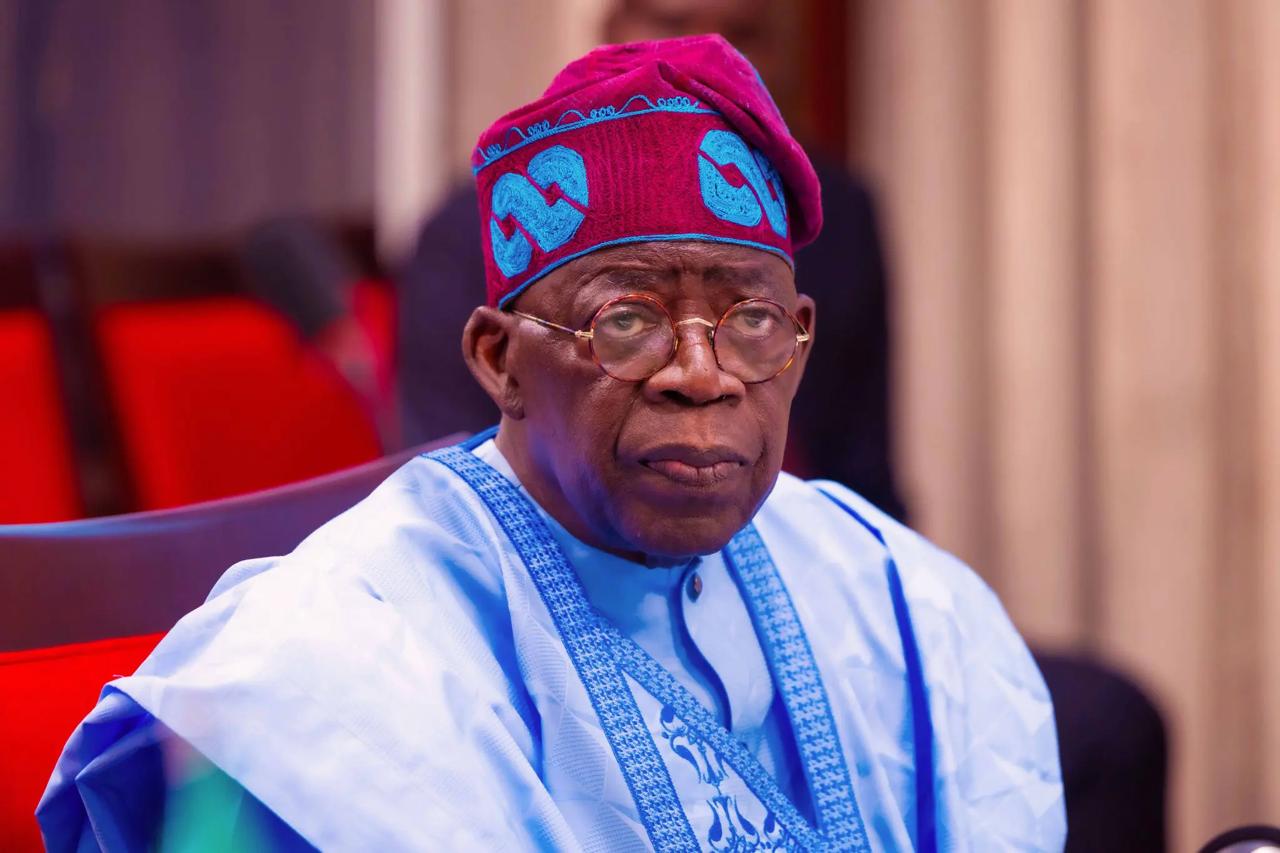
Who Said What in the Nigeria Election Date Dispute
The African Democratic Congress (ADC) is an opposition party whose leaders include former vice president Atiku Abubakar. Its campaign council said on 28 October that Amupitan would be called to the presidential villa and told to change the timetable.
The council warned President Tinubu not to try to dodge the verdict of voters. It also asked Amupitan to refuse any order to move the date and to tell the public at once if anyone pressed him.
Information Minister Mohammed Idris answered on 29 October that the federal government is not planning to change the date or postpone any election. He called the allegation false and said the government knows of no such plan.
The All Progressives Congress (APC) is Tinubu’s ruling party. INEC’s own calendar still lists 16 January 2027 as the day for the presidential vote.
Where Ebola Fits In
Public worry that an Ebola case in Abuja, the capital, could be used to delay the vote has fed the Nigeria election date dispute. The patient was flown to Switzerland, and officials say contacts are still being monitored.
Jide Idris, head of the Nigeria Centre for Disease Control and Prevention (NCDC), said on 26 October that no postponement is needed now. He added that health officials will not use disease as a political weapon.
What It Means for US Readers
Nigeria is Africa’s most populous country and a major oil producer. Investors in its oil, bonds and currency, the naira, follow the Nigeria election date dispute closely.
A vote on the announced date is the baseline everyone is working from. Any change in the Nigeria election date dispute would need a clear explanation from INEC.
For background, see our report on how INEC’s commissioners are confirmed. Our report on Kwankwaso’s warning about the 16 January vote adds the opposition view.
Our explainer on the Nigeria Democratic Congress and the 2027 stakes covers one of the new parties. It shows how crowded the race has become.
What Is Not Known
It is not known whether any meeting between the presidency and INEC’s chairman is planned, because the claim rests on an opposition statement. INEC has not said whether it sees a reason to change the date.
It is also not known when the chairman will appear before the House committee. What he tells lawmakers is the next test.
More: Nigeria news in English, every day from The Rio Times.
Frequently Asked Questions
What is INEC?
INEC is the Independent National Electoral Commission, Nigeria’s election authority. It registers voters, runs polling and announces results.
When is Nigeria’s 2027 presidential election?
INEC’s calendar lists Saturday 16 January 2027 for the presidential and National Assembly votes. Governorship votes follow on 6 February 2027.
Has the election been postponed?
No. INEC’s calendar still shows 16 January 2027, and the information minister said on 29 October 2026 that the government plans no delay.
What does the opposition claim?
The ADC campaign council says it has information that INEC’s chairman would be called to the presidential villa and told to move the date. The government calls the claim false.
Why does this matter to the United States?
Nigeria is Africa’s most populous country and a major oil producer. Investors watch its election calendar for any sign of change.
Sources: Independent National Electoral Commission (INEC): election calendar, with the presidential and National Assembly vote on 16 January 2027 and governorship votes on 6 February 2027, 29 October 2026; INEC: homepage with registered voters, polling units, parties and the alleged AI photographs clarification, 29 October 2026; Constitution of the Federal Republic of Nigeria 1999, sections 132 and 135, 1999 (as amended); Nigeria Centre for Disease Control and Prevention (NCDC): remarks by Director-General Jide Idris, 26 October 2026; Nigeria National Assembly, House of Representatives: resolution of 28 October 2026, 28 October 2026.
This article was produced by The Rio Times’ automated newsroom system. How we use AI · Report an error · Editorial responsibility: Matthias Camenzind, Editor-in-Chief