
NIGERIA · SECURITY
Key Facts
- —The basics Nigeria, Africa’s most populous country, faces several separate security threats as of October 2026: jihadist insurgents in the north-east, kidnapping gangs in the north-west, farmer and herder clashes in the centre and separatist unrest in the south-east.
- —Why it matters Insecurity decides where Nigerians can farm, travel and invest, and it has become a US concern since US forces struck Islamic State positions in Sokoto State on Thursday, 25 December 2025.
- —The numbers A national household survey counted 51.9 million crime incidents between May 2023 and April 2024, and Nigerians paid about N2.23 trillion (about US$1.7 billion) in ransoms over those twelve months.
- —Who is who President Bola Tinubu commands the armed forces, Inspector-General Tunji Disu has led the federal Nigeria Police Force since March 2026, and Boko Haram and ISWAP, an Islamic State affiliate, fight the state in the north-east.
- —What to watch Nigeria’s next presidential election must take place before Tinubu’s term ends on Saturday, 29 May 2027, and campaigning in insecure states will test the police and the army.
- —Prediction markets Polymarket gives Bola Tinubu a 73.5% chance and Peter Obi a 21.0% chance of winning Nigeria’s next presidential election (14 October, 12:10 p.m. ET).
- —What it means for you Washington rates Nigeria Level 3, reconsider travel, and lists 22 states plus northern Adamawa as do not travel as of October 2026, while Lagos, Abuja and Port Harcourt sit outside that list.
Nigeria’s insecurity is not one conflict but several, each with its own map. This guide explains who fights whom, where risk is highest and what it means as of October 2026.
Nigeria security and crime trends vary sharply from region to region, from jihadist attacks in Borno to kidnapping on northern highways. Lagos, the commercial capital, and Abuja, the federal capital, face mostly urban crime rather than armed insurgency.
For a US investor, aid worker or visitor, the state you enter matters more than the national headline. This explainer draws on the National Bureau of Statistics, the Presidency, US Africa Command and the US State Department.
Money figures use the open.er-api.com rate of 14 October 2026, NGN 1,331.28 per US$1. Daily coverage is in the Rio Times Nigeria section, with background in the Nigeria geopolitics explainer and the Nigeria history guide.
How Nigeria Security Is Organised
Nigeria is a federation of 36 states and the Federal Capital Territory around Abuja. Policing is a federal job, run by the Nigeria Police Force under an inspector-general appointed by the president.
Tunji Disu became acting inspector-general in February 2026 after Kayode Egbetokun resigned from the post. The Nigeria Police Council endorsed him in early March, and Tinubu swore him in on Wednesday, 4 March 2026.
Before that, Disu commanded the police Special Protection Unit and the Lagos annex of the Force Criminal Investigation Department. State governors do not command the federal police, a gap that drives a long debate about creating state police forces.
Governors instead fund their own security outfits, such as Amotekun in the south-west and Hisbah religious police in some northern states. Their legal powers are narrower than those of the federal police and differ from state to state.
The armed forces carry much of the internal security load, with soldiers deployed on operations in most regions. In the north-east, the military campaign against jihadist groups runs under the name Operation Hadin Kai.
On Friday, 24 October 2025, Tinubu replaced his service chiefs and named General Olufemi Oluyede Chief of Defence Staff. Oluyede succeeded General Christopher Musa, who had held the top military post since 2023.
The North-East, Boko Haram and Islamic State
The oldest conflict is the jihadist insurgency in the north-east, centred on Borno, Yobe and Adamawa states. It began with Boko Haram, a group that launched an armed uprising in 2009 and became known for mass abductions.
Boko Haram pledged loyalty to the Islamic State group in 2015, and a faction split off in 2016. That faction, Islamic State West Africa Province or ISWAP, operates around Lake Chad and attacks army bases as well as civilians.
ISWAP has also struck far from the north-east, in the centre and south-west of the country. In early October 2026, a joint army, intelligence and Amotekun operation killed ISWAP leader Abdussamad Ohida in Owo, Ondo State.
ThisDay linked Ohida to attacks in Kogi, Niger State and Abuja since 2020, including the Kuje prison assault in 2022. For more detail, see the report on the ISWAP commander killed in Ondo State.
The US State Department lists Borno and Yobe among the states where Americans should not travel for any reason. It cites terrorism, crime and kidnapping, and northern Adamawa carries the same warning.

The North-West, Bandits and Kidnapping for Ransom
In the north-west, armed gangs that Nigerians call bandits raid villages, steal cattle and kidnap for ransom. They operate mainly in Zamfara, Katsina, Sokoto, Kaduna and neighbouring states.
The National Bureau of Statistics (NBS) measured the scale in its Crime Experience and Security Perception Survey 2024. It asked households about crimes they suffered over twelve months, from May 2023 to April 2024.
Households reported 51,887,032 crime incidents in that period, and the north-west alone accounted for about 14.4 million. The south-east had the fewest, about 6.2 million, according to NBS figures carried by the News Agency of Nigeria.
Nigerians paid about N2.23 trillion (about US$1.7 billion) in ransoms over those twelve months. The average payment per kidnapping was about N2.67 million (about US$2,000).
About 65% of households hit by kidnapping paid a ransom, which keeps the trade profitable for the gangs. The survey does not say how much of that money reached armed groups rather than ordinary criminals.
On Thursday, 25 December 2025, US forces struck Islamic State positions near Jabo, in the Tambuwal area of Sokoto State. US Africa Command said the strikes were carried out in coordination with Nigerian authorities, according to BusinessDay.
President Donald Trump announced the strike himself, calling it powerful and deadly. Sokoto, Zamfara, Katsina, Kaduna, Kano, Bauchi and Gombe are on the US do-not-travel list for unrest, crime and kidnapping.
Everyday Crime and Trust in the Police
Beyond armed groups, the NBS survey shows how common ordinary crime is for Nigerian households. About 4.1 million households reported a home robbery in the twelve months to April 2024.
Only about 36.3% of home robbery victims went to the police, a sign of low trust or low expectations. Reporting was far higher for phone theft, at about 90%, and far lower for sexual offences, at 22.7%.
Many Nigerians respond with self-help, from private guards and gated estates to neighbourhood vigilante groups. One Lagos daily summed up the survey as Nigerians paying ransoms and resorting to self-help.
The Middle Belt, Farmers and Herders
The Middle Belt lies between the mainly Muslim north and the mainly Christian south. Clashes over land and water between farmers and herders kill villagers there every year.
Many herders are Fulani, a largely Muslim pastoral people, while many farming communities are Christian. That overlap gives the violence a religious edge, and Plateau and Benue states have seen repeated mass-casualty attacks.
The US advisory places Plateau, Kogi, Kwara, Niger and Taraba in its do-not-travel group for terrorism, crime and kidnapping. Benue is not on that list, so travellers should also check local news before any trip.
The South-East and South-South, Separatists, Oil and Piracy
In the south-east, the Indigenous People of Biafra (IPOB), a separatist movement, campaigns for an independent state for the Igbo-majority region. The federal government had it banned as a terrorist organisation through a court order in 2017.
Kidnapping and attacks by gunmen have made parts of Imo, Anambra, Abia and Enugu risky, and the US advisory lists all four. Bayelsa, Delta and Rivers outside Port Harcourt carry the same warning for crime, kidnapping and unrest.
The oil-producing Niger Delta has a long history of militancy, oil theft and attacks on pipelines. For who extracts and who profits from that oil, see the Nigeria natural resources explainer.
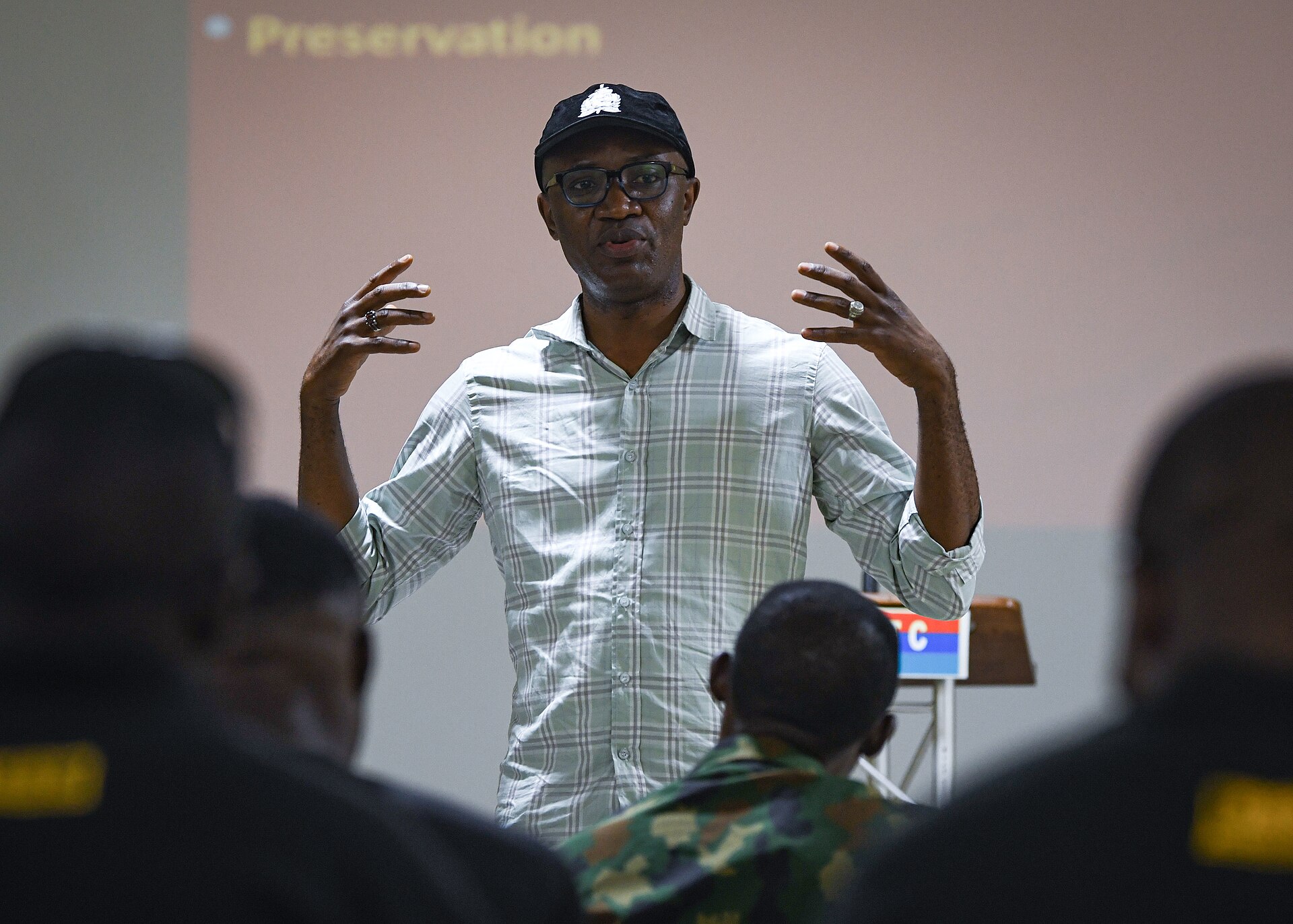
Offshore, Nigeria’s navy and police train with foreign partners against piracy and armed robbery at sea in the Gulf of Guinea. US forces join some of that training in the Obangame Express exercise, which was held in Lagos in 2023.
Lagos, Abuja and the Safer Areas
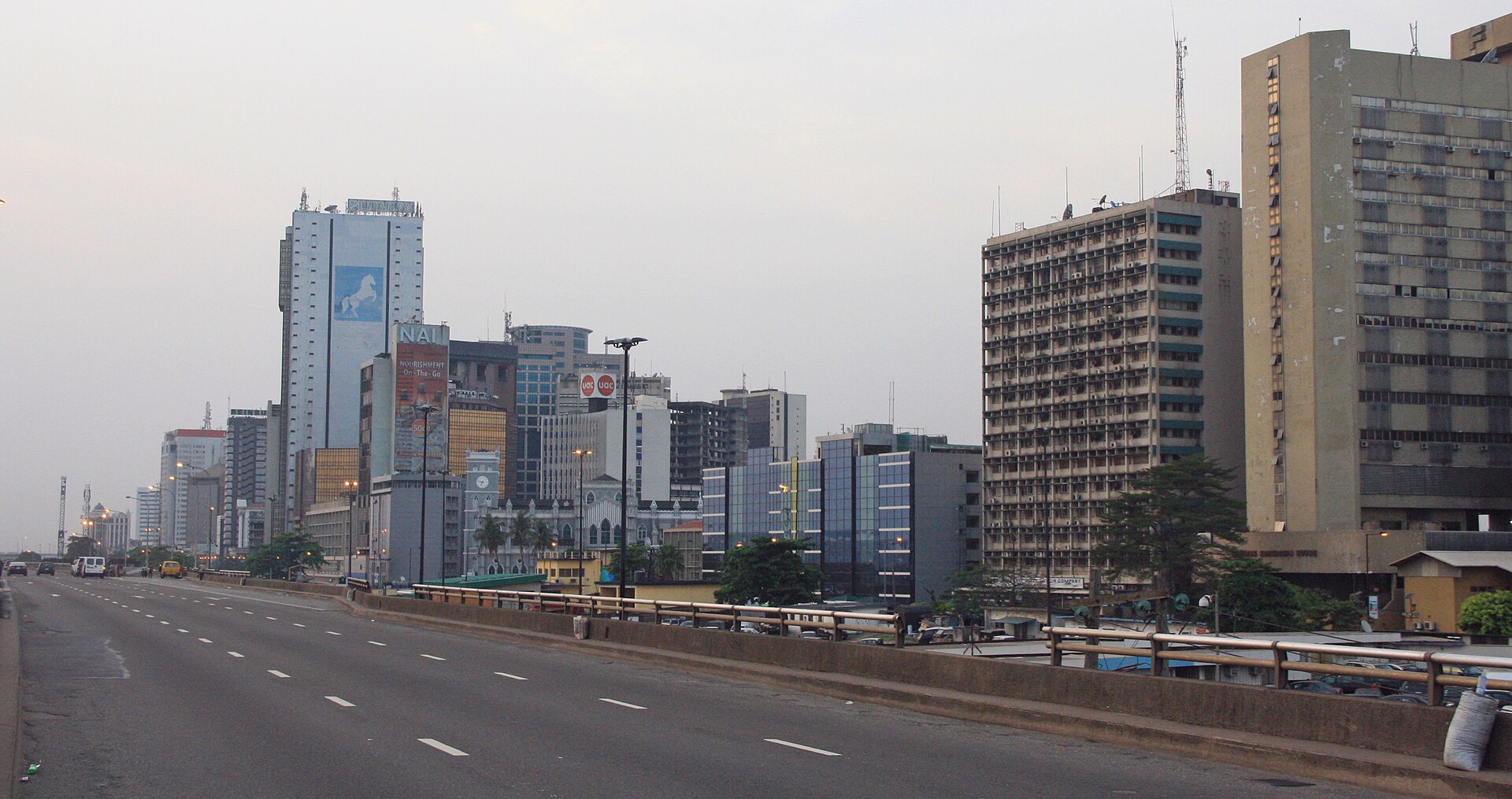
Lagos, Abuja and Port Harcourt are outside the US do-not-travel list, though all three sit inside a country rated Level 3. That rating covers the whole country and cites crime, terrorism, unrest and kidnapping.
The advisory says ride-share apps, widely used in Lagos and Abuja, are safer than traditional taxis. It also warns that the US government has a limited ability to help citizens outside Abuja and Lagos.
Lagos is also exposed to flooding, which the advisory names as a particular risk for the city. Newcomers can read the Lagos city guide for neighbourhoods, costs and daily life.
The six south-western states, including Lagos, and the Federal Capital Territory are not on the do-not-travel list. Risk inside them still varies by district, and kidnapping on highways remains a concern across much of the country.
What It Means for US Readers
Travellers should read the State Department advisory, enrol in the Smart Traveler Enrollment Program and plan routes before landing. Kidnap and evacuation insurance is worth pricing for any trip beyond Lagos, Abuja or Port Harcourt.
Investors in Nigerian energy, telecoms and banking should treat security as a cost line, from guards and convoys to insurance. Insecurity in farming regions also pushes up food prices, which weighs on Nigerian consumer demand.
For US policy, Nigeria’s security now sits next to trade and migration on the bilateral agenda, as the Sokoto strike showed. The Nigerian diaspora in the United States follows the violence closely, especially in Plateau, Benue and the north-west.
What Prediction Markets Say
On Polymarket, Bola Tinubu traded at 73.5% to win Nigeria’s next presidential election on 14 October 2026, at 12:10 pm ET. Peter Obi, the 2023 Labour Party candidate, traded at 21.0%, and the market has drawn about US$130,500 in bets.
Security can shape the vote, since insecure areas may see disrupted polling and lower turnout. These prices are bets, not polls, and they can move quickly on news.
Why we show this: prediction markets turn real-money bets into a live probability that moves within minutes of the news, which is why investors, campaigns and newsrooms in the United States now follow them closely. We show them next to polls and official results, never instead of them.
What Is Not Known
There is no recent official count of deaths from all forms of violence, and independent trackers use different methods. This guide could not confirm whether the NBS has published a crime survey covering the period after April 2024.
The scope of US military cooperation with Nigeria in 2026, including any further strikes, has no public plan. This guide also did not confirm the election date or its security plan with the electoral commission (INEC) before publication.
Frequently Asked Questions
Is Nigeria safe for American tourists?
The United States rates Nigeria Level 3, reconsider travel, because of crime, terrorism, unrest and kidnapping. Lagos, Abuja and Port Harcourt are outside the do-not-travel list, but visitors still need careful planning.
Which parts of Nigeria are most dangerous?
The US advisory lists 22 states plus northern Adamawa as do-not-travel areas, including Borno, Yobe, Zamfara, Katsina and Sokoto. The north-west had the most crime incidents in the national household survey for May 2023 to April 2024.
Who is the head of the Nigeria Police Force?
Tunji Disu is Inspector-General of Police, sworn in by President Bola Tinubu on Wednesday, 4 March 2026. He replaced Kayode Egbetokun, who resigned in February 2026.
How much ransom do Nigerians pay?
The NBS survey estimated about N2.23 trillion (about US$1.7 billion) in ransoms from May 2023 to April 2024. The average was about N2.67 million (about US$2,000) per kidnapping.
What is the difference between Boko Haram and ISWAP?
Both are jihadist groups in north-east Nigeria with roots in the same movement. ISWAP split from Boko Haram in 2016 and is aligned with the Islamic State group.
Did the United States strike targets in Nigeria?
Yes, US forces struck Islamic State positions in Sokoto State on 25 December 2025. US Africa Command said the strikes were coordinated with Nigerian authorities.
Sources: US State Department, Nigeria Travel Advisory (12 June 2026); National Bureau of Statistics, Crime Experience and Security Perception Survey 2024; State House, Police Council endorses Tunji Disu; State House, Egbetokun resignation; State House, President Tinubu changes service chiefs; Channels Television, Tinubu swears in Disu; The Guardian Nigeria, NBS crime survey; News Agency of Nigeria, NBS crime survey; BusinessDay, US strikes in Sokoto; ThisDay, ISWAP leader killed in Ondo; open.er-api.com exchange rates (all accessed 14 October 2026).
This article was produced by The Rio Times’ automated newsroom system. How we use AI · Report an error · Editorial responsibility: Matthias Camenzind, Editor-in-Chief
Part of our ongoing coverage
Africa: The New Scramble — the great-power contest over the continent.
Expat Guide to Nigeria
What The Rio Times publishes for foreigners who live in or move to Nigeria.
Start here
- Davido Lagos Residency Books Three National Theatre Nights in Nigeria
- Nigeria Visa and Residency: US$2,000 Residence Card, US$15 Daily Fine for Overstaying
- Healthcare in Nigeria for expats and what it actually costs
- Taxes in Nigeria for Expats Under the New Regime
City guides
Coming up in Nigeria
- Dave Lagos Concert Set for 16 and 17 October 17 Oct
- Lagos Church Opens Free Camp Meeting on 21 October 2026 21 Oct
- Lagos Fashion Week Runs 28 October to 1 November 2026 28 Oct
- CANEX WKND 2026 Opens in Lagos on 5 November 5 Nov
Understand Nigeria