Nigeria Explained 2026: The Country, Tinubu’s Reforms and What to Watch
GUIDES · NIGERIA
Key Facts
- —Capital Abuja, in the Federal Capital Territory. Lagos is the largest city and the commercial capital, and it is not the seat of government.
- —Population Around 242 million on United Nations projections, the largest in Africa. There has been no census since 2006, so every figure is an estimate.
- —Currency The naira. It traded near 1,328 to the US dollar on the official market on 22 September 2026, with a parallel rate a little weaker.
- —Language English is the official language, alongside Hausa, Yoruba, Igbo and several hundred others. English works in business almost everywhere.
- —Economy Crude oil and gas for export earnings, and a very large domestic market in fintech, entertainment, agriculture and trade. Growth reached 4.43 percent.
- —Government A federal presidential republic under the 1999 constitution. Thirty-six states plus the Federal Capital Territory, 109 senators and 360 representatives.
Nigeria explained for newcomers: what the reform programme has actually changed, what it has not, and the dates that decide the next eighteen months.
Nigeria explained in 2026 means separating two stories that are usually told as one. The macroeconomic numbers have improved sharply since the reforms of 2023. Living standards have not followed, and the gap between those two facts is the whole of Nigerian politics right now.
What kind of country is this?
Nigeria is the most populous country in Africa and one of the most populous on earth, with somewhere around 242 million people on United Nations projections. The important word is projections. The last census was in 2006, and because revenue sharing between states and the size of constituencies both depend on population, the number is politically loaded and repeatedly deferred.
The country divides broadly into a largely Muslim north and a largely Christian south, with a middle belt between them. It also divides into three historically dominant ethnic groups among several hundred: Hausa-Fulani in the north, Yoruba in the southwest, Igbo in the southeast. Federal politics is built around balancing those blocs, formally and informally. Any Nigeria explained guide that skips this misses how appointments are made.
Modern Nigeria was assembled by Britain in 1914 from separate protectorates and became independent in 1960. A civil war from 1967 to 1970 and long stretches of military rule followed. The current constitution dates from 1999, when civilian government returned. That makes the democratic period younger than many of the people running the country.
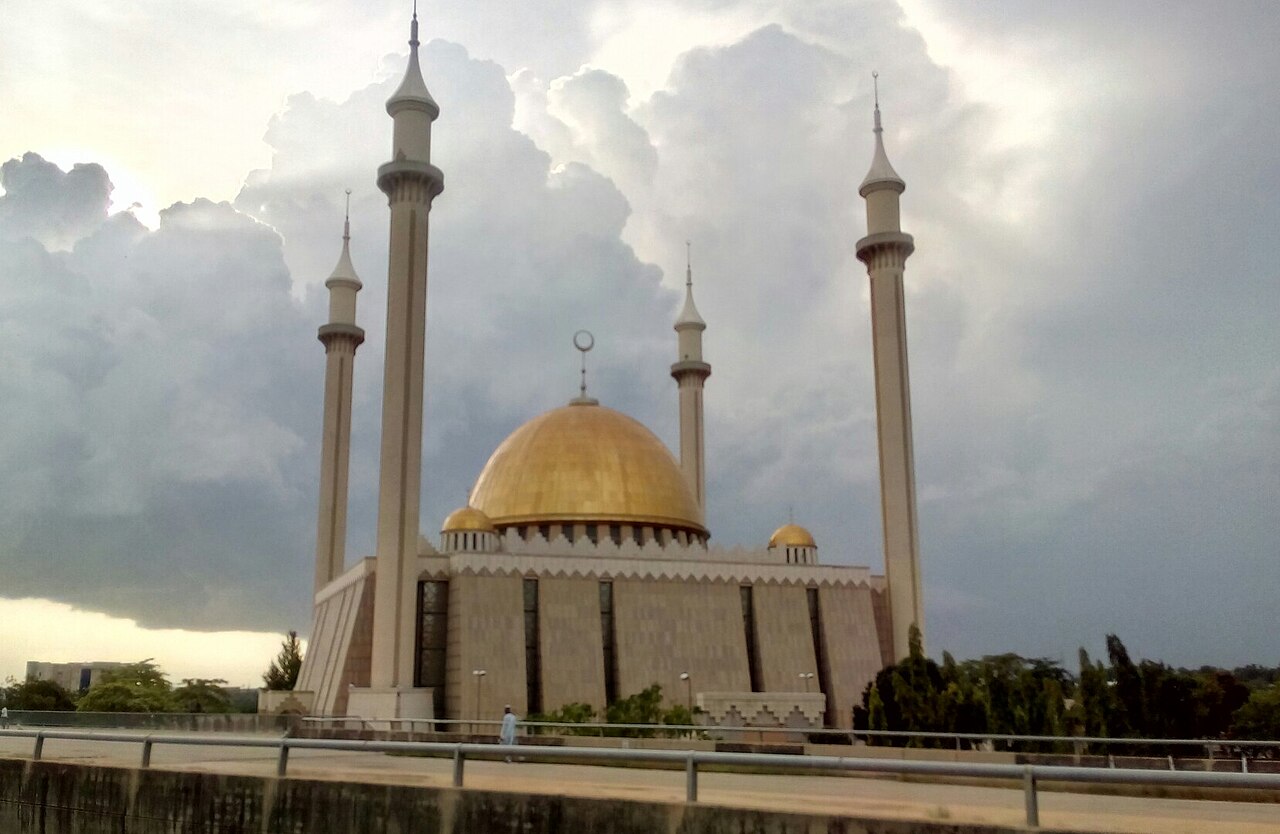
Who runs Nigeria and how
Bola Ahmed Tinubu has been president since 29 May 2023. He announced the end of the petrol subsidy in his inauguration speech that day, in four words that Nigerians still quote. His term expires on 28 May 2027.
Power is genuinely federal. Thirty-six state governors control substantial budgets and security arrangements of their own, and the Federal Capital Territory is run by a federal minister. The National Assembly has 109 senators, three per state plus one for the capital territory, and 360 representatives.
The election timetable has moved, and this trips up anyone reading older sources. The electoral commission originally fixed the presidential and legislative vote for 20 February 2027. A revised timetable issued in late February 2026 moved it to Saturday 16 January 2027, after a new electoral act cut the mandatory notice period from 360 days to 300. Governorship and state assembly elections moved to 6 February 2027.
Be careful with the commission’s own website, which still displayed the superseded dates when this guide was written. Four independent Nigerian outlets, the commission’s election calendar page and the International Monetary Fund all carry January 2027.
How the economy works
Crude oil and gas earn the foreign currency, and almost everything else happens domestically. Nigeria has a very large internal market, the continent’s deepest fintech sector, a globally exported entertainment industry and a huge informal trading economy. For most Nigerians the oil price is something that happens to the exchange rate, not to their job.
The reform programme of 2023 did two things at once: it ended the petrol subsidy and it let the naira find a market rate. Both were painful and both were necessary, and the macroeconomic results are now visible. Inflation was 15.39 percent in August 2026, down from 23.14 percent a year earlier, and falling for a third consecutive month. Monthly inflation slowed to 0.71 percent from 1.57 percent in July.
One caveat belongs with that number. The statistics bureau rebased the consumer price index in 2025 to a 2024 base year. Rates before and after the rebasing are not directly comparable. The apparent collapse from above 30 percent in 2024 to around 15 percent now is partly real disinflation and partly a change of method.
On 22 September 2026 the central bank cut its policy rate from 26.5 percent to 23.00 percent, a 350 basis point move and the largest single reduction since 2006. The bank called it an operational realignment rather than easing, because the official rate had drifted far above actual interbank rates of around 22 percent. Five of eight economists surveyed had expected no change at all.
The market read it well. The exchange’s main index rose on the news and was up about 61 percent for the year to date. Separately, the Dangote refinery opened a 2.15 trillion naira public offering on 14 September 2026, closing on 13 October. It is the first refinery ever offered on the exchange in its sixty-six-year history.
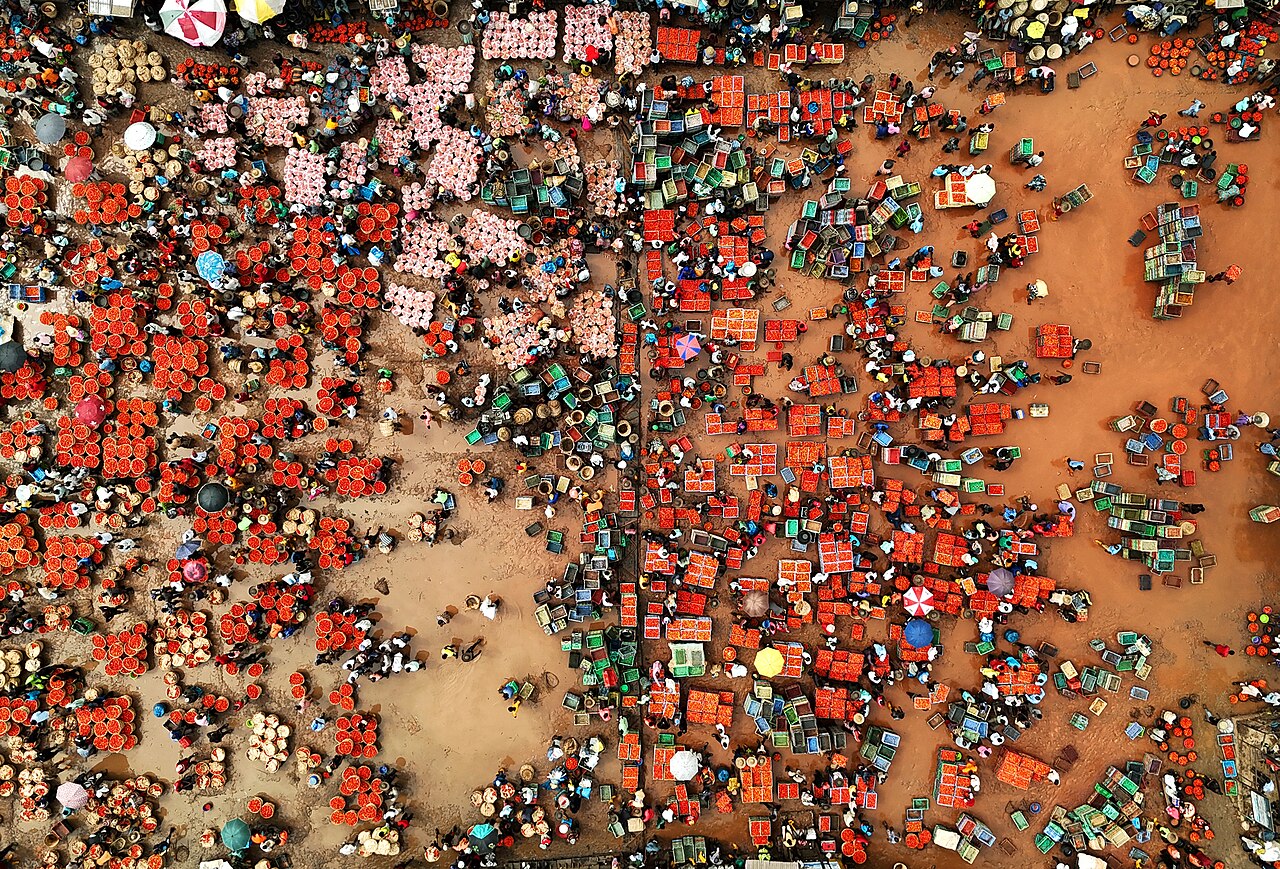
What is happening right now
As of 24 September 2026 the rate cut is the dominant financial story and its interpretation is contested. The central bank governor says the restrictive stance continues. Brokers warn that further cuts could trigger portfolio outflows. Two employer bodies have cautioned publicly that the cut will not automatically produce cheaper loans for businesses.
The Dangote refinery offering is the second. It is the largest share sale in African history, 4.1 billion shares at 525 naira each, implying a market capitalisation that would make it the exchange’s largest listed company. The refinery reported a substantial first-half 2026 profit after a loss in 2025. Listing is expected in November.
The third is the election campaign, which formally opened on 19 August 2026 for a vote now set for 16 January 2027. The three-week gap between the presidential poll and the governorship elections is shorter than usual and political operatives say it changes governors’ calculations materially.
Underneath all of it sits the poverty question. The World Bank found poverty rose to about 63 percent in 2025, roughly 140 million people, from 56 percent in 2023. It expects a gradual decline to around 59 percent by 2028. That forecast, and whether voters believe it, is the real subject of the coming campaign.
What to watch
Two dates dominate. The presidential and National Assembly elections fall on Saturday 16 January 2027, and the governorship and state assembly elections on Saturday 6 February 2027, excluding eight states that vote off-cycle. The terms of the president and most governors expire on 28 May 2027, and the assemblies stand dissolved on 8 June 2027.
On the economy, the next monetary policy meeting is the test of whether September’s cut was a reset or the start of a cycle. The treasury bill auctions in between will show it first, because that is where the rate change transmits fastest. Watch whether business lending rates move at all.
The Dangote offering closes on 13 October 2026 with listing expected in November. A full subscription would change the composition of the exchange in a single step. For anyone holding Nigerian equities, that is the structural event of the year.
What this means for foreigners
Entry runs through an electronic visa system operated by the immigration service. Applicants register on the official portal, choose a short-visit category, upload documents and pay by card, then receive an approval letter by email. Requirements typically include a passport with at least six months of validity, a return ticket, accommodation details, and for business travel an invitation letter with the host company’s registration certificate. The service warns explicitly against third-party sites promising faster approval.
Not every nationality is eligible for the electronic route. Some must still apply in person, depending on bilateral agreements and reciprocity, and the United States advises its citizens to obtain a visa before travelling.
For living there, the residence permit is the Combined Expatriate Residence Permit and Aliens Card, intended for stays of a year or more and renewable. It covers business owners, employees of Nigerian companies, students, dependants and retirees aged 65 and over. The process became fully digital on 1 August 2025, and paper forms submitted after 31 July 2025 are void.
The useful change is that the permit can now be issued before you travel, functioning as a thirty-day entry permit with the card issued on arrival. Biometrics are captured at a Nigerian embassy or consulate abroad, or at designated offices in Lagos or Abuja. The older route, entering on a regularisation visa and applying within ninety days, is being replaced.
The honest framing for a newcomer is that Nigeria is a market before it is a destination. Costs are low outside a handful of Lagos districts where they are not. Security varies sharply by state, and the practical experience of the country depends more on which city you are in than on any national indicator. Nigeria explained for a foreigner means starting with the state, not the country.
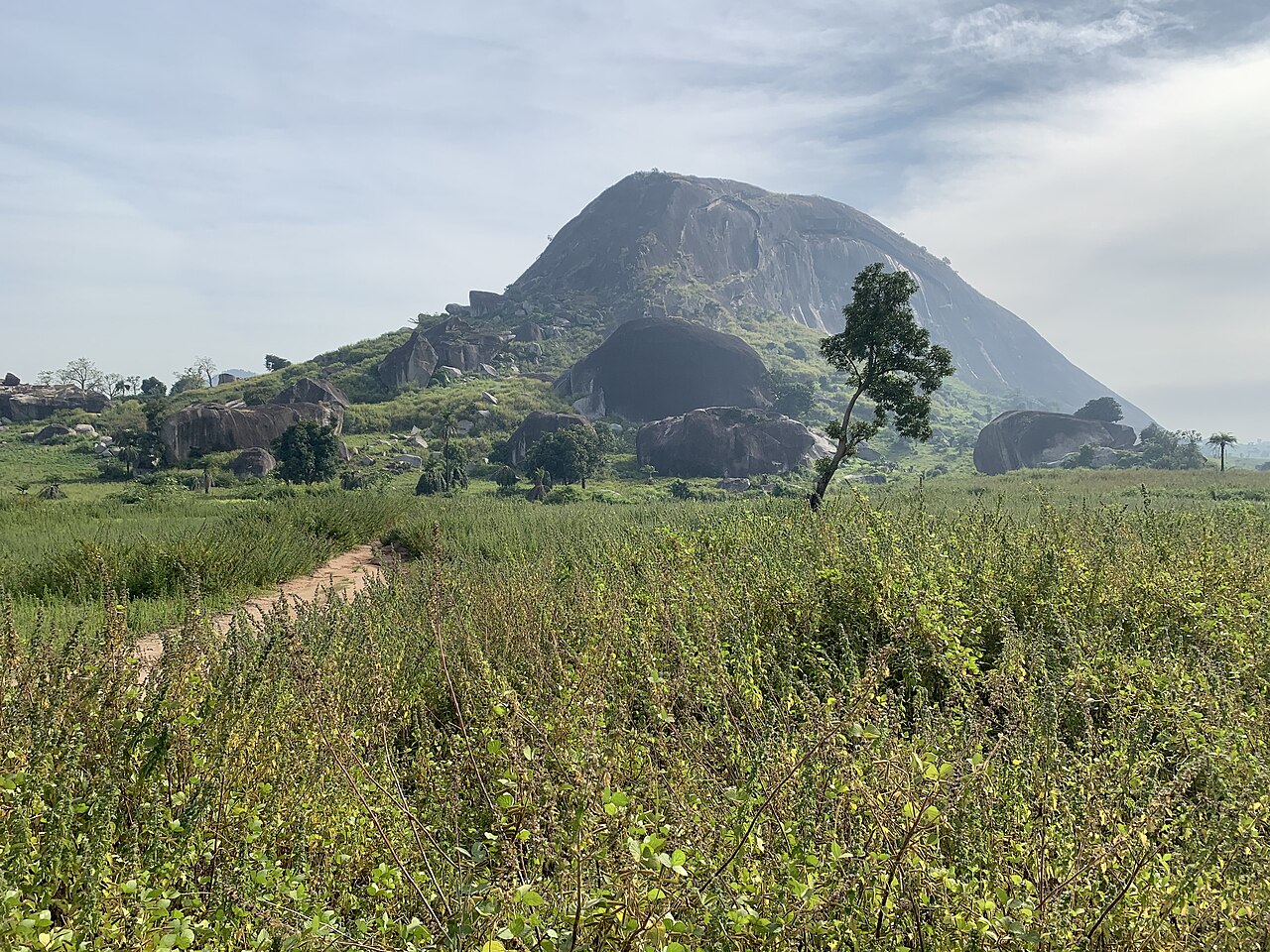
Connected Coverage
Sources: Inflation from the National Bureau of Statistics and the Central Bank of Nigeria, the policy rate from the bank’s own monetary policy decisions, election dates from the electoral commission’s revised timetable as reported by Nigerian outlets, and residency rules from the Nigeria Immigration Service.
- Central Bank of Nigeria — inflation rates
- Central Bank of Nigeria — monetary policy decisions
- Central Bank of Nigeria — exchange rates by currency
- Premium Times, reporting the National Bureau of Statistics — inflation at 15.39 percent
- Punch — the policy rate cut to 23 percent
- Punch — the revised 2027 election timetable
- Independent National Electoral Commission — notice of election and tenure dates
- Nigerian Exchange Group — the Dangote refinery offering opens
- Nigeria Immigration Service — visa and residence permit guidance
What Is Not Known
How many people live in Nigeria. There has been no census since 2006, and every figure in circulation, whether 237.5 million or 242.6 million, is a projection extrapolated from a twenty-year-old count. Because revenue allocation and constituency sizes depend on it, the number is politically contested and a new census has been announced and deferred repeatedly.
Whether the 350 basis point cut is a technical reset or the start of easing. The central bank insists it is an operational realignment and not a change of stance. The market was surprised, brokers warn about portfolio outflows, and two employer bodies say it will not automatically reach business borrowers. The next policy meeting and the treasury bill auctions before it are the test.
Whether the reforms reach households before the vote. Inflation has roughly halved year on year, reserves are at an eighteen-year high and growth accelerated to 4.43 percent. Over the same period the World Bank found poverty rose to about 63 percent in 2025 from 56 percent in 2023. Whether stabilisation converts into living standards, and whether voters give credit for it in January 2027, is genuinely unknown.
How much of the reported disinflation is real. The statistics bureau rebased the consumer price index in 2025 to a 2024 base year, so rates before and after are not directly comparable. The fall from above 30 percent in 2024 to around 15 percent now is partly genuine and partly methodological, and no source separates the two cleanly.
The character of the violence in the north. This is disputed rather than merely uncertain. Some governments and advocacy bodies describe it as religious persecution; Nigerian officials and several independent analysts describe a mix of banditry, farmer-herder conflict over land and water, and insurgency that kills Muslims and Christians alike. The underlying casualty data is incomplete, and the framing carries political weight in both countries.
Frequently Asked Questions
What is the capital of Nigeria?
Abuja, in the Federal Capital Territory, which has been the seat of government since 1991. Lagos is much larger and is the commercial capital, but it is not the political capital.
When are the next Nigerian elections?
The presidential and National Assembly elections are on Saturday 16 January 2027, and the governorship and state assembly elections on Saturday 6 February 2027. These dates were revised from February and March 2027, and the electoral commission’s own site still displayed the old ones when this guide was written.
Has Nigerian inflation actually come down?
Yes, substantially, but read the caveat. Inflation was 15.39 percent in August 2026 against 23.14 percent a year earlier. The statistics bureau rebased the index in 2025, so rates before and after are not directly comparable and part of the fall is methodological.
What is the naira worth?
About 1,328 to the US dollar on the official market on 22 September 2026, with the parallel rate a little weaker. The naira has traded at a market rate since the reforms of 2023 ended the previous managed regime.
How do foreigners get a residence permit in Nigeria?
Through the Combined Expatriate Residence Permit and Aliens Card, for stays of a year or more. It covers business owners, employees of Nigerian companies, students, dependants and retirees aged 65 and over, and the process has been fully digital since 1 August 2025.
Do I need a visa to visit Nigeria?
Yes for most nationalities, and the immigration service runs an electronic visa system for short visits. Not every nationality is eligible for it; some must apply in person depending on bilateral agreements, and the United States advises its citizens to obtain a visa before travelling.
This article was produced by The Rio Times’ automated newsroom system. How we use AI · Report an error
Read More from The Rio Times