Sudan Aid Supplies Run Out at the End of This Month, the UN Migration Agency Says
Sudan · Humanitarian
Key Facts
- —What the warning is The UN migration agency says its emergency shelter and sanitation stocks in Sudan run out on 30 September.
- —Who is affected Sudan has 8.6 million people displaced inside its own borders after three and a half years of war.
- —Who is fighting The national army and the Rapid Support Forces, a former state militia that turned on it in April 2023.
- —How hungry the country is Nearly 19.5 million people, about two in five Sudanese, were in crisis or worse earlier this year.
- —What it would take The agency is asking for US$15 million to hold its current capacity, and US$42 million to expand.
- —Why the road matters A journey between two Darfur cities that used to take six hours now takes three days by car.
Two United Nations agencies said within hours of each other that the relief operation in Sudan is close to running dry. One gave a date. The other gave a number, and both were asking for money when they said it.
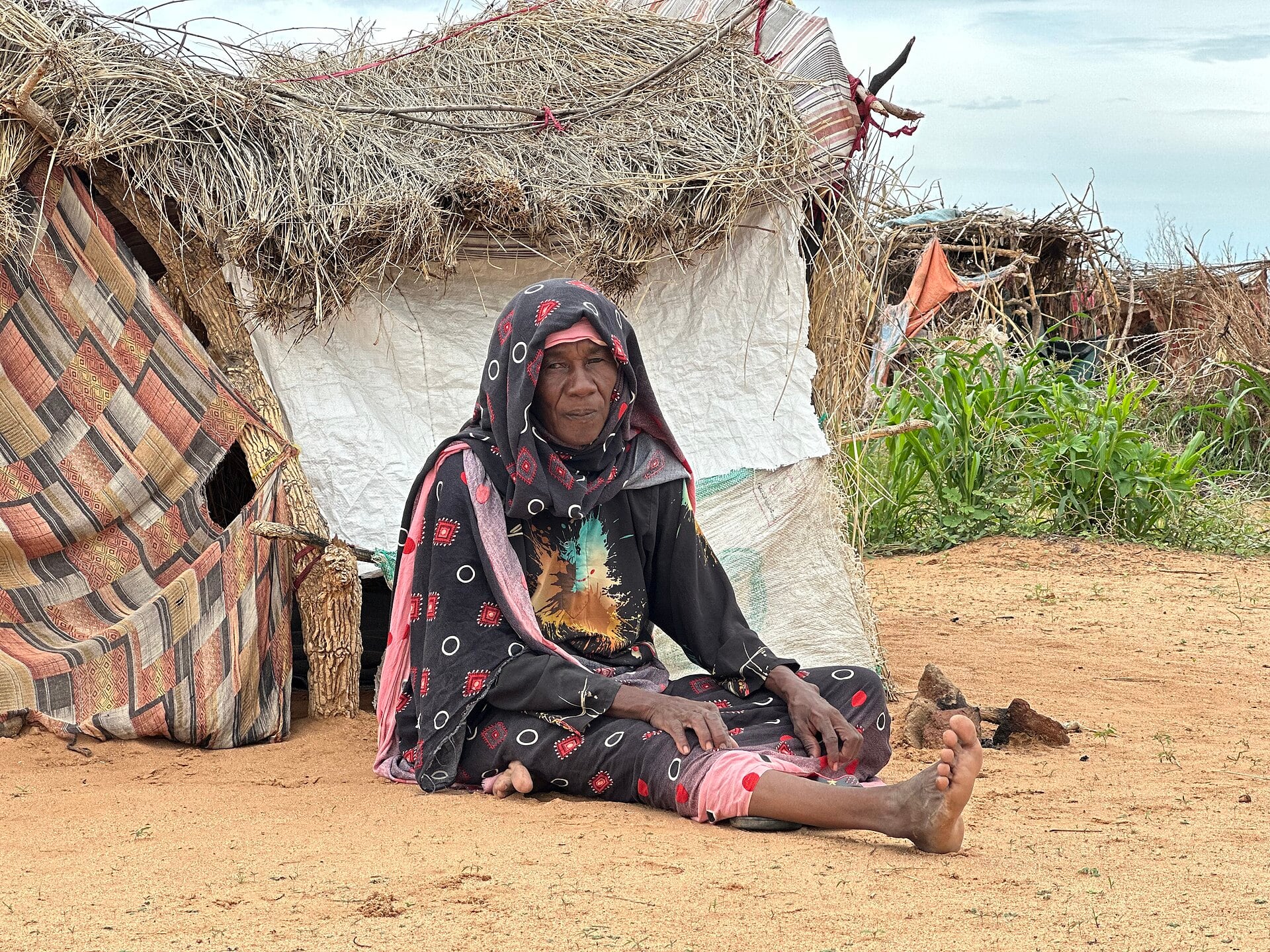
Sudan aid supplies held by the United Nations migration agency will be exhausted at the end of this month. The agency said so on Monday, and put a figure on what it would take to avoid that.
What the Agencies Actually Said
Amy Pope runs the International Organization for Migration. She said shelter, sanitation and emergency household items are expected to be depleted by the end of September.
She also said the humanitarian system could collapse within weeks without new funding. That is the sharpest language the agency has used this year.
That is a strong phrase, and it came attached to a request. The agency wants US$15 million to hold its present capacity, which reaches 305,000 people.
US$27 million would restore last year’s level of 570,000 people. US$42 million would stretch to a million.
The warehousing that supplies the whole relief network can be maintained only to December on present money. Since July 2023 it has reached 2.84 million people.
Carl Skau, acting head of the World Food Programme, spoke the same day. His agency is about one-third funded in Sudan, and he warned of significant cuts within weeks.
The food agency has received US$206 million this year against US$645 million last year. Its stated requirement to October is US$579 million.
The Scale of the Problem
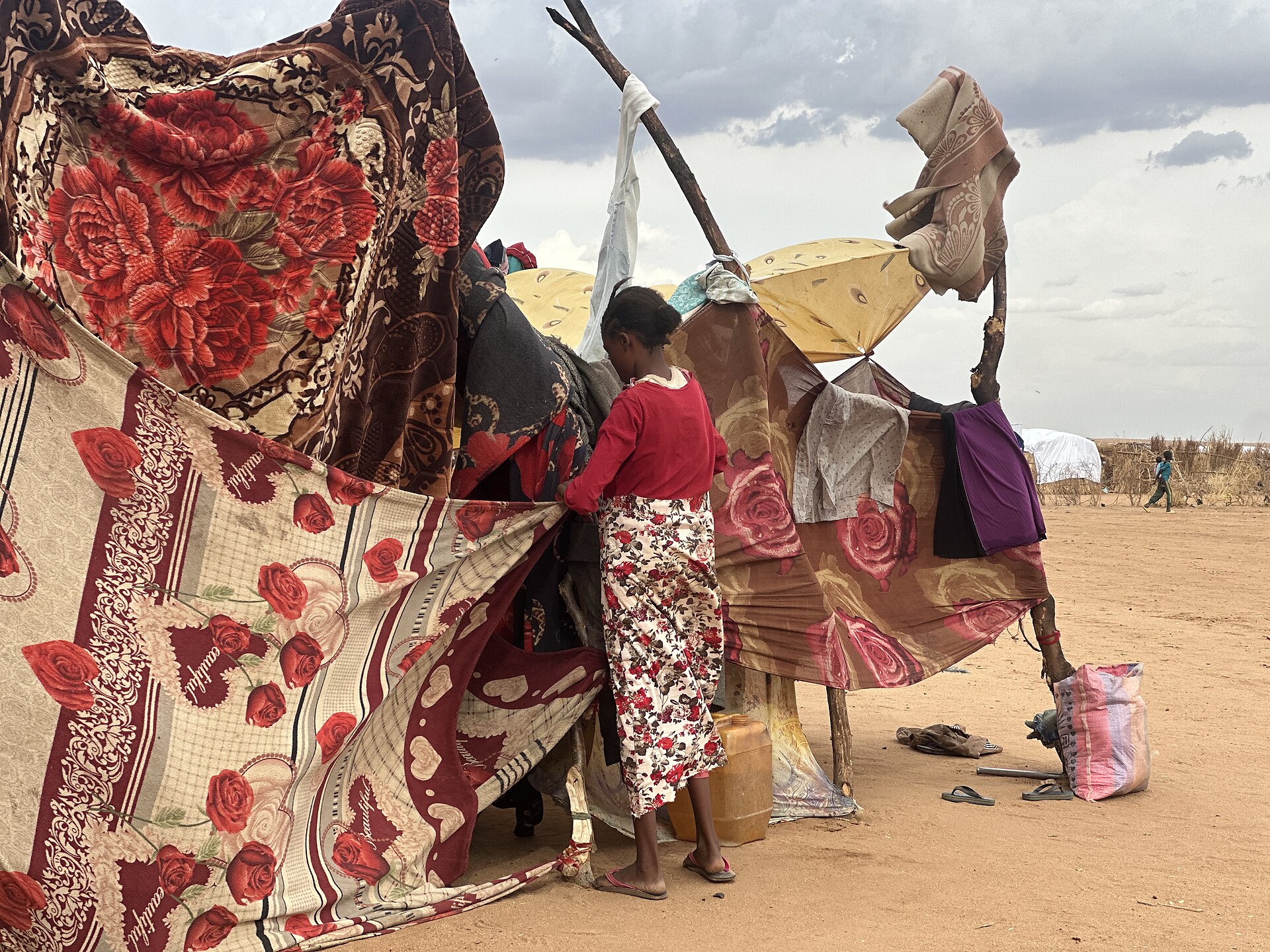
Sudan has 8.6 million people displaced inside its borders and 4.9 million who have returned. Counting those who have left the country, the total displaced approaches 14 million.
Sudan aid supplies are stretched across a population in which food itself is short. The most recent full national assessment put nearly 19.5 million people in crisis or worse, about 41 percent of the country.
Within that number, more than five million were classed as being in emergency and around 135,000 in the most severe category. No area has been declared to be in famine.
The assessment did identify a risk of famine in 14 areas. Those lie across North Darfur, South Darfur and South Kordofan.
That assessment covered February to May and has not been replaced nationally. Later projections cover only 56 localities, because the data to do more did not exist.
Why the Numbers Keep Moving
The war began in April 2023 between the Sudanese army and the Rapid Support Forces. It has settled into a rough partition rather than a victory for either side.
The army retook Khartoum state in May 2025. The Rapid Support Forces hold Darfur and run a parallel government from Nyala.
They took El Fasher in October 2025, after an eighteen-month siege. It was the last city in Darfur the army still held.
Kordofan is the front line, and that is where people are moving. More than 200,000 were newly displaced there in August, concentrated around El Obeid.
Another 78,000 were displaced in Blue Nile state and 18,000 in West Darfur over the same period. No September count has been published.
Getting Aid In Is the Other Half
The main crossing from Chad into West Darfur is at Adre. Sudanese authorities extended its authorisation only to 30 September, the same date the agency has put on its stocks.
Inside the country, roads have deteriorated to the point of changing the arithmetic. Skau’s own drive from El Obeid to El Fasher took three days, on a route that used to take six hours.
A convoy carrying 50 tonnes of flour was attacked near El Rahad in June, killing a driver. The government commission that reported it blamed the Rapid Support Forces.
That is one party to the war describing the conduct of the other. No independent account of the attack has been published.
The food agency has moved more of its work into the air as a result. Flying costs more and carries less.
What to Make of the Appeals
Both statements about Sudan aid supplies were funding appeals, and both sets of figures are the agencies’ own. They are reportable because the underlying displacement and hunger numbers come from separate assessments.
The wider picture is harder to pin down than either agency implies. The UN said in August that Sudan’s three-billion-dollar appeal was 40 percent funded.
Its own financial tracking service showed coverage far below that. The two figures have not been reconciled.
What is not in dispute is the direction. Money has fallen by roughly half year on year while the number of people needing help has not.
Sudan aid supplies and a border authorisation now expire in the same week. One is a warehouse problem and the other is a political one.
More: Africa coverage, every day from The Rio Times.
Frequently Asked Questions
What is running out in Sudan?
The International Organization for Migration says its emergency stocks of shelter material, sanitation supplies and basic household relief items in Sudan are expected to be exhausted by the end of September 2026. It is asking for US$15 million to maintain its current reach of 305,000 people and US$42 million to reach a million.
Is there a famine in Sudan?
No area has been formally classified as being in famine. The most recent national assessment placed nearly 19.5 million people in crisis or worse, including about 135,000 in the most severe category, and identified a risk of famine in 14 areas of North Darfur, South Darfur and South Kordofan under a worst-case scenario.
Who controls Sudan now?
The country is roughly partitioned. The Sudanese army holds the north, centre and east, including Port Sudan and Khartoum, which it retook in May 2025. The Rapid Support Forces hold Darfur, including El Fasher since October 2025, and run a parallel administration from Nyala. Kordofan is contested.
Why is delivering aid so difficult?
Roads have become impassable or dangerous, relief convoys have been attacked, and the main cross-border corridor from Chad at Adre operates under a Sudanese authorisation that runs only to 30 September. One senior UN official recently took three days to make a Darfur journey that used to take six hours.
Sources: UN News on the warnings from the International Organization for Migration and the World Food Programme, Radio Tamazuj on the IOM statement, IPC analysis of acute food insecurity in Sudan, Al Jazeera on displacement in Kordofan, UN News on the extension of the Adre border crossing, World Food Programme, Sudan emergency page
This article was produced by The Rio Times’ automated newsroom system. How we use AI · Report an error
Read More from The Rio Times