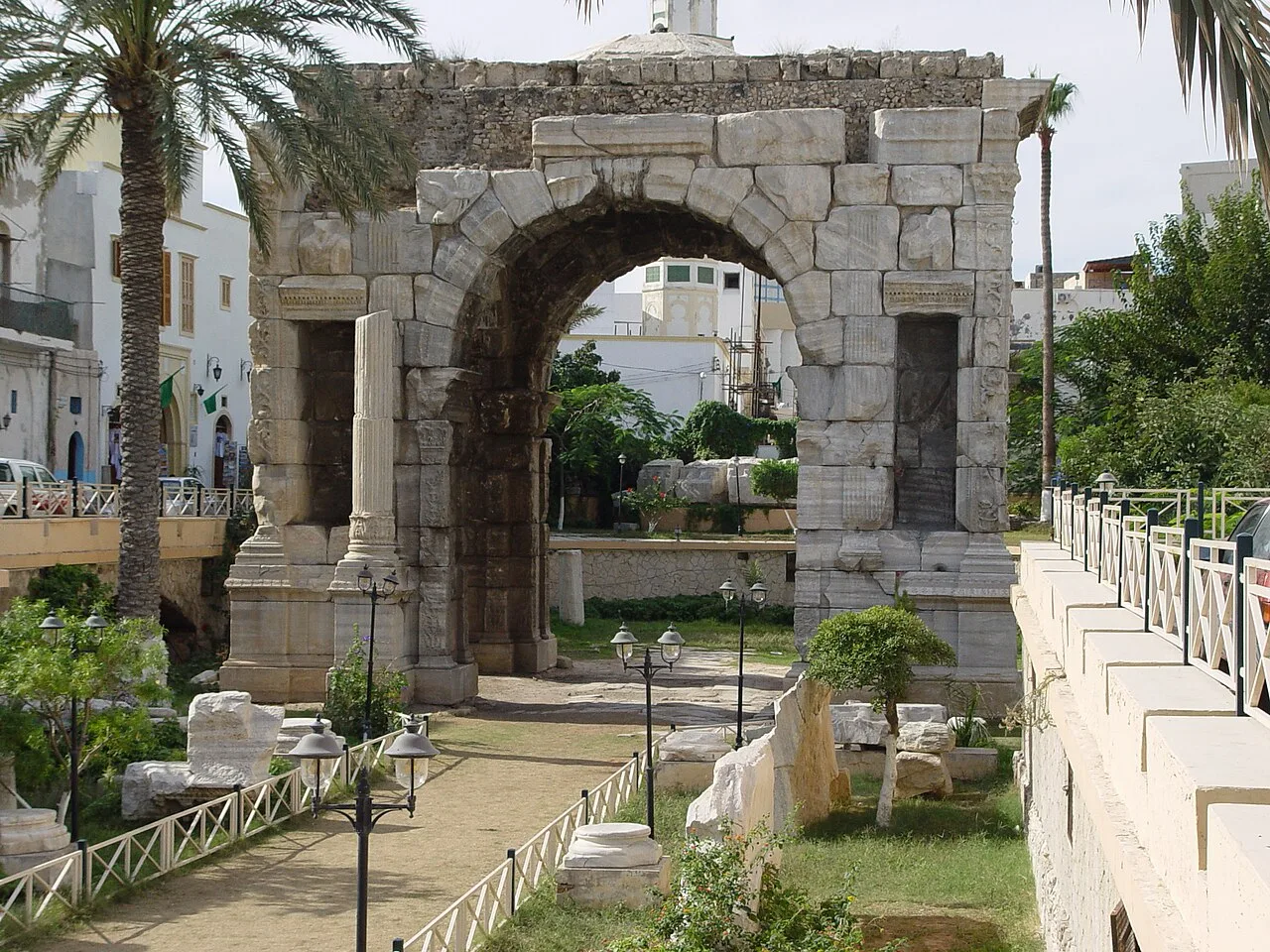
Libya is a country the US government tells its citizens not to enter for any reason: the State Department, Washington’s foreign ministry, rates it Level 4, Do Not Travel, its highest warning on a four-step scale, and there is no US Embassy there. Anyone weighing a move starts from that fact, because there is no US diplomatic mission on the ground to turn to.
This guide sets out what living in Libya involves in November 2026, from entry rules and cash to health care and power cuts. Facts are attributed to their source, and where we could not confirm something, we say so.
Key Facts
- Advisory. US Level 4, Do Not Travel; the UK and Canada also advise against travel.
- Entry. Visas are required; Canada says they are issued only in the applicant’s country of residence.
- Money. About 6.46 Libyan dinars (LYD) per US$1; withdrawals capped at LYD 3,000 (US$464) in most regions.
- Health. Care is below UK standards; serious cases may need evacuation to Malta or Europe.
- As of 17 November 2026.
Living in Libya means planning around a cash shortage, power cuts and armed-group risk, with no embassy to call on; this guide sets out what is confirmed and what is not.
The Bigger Picture
Libya has two rival administrations, one in Tripoli and one in the east around Benghazi, and the UK Foreign, Commonwealth and Development Office (FCDO, the British foreign ministry) says a United Nations-brokered ceasefire between their forces has been in place since October 2020. Canada’s government adds that sporadic clashes between armed groups still occur in all parts of the country.
Tripoli saw large-scale clashes in May 2025, which the FCDO says began on 12 May and ended in a ceasefire on 14 May. In 2022, it says, fighting between armed groups in the city killed 32 people and injured more than 150.
For residents the split matters because armed groups, not one state, supply much of the security. Canada says the country’s security is largely ensured by armed groups, some of which do not report to either government.
We found no verified comparison of Libya with its neighbours on living standards, so we make none here. For the wider political and economic background, see our explainers on Libya’s rival governments and who runs the economy.
In Plain English
- FCDO. The UK foreign ministry’s travel-advice service, quoted here as an official source.
- CBL. The Central Bank of Libya, which sets the official dollar rate and bank cash limits.
- LYD. The Libyan dinar. At the official rate, LYD 1,000 is about US$155.
- Level 4. The top of the US State Department’s four-step advisory scale: Do Not Travel.
Entry Rules and Visas
The Government of Canada says tourist, business and student visas are all required for Libya, and that they are issued only to residents of the country where the application is made. It says processing generally takes 20 working days after the passport and form are submitted in person at a Libyan embassy or consulate, and mail-in applications are not accepted.
The FCDO says a visa issued abroad may not be recognised in some areas or at certain ports of entry because of the political situation. It also says a passport showing previous travel to Israel will not be accepted, and Canada says entry may be denied on that basis.
Canada says a passport must be valid for at least 6 months beyond the planned departure date. We could not confirm a separate rule for US passport holders or a public procedure for residence permits, so read our visa and residency guide and ask the Libyan authorities directly.
Short-stay visitors must register with the police within a week of arrival, the FCDO says, usually through the company or agency that hosts them. Canada adds that travel outside Tripoli without prior authorisation from the Libyan authorities is forbidden, except by land to the official crossings with Egypt and Tunisia.
Money, Banks and Cash
The Central Bank of Libya’s website lists the official rate on 17 November 2026 at 6.4463 dinars to buy and 6.4786 to sell one US dollar. At about 6.46, LYD 1,000 equals roughly US$155.
On 5 August 2026 the Central Bank set cash withdrawal limits of LYD 3,000 (about US$464) in the west, east and centre, split between LYD 2,000 (about US$310) at the counter and LYD 1,000 (about US$155) at cash machines. In the south the limit is LYD 4,000 (about US$619), and the bank said it would consider raising the other limits in the coming weeks.
The FCDO says Libya is a cash-based society with a severe cash shortage, that bank cards cannot be used at banks, ATMs or hotels, and that no bank will change foreign currency. It adds that approved exchange offices operate at black-market rates and that informal exchange risks arrest.
The Central Bank reported on 5 August 2026, however, that card payments at shop terminals totalled LYD 33 billion (about US$5.1 billion) from January to July 2026, across more than 270,000 terminals. We could not confirm whether foreign-issued cards work at those terminals, so newcomers cannot count on them.
Anyone entering or leaving with more than US$10,000 in cash must declare it, the FCDO says, and taking dinars out of Libya is illegal. We found no confirmed rule on opening a bank account as a foreign resident.
Housing and Daily Costs
We found no dated, reliable rent survey for Tripoli or Benghazi, so we give no rent figure. Price websites publish estimates, but they are not primary sources and we do not use them.
We found no official rent index for Libya. Our cost-of-living guide lists the prices we could confirm.
Health Care
The FCDO says health care in Libya is generally below the standard available in the UK, with acute shortages of skilled staff and medical supplies, particularly for chronic conditions such as diabetes. There are private clinics in Tripoli, and the FCDO says patients who need treatment may be evacuated to Malta or mainland Europe.
The emergency ambulance number is 1415, and medical help in remote areas may not be available. Even if an insurer has an air-ambulance partner, the FCDO says that company may not be allowed to carry out a rescue inside Libya.
Canada recommends hepatitis A and hepatitis B vaccination for travellers to Libya and asks people to check routine vaccines before departure. The FCDO lists leishmaniasis (a parasitic disease), West Nile virus and schistosomiasis (a worm infection from fresh water) among the local health risks.
Safety and Security
The US State Department’s Level 4 advisory, updated in August 2026, cites crime, terrorism, unexploded landmines, civil unrest and kidnapping. It tells anyone who goes anyway to prepare a will and leave DNA samples with a medical provider for identification.
The FCDO, in advice updated on 21 July 2026, advises against all travel to parts of Libya and against all but essential travel to the cities of Tripoli, Benghazi, Al-Bayda, Derna and Misrata. It says clashes in Tripoli can break out without warning and involve rocket-propelled grenades.
Canada tells its citizens to avoid all travel, citing clashes between rival armed groups, a high risk of terrorism and arbitrary arrest, and a high crime rate (updated 26 May 2026). It says unexploded ordnance (leftover bombs and shells) may be present across the country, including in cities, and that the coastal highway between Zawiyah and Tripoli is dangerous.
The FCDO says British people have been detained by intelligence services or armed groups in Tripoli and Benghazi, with journalists, aid workers and private-security staff at higher risk. Canada says women face harassment and verbal abuse, especially when travelling alone, and that sexual assaults are common.
Laws and Daily Life
Rules That Surprise Newcomers
- Alcohol. Drinking alcohol or using drugs is illegal, the FCDO says.
- Papers. By law you must carry your passport at all times.
- Religion. Trying to convert Muslims to another religion is illegal.
- Ramadan. Eating, drinking or smoking in public in daylight is not allowed during the fasting month.
Power, Fuel and Connectivity
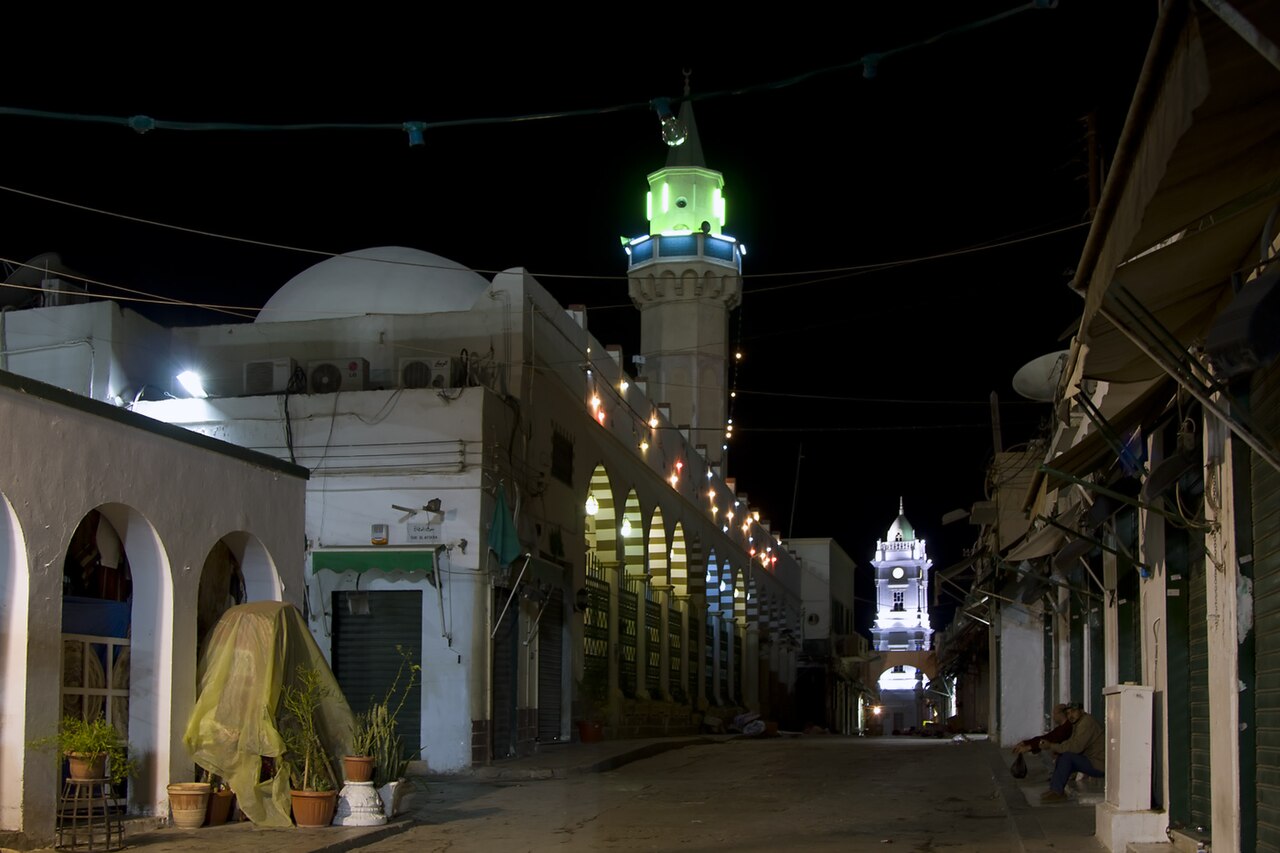
The FCDO says petrol can be hard to find, with long queues at stations, and that power cuts occur in Tripoli, the south and the east, especially in summer. The Central Bank itself cited recurring power outages and fuel shortages in its 5 August 2026 cash plan; our report on Tripoli blackouts has the earlier detail.
DataReportal, a digital statistics publisher, counted 6.62 million internet users in Libya in October 2025, 88.5% of the population. It reports that Ookla, an internet speed-testing company, measured a median mobile download speed of 25.48 megabits per second and a median fixed-line speed of 10.99 at the end of 2025.
What It Means for US Citizens
A US citizen who goes to Libya does so against the State Department’s highest warning, with no US Embassy in the country. The FCDO says travellers need insurance that covers evacuation and funds to pay for treatment abroad, while warning that even air-ambulance firms may not be allowed to operate there.
Day to day, the confirmed constraints are cash, power and movement: capped withdrawals, summer outages and a Canadian warning that travel outside Tripoli needs prior authorisation. Whether a US passport holder can obtain a visa or residence permit remains unconfirmed.
What Is Not Known
We could not confirm visa rules specific to US citizens, any public residence-permit procedure, current rents, whether foreign cards work at shop terminals, or mobile operator coverage and prices. We also could not confirm whether the cash limits set on 5 August 2026 have since been raised, as the Central Bank said it would consider.
Frequently Asked Questions
Is Libya safe for US citizens to live in?
The State Department rates Libya Level 4, Do Not Travel, citing crime, terrorism, landmines, unrest and kidnapping. There is no US Embassy in Libya.
What is the Libyan dinar rate against the US dollar?
On 17 November 2026 the Central Bank of Libya listed US$1 at 6.4463 dinars to buy and 6.4786 to sell. The UK government says exchange offices operate at black-market rates.
Can you use bank cards in Libya?
The UK government says cards cannot be used at banks, ATMs or hotels and that Libya is cash-based. The Central Bank reports growing card use at shop terminals, but we could not confirm that foreign cards work.
Sources
US State Department (Libya Travel Advisory, updated August 2026) · UK Foreign, Commonwealth and Development Office (Libya travel advice, updated 21 July 2026) · Government of Canada (Libya travel advice, updated 26 May 2026) · Central Bank of Libya (exchange rates, 17 November 2026; cash plan, 5 August 2026) · DataReportal (Digital 2026: Libya)
Dollar values use the mid-point of the Central Bank of Libya’s buy and sell rates, about 6.46 dinars per US$1 on 17 November 2026.
This article was produced by The Rio Times’ automated AI newsroom. Editorial responsibility: Matthias Camenzind, Publisher and Editor-in-Chief. The Rio Times also runs Ask Rio Times, which answers from 100,000+ of our own articles, the daily Latin America Power Map, and prediction-market odds on elections and markets.. How we use AI · Report an error