Somalia UN Speech Promises a Vote as the President’s Term Is Disputed
SOMALIA · DIPLOMACY
Key Facts
- —The country Somalia has about 18 million people and the longest coastline of any mainland African state.
- —What happened President Hassan Sheikh Mohamud addressed the UN General Assembly general debate on 24 September 2026.
- —The promise He said Somalia is determined to hold its first democratic election since 1969.
- —The ask He called for predictable financing for the African Union mission and for aid routed through the state.
- —The catch His own constitutional term expired on 15 May 2026 and the opposition disputes his mandate.
The Somalia UN speech asked for predictable funding and promised a vote. At home, the president’s own mandate is contested.
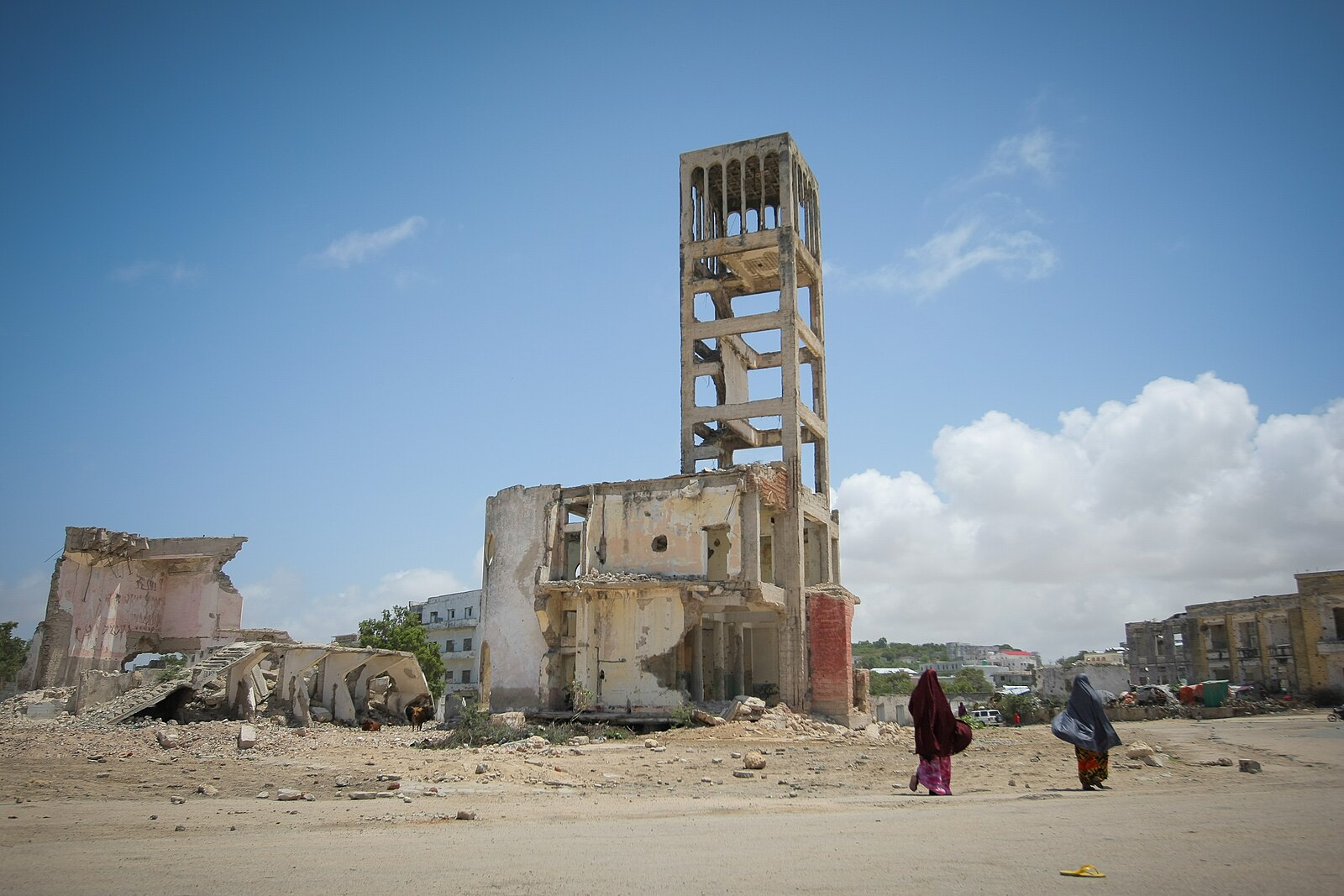
President Hassan Sheikh Mohamud told the UN on 24 September 2026 that Somalia will hold its first democratic election since 1969. The Somalia UN speech also asked donors to stop working around the state.
What the Somalia UN speech said
Hassan Sheikh Mohamud is the President of the Federal Republic of Somalia. He addressed the general debate of the 81st session on 24 September 2026.
“The last democratic election that took place in Somalia was held in 1969,” he said. “Today, we’re determined to change that history.”
He described the route. Constitutional reform, he said, is laying the foundations of universal suffrage, accountable institutions and a multi-party system.
He framed the method as much as the goal. Change would come “through dialogue, law and elections, not violence”.
The complaint about how aid arrives
The sharpest passage was about donors rather than enemies. Most UN assistance, he said, still arrives outside the state.
It comes “through parallel structures, fragmented projects and off-budget arrangements”. That is a complaint about the shape of help, not its quantity.
He asked instead for a partnership that reinforces national leadership rather than replacing it. The argument is that capacity is built by using it.
It is a familiar case from aid-dependent states. It is also easier to make than to prove.
Money for the security transition
Somalia’s security transition needs funding that does not arrive year by year. Mohamud asked for “predictable, sustainable support”.
That includes, he said, adequate financing for an African Union mission in Somalia. The timing is not accidental.
In July 2026 the United States told the African Union it would stop funding the UN logistics office for Somalia. That office runs on roughly US$500 million a year.
Support has already fallen by about a quarter. Uganda convened Burundi, Djibouti, Ethiopia, Egypt and Kenya to discuss what happens next.
The mandate problem at home
The promise of a vote sits against a contested domestic position. Mohamud’s constitutional term expired on 15 May 2026.
Parliament’s own mandate expired on 14 April 2026. In March it extended terms from four years to five and pushed elections to 2027.
The opposition rejects his legitimacy, and he has said his term has not expired. There have been violent clashes in Mogadishu and Baidoa.
None of that makes the election promise false. It does mean the promise comes from a leader whose authority to make it is contested.
The distinction matters for anyone reading the speech as policy. A timetable set by a disputed parliament is a weaker commitment than it sounds.
Somalia’s seat and Africa’s seat
Somalia is not only a subject of Security Council business. It is an elected member of the Council for 2025 and 2026.
Mohamud used that standing to press the continental case. Africa, he said, remains unrepresented in the permanent category.
“This historical injustice against 54 sovereign states can’t be postponed indefinitely,” he told the Assembly. It is the same line Sierra Leone and Seychelles used this week.
Three African speakers making the same demand in three days is coordination, not coincidence. The African group runs the file that way.
Somalia also used its Council seat to press the point from inside. That is a different position from the one it held a decade ago.
What changes at the end of October
The UN Transitional Assistance Mission in Somalia, known as UNTMIS, has a mandate that ends on 31 October 2026. It was set by a Council resolution in October 2024.
What replaces it has not been settled. The mission’s closure and the funding gap arrive in the same quarter.
For Somalis, the practical question is whether services keep running through that handover. For donors, it is who carries the cost.
That is the real content behind the speech’s language about partnership. It is a negotiation about money and sequencing.
What is not yet known
No date has been set for the promised election. The timetable is disputed between the federal government and member states.
Puntland and Jubbaland have resisted the federal process. Their participation is not assured.
It is also unclear what will follow the UN mission after 31 October 2026. No successor arrangement has been announced.
Nor has any donor committed to routing more assistance through the national budget. The speech was a request, not an agreement.
FAQ
When was the Somalia UN speech?
President Hassan Sheikh Mohamud addressed the general debate of the 81st session on 24 September 2026. The debate ran from 22 to 28 September.
When did Somalia last hold a democratic election?
In 1969, according to the president’s own statement to the Assembly. He said Somalia is determined to change that.
Is the president’s term disputed?
Yes. His constitutional term expired on 15 May 2026 and parliament extended terms in March, pushing elections to 2027. The opposition rejects his legitimacy.
What did he ask the UN for?
Predictable financing for the African Union mission in Somalia. He also asked for assistance to be routed through the state rather than through parallel structures.
Sources: Arab News report on the address; UN Audiovisual Library record of the speech; UNTMIS mandate page; Addis Standard on the term extension.
This article was produced by The Rio Times’ automated newsroom system. How we use AI · Report an error
Read More from The Rio Times