Rwanda Explained 2026: Kagame’s Model, the Tech Ambition, the Economy and What to Watch
GUIDES · COUNTRY
Key Facts
- —The country A small, landlocked, very densely settled state in central-east Africa. About 14.4 million people live on land slightly smaller than Belgium. Kigali is the capital.
- —Who rules Paul Kagame, president since April 2000 and the dominant figure since the 1994 genocide. He won 99.18 percent in July 2024; his term runs to 2029.
- —The model Order, clean government and fast growth, run from the top. The economy grew 9.4 percent in 2025. Services such as tourism and conferences drive it.
- —Currency The Rwandan franc, written Frw or RWF. The central bank quoted Frw1,477.86 to the US dollar on 18 September 2026.
- —The strain Inflation hit 15.7 percent in August 2026. The US sanctioned Rwanda’s army in March over the M23 rebellion in Congo. The IMF approved a US$250 million loan in June.
- —Why it matters now Rwanda sells itself as Africa’s tech and conference hub. In 2026 that pitch is being tested by the war next door, by sanctions and by rising prices.
Rwanda explained from the ground up: how Kagame’s system works, what the tech ambition amounts to and where the money comes from.
Rwanda explained in one sentence: a small country rebuilt after genocide into one of Africa’s most orderly states. Its leader tolerates little dissent. Admirers see a development model. Critics see a one-party state with a good website. Both are describing the same country.
What kind of country is this?
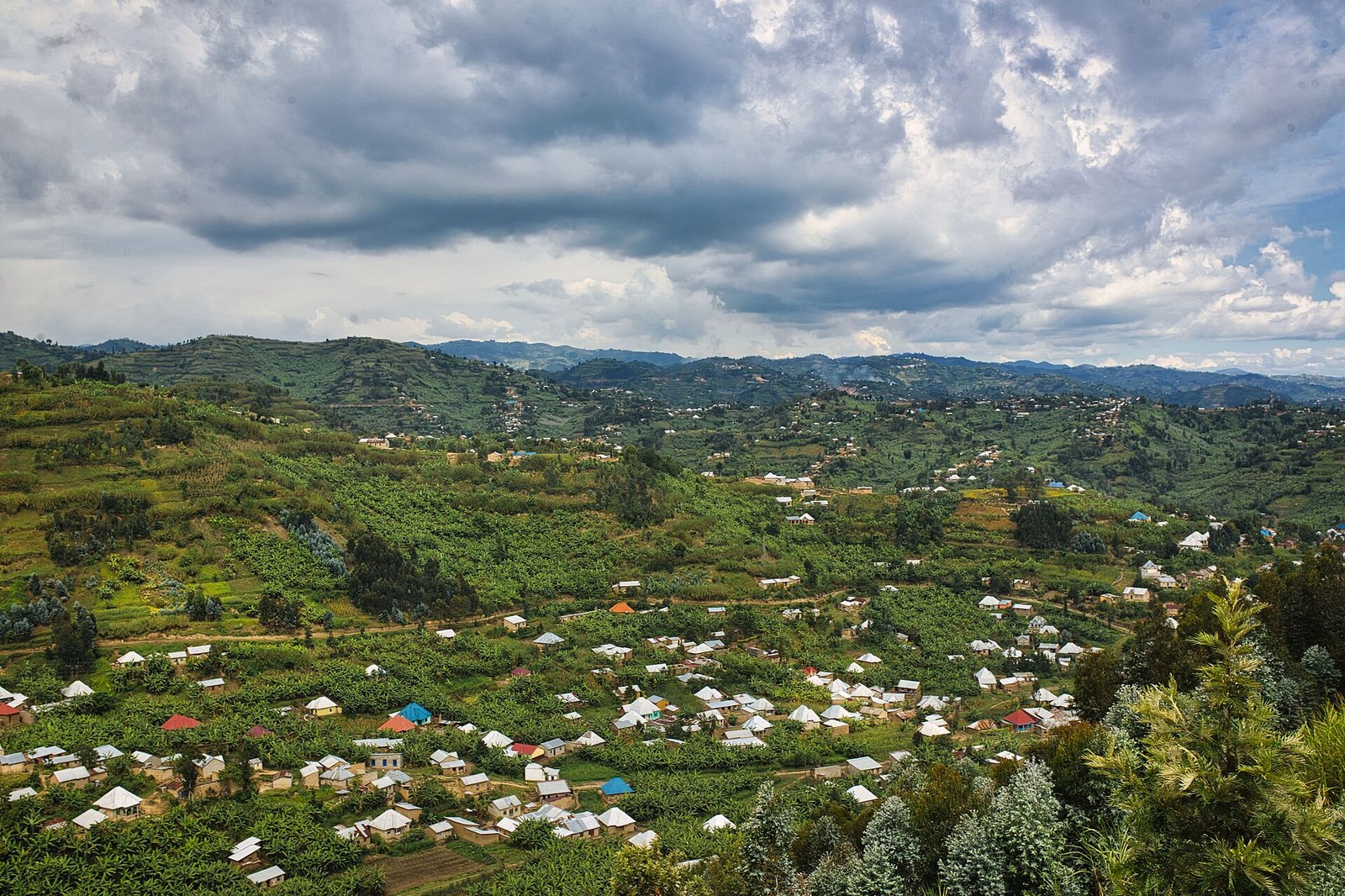
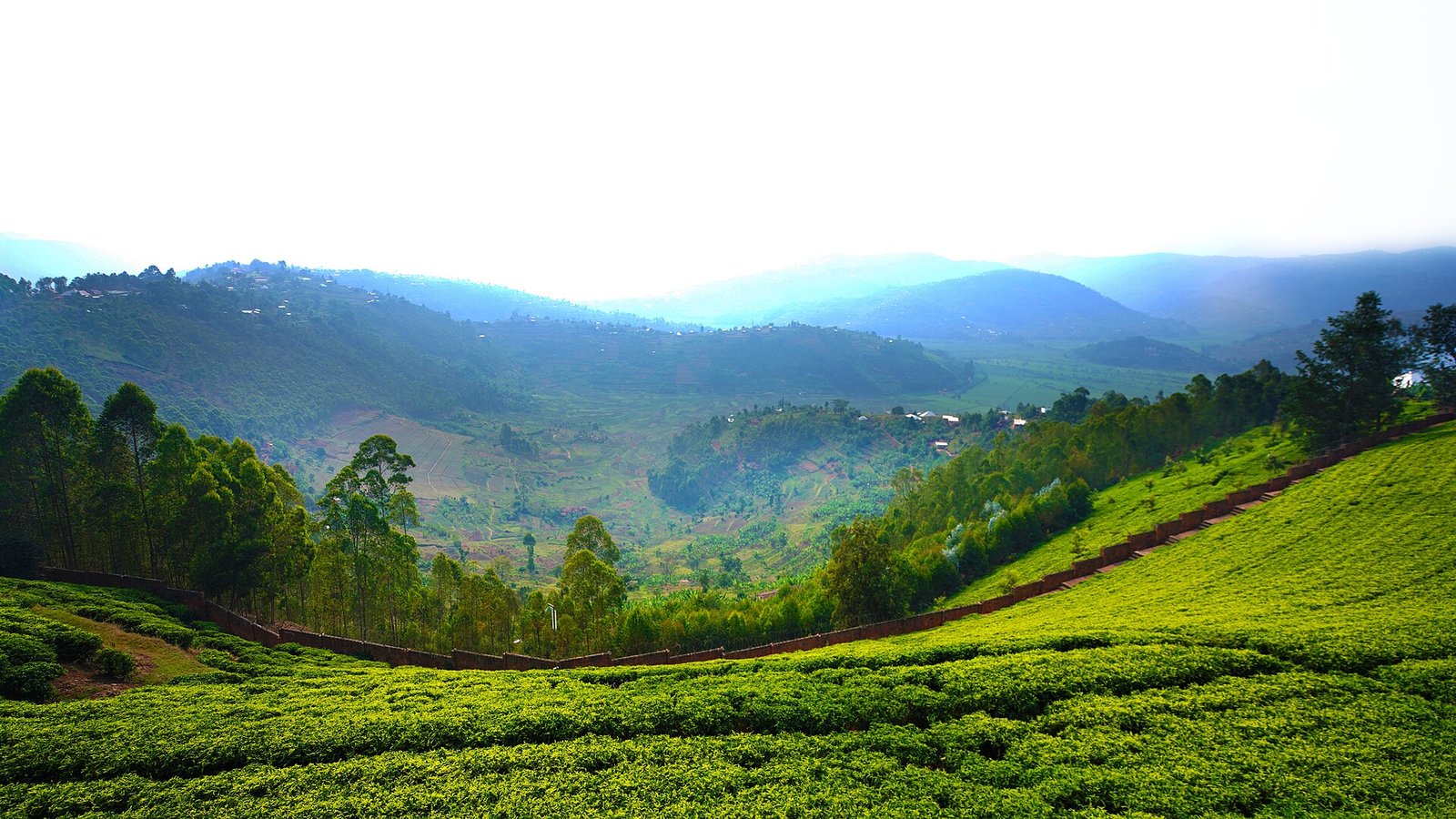
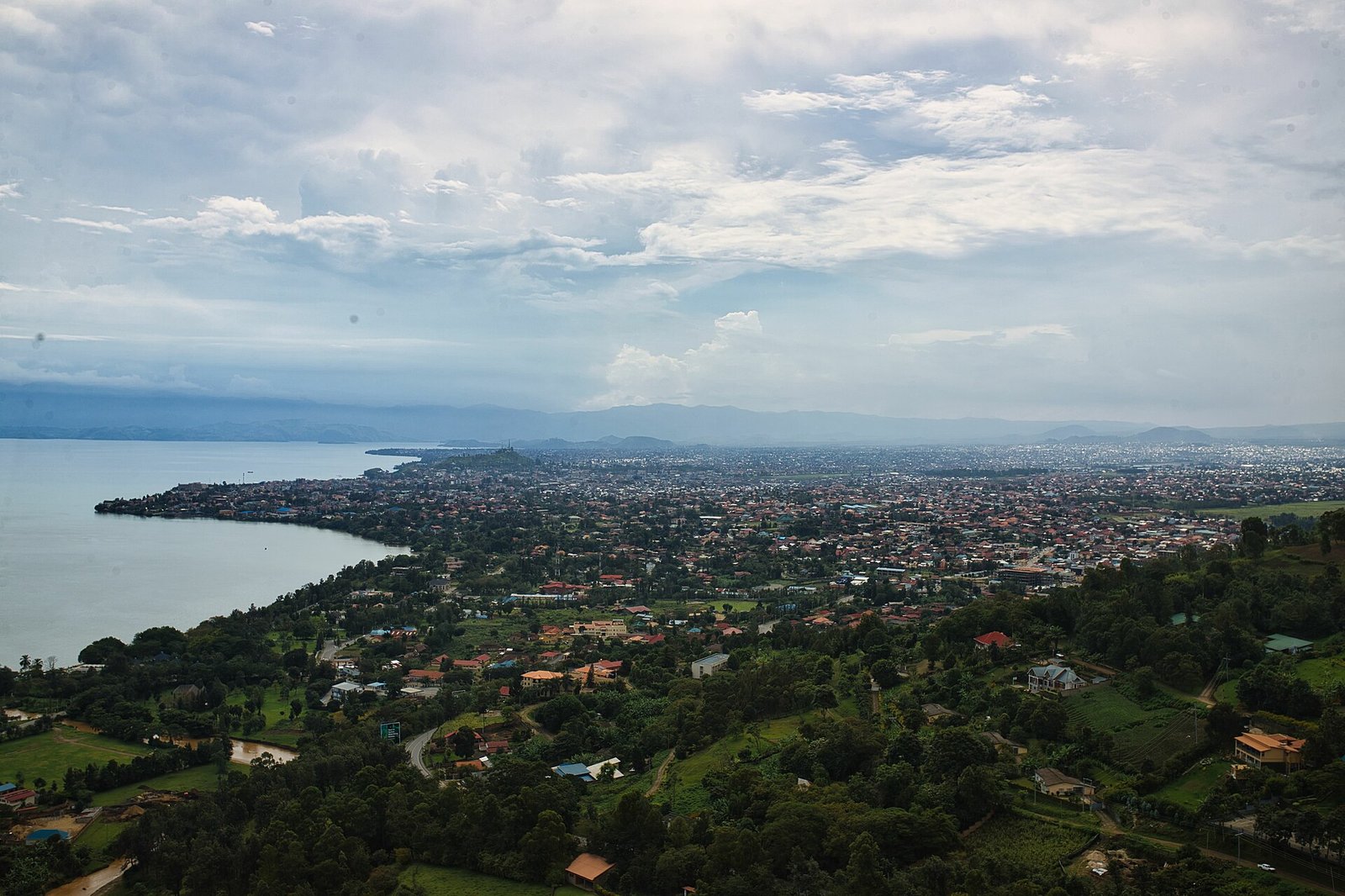
Rwanda covers 26,338 square kilometres, slightly smaller than Belgium. It borders Uganda, Tanzania, Burundi and the Democratic Republic of the Congo, and shares Lake Kivu with Congo. It is called the land of a thousand hills, and the name is accurate: there is little flat ground.
The 2022 census counted 13,246,394 people. The statistics institute, NISR, projects 14.4 million for 2026. That means roughly 550 people per square kilometre, among the highest densities in Africa. About seven in ten Rwandans live in the countryside.
History explains the politics. Germany and then Belgium ruled the territory until independence on 1 July 1962. In about 100 days from April 1994, extremists killed hundreds of thousands of people, most of them Tutsi. The government puts the toll above one million. Kagame’s Rwandan Patriotic Front, the RPF, a rebel army at the time, ended the genocide in July 1994.
Rwanda has four official languages: Kinyarwanda, English, French and Kiswahili. English replaced French as the main language of schools and business after 2008. The country joined the Commonwealth in 2009, although Britain never ruled it.
Who runs Rwanda and how
The president holds the real power. Paul Kagame was vice-president and defence minister after 1994 and has been president since April 2000. A 2015 referendum changed the constitution so that he could keep standing. In July 2024 the National Electoral Commission gave him 99.18 percent of the vote. His current term ends in 2029.
A prime minister heads the government day to day. Justin Nsengiyumva, an economist, was sworn in on 25 July 2025, replacing Édouard Ngirente after eight years. Ministers carry out a programme set by the president.
Parliament has two chambers. The RPF and its allies hold an overwhelming majority in the 80-seat Chamber of Deputies. Women hold more than 60 percent of its seats, one of the highest shares in the world. The Senate has 26 members, most of them elected indirectly or appointed.
This is Kagame’s model: an efficient, low-corruption state with clear targets. Plastic bags are banned. Once a month, citizens do a morning of community work called umuganda. The long-term plan, Vision 2050, aims for upper-middle-income status by 2035 and high income by 2050.
The trade-off is political space. Human rights groups say opposition parties and independent journalists work under tight limits. The government rejects that account and points to stability and growth. Neither side’s claim is a substitute for the other’s.
How the economy works
Output in 2025 was Frw23,387 billion, about US$15.8 billion at the September 2026 rate. That works out at roughly US$1,100 a head. Growth was 9.4 percent, well above the 7 percent the government had forecast.
Services make up about half of output, industry just over a fifth and farming about a fifth. The pitch is services: tourism, conferences, finance and logistics for a region with poor infrastructure. Tourism earned US$685 million in 2025 from 1.49 million visitors, the Rwanda Development Board says. Conferences and events brought in a further US$94.7 million.
Goods matter too. Coffee exports earned more than US$148.6 million in 2025, a record, according to the export board, NAEB. Tea is the other big farm export. Minerals earned US$1.75 billion in 2024, the mining board says. That is one of Rwanda’s largest export lines, and its most disputed.
The tech ambition is real but still small. Rwanda has a national AI policy and runs most public services through an online portal, Irembo. Since 2016 Zipline drones have flown blood to rural clinics. The Gates Foundation committed about US$7.4 million to a Rwanda AI hub. Information and communication services grew 29 percent in the second quarter of 2026.
What the tech story does not mean: Rwanda is not yet a large digital economy. It is a test bed. Zipline, for example, trialled services in Rwanda before taking them to other countries. The ministry plans to switch off 3G by 30 June 2027, then 2G.
What is happening right now
As of September 2026, three pressures are running at once. The first is prices. Urban inflation reached 15.7 percent in August, up from 14.5 percent in July, NISR reported. Energy prices were up 45.4 percent on a year earlier, and transport 24.2 percent.
The National Bank of Rwanda responded on 26 August 2026. It raised its policy rate from 8.25 to 8.75 percent, its third rise of 2026 after increases in February and May. The bank expects inflation to average 13.1 percent this year. It sees a return to its 2 to 8 percent target band in the second half of 2027.
The second pressure is the war in eastern Congo. The M23 rebel group took Goma in January 2025 and Bukavu weeks later, and still holds both. On 2 March 2026 the US Treasury sanctioned the Rwanda Defence Force and four senior commanders. It accused them of “actively supporting, training, and fighting alongside” M23. On 25 June it sanctioned a Kigali gold refinery and three mining firms. Rwanda denies backing M23.
This happened despite a peace framework. Congo and Rwanda signed a peace agreement in Washington on 27 June 2025. Presidents Kagame and Tshisekedi then signed the Washington Accords on 4 December 2025. The first ceasefire monitors deployed in August 2026, but the rebels still hold their ground. Our analysis of the sanctions sets out the economic cost.
The third is money from abroad. Britain suspended most direct financial aid in February 2025. On 8 June 2026 the IMF approved a 38-month loan programme worth about US$250 million, with US$35.7 million paid at once. That does not mean Rwanda is in crisis. It means the state needs support while aid shrinks and prices rise.
What to watch
Inflation first. NISR publishes the consumer price index around the tenth of each month. If energy prices ease, the central bank may pause. If not, a fourth rise at its next quarterly meeting is possible.
Second, the Congo track. Watch the ceasefire monitors, any troop withdrawal and whether Washington adds or lifts sanctions. Sanctions on the army affect anyone doing business with firms it owns or supplies. Mineral exports now face closer checks from buyers.
Third, the IMF reviews. The first review of the new programme will show whether the budget is on track. Fourth, the 3G switch-off deadline of 30 June 2027, a practical test of the tech ambition. The next presidential election is due in 2029.
What this means for foreigners
Getting in is easy. Rwanda has issued visas on arrival to citizens of every country since 1 January 2018. Citizens of African Union, Commonwealth and Francophonie states enter free for 30 days. Others pay US$50 for a single entry. The East Africa Tourist Visa, at US$100, also covers Kenya and Uganda.
Living there needs a permit. Most residence permits cost Frw150,000 (about US$101) and last up to two years. Our Rwanda visa and residency guide sets out each class and deadline.
One rule catches travellers out. Since 22 May 2026, Rwanda has refused entry to foreigners who were in Congo in the previous 30 days. The reason is the Ebola epidemic there. The ban is still in force, and it catches gorilla tourists who combine the two countries.
The United States rates Rwanda Level 3, “Reconsider travel”, since 4 June 2026, citing Ebola in Congo, petty crime and unrest. It advises against any travel within 10 kilometres of the Congolese border. In towns and cities it warns of petty crime such as pickpocketing; burglary and targeted theft are less common.
For investors, Rwanda offers speed and predictability, but a small market. Prices are rising fast, so anyone paid in francs is losing ground. Rwanda explained for a newcomer, in one line: easy to enter, efficient to deal with, and politically closed.
Connected Coverage
Rwanda Visa and Residency: Every Nationality Gets Visa on Arrival, Most Permits Cost About US$100
US Sanctions Rwanda Army and Mineral Firms as M23 War Pressure Tests Rwanda Economy
South Africa Tops Healthcare Index as Expats Weigh the Best African Countries to Live
M23 Holds Goma and Bukavu as the DR Congo Conflict Ceasefire Monitors Fly Into Minembwe
East Africa Economy Eyes 5.8 Percent Growth as EAC Demands End to Trade Barriers
Kenya Explained: The Country, Its Politics, Its Economy and What to Watch
Tanzania Explained: The Country, Its Politics, Its Economy and What to Watch
Sources: Population, output and prices from the National Institute of Statistics of Rwanda, the exchange rate and policy rate from the National Bank of Rwanda, tourism from the Rwanda Development Board, sanctions from the US Treasury, and the loan programme from the IMF.
- NISR — GDP national accounts, second quarter 2026
- Ministry of Finance and Economic Planning — 9.4 percent growth in 2025
- NISR — Consumer Price Index, August 2026
- National Bank of Rwanda — weekly bulletin, 21 September 2026
- Rwanda Development Board — 2025 tourism and investment performance
- US Treasury — sanctions on the Rwanda Defence Force, 2 March 2026
- US Treasury — sanctions on Gasabo Gold Refinery, 25 June 2026
- IMF — Executive Board approves Rwanda’s Extended Credit Facility, 8 June 2026
- US State Department — signing of the Washington Accords, December 2025
- Office of the Prime Minister — Nsengiyumva sworn in, 25 July 2025
- US Department of State — Rwanda travel advisory
What Is Not Known
How much of Rwanda’s mineral trade originates in Congo. The US government and UN experts say a significant share does. Rwanda says its exports are its own. No independent audit settles the question, and the official export figures do not separate the two.
Whether the Washington Accords will hold. The documents exist and the monitors have started work. But the rebels keep their territory. Washington demands that Rwandan troops leave Congo; Kigali says it has none there to withdraw.
What happens after Kagame. He will be 71 when his term ends in 2029. There is no public succession plan, and the constitution would let him stand again.
When the Congo entry ban ends. The health ministry set no end date, and it depends on an epidemic across the border that is still spreading.
Frequently Asked Questions
Who is the president of Rwanda in 2026?
Paul Kagame, president since April 2000. He was re-elected in July 2024 with 99.18 percent of the vote, the electoral commission says. His term runs to 2029. The prime minister, Justin Nsengiyumva, runs the government day to day.
Why is Rwanda called a tech hub?
Because the state uses technology visibly. It runs public services online through Irembo, has used delivery drones since 2016 and plans to switch off 3G by 30 June 2027. The tech sector is growing but is still a small part of the economy.
What currency does Rwanda use?
The Rwandan franc, written Frw or RWF. The National Bank of Rwanda quoted 1,477.86 francs to the US dollar on 18 September 2026. Mobile money is widely used.
Do foreigners need a visa for Rwanda?
Every nationality can get a visa on arrival. Citizens of African Union, Commonwealth and Francophonie states enter free for 30 days; others pay US$50 for a single entry. Anyone who was in Congo in the previous 30 days is currently refused entry because of Ebola there.
Why did the United States sanction Rwanda’s army?
On 2 March 2026 the US Treasury sanctioned the Rwanda Defence Force and four commanders. It said they supported and fought alongside the M23 rebels in eastern Congo. Rwanda denies backing M23. In June the Treasury also sanctioned a Kigali gold refinery.
Is Rwanda safe to visit?
The United States rates Rwanda Level 3, “Reconsider travel”, since 4 June 2026, citing health risks from the Ebola epidemic in Congo, crime and unrest. It advises against travel within 10 kilometres of the Congolese border.
This article was produced by The Rio Times’ automated newsroom system. How we use AI · Report an error
Part of our ongoing coverage
Africa: The New Scramble — the great-power contest over the continent.
Read More from The Rio Times
Rotate for Best Experience
This report is optimized for landscape viewing. Rotate your phone for the full experience.
You've reached your free article limit
Subscribe to The Rio Times for unlimited access to expert analysis, market intelligence, and daily briefings on Latin America.