
RWANDA · TRAVEL
Key Facts
- The country Small East African country known for gorilla trekking, bordering Uganda, Tanzania, Burundi and the Democratic Republic of Congo.
- Why it matters Two border strips beside Rwanda’s volcano and forest parks are Level 4, Do Not Travel.
- Why now The World Health Organization counts 9,704 confirmed Ebola cases in Congo as of 20 October, none in Rwanda.
- What happened Washington still rates Rwanda Level 2, while Rwanda bars foreign visitors who were in Congo within 30 days.
- What it means for you Keep itineraries outside the two strips, carry yellow fever proof if needed, and see Rwanda before Congo.
The US State Department rates Rwanda Level 2, Exercise Increased Caution, and two strips within 10 kilometers of the Congo border Level 4, Do Not Travel, on the advisory page that was still online on Friday, 30 October 2026. The page carries the date line July 16, 2025, so it predates the Ebola outbreak that Congo declared on Friday, 15 May 2026.
Rwanda’s health agency reported no Ebola case in its latest published notice, dated 16 June 2026, and the World Health Organization’s bulletin of 23 October lists no case in Rwanda. Even so, Rwanda refuses entry to foreign nationals who were in Congo or passed through it within 30 days, so its entry rules matter as much to US visitors as the advisory.
What the State Department Says
The advisory’s country summary says armed groups, individuals and military forces routinely clash in nearby countries, and that the violence raises the risk of spilling over into Rwanda. It then names two Level 4 zones, Rusizi District and Rubavu District, each within 10 kilometers of the Congo border and each listed for armed violence.
For Rusizi it notes that Lake Kivu borders Congo, borders may not be clearly marked, and a Rwanda Development Board permit is required for Nyungwe Forest National Park. For Rubavu it says armed groups operate in Congo’s North and South Kivu provinces and Virunga Park beside Rwanda’s Volcanoes National Park.
US government employees working in Rwanda must obtain special authorization to travel to either district, the advisory adds. Because the page dates from July 2025, it predates the Ebola declaration of May 2026 and the US sanctions of 28 October 2026.
What Rwanda Requires at the Border
Rwanda’s Ministry of Health announced on Friday, 22 May 2026 that foreign nationals who traveled to or transited through Congo within the previous 30 days would be denied entry, and the Rwanda Biomedical Centre, the national public health agency, repeated the rule on 16 June 2026. Rwandan citizens and residents with proof of residency may enter but face mandatory quarantine if they were in Congo in that period.
The notices say tourism, business and events continue as usual, screening is reinforced at land borders and Kigali International Airport, and the health hotline is 114. The rule was still posted on Friday, 30 October, with no notice lifting it found, so the entry ban on travelers from Congo has no announced end date.
Americans arriving from the United States need no yellow fever certificate, because Rwanda’s traveler note requires one only from countries on its endemic list, which includes Uganda, Kenya, Ethiopia, Congo and Brazil. A single-entry holiday visa costs US$50 and a multiple-entry one US$70 under the 2019 ministerial order on immigration, and the Rwanda visa guide covers the other classes.
In Plain English
Congo in this article means the Democratic Republic of the Congo, Rwanda’s western neighbor, and not the separate Republic of the Congo. The State Department’s Level 2 means exercise increased caution, while Level 4 means do not travel.
The Rwanda Biomedical Centre is the national public health agency, which works under the Ministry of Health. Ebola is a severe viral disease spread by contact with an infected person’s blood or body fluids.
What the Health Agencies Say
The US Centers for Disease Control and Prevention lists one Level 1 notice for Rwanda, on global measles dated 28 May 2025, and no Ebola notice. It recommends malaria medicine for travelers, says cholera is localized to Western Province and calls yellow fever vaccination generally not recommended for Rwanda.
The World Health Organization’s bulletin of 23 October 2026 counts 9,704 confirmed Ebola cases in Congo, including 4,687 deaths, as of 20 October, with cases also reported in Uganda, France, Kenya and Nigeria since the outbreak was declared. It rated the risk for countries sharing a land border with Congo as high on 14 August 2026 and advises against any restriction of travel to, or trade with, affected countries.
Why the Congo Border Matters
Eastern Congo is an active conflict zone, and on Wednesday, 28 October 2026 the US Treasury sanctioned Rwanda’s Ministry of Defence over what it describes as support for the M23 rebel movement there. The Treasury announcement does not mention tourism, and Rwanda’s prime minister pressed the country’s case on the Congo militia at a Moscow summit on 29 October.
What It Means for You
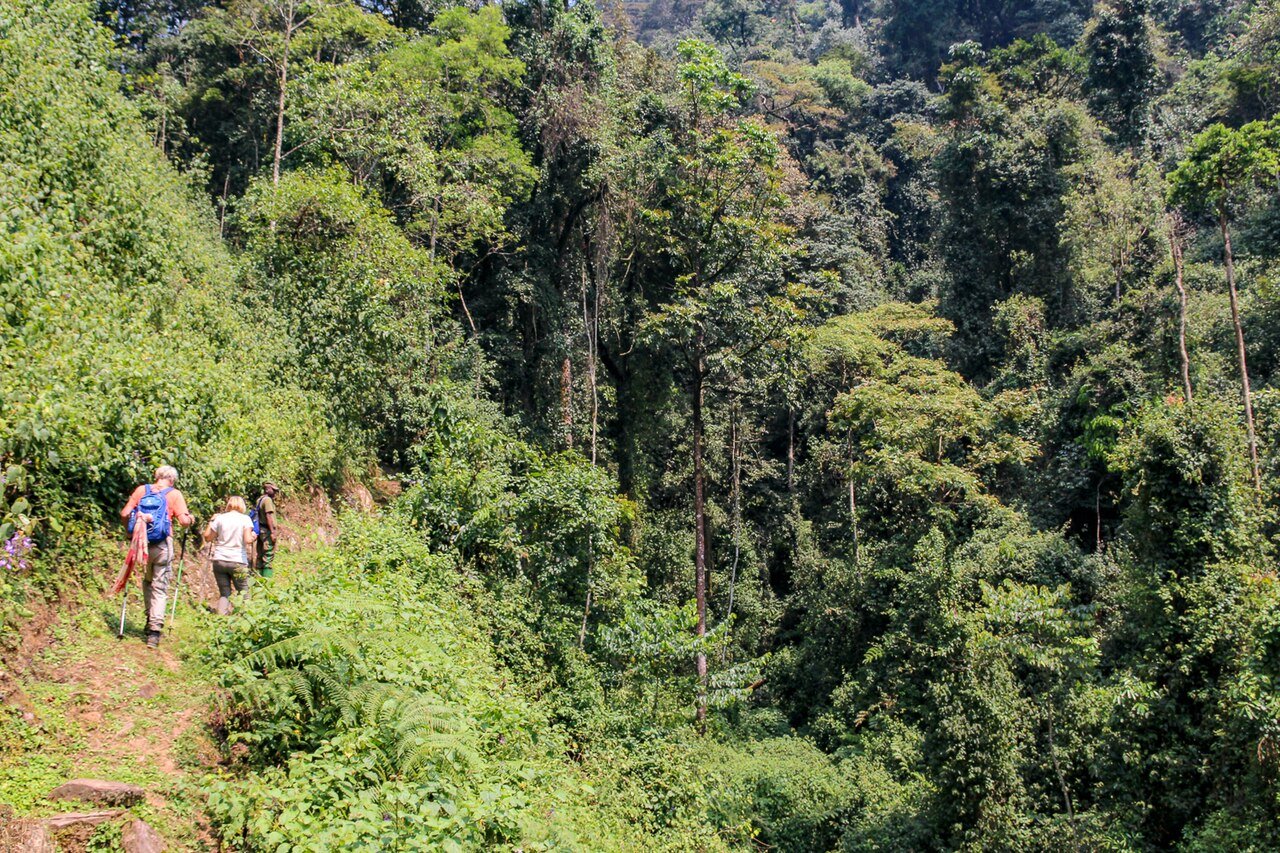
Keep any Rwanda itinerary outside the two Level 4 strips, and arrange park visits through the Rwanda Development Board, because the advisory says its permit is required for Nyungwe Forest National Park and Volcanoes National Park. The advisory does not say either park is closed.
If Congo is on the same trip, see Rwanda first, because the 30-day rule would turn a traveler away at the airport if Congo came first. Carry yellow fever proof if the route touches a listed country, because the State Department’s country page says Rwanda may turn away travelers without it.
What Is Not Known
It is not known whether the State Department will reissue the advisory after the Ebola declaration and the 28 October sanctions, because the page still carries its July 2025 date. It is also not known when Rwanda will lift its 30-day rule, since the notices set no expiry.
The notices do not say whether an airside connection in Congo counts as transit, or whether a connection in a country on the yellow fever list triggers the certificate rule. Travelers with such a routing should ask their airline and the Rwandan embassy before booking.
Frequently Asked Questions
What is the State Department travel advisory level for Rwanda?
Rwanda is Level 2, Exercise Increased Caution, on the advisory page read on 30 October 2026, which carries the date line July 16, 2025. Two strips within 10 kilometers of the Congo border, in Rusizi and Rubavu districts, are Level 4.
Can Americans enter Rwanda after visiting Congo?
Not within 30 days. Rwanda denies entry to foreign nationals who traveled to or transited through Congo in the previous 30 days.
Does Rwanda have Ebola?
Rwanda’s latest published health notice, dated 16 June 2026, reports no Ebola case, and the WHO bulletin of 23 October does not list Rwanda among the five countries with cases. Screening is reinforced at Kigali’s airport and land borders.
Do Americans need a yellow fever certificate for Rwanda?
Not when arriving from the United States, which is not on Rwanda’s endemic list. Travelers coming from listed countries such as Uganda, Kenya or Brazil must show a certificate.
Sources: US State Department, Rwanda travel advisory, date line July 16, 2025, read 30 Oct 2026; US State Department, Rwanda country information, read 30 Oct 2026; US CDC, Rwanda travelers page, read 30 Oct 2026; Rwanda Biomedical Centre, info note for travelers, notice of 22 May 2026; Rwanda Biomedical Centre, Ebola notice of 16 June 2026; World Health Organization, Disease Outbreak News DON622, 23 Oct 2026; Rwanda Directorate General of Immigration, Ministerial Order N°06/01 of 29/05/2019; US Treasury, press release of 28 Oct 2026.
This article was produced by The Rio Times’ automated newsroom system. How we use AI · Report an error · Editorial responsibility: Matthias Camenzind, Editor-in-Chief