M23 Holds Goma and Bukavu as the DR Congo Conflict Ceasefire Monitors Fly Into Minembwe
Africa · Geopolitics
Key Facts
- —The stakes Rwanda-backed M23 rebels control much of North and South Kivu, including Goma and Bukavu, seized in early 2025.
- —The date On 24 August 2026, the first formal ceasefire verification mission deployed to Minembwe in South Kivu by UN helicopter.
- —The mechanism The mission pairs three Congolese army officers with three AFC/M23 officers under the Ceasefire Oversight and Verification Mechanism (COVM).
- —The minerals Eastern Congo’s mining heartland, now under armed-group control, supplies a dominant share of the world’s cobalt and coltan.
- —The catch Despite the ceasefire, M23 still controls the mines, so supply chain uncertainty persists for battery makers.
A fragile peace process is being tested in eastern Congo. The arithmetic of territorial control no longer favors Kinshasa.
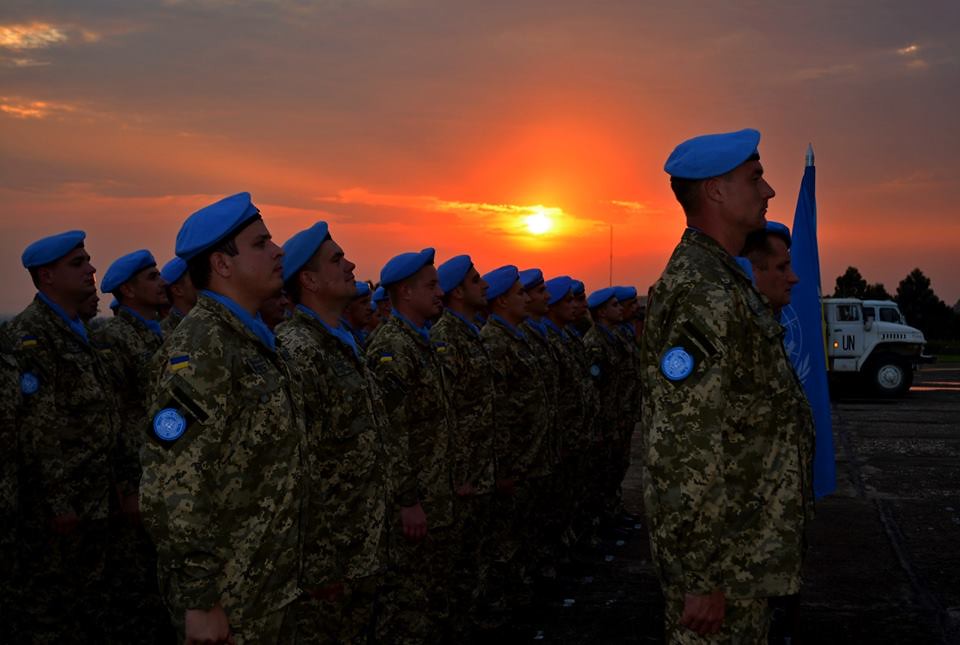
The first formal ceasefire monitors have begun flying into remote combat zones. But mines feeding the global battery chain remain under rebel administration.
A Tutsi-Led Rebellion With State Backing
M23 is a predominantly ethnic Tutsi rebel movement backed by Rwanda, operating in eastern DR Congo since its resurgence.
Reporting in 2026 uses the coalition label AFC/M23 for the armed group negotiating with Kinshasa.
The conflict intensified sharply in January 2025, when M23 seized Goma, the capital of North Kivu, along with two airports.
Weeks later the group captured Bukavu, the capital of South Kivu, marking the deepest territorial loss for Kinshasa since the Congo wars.
The capture of two provincial capitals in quick succession shattered any assumption that the Congolese army could hold its eastern front.
The Map of Control in North and South Kivu
By September 2026, M23 and its AFC coalition partners control much of North and South Kivu. This is according to the Council on Foreign Relations Global Conflict Tracker.
The group has continued offensive operations despite multiple ceasefire agreements, leaving front lines unstable.
The cities of Goma and Bukavu anchor a corridor stretching across resource-rich borderlands near Rwanda.
Kinshasa administers only limited pockets of the two eastern provinces, while M23 governs the main commercial hubs.
This territorial reality shapes every negotiation, because the rebels negotiate from a position of holding the ground and the mineral wealth.
The Mining Heartland Under Armed-Group Control
M23’s seizure of eastern Congo’s mining heartland puts the world’s dominant supply of cobalt and coltan under armed-group control.
Those mining areas lie around Goma and Bukavu, and across nearby Kivu territories. This is from a VUCA News conflict briefing in August 2026.
Cobalt is essential for lithium-ion battery cathodes.
Coltan is a key ore for tantalum, which is used in capacitors in phones and electric vehicles.
The Democratic Republic of Congo supplies a dominant share of both minerals to global supply chains.
Rebels control extraction zones, which raises real compliance risks for buyers trying to trace where minerals come from.
The Doha Framework and the COVM
The DRC government and AFC/M23 signed a Doha Framework Agreement in Qatar on 15 November 2025. It underpins current ceasefire arrangements and created the Ceasefire Oversight and Verification Mechanism, or COVM, with equal numbers from both sides.
Observers include the African Union, Qatar and the United States, alongside the International Conference on the Great Lakes Region, or ICGLR. MONUSCO, the United Nations peacekeeping mission in the DRC, also takes part.
This Doha track, between Kinshasa and the rebel group, sits alongside a separate state-to-state track. DRC President Félix Tshisekedi and Rwandan President Paul Kagame signed the US-brokered Washington Accords on 4 December 2025.
The Expanded Joint Verification Mechanism Plus
On 2 February 2026, the parties reached agreement in Doha on terms of reference for the COVM.
A memorandum then set out plans to operationalise the Expanded Joint Verification Mechanism Plus, known as EJVM+.
EJVM+ enables the ceasefire oversight body to begin surveillance and verification with support from MONUSCO.
In April 2026, the DRC government and AFC/M23 signed an interim peace monitoring mechanism during talks in Switzerland.
The body was designed to track humanitarian and security developments and monitor potential ceasefire violations.
Why Verification Stalled Until August
EJVM+ was created in April 2026 but stalled in July after M23 expelled an officer from the mechanism.
That delay left the first formal inspection scheduled for late August, roughly ten months after the ceasefire was signed.
The standstill exposed how easily a single tactical decision by a rebel commander can block an international monitoring arrangement.
Diplomats spent the summer trying to restore confidence in the verification process while clashes continued in South Kivu.
Drones have widened where we can monitor. But we still need people on the ground.
The First Verification Mission to Minembwe
The first EJVM+ ceasefire verification mission deployed to Minembwe in South Kivu on Monday, 24 August 2026.
UN helicopters transported the team into an area affected by intense fighting.
The mission paired three Congolese army officers with three AFC/M23 officers, joined by regional military experts.
UN logistical support and observers from the African Union, Qatar and the United States accompanied the inspection.
France 24 confirmed the deployment on 24 August. It said the mechanism also planned to visit Uvira.
AFC/M23 withdrew from Uvira in January.
The August Roadmap in Switzerland
The DRC and AFC/M23 held talks in Switzerland from 17 to 21 August 2026 and pledged to pursue comprehensive peace talks. They agreed to set up a mechanism reviewing progress under the Doha Framework, with a secretariat now established.
The roadmap fell short of a final political settlement, leaving the territorial status quo in place.
Rwanda’s Position and Regional Tensions
UN experts and Western governments have repeatedly named Rwanda as the external backer of M23. Kigali denies direct military involvement, but the capture of Goma and Bukavu has intensified regional diplomatic pressure.
The ICGLR’s observer role within COVM means neighbouring states sit inside the very mechanism meant to police Rwanda-linked forces. That makes enforcement harder, since the dispute is also a contest between Kigali and Kinshasa.
Humanitarian Toll and Displacement
The offensive that captured Goma and Bukavu triggered mass displacement and severe protection needs across North and South Kivu.
The ceasefire monitoring mechanism protects civilians and aid deliveries. This was formalised in a memorandum of understanding on 19 April 2026.
The interim monitoring body signed earlier that month also tracked humanitarian developments alongside security events.
Fighting in areas such as Minembwe has kept relief routes intermittently closed, limiting access to populations around the front lines. Sustained insecurity has prevented any large-scale return of people displaced since January 2025.
The DRC government alleged that M23 killed more than 300 people in June and July 2026. Al Jazeera reported the claim on 24 August 2026, noting it was not independently verified.
What It Means for Global Battery Markets
The DRC’s dominant share of cobalt and coltan output means eastern Congo’s instability is a direct input into battery costs.
Cobalt from the Kivu mining areas feeds supply chains that refine material for electric vehicle makers in Asia and Europe.
Coltan from the same region supplies tantalum needed for capacitors across consumer electronics and automotive systems.
With mines under armed-group control, buyers face higher compliance costs for responsible sourcing and potential export disruptions.
A paper ceasefire has not restored state control over the pits.
More: DR Congo news in English, every day from The Rio Times.
A Ceasefire That Is Holding Territory, Not Peace
The formal ceasefire has persisted since 2025, but M23 continues to hold Goma and Bukavu and much of North and South Kivu.
The first verification mission in Minembwe is a procedural step, not evidence that the rebels are preparing to cede control.
Implementation of the Doha Framework remains slow, limited to mechanisms, roadmaps and monitoring bodies.
For Kinshasa, the priority is restoring sovereignty over the eastern provinces and the mining revenues they generate.
For global supply chains, the risk is that eastern Congo settles into a frozen conflict with minerals flowing through rebel-administered channels.
Connected Coverage
M23 Counteroffensive Shakes Congo’s South Kivu Hills
Kinshasa and Luanda Push Shared Oil Zone and Fuel Deal
Congo’s 10 Percent Ownership Rule Is Due. The Decree Is Not.
The Big Picture
More from the DR Congo section
Latest developments
- KenGen Olkaria Licence Flaw Unfixed 18 Years — 14 October 2026
- Raymond Omollo: A Statistician Behind Kenya’s Security Push — 14 October 2026
- Bank of Uganda Raises Key Rate to 12% — 14 October 2026
- Ethiopian Troops Reach Zalambessa by 13 Oct — 14 October 2026
This article was produced by The Rio Times’ automated newsroom system. How we use AI · Report an error · Editorial responsibility: Matthias Camenzind, Editor-in-Chief