AFRICA · DR CONGO · RWANDA
Key Facts
- The war A rebel group called M23 has fought Congo’s army in the east of the country since 2022.
- The cities M23 has held Goma and Bukavu, the two largest cities of eastern Congo, since early 2025.
- The Rwanda link The US and UN experts say Rwanda’s army backs M23, but Rwanda denies it.
- The deal DR Congo and Rwanda signed the Washington Accords on 4 December 2025, but the fighting goes on.
- The sanctions On 28 October 2026 the US sanctioned Rwanda’s Ministry of Defence and a credit society, Zigama.
- The new front Former president Joseph Kabila launched a new rebel movement, the FRN, in Goma on 12 October 2026.
- The cost A local group says more than 12,000 households fled Kaziba in South Kivu after fighting began on 12 October.
Eastern Congo is at war again, and this time the conflict has reached Washington. On 28 October 2026 the US Treasury sanctioned Rwanda’s Ministry of Defence for backing a rebel group that holds two of Congo’s biggest cities.
This guide starts from zero. It explains where the fighting is, who the players are, who backs whom, how a US-brokered peace deal fits in and why American readers should care.
The Short Version
Two neighbours, DR Congo and Rwanda, blame each other for the violence in eastern Congo. Congo says Rwanda uses a rebel group called M23 to control land and minerals on its side of the border.
Rwanda says it must protect itself from the FDLR, a Hutu armed group that operates in Congo and that Rwanda ties to the 1994 genocide. The US Treasury and UN experts say Rwanda’s army fights alongside M23, which Rwanda denies.
The United States brokered a peace deal, but the fighting has not stopped. In October 2026 a former Congolese president launched a movement that took over the rebels’ political alliance, and Washington sanctioned Rwanda’s army ministry.
Where the War Is
DR Congo, short for the Democratic Republic of the Congo, is the second-largest country in Africa by area. Its capital, Kinshasa, lies more than 1,500 km (950 miles) from the fighting, which is in the far east.
Rwanda is a small country on Congo’s eastern border, and its capital is Kigali. It is a different country from the Republic of Congo, a separate state on the other side of DR Congo whose capital is Brazzaville.
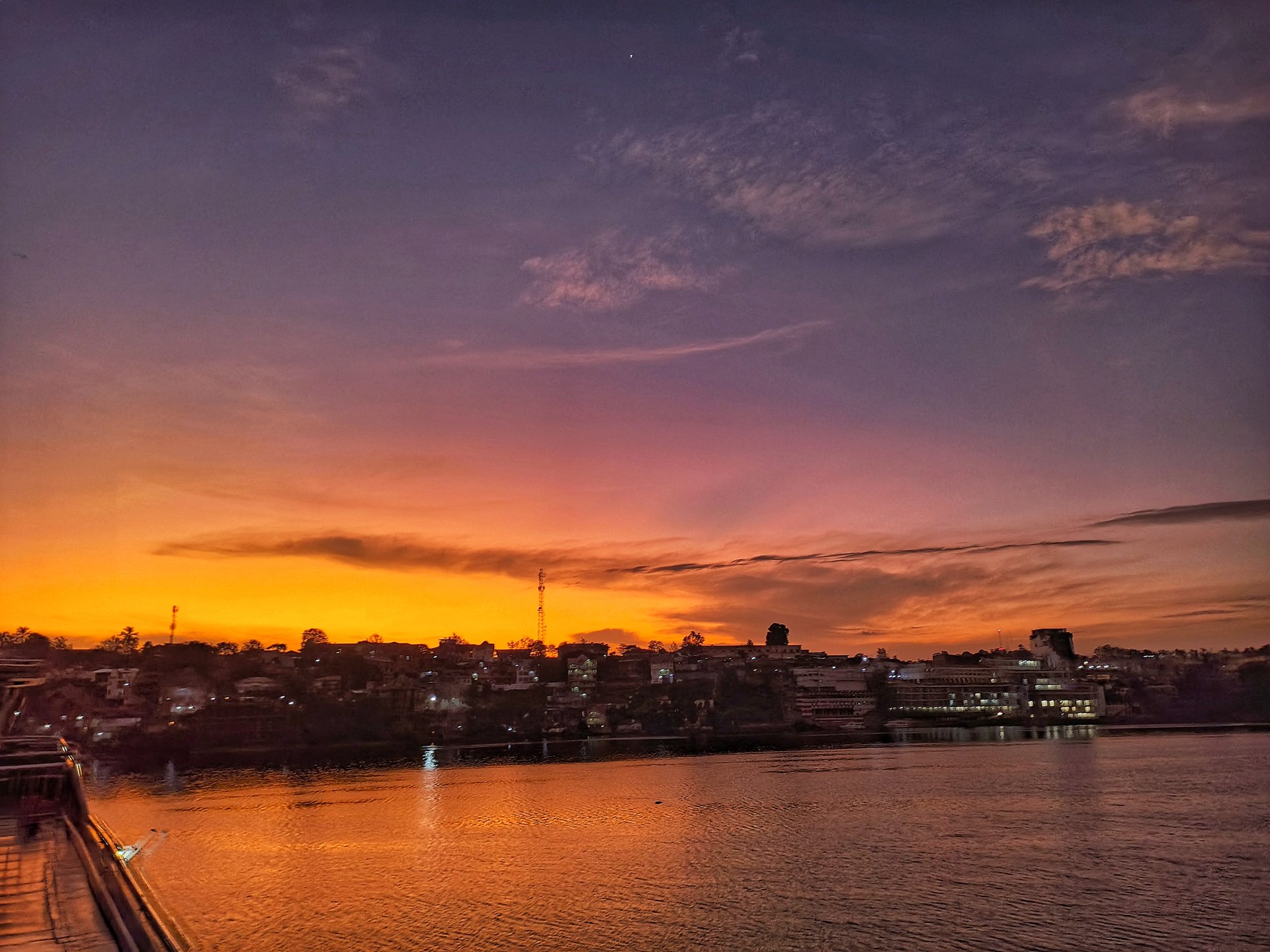
The war is centred on two Congolese provinces, North Kivu and South Kivu, which take their name from Lake Kivu on the Rwandan border. Their capitals are Goma, on the northern shore of the lake next to the Rwandan city of Gisenyi, and Bukavu, at the southern end.

Who Is Who
The Congolese government is led by President Félix Tshisekedi and governs from Kinshasa. It accuses Rwanda of using the FDLR as a pretext to reach the region’s mineral wealth.
Rwanda is led by President Paul Kagame. It says it acts because the FDLR is still active in Congo, and it says Kinshasa has not dismantled the group.
M23, short for the March 23 Movement, is a Congolese rebel group. It fought the government in 2012 and 2013, lay dormant for several years, resurged in 2022 and captured Goma and Bukavu in early 2025.
The AFC and the FRN are the political side of the rebellion. The AFC (Alliance Fleuve Congo) was the alliance M23 belonged to, and the FRN (Front pour la Refondation de la Nation) took over from it on 12 October 2026.
Joseph Kabila was president of DR Congo from 2001 to 2019 and announced the FRN from Goma. A Congolese military court sentenced him to death in absentia in 2025 for treason and war crimes, which means he was not present at the verdict.
Read our report on his return.The FDLR is the Democratic Forces for the Liberation of Rwanda, a Hutu armed group tied to the genocide against Tutsis in 1994. Rwanda says it still threatens its security, while Congo says Rwanda uses that threat as an excuse.The United States brokered the peace deal and now sanctions Rwanda’s army ministry.
Congolese officials have also offered Washington access to Congo’s critical minerals in exchange for security help.Qatar hosts separate talks in Doha between the Congolese government and M23. It also takes part in the monitoring group for the peace agreement, together with the US, Togo and the African Union.
Who Backs Whom
Rwanda and M23: a 2024 report by the UN Group of Experts, the panel that monitors sanctions on Congo, found that between 3,000 and 4,000 Rwandan Defence Force troops were operating with M23 in North Kivu. On 28 October 2026 the US Treasury said Rwanda’s Ministry of Defence directed its army to deploy thousands of troops across North and South Kivu and supplied the rebels with equipment and training.
The money trail: the Treasury accuses the Zigama Credit and Savings Society of acting on behalf of Rwandan security services and of facilitating payments for weapons. It also says a Zigama branch enabled the transport of gold from territory held by M23, and we found no reply from Zigama.
Rwanda’s answer: Rwanda denies backing M23. Government spokesperson Yolande Makolo points to the Washington Accords, which require Kinshasa to neutralise the FDLR, a step she says is still unmet.
The Congolese side: Kinshasa’s foreign ministry welcomed the US sanctions, and the US says Rwanda must withdraw its troops. Our sources do not document who funds or arms the Congolese army or the FDLR, and we do not guess.
How We Got Here
Eastern Congo has been unstable since 1994, when Hutu refugees, including perpetrators of the Rwandan genocide, crossed the border after the killings. That influx fed the First and Second Congo Wars, and dozens of armed groups have been active in the region since.
A peace agreement between DR Congo and Rwanda was signed in Washington on 27 June 2025. M23 was not a party to it and negotiated separately with Kinshasa in Doha, producing a declaration of principles on 19 July 2025, a ceasefire-verification mechanism on 14 October 2025 and a framework agreement on 15 November 2025.
On 4 December 2025 Tshisekedi and Kagame signed the Washington Accords for Peace and Prosperity with US President Donald Trump as host. Congo committed to neutralise the FDLR and Rwanda to lift its “defensive measures”, meaning a troop withdrawal.
The accords also include a Regional Economic Integration Framework covering mining, energy and infrastructure, with third-party inspection of mine sites. A US-DRC Strategic Partnership Agreement signed the same day sets up a strategic asset reserve for Congo’s critical minerals.
The US sanctioned the Rwanda Defence Force and four senior officers on 2 March 2026. A sixth meeting of the Joint Security Coordination Mechanism, a monitoring body that includes the US, Qatar, Togo and the African Union, took place in Geneva on 12 and 13 August 2026 and agreed on a trilateral planning conference for October.
The October Escalation
On 12 October 2026 Kabila announced the FRN from Goma, saying its aim was “to put an end to tyranny by any means necessary, including the use of force.” Clashes followed at Kibati in North Kivu from 16 to 18 October, and in Fizi, Walungu and Walikale on 26 and 27 October. No casualty figures have been released, and a local group says more than 12,000 households fled the Kaziba area of South Kivu. On 27 October the FRN claimed to have taken several villages near Uvira, a South Kivu town on Lake Tanganyika close to the Burundi border. The army and South Kivu Governor Jean-Jacques Purusi denied this, calling Uvira “calm and secure”, and no independent source has placed rebels there.
Why Washington Sanctioned Rwanda’s Army Ministry
On 28 October 2026 the US Treasury sanctioned Rwanda’s Ministry of Defence and the Zigama Credit and Savings Society. It is the second round of US sanctions on Rwanda’s military this year, after the March action against the army and four officers.
Kinshasa welcomed the sanctions, while Kigali says Kinshasa has not dismantled the FDLR. In August the International Contact Group for the Great Lakes, a group of 11 states and the EU, urged a clear operational plan and timetable for disarming the FDLR.
Our explainer on what the sanctions mean for US firms. How Rwanda took its case to Moscow.
What It Means for US Readers
Since early 2025, Congolese officials and their lobbyists have offered Washington access to Congo’s critical minerals in exchange for security help. The strategic asset reserve agreed in December 2025 puts those minerals at the centre of the peace deal.
For investors, the risk is that the minerals deal and the peace deal depend on each other. For travellers, the US State Department has had a Level 4 “Do not travel” advisory for the whole of DR Congo since 15 July 2026, amid an Ebola outbreak.
See who holds power in Kinshasa.
What Is Not Known
It is not known whether the FRN holds ground near Uvira, because the FRN says it does while the army and the provincial governor deny it. No independent source has placed rebels there, and no casualty counts for October have been published.
The only official figure for Rwandan troops in 2026 is the Treasury’s “thousands”, and we found no UN Group of Experts estimate for this year. We could not confirm that the October planning conference took place, and a Qatar-mediated round is reported for November 2026 without a confirmed date.
We found no 2026 production, export or trade figures showing the practical effect of the minerals deal. Rwanda’s full response to the Treasury action has also not been published, and our sources do not cover who funds the Congolese army, the FDLR or local militias.
Frequently Asked Questions
What is M23?
M23, short for the March 23 Movement, is a Congolese rebel group that fights the government. It first rose in 2012, resurged in 2022 and captured Goma and Bukavu in early 2025.
Where are Goma and Bukavu?
They are the capitals of North Kivu and South Kivu, two provinces in far-eastern Congo on the Rwandan border. Goma is on the northern shore of Lake Kivu next to the Rwandan city of Gisenyi, and Bukavu is at the southern end of the lake.
Does Rwanda back M23?
The US Treasury and a 2024 UN expert report say Rwanda’s army supports M23, and the UN experts counted 3,000 to 4,000 Rwandan troops operating with the group. Rwanda denies backing M23 and says it acts against the FDLR.
Who controls Goma and Bukavu?
M23 controls both cities, along with airports and border crossings. The rebels captured them in early 2025.
What are the Washington Accords?
They are a peace framework signed by the presidents of DR Congo and Rwanda on 4 December 2025. They tie the neutralising of the FDLR and a Rwandan troop withdrawal to economic cooperation on minerals.
Why did the US sanction Rwanda’s defence ministry?
The US Treasury says the ministry directed its army to deploy thousands of troops in North and South Kivu and supplied the rebels with equipment and training. Rwanda denies backing M23.
Who is Joseph Kabila?
Kabila was president of DR Congo from 2001 to 2019. On 12 October 2026 he announced the FRN rebel movement in Goma.
Is the Uvira advance confirmed?
No. The FRN says it took villages near Uvira on 27 October, but the army and the provincial governor deny it, and no independent source has placed rebels there.
Sources: US Treasury press releases; US State Department joint statement on the sixth security meeting (August 2026); US Embassy in Kinshasa joint statement on the Washington Accords; Human Rights Watch World Report 2026. Data as of 2 November 2026.
This article was produced by The Rio Times’ automated newsroom system. How we use AI · Report an error · Editorial responsibility: Matthias Camenzind, Editor-in-Chief