Retire in Nicaragua 2026: Residency After Law 694 and the Fine Print
Guides · Nicaragua
—The law. Law 694, the pensionado and rentista incentives law, was repealed when the General Tourism Law took effect on 2 August 2024.
—The residence. Retirees now receive temporary residence under the migration law, which lawyers say lasts one year and must be renewed annually.
—The income. A regional law firm quoted a referential pension minimum of US$1,200 a month in January 2026; confirm the figure for your file.
—The perks. Duty-free import of household goods and a vehicle ended with Law 694. Retirees pay ordinary import taxes.
—The catch. Washington rates Nicaragua Level 3, citing wrongful detention, entry refusals and property seizures without legal justification.
—The cost. Numbeo puts a single person’s spending at about US$610 a month before rent, with city-centre one-bedrooms near US$350.
Nicaragua still draws retirees with low living costs and colonial towns, but the pensionado law that once defined the move was repealed in 2024. This guide sets out the rules as of September 2026, the political and property risks, and what daily life costs.

Retire in Nicaragua in 2026: the short version
Anyone planning to retire in Nicaragua in 2026 is working under different rules from those in most older guides. The pensionado law that offered permanent residence and tax-free imports no longer exists.
What remains is a temporary residence for people with a foreign pension or steady passive income, filed with the migration authority in Managua. Living costs are still low by regional standards, and the colonial cities of Granada and León keep their appeal.
The trade-off is political. Nicaragua is governed by two co-presidents, foreigners including US citizens have been refused entry or expelled, and the US State Department warns of property seizures without legal justification.
What happened to the pensionado law
Law 694, the Law for the Promotion of Entry of Pensioned and Rentista Residents, dated from 2009. It gave qualifying foreigners permanent residence and customs exemptions, and applications began at INTUR, the Nicaraguan Tourism Institute.
On 30 July 2024 the National Assembly approved Law 1210, the General Tourism Law. Its article 38 repealed six earlier laws, and Law 694 was one of them, according to the assembly and a PwC bulletin.
Law 1210 took effect on 2 August 2024. From that date retirees filed directly with the General Directorate of Migration and Foreigners, known by its Spanish initials as DGME, rather than with INTUR.
A second change followed. Law 1228, published in the official gazette La Gaceta on 29 November 2024, reformed Law 761, the general migration law, and ended permanent status for pensioners and rentistas.
The regional law firm Consortium Legal reads that reform plainly: residence for pensioners and rentistas is no longer permanent. The same reform removed the old path from three years of temporary residence to permanent residence.
How retiree residence works now
As of September 2026, a retiree applies for temporary residence as a pensioner, and a person living on investment or rental income applies as a rentista. The Managua firm Tiffer & Associates says this residence lasts one year and is renewed yearly.
The income test has no single published official schedule. In January 2026 Consortium Legal gave a referential pension minimum of US$1,200 a month for Nicaragua and described the requirements as stricter than before.
Older figures still circulate. Under Law 694 the floors were US$600 for pensioners and US$750 for rentistas. They rose to US$1,000 and US$1,250 in February 2019, and neither pair is the current benchmark.

The documents are familiar from other Latin American systems. They include an apostilled birth certificate with a Spanish translation, a police record, a health certificate and a pension letter or proof of foreign income.
Married applicants add a marriage certificate. Tiffer notes that a police certificate can be obtained through Interpol in Managua, and that the process starts at the migration headquarters in the capital.
Fees are set by the DGME and are not published as a single current table. Ask the authority for the fee that applies to a pensioner or rentista file when you submit it.
For comparison, Nicaraguan outlets quoted about US$610 for a family-based residence file in September 2026. Consortium Legal estimates six to eight months for approval, and applications must be made in person.
Taxes and imports after the repeal
The best-known pensionado perk was a customs exemption for household goods and a car. Tiffer states that these exonerations were repealed with Law 694, so new retiree residents pay ordinary import taxes.
Consortium Legal’s January 2026 survey reaches the same conclusion, describing Nicaraguan pensioner residence as carrying no tax benefits. Some relocation sites still advertise duty-free allowances, but those claims describe the repealed law.
Income tax works on a territorial basis. PwC Tax Summaries, reviewed in August 2026, says Nicaragua taxes residents and non-residents on income originating in the country.
Tax residence begins after more than 180 days in a calendar year. Resident rates on Nicaraguan-source income start at zero up to 100,000 córdobas a year (about US$2,730) and rise in bands to 30%.
Conversions in this guide use the Banco Central de Nicaragua official rate of 36.6243 córdobas to the US dollar on 21 September 2026. How a foreign pension is treated at home is a separate question for your own tax adviser.
The political fine print
Nicaragua amended its constitution in early 2025 through Law 1234, which took effect on 18 February 2025. The Library of Congress in Washington summarises it as creating two co-presidents, a man and a woman, with six-year terms.
Daniel Ortega and Rosario Murillo, who are married, hold the two posts. The reform also gave the presidency the role of coordinating the legislature, the courts and the electoral body.
In early September 2026 the National Assembly approved a further amendment extending terms to seven years and barring people it labels traitors from office. The Tico Times reports it needs a second vote in January 2027.
Freedom House, a United States democracy monitor, rated Nicaragua 14 out of 100 and Not Free in its 2026 report. The rating matters to retirees mainly through how the state treats foreigners and their property.
The United States State Department, in an advisory dated 14 May 2026, rates Nicaragua Level 3, reconsider travel. It says the government has denied entry to and expelled US citizens, including dual nationals.
Those affected include NGO workers, academics, business people, religious workers and journalists. Officials may search phones and computers for anti-government content, and drones are illegal and seized at customs.
The UK Foreign Office adds that foreigners may not take part in any political activity, including protests, on pain of arrest or deportation. Residence can be lost through conduct the authorities regard as political.
Citizenship is also narrower. Since 16 January 2026 the constitution bars dual nationality in most cases, and naturalisation requires seven years as a permanent resident, which retiree residence does not provide.
Property risk for foreign owners
Buying a house does not create a residence permit, and the reverse is also true. Both the State Department and Freedom House record property risks that a retiree buying land must weigh.
The State Department says authorities may seize land, homes, cash and financial assets without warning or legal justification. It adds that authorities may not evict illegal occupants from private property.
Freedom House reports that a Border Territory Law of August 2025 declared all land, buildings and water within 15 kilometres of the borders to be state property. Parts of the southern Pacific coast lie near the Costa Rican border.
A buyer should have a Nicaraguan lawyer confirm the registered title, the survey and the plot’s distance from the border before any money moves. Renting for a year first keeps capital out of reach of these risks.
Living costs in Granada, León and San Juan del Sur
Numbeo, a crowd-sourced price database, put a single person’s monthly costs in Nicaragua at about US$610 excluding rent in its July 2026 update. Rent comes on top, and a couple spends more.
Its national averages show a one-bedroom city-centre flat at about US$349 a month and a three-bedroom at about US$557. Basic utilities run near US$96, broadband about US$38 and a mobile plan about US$17.
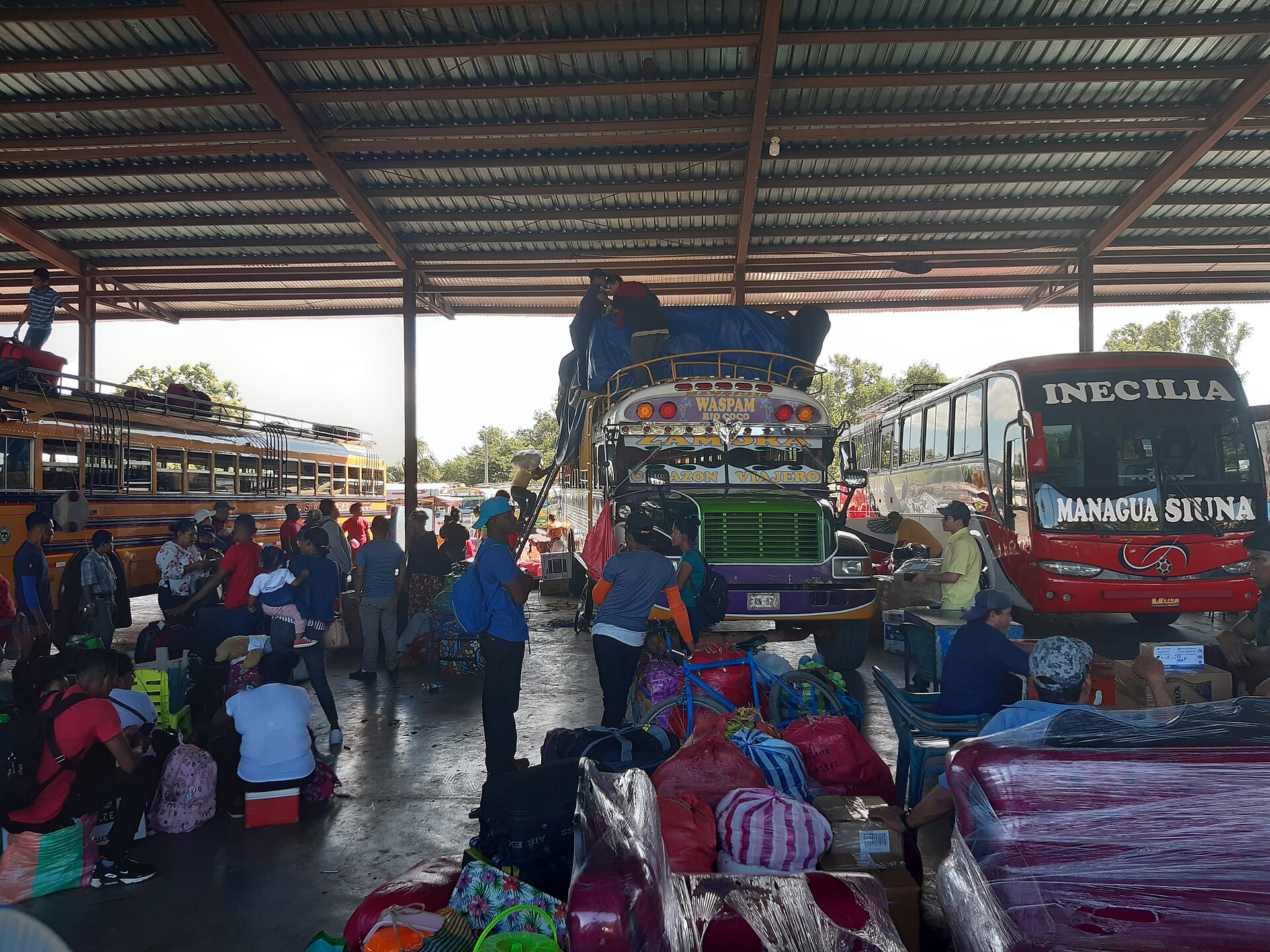
Granada, the lakeside colonial city, shows higher entries: about US$425 for a central one-bedroom and US$350 outside the centre. Those figures come from only five contributors and were last updated in March 2025.
León, the university city north-west of Managua, lists a central one-bedroom at about US$400. It rests on two contributors with a July 2025 update, so treat both cities as indicative ranges.
San Juan del Sur, the surf town on the southern Pacific coast, has no reliable public index. Rents there are usually quoted in dollars and move with the tourist season, so a long-term lease should be negotiated in person.
Imported goods, air conditioning and private healthcare push budgets up faster than local food and transport. The córdoba has been held at the same official rate throughout September 2026.
Healthcare for retirees
The State Department says comprehensive quality healthcare is available only in Managua and that clinics elsewhere lack basic resources. It counts one internationally certified hospital and says specialists are limited.
Hospital Vivian Pellas in Managua, opened in 2004, states that it holds accreditation from Joint Commission International, a US-based hospital accreditor. It also sells its own health plans.
Most hospitals require payment up front, and most US health plans do not pay abroad, according to the State Department. A retiree living in Granada or San Juan del Sur should plan for a drive to Managua for anything serious.
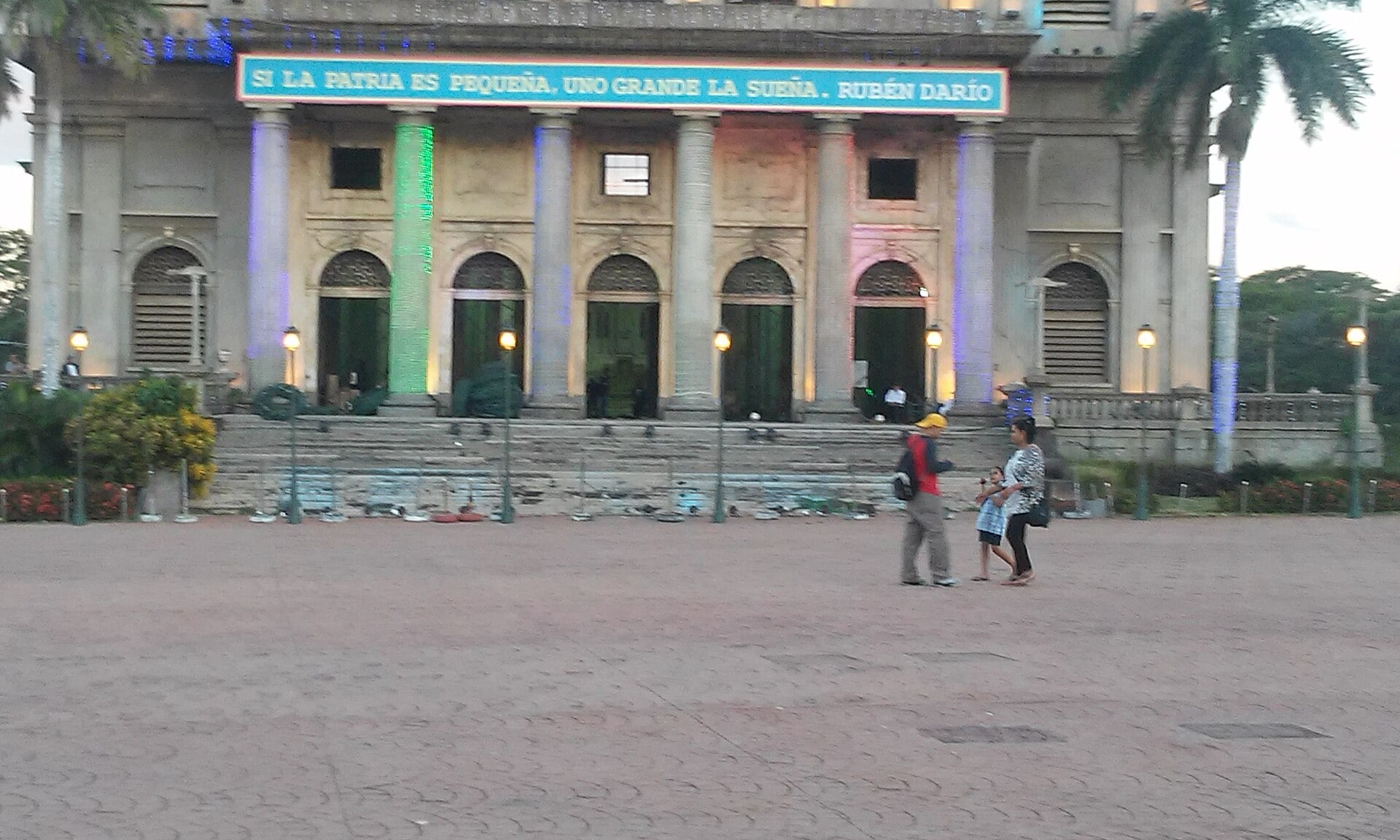
Private international health insurance that includes medical evacuation is the practical base for most retirees. Premiums rise with age, so price a policy before committing to the move.
What this means for your retirement plans
To retire in Nicaragua now is to accept a renewable one-year residence, not a permanent status, and to budget around a pension of at least US$1,200 a month. No customs allowance will soften the cost of shipping a household.
It also means living quietly under a government that monitors social media and has expelled foreigners. Keep your passport, residence card and tax papers current, and register with your own embassy.
For money, rent before you buy and keep most savings outside the country. Anyone who wants to retire in Nicaragua and own property should budget for independent legal checks on title and border distance.
For health, base the plan on private insurance and a realistic distance to Managua. Retirees who need regular specialist care may find Costa Rica or Panama easier, even at a higher monthly cost.
The rules changed twice in 2024 and again at constitutional level in 2025 and 2026. Confirm every requirement with the DGME or a Nicaraguan lawyer shortly before you file, and keep a plan for leaving.
More: Latin America coverage from The Rio Times.
Sources: National Assembly of Nicaragua on the General Tourism Law, PwC Interamericas bulletin on Law 1210 and the laws it repealed (2024), Consortium Legal on the 2024 migration reform, Law 1228, Consortium Legal on pensioner and rentista residence in Central America (January 2026), Tiffer law firm on residence for retirees and rentiers, Nica-Biz on the new filing route through the migration authority (2024), US State Department travel advisory for Nicaragua, US State Department country information for Nicaragua, UK Foreign Office travel advice for Nicaragua, Library of Congress on the 2025 constitutional reform, Freedom House, Freedom in the World 2026: Nicaragua, Tico Times on the September 2026 constitutional amendment, PwC Tax Summaries: Nicaragua personal income tax, Banco Central de Nicaragua official exchange rate, September 2026, Numbeo cost of living in Nicaragua
This article was produced by The Rio Times’ automated newsroom system. How we use AI · Report an error
Read More from The Rio Times