
GUIDES · NICARAGUA
Key Facts
- —Where it sits Nicaragua lies between Honduras to the north and Costa Rica to the south, with coasts on the Caribbean and the Pacific. Its sea neighbours include Colombia and El Salvador.
- —Who rules Co-presidents Daniel Ortega and Rosario Murillo, a married couple, as of October 2026. Ortega has held the presidency for almost two decades.
- —Biggest market The United States took 50.2 percent of Nicaragua’s exports in 2023, about US$3.7 billion, per World Bank trade data.
- —Remittances US$5.24 billion in 2024, per the central bank. 82.8 percent came from the United States and 7.5 percent from Costa Rica.
- —Regional bodies A SICA member and ALBA member since 2007. It left the OAS in 2023 and said on 3 October 2026 it was quitting the Central American Parliament.
- —US tariff path A US tariff on Nicaraguan goods outside CAFTA-DR rises from zero to 10 percent on 1 January 2027.
Nicaragua sits in the middle of the Central American isthmus, wedged between Honduras and Costa Rica, and its relations with the region are increasingly strained. For a US reader the Nicaragua neighbourhood matters for three reasons: migration, trade under CAFTA-DR and a widening split between Managua and its neighbours.
This guide sets out the borders, the rivalries, the money flows and the regional clubs Nicaragua is in or leaving.
Where Nicaragua Sits and Who Its Neighbours Are
Nicaragua covers 130,370 square kilometres, according to the ALBA-TCP alliance’s member profile. Honduras lies to the north and Costa Rica to the south.
The Pacific coast faces El Salvador across the Gulf of Fonseca, and the Caribbean coast looks towards Colombia’s island of San Andrés.
The country is run by Daniel Ortega and Rosario Murillo, who share the title of co-president. Ortega, a left-wing leader, heads the Sandinista National Liberation Front (FSLN), the ruling party.
Murillo, his wife, shares the title. Ortega says the opposition tried to topple him in 2018 with US support.
The UN says the crackdown on those protests left about 300 dead, CRHoy reported.
The neighbours range from cautious to openly critical. Honduras is led by President Nasry Asfura and Guatemala by President Bernardo Arévalo, who both joined a virtual June 2026 summit of the regional bloc.
Costa Rica, a frequent critic, has received more than 250,000 asylum requests from Nicaraguans since 2018.
Nicaragua’s foreign ministry is led jointly by Denis Moncada and Valdrack Jaentschke, who represented the country at that June 2026 summit. Jaentschke also signed the March 2025 notice taking Nicaragua out of the Central American Court of Justice, Prensa Latina reported.
Borders Settled at the World Court
Almost every Nicaraguan border has been argued in The Hague. The International Court of Justice, the main judicial organ of the United Nations, has issued a string of judgments on Nicaragua’s frontiers since 1990.
Those rulings still decide who may fish, patrol and navigate where.
- 1990 and 1992, Gulf of Fonseca: Nicaragua was allowed to intervene in an El Salvador and Honduras case to protect its rights in the shared gulf.
- 2007, Honduras: the Court gave Honduras four disputed cays and drew a single Caribbean sea boundary starting off the mouth of the River Coco.
- 2009, San Juan River: Costa Rica won free navigation for commerce, passengers and tourists, while Nicaragua kept its power of regulation.
- 2012, Colombia: the Court found that Colombia has sovereignty over the disputed maritime features and drew a single maritime boundary between the two countries.
- 2015 and 2018, Costa Rica: Nicaragua was found to have violated Costa Rican sovereignty at Isla Portillos and later paid US$378,890.59 in compensation.
- 2018, Costa Rica: the Court fixed the single maritime boundaries between the two countries in both the Caribbean and the Pacific.
- 2022, Colombia: the Court found that Colombia had violated Nicaragua’s sovereign rights and jurisdiction in Nicaragua’s exclusive economic zone.
Nicaragua brought the Honduras and Colombia cases, while Costa Rica brought the San Juan and Isla Portillos cases. A further judgment on 13 July 2023 addressed Nicaragua’s claim to continental shelf beyond 200 nautical miles from its coast.
Costa Rica, Partner and Critic
Costa Rica touches Nicaraguan daily life closely. The two share the San Juan River, the busy Peñas Blancas border post and a large Nicaraguan community south of the border.
The river is the core of the relationship. Costa Rica’s navigation rights on it date from an 1858 treaty.
The 2009 ruling confirmed its right to use the shared stretch for trade and tourism. Visitors on Costa Rican boats on the shared stretch do not need Nicaraguan visas, the Court said.
Border trade is vulnerable to politics and health rules. In May 2020 Nicaraguan truck drivers blocked freight at the border for almost three weeks over Costa Rica’s pandemic restrictions, Revista E&N reported.
Since the 2018 protests in Nicaragua, Costa Rica has also taken in large numbers of Nicaraguans who fled. Its migration directorate received 257,711 asylum requests from Nicaraguans between January 2018 and April 2025 and approved 9,501, La Prensa reported.
Decisions had been issued on only about 5 percent of applications, the paper said.
The exile presence is a recurring source of friction between the two governments. Even so, Costa Rica’s first vice-president took part alongside Nicaragua’s foreign ministers in that virtual June 2026 summit.
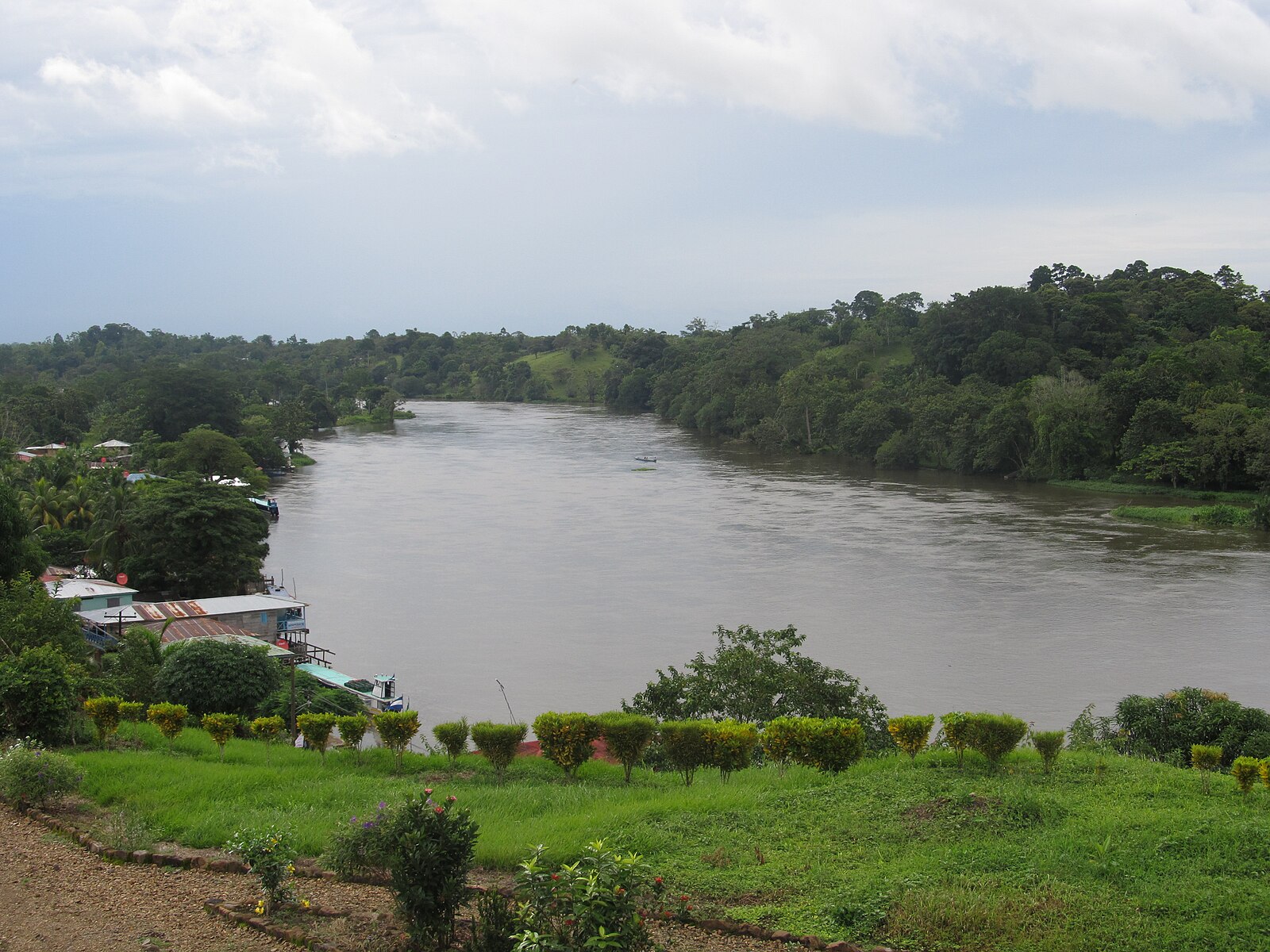
Honduras, El Salvador and the Gulf of Fonseca
Honduras is Nicaragua’s northern land neighbour and a significant trade partner. In 2023 it bought about US$368 million of Nicaraguan goods and sold Nicaragua about US$1 billion, per World Bank trade data.
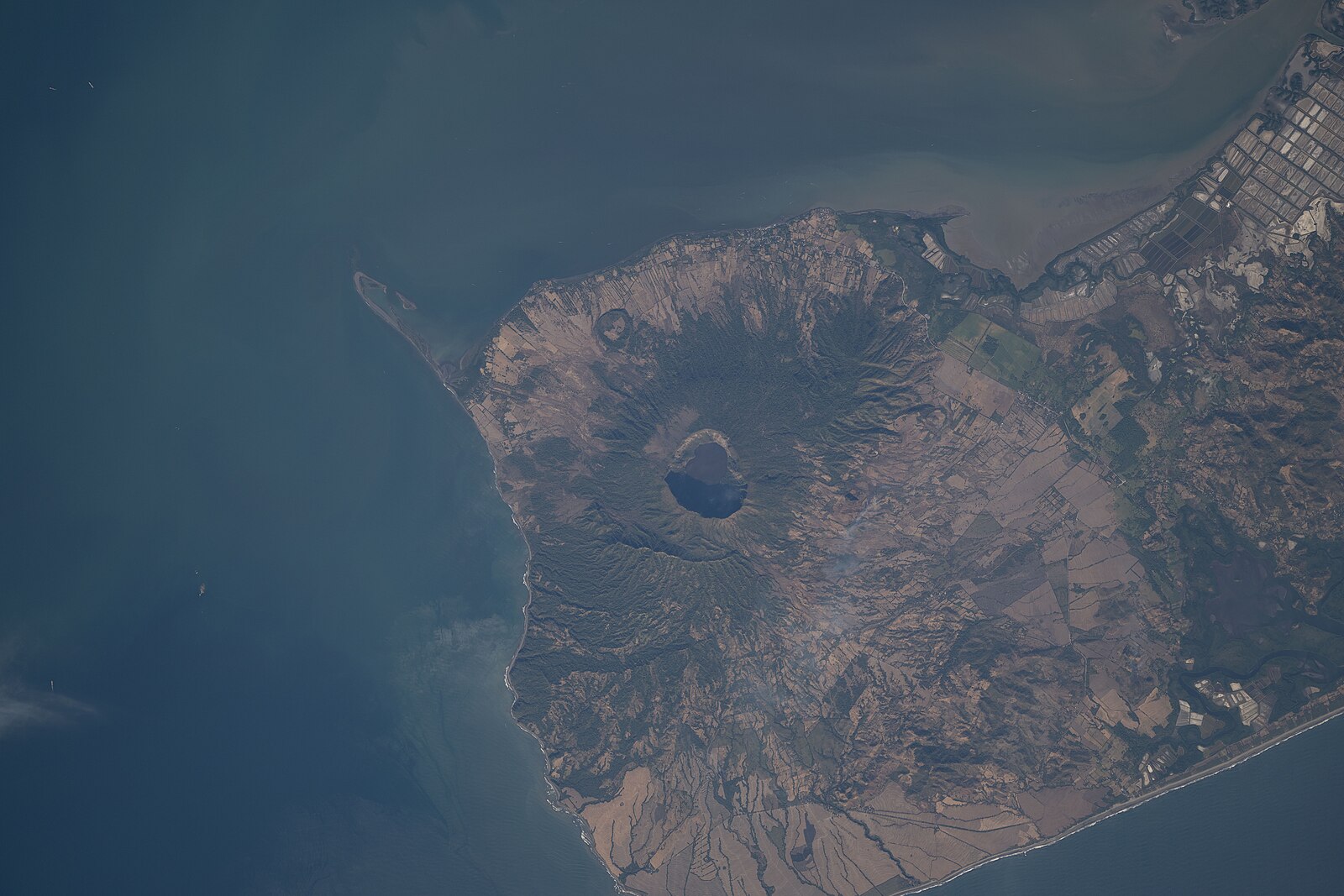
The two settled their Caribbean sea boundary at the World Court in 2007. On the Pacific side, the Gulf of Fonseca is shared by El Salvador, Honduras and Nicaragua.
A chamber of the Court noted in 1992 that the gulf was generally acknowledged to be a historic bay.
El Salvador matters more as a customer than as a rival. It was Nicaragua’s third-largest export market in 2023, taking 6.5 percent of sales, about US$482 million.
Guatemala supplied about US$852 million of Nicaragua’s imports that year.
Honduras has also stepped back from shared institutions. Under Asfura it announced in April 2026 that it was leaving the Central American Court of Justice, El Heraldo reported.
Nicaragua had already said in March 2025 that it was quitting that court.
Colombia and the Caribbean Sea
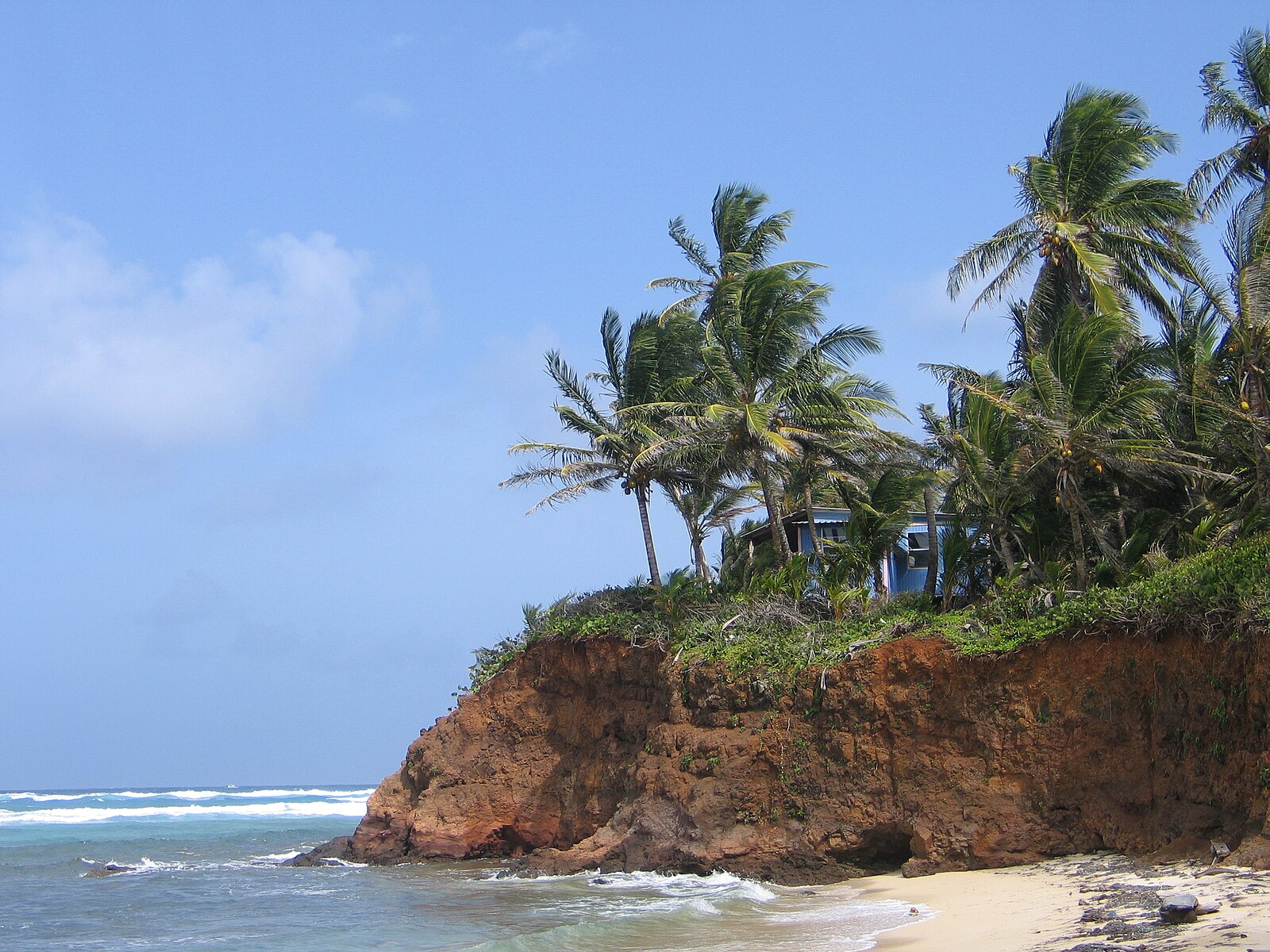
Colombia has no land border with Nicaragua, but Nicaragua has brought three cases against it at the World Court. The dispute is about the sea around Colombia’s San Andrés archipelago.
A 1928 treaty recognised Nicaragua’s sovereignty over the Mosquito Coast and the Corn Islands, and Colombia’s over San Andrés, Providencia and Santa Catalina. The 2012 judgment confirmed Colombia’s sovereignty over the disputed features and drew a single maritime boundary between the two states.
In 2022 the Court found that Colombia had violated Nicaragua’s rights in Nicaragua’s own exclusive economic zone. For fishermen from both countries, the practical question is still who patrols which waters.
Trade, the Dollar Link and Who Buys Nicaragua’s Goods
Nicaragua exported about US$7.4 billion of goods in 2023 and imported about US$10.9 billion, according to World Bank trade data. Gold in unwrought form was the largest single export, worth about US$1.1 billion.
The United States is the dominant buyer, with 50.2 percent of exports. Mexico followed with 13.7 percent, then El Salvador, Canada and Honduras.
On imports, the United States supplied 24.8 percent and China 12.6 percent, ahead of Mexico, Honduras and Guatemala.
Two trade agreements stand out. CAFTA-DR, the free trade pact between the United States, Central America and the Dominican Republic, covers trade with the United States.
A separate free trade agreement with China, signed on 31 August 2023, took effect on 1 January 2024, according to China’s commerce ministry. The córdoba stood at 36.6243 per US dollar, the official rate published by the Banco Central de Nicaragua on 22 September 2026.
Migration and Money Across the Borders
Money sent home by Nicaraguans abroad ties the country to its neighbours and to the United States. Remittances reached US$5.24 billion in 2024, up 12.5 percent on 2023, the central bank reported.
The United States sent US$4.34 billion of that, 82.8 percent of the total. Costa Rica sent US$395.7 million, Spain US$303.5 million and Panama US$56.4 million.
Managua received the largest share, followed by Matagalpa and Chinandega.
US policy has tightened. The Department of Homeland Security ended Temporary Protected Status (TPS) for Nicaragua effective 8 September 2025, its Federal Register notice says.
TPS had allowed eligible Nicaraguans to live and work in the United States without fear of removal. With asylum cases in Costa Rica slow and US protection ended, Nicaraguan migration is a shared policy question for Washington and San José.
Regional Bodies, Where Nicaragua Stays and Where It Walks Out
Nicaragua belongs to the Central American Integration System (SICA), the regional bloc for trade, security and development. For years Managua insisted on naming the secretary general.
The post stood empty for over three and a half years in two spells, Confidencial reported.
That deadlock ended on 10 June 2026, when members chose Costa Rican diplomat Lina Ajoy as secretary general for 2026 to 2030. She is the first woman and the first Costa Rican in the job, and took office on 9 August 2026.
Nicaragua left the Organization of American States (OAS), the hemispheric body based in Washington, in 2023. OAS foreign ministers nonetheless met on Nicaragua in early October 2026 and demanded elections and the release of political prisoners, EFE reported.
On Saturday 3 October 2026 Managua told the Central American Parliament (Parlacen) that it was leaving immediately. Parlacen sits in Guatemala City, and its resolutions are not binding.
Parlacen’s president, Guatemalan deputy Karla Gutiérrez, confirmed the letter and said the issue would go to the plenary. Nicaragua had pushed for China and Russia to join as observers, CRHoy reported.
Beyond the isthmus, Nicaragua sticks with its left-wing allies. It has been a member of ALBA-TCP, the left-wing alliance founded by Cuba and Venezuela in 2004, since 23 February 2007, per the alliance.
Within Central America, its recent moves have been exits rather than new initiatives.
What It Means for US Readers
Investors should note the tariff calendar. The US Trade Representative decided in December 2025 to tariff Nicaraguan goods that do not originate under CAFTA-DR. The rate is 10 percent from 1 January 2027 and 15 percent from 1 January 2028.
Firms that use Nicaragua as a regional supplier should check rules of origin now.
Travellers crossing by land from Costa Rica, for example at Peñas Blancas, should check both governments’ notices before a trip. Border rules have changed quickly before, as during the 2020 freight blockade.
Expats and families with relatives in Nicaragua should expect tighter US migration rules after TPS ended. Remittances still flow, and the official rate stood at 36.6243 córdobas per US dollar in September 2026.
Connected Coverage
Nicaragua Explained: The Ortega System, the Economy and What to Watch
Nicaragua Moves to Quit Central American Parliament
Nicaragua Costa Rica Protest Note Turns on Children in an Exiles’ Video
OAS Draft Resolution Demands Nicaragua Revoke Its 2025–2026 Constitutional Changes
NICA Act Extension to 2035: New Bill Targets Nicaragua’s Gold Sector
Is Nicaragua Safe for Expats? Crime, Politics and Daily Reality
What Is Not Known
It is not known whether Nicaragua’s exit from Parlacen will take legal effect, or when. Parlacen’s board has referred the issue to its plenary, which must still take a position.
It is unclear whether Washington will exempt any goods from the 2027 tariff increase, or how far CAFTA-DR origin rules will shield Nicaraguan exporters.
There is no current public count of former TPS holders still in the United States. Nor is there one for pending Nicaraguan asylum claims in Costa Rica.
Frequently Asked Questions
Which countries border Nicaragua?
Honduras to the north and Costa Rica to the south. At sea, Nicaragua also has boundaries with Colombia and shares the Gulf of Fonseca with El Salvador and Honduras.
Who controls the San Juan River?
Nicaragua regulates the river, but a 2009 International Court of Justice ruling confirmed Costa Rica’s right of free navigation for commerce, passengers and tourists on the shared stretch.
Is Nicaragua still in the OAS?
No. Nicaragua left the Organization of American States in 2023, although OAS foreign ministers still met on Nicaragua in early October 2026.
Is Nicaragua leaving the Central American Parliament?
Nicaragua notified Parlacen on 3 October 2026 that it was leaving immediately. Whether the exit takes legal effect is still open.
How much money do Nicaraguans abroad send home?
Remittances reached US$5.24 billion in 2024, according to the central bank. The United States supplied 82.8 percent and Costa Rica 7.5 percent.
What US tariff applies to Nicaraguan goods?
Goods not originating under CAFTA-DR face a Section 301 tariff of zero in 2026, 10 percent from 1 January 2027 and 15 percent from 1 January 2028.
Sources: International Court of Justice, Maritime Delimitation between Nicaragua and Honduras, https://www.icj-cij.org/case/120; ICJ, Navigational and Related Rights (Costa Rica v. Nicaragua), https://www.icj-cij.org/case/133; ICJ, Territorial and Maritime Dispute (Nicaragua v. Colombia), https://www.icj-cij.org/case/124; ICJ, Certain Activities Carried Out by Nicaragua in the Border Area, https://www.icj-cij.org/case/150; ICJ, Maritime Delimitation in the Caribbean Sea and the Pacific Ocean, https://www.icj-cij.org/case/157; ICJ, Alleged Violations of Sovereign Rights and Maritime Spaces in the Caribbean Sea, https://www.icj-cij.org/case/155; ICJ, Continental Shelf beyond 200 nautical miles (Nicaragua v. Colombia), https://www.icj-cij.org/case/154; ICJ, Land, Island and Maritime Frontier Dispute (El Salvador/Honduras: Nicaragua intervening), https://www.icj-cij.org/case/75; Banco Central de Nicaragua, official exchange rate, https://www.bcn.gob.ni/; Banco Central de Nicaragua, remittances report for the fourth quarter of 2024, https://www.bcn.gob.ni/sites/default/files/noticias/notas_prensa/2025/np_remesasIVtri24.pdf; World Bank WITS, Nicaragua trade summary 2023, https://wits.worldbank.org/CountryProfile/en/Country/NIC/Year/2023/Summary; Federal Register, USTR notice of Section 301 action on Nicaragua, 12 December 2025, https://www.federalregister.gov/documents/2025/12/12/2025-22690/notice-of-action-nicaraguas-acts-policies-and-practices-related-to-labor-rights-human-rights-and; Federal Register, termination of TPS for Nicaragua, 8 July 2025, https://www.federalregister.gov/documents/2025/07/08/2025-12688/termination-of-the-designation-of-nicaragua-for-temporary-protected-status; China Ministry of Commerce, China-Nicaragua FTA, https://fta.mofcom.gov.cn/topic/ennicaragua.shtml; ALBA-TCP, member countries, https://www.albatcp.org/; Confidencial, SICA elects new secretary general, https://confidencial.digital/en/policy/sica-moves-beyond-ortega-era-deadlock-and-elects-new-secretary-general/; El Heraldo (EFE), Nicaragua announces Parlacen exit, https://www.elheraldo.hn/mundo/nicaragua-anuncia-salida-parlacen-luego-oea-exigiera-elecciones-libres-DH32240030; CRHoy, Nicaragua notifies Parlacen exit, https://crhoy.com/mundo/nicaragua-notifica-su-salida-del-parlamento-centroamericano/; El Heraldo, Honduras leaves the Central American Court of Justice, https://www.elheraldo.hn/honduras/honduras-se-retira-corte-centroamericana-justicia-ahorro-mas-dolares-720-mil-dolares-anuales-OG30416594; Prensa Latina, Nicaragua leaves the Central American Court of Justice, https://www.prensa-latina.cu/2025/03/19/nicaragua-decidio-retirarse-de-corte-centroamericana-de-justicia/; La Prensa, Nicaraguan asylum requests in Costa Rica, https://www.laprensani.com/2025/07/24/nacionales/3502006-mas-de-250-mil-nicaraguenses-han-pedido-refugio-en-costa-rica-en-mas-de-siete-anos-de-crisis-sociopolitica; Revista E&N, Costa Rica and Nicaragua reopen border to freight, https://www.revistaeyn.com/lasclavesdeldia/costa-rica-y-nicaragua-restablecen-paso-fronterizo-a-transporte-de-carga-tras-DQEN1383606. All accessed 12 October 2026.
Editorial responsibility: Matthias Camenzind, Editor-in-Chief · Editorial standards · Report an error
Expat Guide to Nicaragua
What The Rio Times publishes for foreigners who live in or move to Nicaragua.
Start here
- Is Nicaragua Safe for Expats? Crime, Politics and Daily Reality
- Opening a Bank Account in Nicaragua as a Foreigner: Banks, Documents and the Limits
- Moving to Nicaragua: Visas, Costs and Daily Life Under Ortega
- Healthcare in Nicaragua for Expats: Hospitals, Insurance and the Managua Option
Understand Nicaragua