Buying Property in Nicaragua as a Foreigner 2026 — Title, Border and Cost Rules
GUIDES · NICARAGUA
Key Facts
- —What it is Direct ownership of Nicaraguan property by a foreign buyer, with no residency requirement.
- —Who it’s for Retirees, remote workers and investors looking at colonial cities or the Pacific coast.
- —What it costs A transfer withholding of 1 to 7 percent, plus notary, registry and legal fees.
- —Why it matters Ownership rights are equal, so the risk sits in title history, not nationality.
- —The catch A 2025 law declared the 15-kilometre border strip to be property of the state.
Buying property in Nicaragua as a foreigner is open on ordinary private land, and the real work is in the title history and the restricted zones.
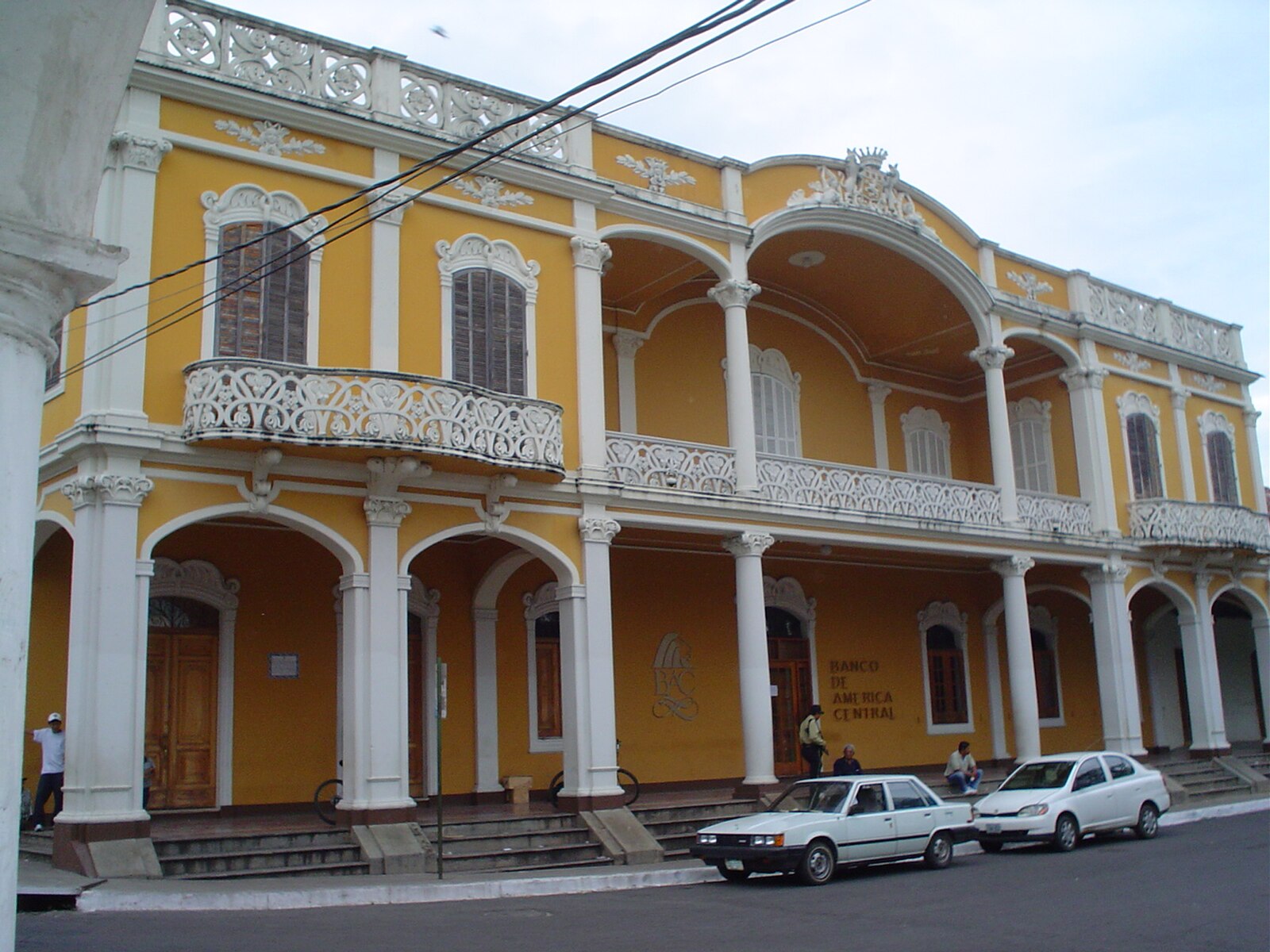
Buying property in Nicaragua as a foreigner is legal on ordinary private land, and foreign owners hold the same rights as Nicaraguans. The limits that exist are about where the land sits, not about your passport.
What Buying Property in Nicaragua as a Foreigner Actually Allows
Nicaragua does not treat foreign buyers as a separate legal class. Article 27 of the Constitution gives foreigners the same duties and rights as Nicaraguans, except political rights.
Article 40 guarantees the right to property, permits expropriation only against prior just compensation, and prohibits confiscation. Nothing in that article makes ownership depend on nationality.
A foreigner can therefore hold a house, an apartment or a plot of land in their own name. No residency permit, local partner or minimum investment is required for a standard purchase.
For a foreigner, that equality is the simplest part of buying property in Nicaragua. Everything that goes wrong in this market goes wrong over location and history.
The zones where ownership is restricted
The border zone is the largest restriction, and it changed recently. On 5 August 2025 the National Assembly approved Law 1258, the Border Territory Law.
It declares the territory within 15 kilometres of the borders to be property of the state. The law repeals the earlier border rule, Law 749, and the Assembly said the purpose is territorial integrity.
Lawyers quoted in regional coverage say the text sets out no compensation procedure for existing owners. Until that is clarified, a foreigner buying property in Nicaragua should avoid land near either border.
The coast has its own rule under Law 690 of 2009. It places the ground between the tide lines, plus 50 metres inland from the high-tide mark, in the public domain.
That strip cannot be sold and can only be used under a municipal concession. Law 690 does respect rights legally acquired before it, which is why beachfront titles need close reading.
On the Caribbean side, communal indigenous territories are not traded like ordinary private land. A sea view and a survey map are not evidence of ordinary private title.
The purchase sequence, step by step
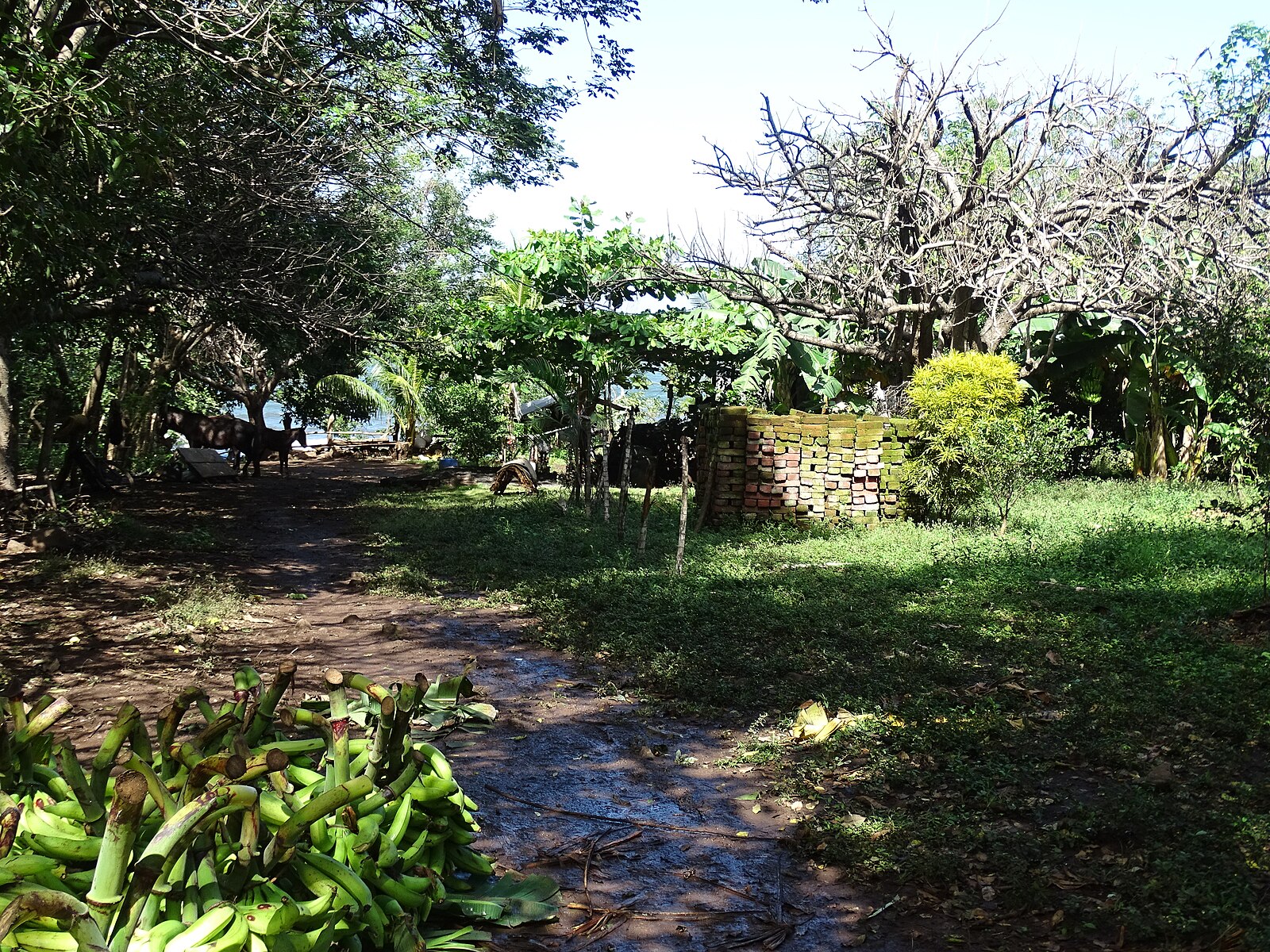
A deal normally opens with a promesa de compraventa, a written promise to buy and sell. It fixes price, deposit, deadline and the conditions that must be met before the deed.
Then comes the title study at the Registro Público, the public property registry governed by Law 698 of 2009. Your own lawyer reads the ownership chain, the liens and any pending annotation.
The sale itself is executed as an escritura pública, a public deed signed before a Nicaraguan notary. Taxes are settled, and the deed is then presented for entry in the registry.
Registration is the step that makes the purchase visible to everyone else. Lawyers in Managua describe entry taking one to three weeks, with a full transaction running one to three months.
Anyone buying property in Nicaragua as a foreigner should hold back the final payment until the deed is registered. A signed but unregistered deed is the weakest position in the sequence.
Why title history matters more here
This is where buying property in Nicaragua as a foreigner differs from the rest of Central America. The US Embassy in Managua says about 28,000 properties were confiscated between 1979 and 1990, and many remain disputed.
Laws 85 and 86 of March 1990 and Law 88 of April 1990 handed titles to occupants of state-held property. Law 209 of 1995 and Law 278 of 1997 then governed how those titles are held, challenged and compensated.
The result is a registry in which a clean-looking entry can still rest on a contested chain. The same official guidance advises extreme caution, and singles out coastal property.
So budget for a chain-of-title review that reaches back decades, not a same-week search. Ask your lawyer in writing whether the parcel was ever state-held or titled under the 1990 laws.
Transfer tax, fees and the annual property tax
A foreigner buying property in Nicaragua faces the same transaction taxes as a citizen. The main one is a final income-tax withholding on the transfer itself.
It is set by Article 87 of Law 822, the Tax Concertation Law, as reformed by Law 987 of 2019. The scale is progressive and written in US dollars.
Rates start at 1 percent up to US$50,000 and step up band by band to 7 percent above US$500,000. Between those ends the rate rises one point per band, at US$100,000, US$200,000, US$300,000 and US$400,000.
The bands are fixed in dollars, which suits a market that prices in dollars. The value used is the higher of the price in the deed and the cadastral appraisal.
The tax targets the seller’s gain, but which side actually pays it is negotiated deal by deal. Notary, legal, registry and cadastral fees sit on top and are quoted case by case.
Get every line in writing before you sign the promesa, not after. Ownership then carries an annual municipal property tax, the IBI, under Decree 3-95.
The rate is 1 percent applied to a taxable base of 80 percent of the cadastral value. Cadastral values commonly sit far below market prices, so the yearly bill is usually modest.
Municipalities collect it in instalments during the first half of the year. A foreign owner pays it exactly as a Nicaraguan owner does.
Money, mortgages and rental income
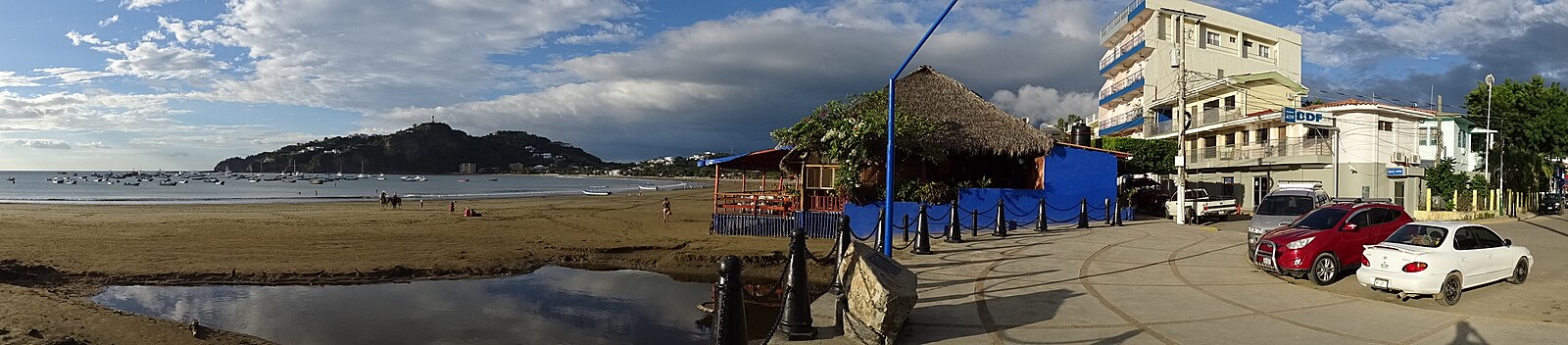
Prices are quoted and deals are settled in US dollars, although the córdoba is the national currency. That removes most currency risk from the purchase itself.
The Central Bank of Nicaragua fixed the official rate for 2026 at 36.6243 córdobas to the dollar. It set the annual crawl, the built-in slide against the dollar, at zero.
Local costs and córdoba taxes therefore move predictably. Bank mortgages for non-residents are hard to find, and most foreign buyers pay cash or agree seller financing.
No official statistic tracks that financing pattern, so read it as market practice rather than a published rule. Ask two lenders directly if a mortgage matters to your plan.
Rent is taxed as capital income, not business income, for an owner who simply lets a property. Law 822 as reformed allows a flat 20 percent deduction from gross rent, then applies 15 percent.
That works out at 12 percent of the gross rent for a straightforward letting. A foreigner buying property in Nicaragua pays that on the same terms as a local owner.
Buying creates no right to live in the country. Residence is a separate application to the immigration authority, and no purchase price changes that.
Political context and the travel advisory
The US State Department reissued its Nicaragua travel advisory on 14 May 2026 at Level 3, Reconsider Travel. It cites crime, limited healthcare, wrongful detention and arbitrary enforcement of local laws.
That last phrase is the one that matters for land. Uneven enforcement is a risk to registries and to land administration, not only to visitors.
The Constitution prohibits confiscation and requires payment before any expropriation. Law 1258 declares border land to be state property without publishing a compensation route, according to lawyers quoted in regional coverage.
None of this makes buying property in Nicaragua as a foreigner impossible. It does mean the legal work is the product you are buying, and trimming its cost is the expensive mistake.
Where foreigners buy and how Nicaragua compares
Granada and León attract buyers who want colonial city houses. San Juan del Sur, the wider Pacific coast and Ometepe draw beach, surf and retirement buyers.
Those are observations from agents and listings rather than published sales data. Nicaragua has no official transaction index a buyer could check independently.
Against its neighbours, Nicaragua is unusually open on ordinary private title and unusually heavy on historical claim risk. Costa Rica keeps its beachfront under municipal concession rather than freehold.
Honduras is stricter on paper. Article 107 of its constitution reserves land within 40 kilometres of the coasts and borders for Hondurans.
Narrow exceptions there cover urban tourism plots. The 2025 border law moves Nicaragua toward that pattern at its frontiers, while leaving the interior open.
The direction of movement across the region is toward more state control of the edges. That is a slow trend rather than a sudden event.
Connected Coverage
Nicaragua Visa and Residency 2026 — Routes, Costs and Realistic Timelines
Nicaragua Repealed Its Retiree Residence Law, Leaving One-Year Permits
Cost of Living in Nicaragua 2026: Comfortable Life on US$900–1,300
What Is Not Known
How Law 1258 will be applied to private titles already held inside the 15-kilometre border strip is not known. The approved text does not publish a compensation or transition procedure.
The number of property claims from the 1980s that remain open today is not published in a current official figure. The US Embassy describes about 28,000 confiscated properties without a running tally of unresolved cases.
No official statistics record how many foreigners are buying property in Nicaragua, or at what prices. Every price range you read for Granada or the Pacific coast comes from agents and listings.
Registry processing times, title-study costs and legal fees are not officially published anywhere. Ask for a written quote and a realistic timeline before you commit money.
Whether one specific parcel sits inside a restricted border, coastal or communal zone can only be settled case by case. No general guide, this one included, can answer that for an individual property.
Sources: Checked against the Constitution and the legislation portal of Nicaragua’s National Assembly, the text of Law 690 published by the tourism institute INTUR, the Assembly’s statement on the Border Territory Law, the International Labour Organization’s record of Law 278, the United States Embassy in Managua, and the Central Bank of Nicaragua.
- asamblea.gob.ni
- legislacion.asamblea.gob.ni
- intur.gob.ni
- noticias.asamblea.gob.ni
- ni.usembassy.gov
- ni.usembassy.gov
- natlex.ilo.org
- bcn.gob.ni
Frequently Asked Questions
Can foreigners buy property in Nicaragua?
Yes, on ordinary private land. Article 27 of the Constitution gives foreigners the same rights and duties as Nicaraguans, except political rights, and Article 40 guarantees the right to property. No residency permit, local partner or minimum investment is needed for a standard purchase.
Where can foreigners not buy property in Nicaragua?
Land within 15 kilometres of the borders was declared property of the state by Law 1258 in August 2025. The coastal strip between the tide lines plus 50 metres inland is public domain under Law 690 and can only be used under concession. Caribbean communal indigenous territories are also not traded as ordinary private land.
How much is the transfer tax when buying property in Nicaragua?
The transfer is subject to a final income-tax withholding on a progressive scale, from 1 percent up to US$50,000 to 7 percent above US$500,000. It is set by Article 87 of Law 822 as reformed by Law 987 of 2019. The value used is the higher of the deed price and the cadastral appraisal.
Does buying property in Nicaragua give you residency?
No. Buying creates no right to live in the country. Residence is a separate application to the immigration authority, and no purchase price changes that.
How is rental income from a Nicaraguan property taxed?
Rent received by an owner who simply lets a property is taxed as capital income. Law 822 as reformed allows a flat 20 percent deduction from the gross rent and then applies a 15 percent rate. That works out at 12 percent of the gross rent.
Why is title history so important in Nicaragua?
About 28,000 properties were confiscated between 1979 and 1990, and many are still disputed. Laws passed in 1990, 1995 and 1997 then governed how those titles are held and challenged, so a clean-looking registry entry can still rest on a contested chain. The US Embassy in Managua advises extreme caution, especially with coastal property.
This article was produced by The Rio Times’ automated newsroom system. How we use AI · Report an error
Read More from The Rio Times