Nicaragua Explained 2026: The Ortega System, the Economy and What to Watch
GUIDES · NICARAGUA
Key Facts
- —Capital Managua, on the southern shore of Lake Managua. An earthquake in December 1972 destroyed its old centre, and the city never fully rebuilt it.
- —Population About 7.0 million in 2025, according to the World Bank, slightly fewer than Tennessee. They live on 130,370 square kilometres, roughly the area of Greece.
- —Currency The córdoba. The central bank’s official rate was 36.6243 córdobas to the US dollar on 22 September 2026, a level held flat since 2024.
- —Language Spanish nationwide. On the Caribbean coast, Miskito, Mayangna and an English-based Creole are spoken in two autonomous regions.
- —GDP US$22.2 billion in 2025 (World Bank), about US$3,170 per person — less than a twentieth of the US level. The economy grew 4.9 percent that year.
- —Government A co-presidency of Daniel Ortega and his wife Rosario Murillo under the constitution rewritten in February 2025. Ortega has governed without a break since January 2007.
Nicaragua explained for readers in North America and Europe: a small, poor Central American country run by one couple. Its economy is doing better than its politics.
Nicaragua explained in two sentences: it is Central America’s largest country by area and one of the poorest in the Americas, ruled since 2007 by one man. It matters to outsiders for US trade and migration, and because it has drawn closer to Russia and China.
What kind of country is this?
Nicaragua lies between Honduras to the north and Costa Rica to the south, with a Pacific and a Caribbean coast. It covers 130,370 square kilometres. That is about the size of Greece, or a little smaller than New York State. Its 7.0 million people make it less populous than Tennessee.
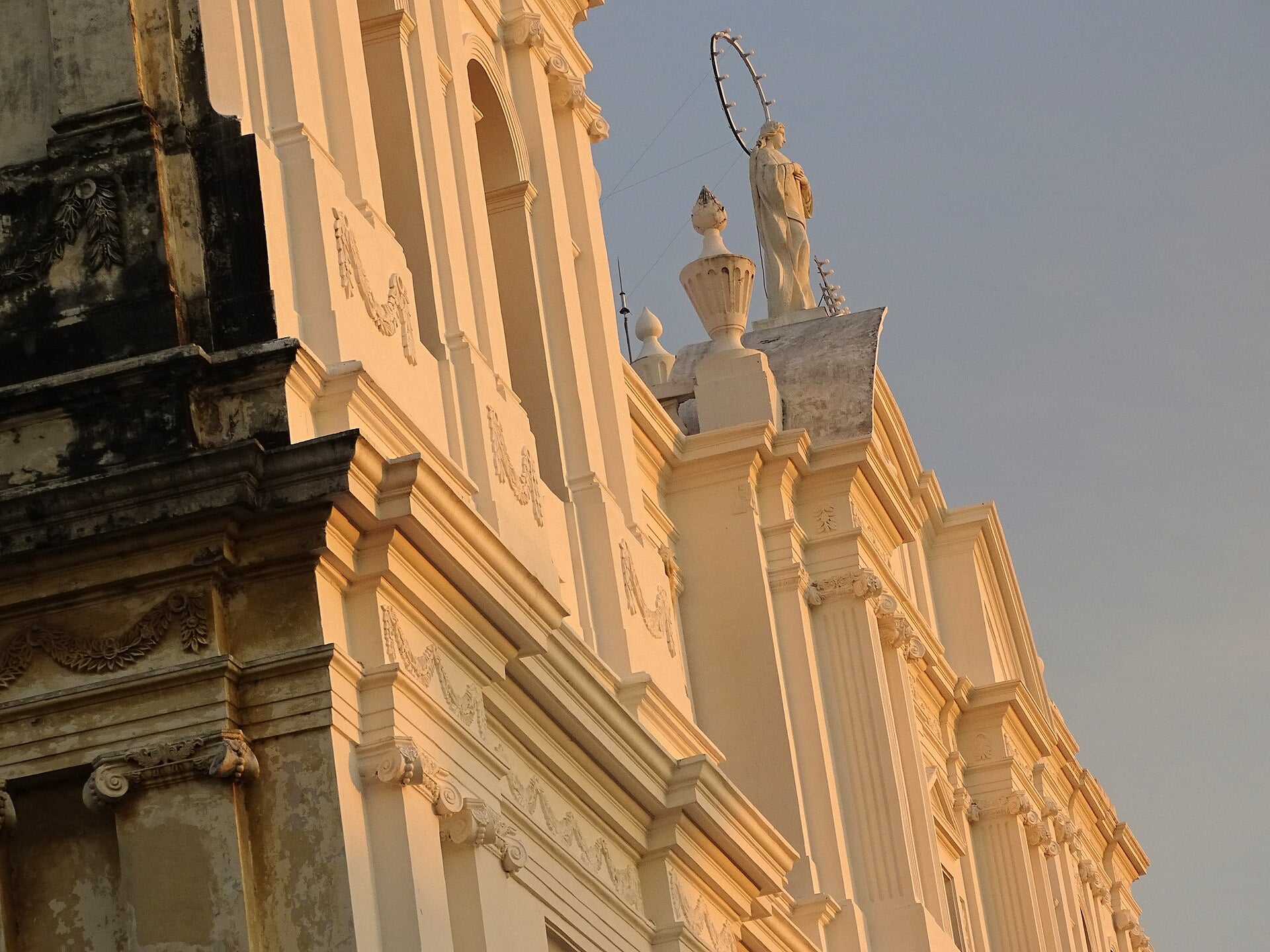
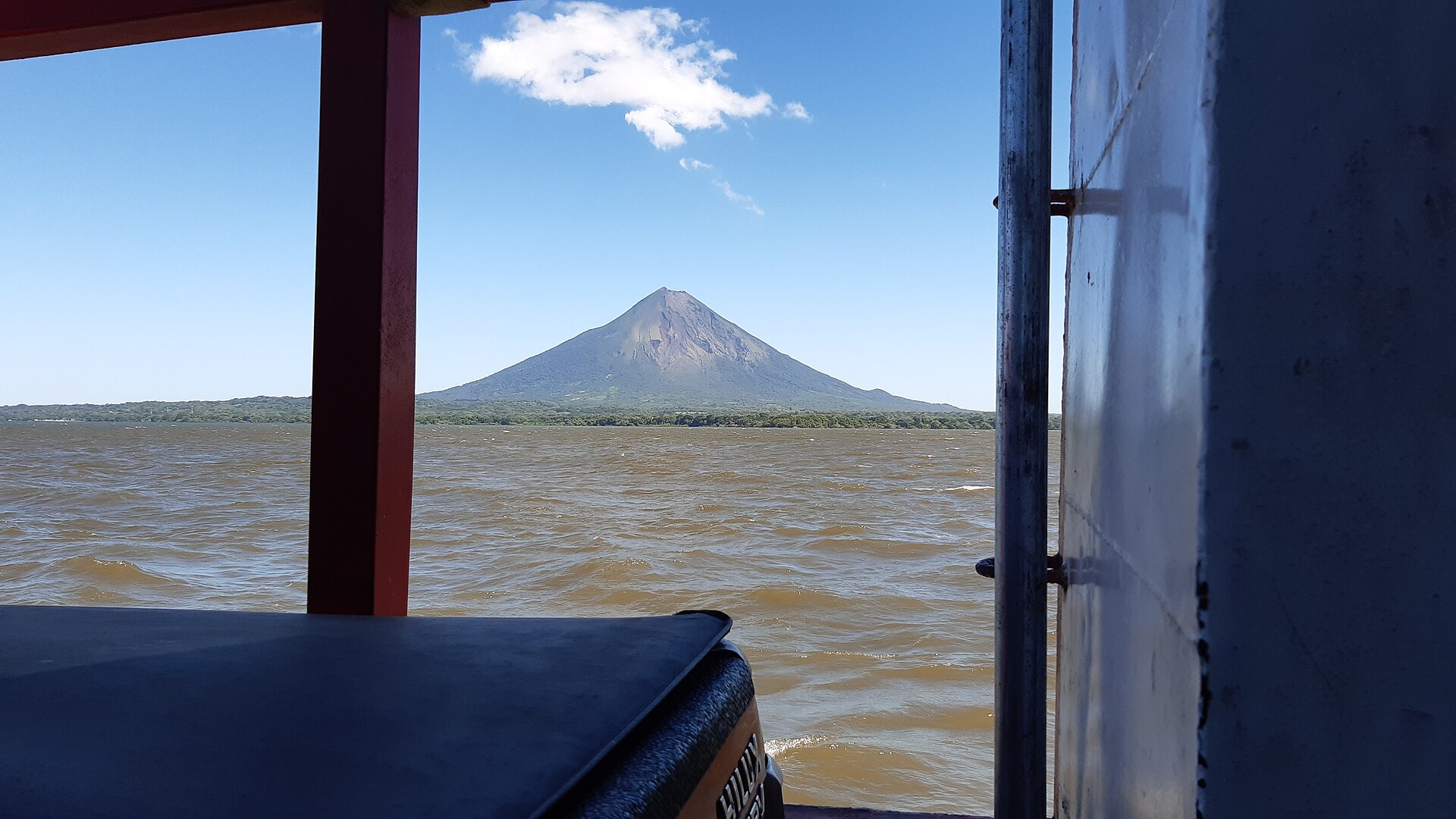
The country splits in two. Most people live on the Pacific side, in a band of volcanoes, lakes and colonial towns such as León and Granada. The Caribbean side is wetter, thinly populated and historically separate. It was a British sphere of influence for much of the colonial era. Today it forms two autonomous regions with their own languages.
Modern history explains the present. United States Marines occupied the country for most of 1912 to 1933, and the guerrilla leader Augusto César Sandino fought them. The Somoza family then ruled for over four decades. The Sandinista National Liberation Front, known by its Spanish initials FSLN, overthrew the last Somoza on 19 July 1979.
The 1980s brought war between the Sandinista government and the US-backed Contra rebels. The Sandinistas lost the 1990 election to Violeta Chamorro and handed over power. Daniel Ortega had led the revolutionary junta and then served as president from 1985 to 1990. He returned to office in January 2007. He has not left since.
Who runs Nicaragua and how
Formally, two people run Nicaragua. On 30 January 2025 the National Assembly unanimously passed a constitutional reform. It created a “co-presidency” of a male and a female co-president. It took legal effect when published in the official gazette, La Gaceta, on 18 February 2025. The two co-presidents are Daniel Ortega, aged 80, and his wife Rosario Murillo, previously vice-president.
The 2025 text did more than add a title. It lengthened the presidential term from five years to six. It also extended the terms of officials already elected, which moved the general election from November 2026 to November 2027. Reuters reported that it empowers the presidency to “coordinate” the legislative and judicial branches. It also lets the army be ordered to support the police.
The separation of powers that a US or European reader takes for granted is gone on paper as well as in practice. The National Assembly, a single chamber, is controlled by the FSLN and passes reforms without dissent. Courts, the electoral council and the police answer to the co-presidency. If Ortega dies or is permanently absent, Murillo remains in office without a new election.
The system has been built through repression as well as law. Security forces and allied groups crushed mass protests in April 2018, and more than 300 people were killed, Reuters reported. Opposition candidates were jailed before the 2021 election. According to the news agency EFE, at least 452 critics have since been stripped of their Nicaraguan nationality.
On 22 September 2026, the United Nations Group of Human Rights Experts on Nicaragua said the crackdown amounts to crimes against humanity. The experts said they had verified 161 disappearances since 2018. Nicaragua left the Organization of American States (OAS), the hemisphere’s main political body, in 2023.
How the economy works
Nicaragua’s economy is small. Output was US$22.2 billion in 2025, according to the World Bank, which is roughly one-hundredth of Brazil’s. Income per person was about US$3,170. The World Bank estimates that 13.3 percent of people lived on less than US$4.20 a day in 2025.
The biggest single source of dollars is people who left. Remittances, the money emigrants send home, reached US$5.24 billion in 2024, according to the Banco Central de Nicaragua (BCN). The World Bank puts that at 26.6 percent of output. In early 2025, 83.8 percent of the flow came from the United States and 7.5 percent from neighbouring Costa Rica.
The central bank’s 2025 annual report did not publish a full-year remittance total. The Inter-American Development Bank estimated about US$6.2 billion from data to the third quarter, near 28 percent of World Bank output, La Prensa reported. That figure is an estimate, not an official number.
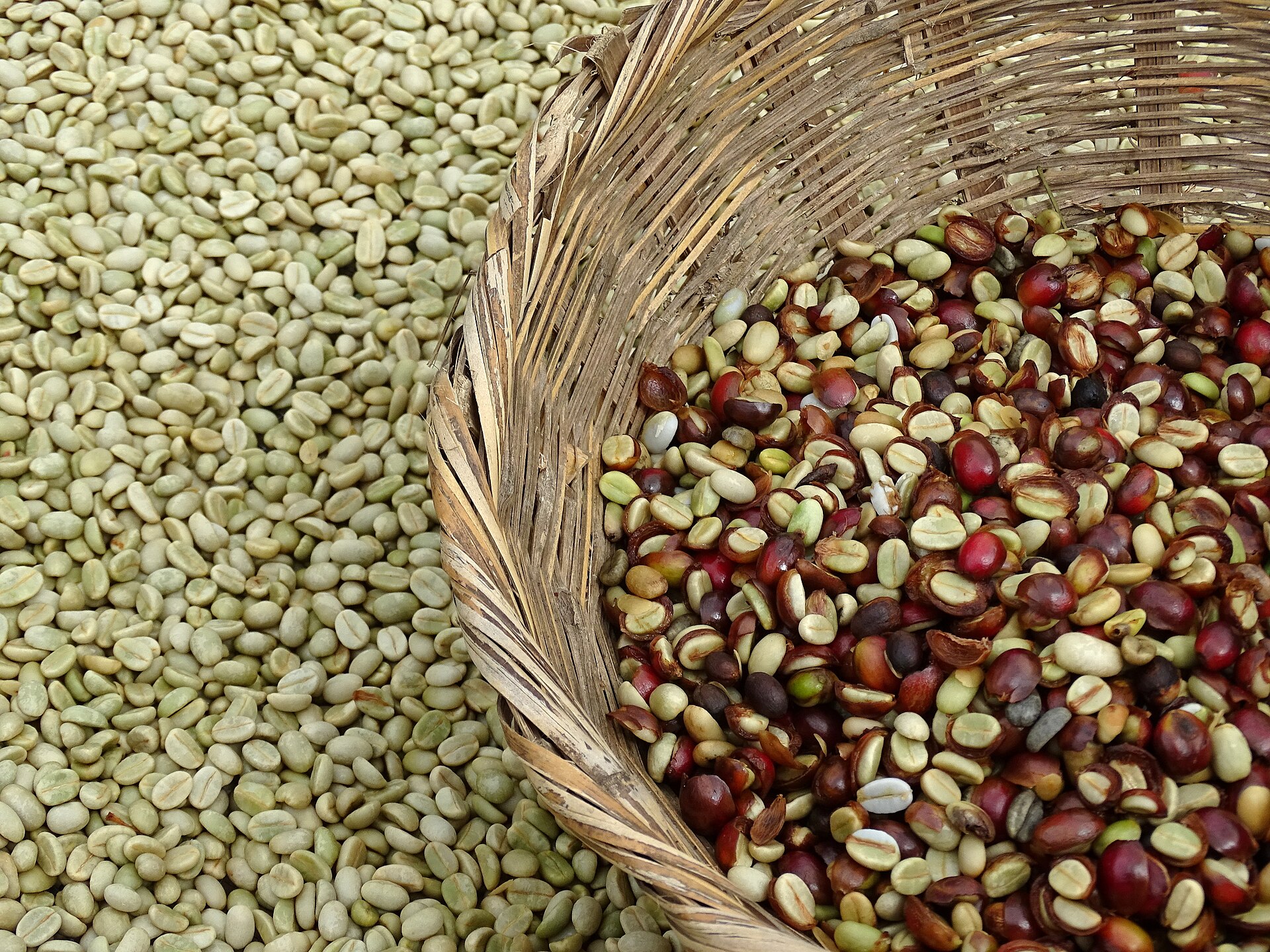
The second engine is exports. Merchandise exports rose 27.1 percent in 2025 to US$5.33 billion, the BCN says, led by gold, coffee and beef. Higher prices did most of the work: prices rose 22.5 percent and volumes 4.6 percent. Free-trade-zone factories add clothing, tobacco products and wire harnesses for cars.
The macroeconomic numbers look orderly. Inflation was 2.7 percent at the end of 2025. Public debt fell to 48.1 percent of output, and gross international reserves reached US$8.32 billion in December, the BCN reports. The International Monetary Fund (IMF) credits “twin fiscal and external surpluses” and well-capitalised banks.
The córdoba is effectively pegged. The BCN has set the córdoba’s annual depreciation against the dollar at zero since 2024. The official rate was 36.6243 to the dollar on 22 September 2026. The commercial rate reported by open.er-api.com on 26 September 2026 was 36.81. US dollars circulate widely alongside the córdoba.
What is happening right now
As of 26 September 2026, a second constitutional rewrite is under way. On 19 July 2026, the anniversary of the revolution, Ortega said Nicaragua would hold no more elections. The government later softened that line. On Tuesday 1 September, the National Assembly passed a new reform at the first of the two votes the constitution requires.
The draft stretches the term of the co-presidents and other elected officials from six years to seven. According to the Hudson Institute’s translation of the text, that moves the next general election from November 2027 to November 2028. It keeps the current co-presidents and Assembly in office until January 2029. New co-presidents would be sworn in on 18 January.
The draft also bars people the state labels “traitors to the homeland” from running for office. That label has already been applied to hundreds of exiled critics. It extends the terms of the army commander and police chiefs to seven years. It also declares that no foreign law has jurisdiction in Nicaragua. Government-organised public consultations on the text were under way in September.
Abroad, pressure is rising. On 19 August 2026 the OAS voted to convene a meeting of the hemisphere’s foreign ministers on Nicaragua. On 2 September, US Secretary of State Marco Rubio said Washington would push measures there to stop “business as usual” with Managua.
Trade is the other front. On 10 December 2025 the US Trade Representative ordered a new tariff on Nicaragua. It followed an investigation under Section 301 of the US Trade Act, which lets Washington retaliate against unfair foreign practices. It covers goods that do not qualify under CAFTA-DR, the free trade agreement linking the United States, Central America and the Dominican Republic. The rate is zero in 2026, rising in two steps.
Nicaragua has meanwhile moved closer to Moscow and Beijing. In May 2026 the Assembly authorised Chinese and Russian military personnel to enter the country for exercises and exchanges. The Center for Strategic and International Studies (CSIS), a Washington think tank, reported the decision. The same authorisation also listed US and regional forces.
What to watch
The OAS foreign ministers’ meeting is set for Friday 2 October 2026 in Washington; the OAS Permanent Council fixed the date on 23 September. Watch whether it produces coordinated sanctions or only another resolution. Brazil voted against convening it and Mexico abstained.
On Friday 1 January 2027 the US tariff on non-CAFTA-DR Nicaraguan goods rises from zero to 10 percent. It rises again to 15 percent on 1 January 2028. The US Trade Representative has said the timeline and rates may be changed if Nicaragua shows a lack of progress. It would stack on top of other US tariffs.
Monday 18 January 2027 is the date Murillo gave for the second and final Assembly vote on the seven-year reform. If it passes as drafted, the next general election falls on the first Sunday after 2 November 2028, which is 5 November. If it does not, the election stays in November 2027 under the 2025 constitution.
Three indicators matter for the economy. Remittances, which both the IMF and the World Bank expect to slow as US immigration policy tightens. Gold prices, which drove the 2025 export boom. And reserves, which keep the córdoba peg credible. For 2026 the BCN projects growth of 3.5 to 4.5 percent, the World Bank 3.4 percent and the IMF 3.8 percent.
The last indicator is succession. Ortega turns 81 on 11 November 2026. The Hudson Institute describes him as seemingly in poor health; the government publishes nothing about it. How the army, police and business elite would respond to Murillo ruling alone is the country’s central unanswered question.
What this means for foreigners
Getting in is simple on paper. US citizens buy a 90-day tourist entry stamp on arrival for US$10 in cash. Passports need six months’ validity, and travellers need an onward or return ticket. Nicaragua is part of the CA-4 agreement with Guatemala, El Salvador and Honduras, so the 90 days cover all four countries.
Staying safe is less simple. Since 14 May 2026 the US State Department has rated Nicaragua Level 3, “Reconsider travel”. It cites crime, limited healthcare, wrongful detention and the arbitrary enforcement of local laws. It warns that US citizens, including dual nationals, have faced loss of Nicaraguan citizenship, re-entry bans and expulsion.
The practical rules follow from that. Foreigners must carry a passport or residence card at all times. Anyone with Nicaraguan nationality should travel with both passports, and switching passports between trips can lead to refused entry. Public political comment, including online, draws scrutiny, according to the US government.
For business, the calculation is double-edged. The cost base is low and the macroeconomy stable. But the US tariff schedule, sanctions on officials and gold firms, and state takeovers of property all raise risk. The IMF lists “transfers of private property to the state since 2022” among the conditions the economy operates under. Nicaragua explained for an investor: cheap to enter, hard to exit.
Our guides to moving, visas and residency, taxes, property, banking, healthcare and safety cover the practical detail. Rules change with little notice, so check the latest version before acting.
Connected Coverage
Is Nicaragua Safe for Expats? Crime, Politics and Daily Reality
Opening a Bank Account in Nicaragua as a Foreigner: Banks, Documents and the Limits
Moving to Nicaragua: Visas, Costs and Daily Life Under Ortega
Healthcare in Nicaragua for Expats: Hospitals, Insurance and the Managua Option
Buying Property in Nicaragua as a Foreigner: Equal Rights, but the 15-Km Border Strip Is State Land
Taxes in Nicaragua for Foreign Residents: 180 Days to Tax Residency, 15 to 30% on Local Income
Nicaragua Repealed Its Retiree Residence Law, Leaving One-Year Permits
Nicaragua Visa and Residency 2026 — Routes, Costs and Realistic Timelines
US Trade With Central America Tops $86 Billion as Remittance Dependence Hits 26.6% in Nicaragua
Ortega and Murillo Tighten Grip as Remittances Fall 3.5% of GDP in Nicaragua
Sources: Population, output and remittance share from the World Bank; exchange rate, exports, reserves, debt and forecasts from the Banco Central de Nicaragua; outlook from the IMF; constitutional texts from La Gaceta and the National Assembly; tariffs from the US Trade Representative; travel rules from the US State Department. All accessed 26 September 2026.
- La Gaceta No. 32, 18 February 2025 — Law 1234, constitutional reform creating the co-presidency
- Reuters — Nicaragua’s Ortega expands power as reforms win final approval, 30 January 2025
- Reuters — Nicaraguan Congress passes Ortega-backed reform, 1 September 2026
- Hudson Institute — text and analysis of the September 2026 reform
- Reuters — UN experts on crimes against humanity, 22 September 2026
- World Bank — World Development Indicators, Nicaragua
- Banco Central de Nicaragua — Informe Anual 2025
- Banco Central de Nicaragua — Perspectivas Macroeconómicas 2026
- IMF — Nicaragua 2025 Article IV consultation
- US Trade Representative — Section 301 action on Nicaragua, 10 December 2025
- US State Department — Nicaragua travel advisory, 14 May 2026
What Is Not Known
Whether the seven-year reform will pass unchanged on 18 January 2027. Government-organised consultations on the text are under way, and the version put to the final vote has not been published. Until it passes, the legal election date remains November 2027.
Ortega’s health. He is 80 and the government releases no medical information. The Hudson Institute describes him as seemingly in poor health, but no verified evidence has been published.
The real size of remittances in 2025 and 2026. The central bank’s 2025 annual report did not publish a full-year total, so current figures rest on outside estimates. That matters because remittances are about a quarter of the economy.
What the OAS meeting on 2 October will produce, and whether the United States will go beyond the scheduled tariffs. Washington has said it wants to end “business as usual” with Managua, but has not said what that means in practice.
How a transfer of power to Murillo alone would be received by the army, the police and business owners. The new reform tries to lock in their loyalty with longer terms. Whether that works has not been tested.
Frequently Asked Questions
Who is the president of Nicaragua in 2026?
Nicaragua has two co-presidents: Daniel Ortega and his wife Rosario Murillo. The co-presidency was created by a constitutional reform approved on 30 January 2025 and in force since 18 February 2025. Ortega has governed without a break since January 2007.
When is Nicaragua’s next election?
Under the 2025 constitution it is due in November 2027. A second reform, passed at a first vote on 1 September 2026, would move it to November 2028 and lengthen terms to seven years. The final vote is set for 18 January 2027.
What currency does Nicaragua use?
The córdoba. The central bank has held it flat against the dollar since 2024, at an official 36.6243 córdobas to the US dollar on 22 September 2026. US dollars circulate widely alongside it.
Do Americans need a visa for Nicaragua?
No advance visa is needed for tourism. US citizens buy a 90-day entry stamp on arrival for US$10 in cash and need a passport valid for six months. The US State Department rates Nicaragua Level 3, “Reconsider travel”.
How important are remittances to Nicaragua?
Very. The central bank recorded US$5.24 billion in 2024, which the World Bank puts at 26.6 percent of output. Most of that money comes from Nicaraguans working in the United States.
Is the United States putting tariffs on Nicaragua?
Yes, in stages. After a Section 301 investigation, goods that do not qualify under the CAFTA-DR trade agreement face a tariff of zero in 2026, 10 percent from 1 January 2027 and 15 percent from 1 January 2028.
This article was produced by The Rio Times’ automated newsroom system. How we use AI · Report an error
Read More from The Rio Times