Puerto Rico Explained 2026, a U.S. Territory Guide
PUERTO RICO · EXPLAINER
Key Facts
- —What it is An organized, unincorporated U.S. territory in the northeastern Caribbean, neither a state nor an independent country.
- —Why it matters Puerto Rico combines U.S. citizenship, the dollar, and federal law with a distinct Spanish-speaking Caribbean society and a locally elected government.
- —The numbers An estimated 3,184,835 residents on July 1, 2025, according to the Puerto Rico Statistics Institute, with deaths exceeding births since 2016.
- —The catch Residents cannot vote in U.S. presidential elections while living on the island, and Congress retains decisive authority over trade, bankruptcy, immigration, and federal taxation.
- —What it means for you A newcomer enters a U.S.-dollar economy with familiar legal protections but must plan for Spanish, car dependence, and uneven power and infrastructure.
Puerto Rico explained: it is a U.S. territory of about 3.18 million people in 2025, where U.S. citizenship and the dollar meet a Spanish-speaking Caribbean society. For a foreigner, investor, or expat, it offers American legal familiarity with a distinct culture, tax incentives, and serious infrastructure challenges.
Puerto Rico sits in the northeastern Caribbean, east of Hispaniola and west of the U.S. Virgin Islands. This guide explains its geography, people, political system, economy, daily life, and what to watch in 2026.
What Puerto Rico Is
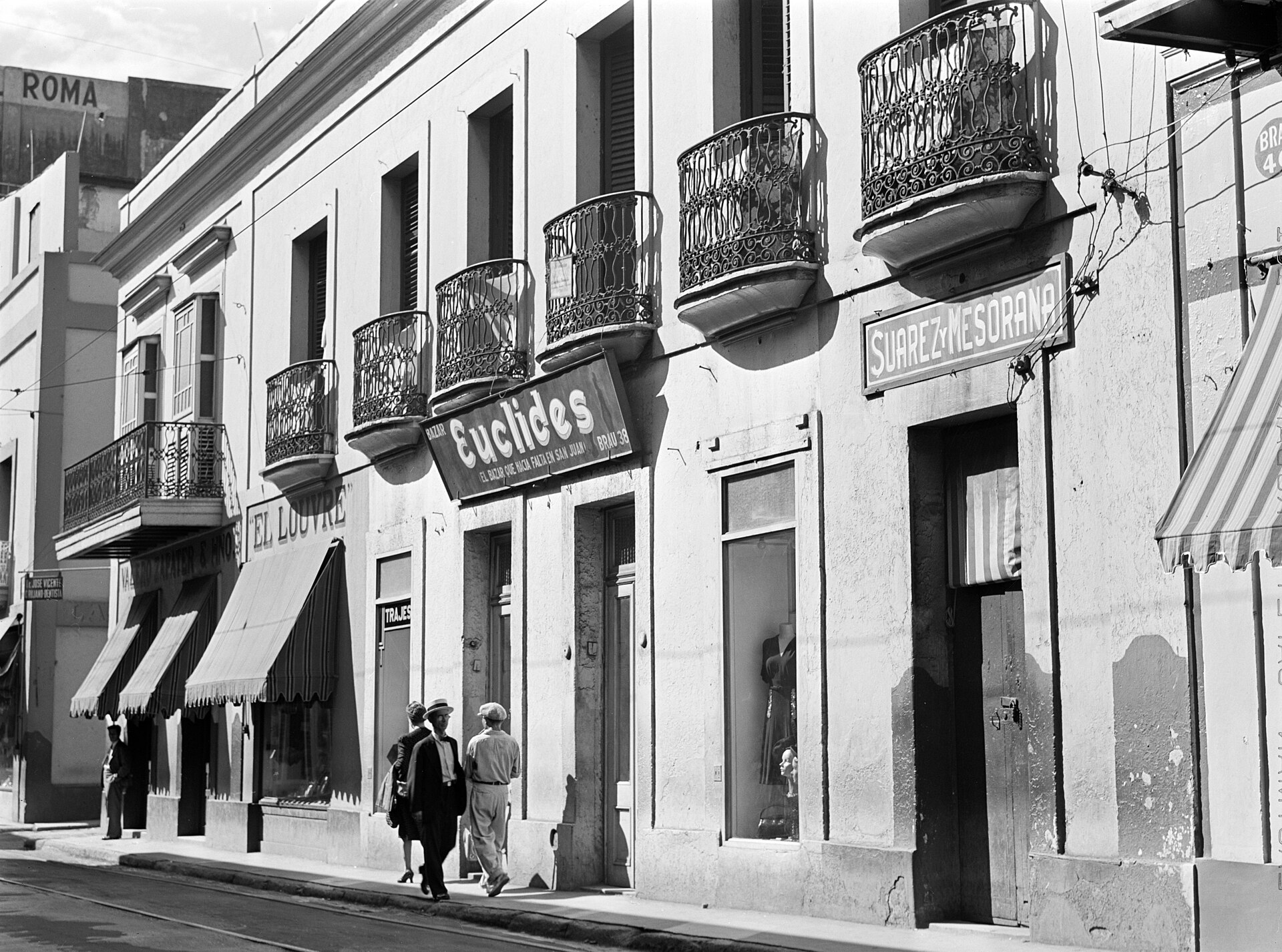
Puerto Rico is an organized, unincorporated U.S. territory. Its official name is the Commonwealth of Puerto Rico, or Estado Libre Asociado de Puerto Rico in Spanish. The capital is San Juan, and the island is divided into 78 municipalities.
The territory uses the U.S. dollar as its currency. Spanish and English are both official languages, but Spanish dominates daily life, local government, schools, and neighbourhoods. English is common in tourism, business, and professional settings, especially in San Juan.
Puerto Rico is not a U.S. state and not an independent country. It has its own constitution, adopted in 1952, and a locally elected government. Yet Congress and the federal government retain decisive authority over citizenship, trade, currency, federal taxation, bankruptcy, immigration, and many areas of regulation. This hybrid status shapes nearly every aspect of life and investment on the island.
Geography and Environment
Puerto Rico is the easternmost and smallest of the Greater Antilles. The main island lies east of Hispaniola and west of the U.S. Virgin Islands. Its territory also includes the inhabited islands of Vieques and Culebra, along with numerous uninhabited islets and cays.
The island is compact but environmentally varied. The Cordillera Central crosses the interior. The north coast faces the Atlantic Ocean and holds major urban and industrial areas. The south coast is generally drier. El Yunque, in the northeast, is the best-known tropical rainforest. Coastal plains, karst formations, mangroves, dry forests, and coral ecosystems shape settlement, tourism, and environmental policy.
Puerto Rico is exposed to hurricanes, flooding, droughts, earthquakes, and landslides. Hurricane preparedness is part of normal life.
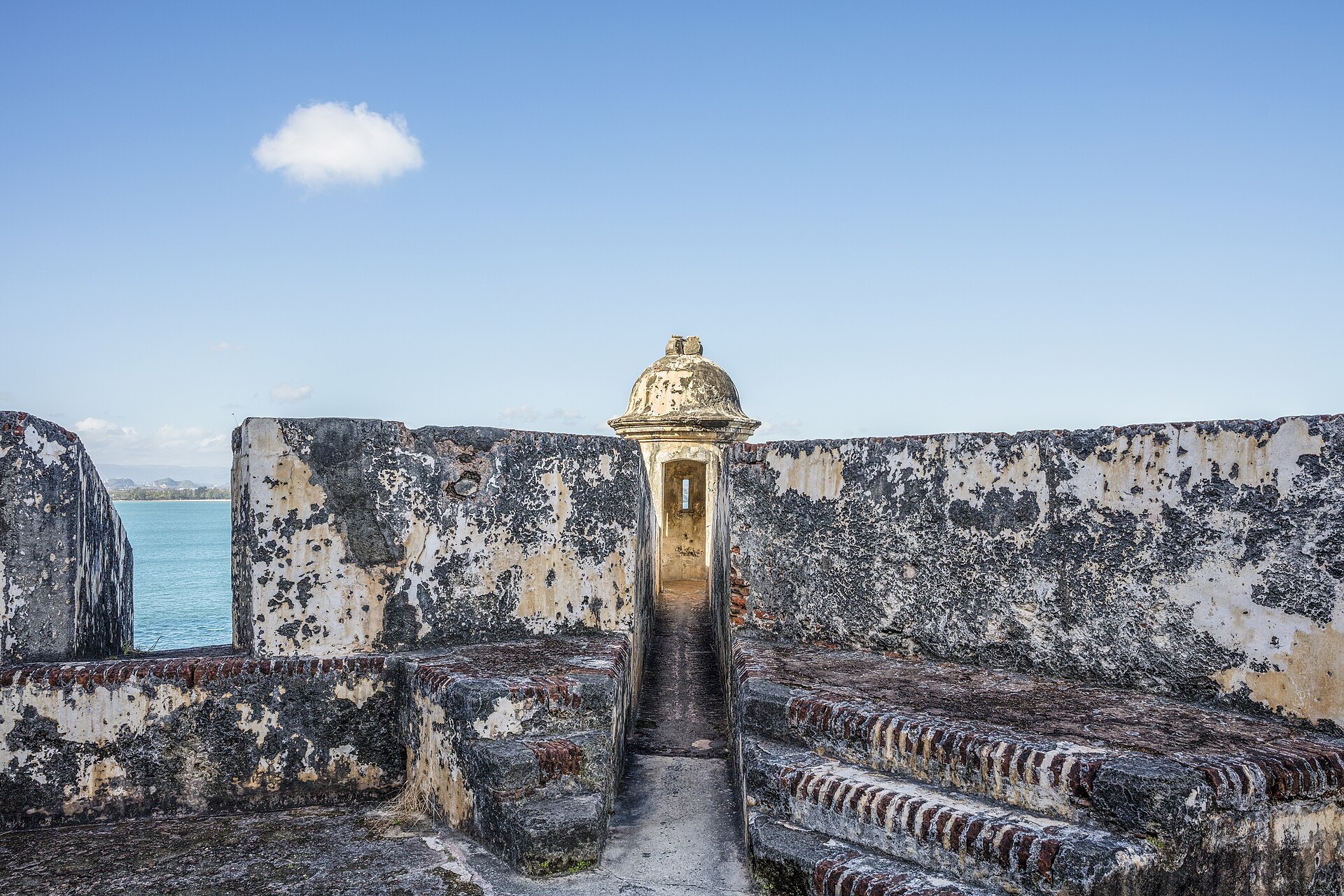
For newcomers, geography has practical consequences. Travel between regions can take longer than the island’s size suggests. Public transport outside the San Juan metropolitan area is limited. Water and electricity reliability vary by location. A car is generally necessary outside central San Juan.
Who Lives in Puerto Rico
Puerto Ricans are U.S. citizens by birth. But residents of the island generally cannot vote in presidential elections while living there. They elect a governor, legislature, mayors, and a nonvoting Resident Commissioner to the U.S. House of Representatives.
The population is overwhelmingly Spanish-speaking and culturally Caribbean, with strong family, municipal, and regional identities. Puerto Rican society reflects Indigenous Taíno heritage, African ancestry, Spanish colonial history, later migration from other Caribbean and Latin American countries, and extensive ties to the mainland United States.
The demographic direction is one of the island’s defining realities. The Puerto Rico Statistics Institute estimated 3,184,835 residents on July 1, 2025. Births fell by approximately 70 percent between 2000 and 2025, from 59,460 in 2000 to 18,003 in 2025. Deaths have exceeded births since 2016. The aging index rose from 168 in 2020 to 237 in 2025, meaning about 237 people aged 65 or older for every 100 people under 15.
These figures affect the labour market, health care, pensions, schools, housing demand, and the availability of workers. The island also has a large diaspora. Millions of people of Puerto Rican origin live in the mainland United States, especially in Florida, New York, Pennsylvania, New Jersey, Massachusetts, and Connecticut. Migration runs in both directions, with families, retirees, remote workers, students, and professionals maintaining homes and financial relationships across Puerto Rico and the mainland.
Political System and Constitutional Status
Puerto Rico has its own constitution and a locally elected government with three branches. The executive is led by the governor and executive departments. The legislative branch consists of a Senate and House of Representatives. The judicial branch includes the Supreme Court and lower courts.
Governor Jenniffer A. González-Colón won the November 2024 election and is governor in October 2026. Before becoming governor, she served as Puerto Rico’s Resident Commissioner in Congress. The governor is the head of the territorial government.
Puerto Rico’s political system is unusual because local institutions coexist with extensive federal control. Congress can legislate for the territory under the Territorial Clause of the U.S. Constitution. Puerto Rico has no voting members of the U.S. Senate and no voting representative in the House. Its Resident Commissioner may vote in committees and introduce legislation but cannot cast a final House vote.
The federal relationship affects immigration and customs, currency and monetary policy, interstate and international commerce, federal criminal and civil law, social programmes, disaster aid, environmental and labour regulation, bankruptcy and public-debt restructuring, and tax treatment and incentives.
Puerto Rico’s fiscal crisis led Congress to enact the Puerto Rico Oversight, Management, and Economic Stability Act, commonly known as PROMESA, in 2016. The law created the federally appointed Financial Oversight and Management Board, which supervises fiscal plans and budgets while the island restructures public debt. This means Puerto Rico has democratic self-government, but not the same degree of legislative and fiscal autonomy as a state or sovereign country.
The Economy in 2026
Puerto Rico’s economy is a hybrid. It combines pharmaceutical and medical-device manufacturing, chemicals and advanced manufacturing, tourism and hospitality, financial and professional services, government activity, retail and logistics, construction and federally funded reconstruction, agriculture, food production and fisheries, and a substantial flow of federal transfers and contracts.
Manufacturing is particularly important relative to the island’s size. Puerto Rico hosts operations of multinational pharmaceutical, biotechnology, medical-device, and chemical companies. The sector benefits from Puerto Rico’s U.S. legal and regulatory framework, skilled workers, tax incentives, and proximity to U.S. markets, although it also faces high energy, transport, and labour costs.
The Planning Board’s September 2026 assessment said the economy was expected to grow only modestly in 2026 and 2027, driven substantially by reconstruction, tourism, and the relocation of operations to the island, often described as reshoring. The General Fund budget for fiscal year 2026–27 totals US$13.174 billion, according to the government’s fiscal agency, AAFAF.
| Economic advantage | Economic constraint |
|---|---|
| Access to the U.S. market | High electricity costs and an unreliable power system |
| U.S. dollar and U.S. banking system | Limited domestic market size |
| U.S. citizenship for residents | High shipping and logistics costs |
| Established pharmaceutical and medical-device clusters | Public debt and fiscal oversight |
| Federal reconstruction spending and tourism assets | Population decline and labour shortages |
Energy and Infrastructure
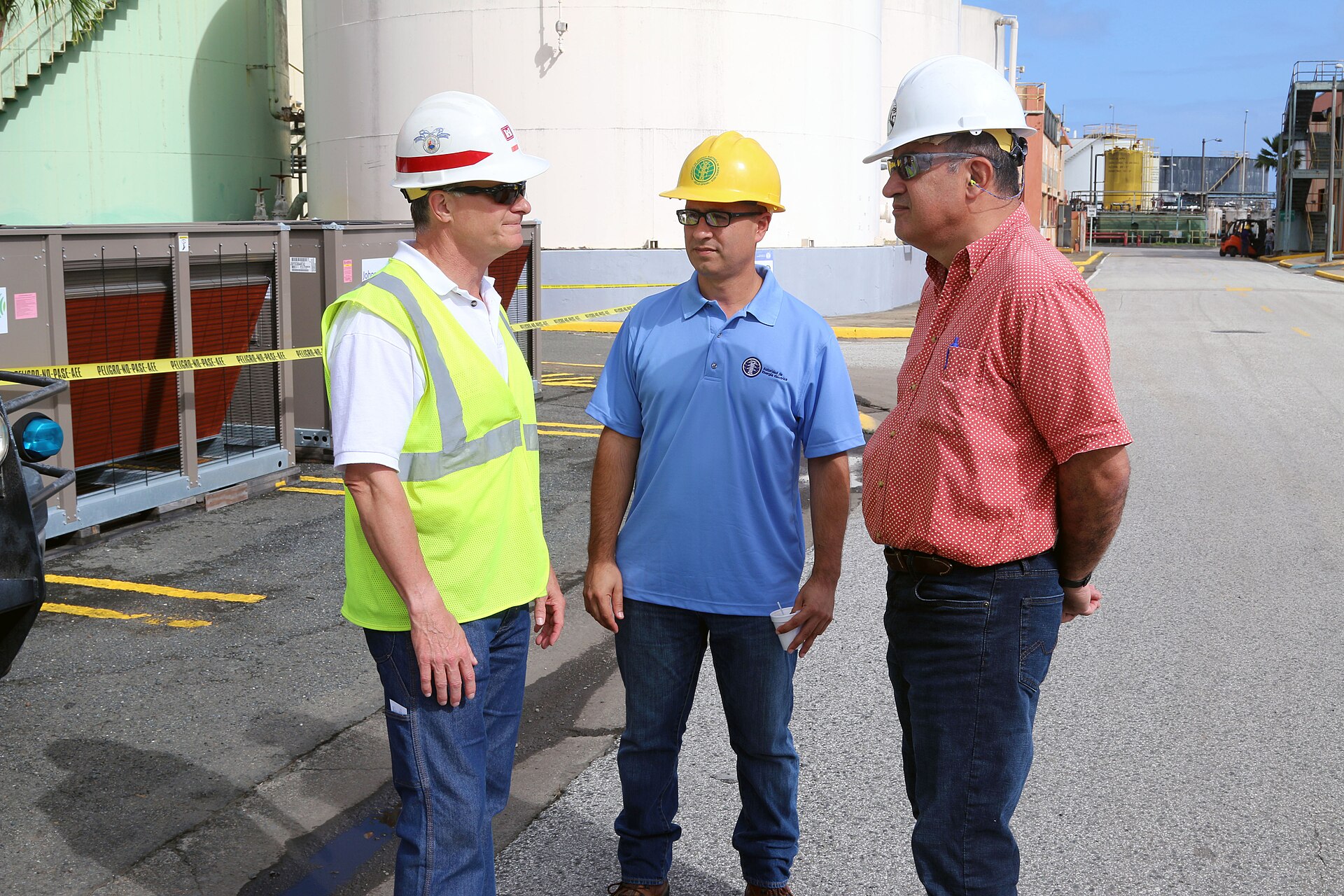
Puerto Rico’s electrical system remains one of the island’s largest economic and political challenges. The system was severely damaged by Hurricane Maria in 2017 and continues to undergo reconstruction and restructuring. The Puerto Rico Energy Bureau regulates the electric sector.
In 2026, the government reported construction of peakers, or fast-start generation projects, battery energy-storage projects at Costa Sur and Cambalache, and a 52-megawatt battery energy-storage system under construction at the Cambalache power plant. An islandwide storage initiative was described as totalling 430 MW. Approval was given for units 3 and 4 at Palo Seco to convert to natural gas as their primary fuel.
The Public-Private Partnerships Authority identifies Josué A. Colón Ortiz as the governor’s Energy Czar and executive director of the authority. For residents and businesses, the practical issue is reliability. Power interruptions, voltage problems, and high bills remain part of the operating environment. Investors must evaluate backup generation, storage, insurance, building standards, and site-specific grid conditions rather than treating Puerto Rico as a single infrastructure market.
Daily Life for Newcomers
Language and communication
Spanish is the default language in neighbourhoods, shops, schools, local government, and social life. English is widely understood in tourism, business, higher education, and many professional settings, particularly in San Juan and among people with mainland experience. A newcomer can function in English in many formal and commercial contexts, but Spanish is essential for deeper integration and for dealing with local contractors, municipalities, landlords, small businesses, and service providers.
Time, currency, and banking
Puerto Rico uses the U.S. dollar and follows Atlantic Standard Time year-round. It does not observe daylight-saving time, so its relationship with New York, Miami, and other U.S. cities changes seasonally. U.S. mobile-phone plans often work on the island, but coverage varies by carrier and geography. Banking, credit cards, checks, and federal identification generally operate within the U.S. system, although local documentation, tax forms, and administrative procedures can differ.
Transportation and housing
Most residents rely on cars. San Juan has the island’s most developed public transport, including buses, the Tren Urbano, and taxis or app-based services, but coverage is limited outside the metropolitan area. Traffic congestion is significant in metropolitan San Juan, road quality differs by municipality, and rural travel can be slow because of mountainous terrain.
Housing markets differ sharply. San Juan and nearby municipalities have the deepest professional, rental, and international markets. Coastal areas can command premiums because of tourism and second-home demand. Interior municipalities are often less expensive but may have fewer services and less reliable transport. Vieques and Culebra have distinctive housing constraints and higher logistical costs. Renters and buyers should verify title, zoning, flood exposure, insurance, hurricane resistance, backup power, water supply, and internet service. Short-term-rental rules can differ by municipality and may change.
Healthcare
Puerto Rico operates within the U.S. healthcare framework but has lower average incomes, fewer specialists in some areas, and significant dependence on public and federally supported programmes. San Juan has the broadest concentration of hospitals and specialists. Rural residents may need to travel for advanced care. Private health insurance, employer coverage, and Medicare are common considerations for expatriates and investors hiring locally. U.S. citizens moving from the mainland should not assume that every mainland plan, provider network, or prescription arrangement transfers automatically.
What to Watch
Several issues will shape Puerto Rico’s trajectory. The first is energy reliability. The success of battery storage, natural-gas conversion, and grid reconstruction will determine whether businesses and households can count on stable power. The second is demographic decline. A shrinking and aging population will pressure the labour market, health care, and public finances for years.
The third is federal policy. Decisions made in Washington on tax incentives, disaster aid, Medicare, and the oversight board will ripple through the island’s economy. The fourth is the status question. Puerto Rico’s relationship with the United States remains contested, with statehood, independence, and the current commonwealth arrangement all having supporters. Any change would require action by Congress and would reshape the island’s legal and economic framework.
For a foreigner or investor, the practical watchlist is simpler: electricity costs and reliability, the pace of reconstruction spending, the availability of skilled workers, and the rules governing tax incentives and short-term rentals. These factors, more than any single headline, will determine the experience of living or doing business in Puerto Rico.
Related reading: More from Puerto Rico, the natural gas dispute and power bills, the grid operator’s load-shedding figures and US$71 million in FEMA repair funds.
Frequently Asked Questions
Is Puerto Rico a U.S. state?
No. Puerto Rico is an organized, unincorporated U.S. territory. It has its own constitution and elected government, but Congress retains authority over trade, bankruptcy, immigration, and federal taxation.
Can Puerto Ricans vote in U.S. presidential elections?
Puerto Ricans are U.S. citizens by birth, but residents of the island generally cannot vote in presidential elections while living there. They can vote if they move to a U.S. state.
What currency does Puerto Rico use?
Puerto Rico uses the U.S. dollar. Banking, credit cards, and federal identification generally operate within the U.S. system.
What languages are spoken in Puerto Rico?
Spanish and English are both official languages. Spanish dominates daily life, while English is common in tourism, business, and professional settings, especially in San Juan.
Who is the governor of Puerto Rico in 2026?
Jenniffer A. González-Colón won the November 2024 election and is governor in October 2026. Before becoming governor, she served as Puerto Rico’s Resident Commissioner in Congress.
Do I need a car to live in Puerto Rico?
Most residents rely on cars. Public transport is most developed in San Juan, but coverage is limited outside the metropolitan area, and a car is generally necessary outside central San Juan.
What is PROMESA?
PROMESA is the Puerto Rico Oversight, Management, and Economic Stability Act, enacted by Congress in 2016. It created the federally appointed Financial Oversight and Management Board to supervise fiscal plans and budgets while the island restructures public debt.
Sources: estadisticas.pr.gov, jp.pr.gov, jp.pr.gov, jp.pr.gov, docs.pr.gov, puertoricobonds.pr.gov. Retrieved 2 October 2026.
This article was produced by The Rio Times’ automated newsroom system. How we use AI · Report an error · Editorial responsibility: Matthias Camenzind, Editor-in-Chief
Read More from The Rio Times