
PUERTO RICO · NATURAL RESOURCES
Key Facts
- What is happening Puerto Rico produces no oil, gas or metals but quarries stone, makes cement and salt, farms 494,481 cuerdas and imports its fuel, while a 2026 drought tests its water supply.
- Why it matters The island of about 3.3 million Americans lives on imported fuel and rainfall, so fuel contracts, reservoirs and farm output shape power bills, water supply and local food.
- The numbers Forests cover 52.7% of the land (2019), farms hold 21.9% (2022), farm sales reached US$703 million (2022), and coal supplied 17.0% of utility-scale electricity in 2025.
- Who is who AES Puerto Rico sells power from the Guayama coal plant, Genera PR operates the state’s 12 power plants, LUMA runs the grid, and the US Forest Service manages El Yunque.
- What to watch Watch the rainfall outlook for October to December 2026, the replacement of coal power before the 31 December 2032 deadline, and US Department of Agriculture drought aid for farms.
- What it means for you Visitors should expect limits at El Yunque and check water notices during the drought, while investors in fuel, power or farms should read the 2025 energy law first.
Puerto Rico has little to dig but plenty to grow. Its biggest resource questions are imported fuel, scarce water and shrinking farms.
Puerto Rico resources are mainly stone, salt, farmland, water, forest and fish, because the island has no oil or gas production. This guide explains what the island has, who takes it out, who earns from it and what it costs the environment.
More background sits on the Rio Times Puerto Rico page and in Puerto Rico Explained for Americans. For the money side, read Puerto Rico economy key players.
Puerto Rico Resources at a Glance
The US Geological Survey, the federal science agency, lists four mined products: crushed stone, sand and gravel, portland cement and solar salt. The US Energy Information Administration (EIA), the federal energy statistics agency, reports generation by fuel but no island oil or gas output.
- Minerals: 4,570 thousand metric tons of crushed stone in 2019, worth US$51.4 million.
- Oil and gas: none produced; 96.9% of 2025 power came from burned fuels.
- Farmland: 7,602 farms on 494,481 cuerdas in 2022, with US$703 million in sales.
- Water: extreme drought on the southern plains on 24 September 2026.
- Forests: 467,320 hectares, 52.7% of the land, in 2019.
- Fisheries: 598,704 pounds of spiny lobster landed in 2024, preliminary data.
Figures carry their dates because each agency publishes on its own schedule. The newest data are the September 2026 drought statement and the 2022 farm census.
Minerals, Stone and Salt
The latest USGS table, for 2019, shows 4,570 thousand metric tons of crushed stone worth US$51.4 million. The 2018 figure was 5,070 thousand tons worth US$54.5 million.
Portland cement, the binder in concrete, came to 510 thousand metric tons in 2019, down from 630 thousand in 2018. USGS withheld the value to protect company data.
Solar salt, made by letting seawater evaporate in shallow ponds, stood at 45 thousand metric tons worth US$1.85 million in both years. Construction sand and gravel is not counted in the USGS survey for the island.
No producer names appear in the USGS table, so the owners of the quarries and cement kilns cannot be read from it. The agency lists no metals for Puerto Rico in 2018 or 2019.
Oil, Gas and Coal on an Island That Imports Its Fuel
The island has no refinery, because the last one at Yabucoa closed in 2009, and it imports its petroleum products. Its power plants burned petroleum liquids, natural gas and coal in 2025.
EIA data for 2025 show utility-scale generation of 16.4 million megawatt-hours: natural gas 44.2%, petroleum 35.8%, coal 17.0% and renewables 3.1%. Rooftop solar is not counted in that series.
Natural gas arrives as liquefied natural gas, a fuel chilled for shipping. Coal burned in 2025 came to 2.8 million megawatt-hours of generation.
The island’s only coal plant sits at Guayama. The Energy Bureau’s consumer office said in December 2023 that it supplies up to 25% of the island’s power.
The plant sells power to the state utility under an 11 October 1994 contract with AES Puerto Rico LP. On 7 November 2023 the utility asked the Energy Bureau to approve a third amendment.
Law 1-2025, approved on 3 March 2025, now requires coal use to end on or before 31 December 2032. The earlier legal deadline, quoted in the 2023 filing, was 1 January 2028.
The same law lets other steady power replace coal and drops interim renewable targets of 40% by 2025 and 60% by 2040. The goal of 100% renewable power by 2050 stays.
LUMA operates the power lines under a 15-year contract, and Genera PR LLC runs 12 state plants under a 10-year contract. The Public-Private Partnerships Authority, the government’s deal agency, lists both.
In January 2020 two earthquakes damaged the Costa Sur and EcoEléctrica gas plants, which pushed generation toward petroleum. Natural gas fell from 41% of generation in 2019 to 17% in early 2020, EIA reported.
Farmland and What It Grows
The 2022 farm census of the US Department of Agriculture counted 7,602 farms on 494,481 cuerdas, a land unit of 0.971 acres. That is 21.9% of all land on the island.
The number of farms fell 57.0% between 2002 and 2022, from 17,659 to 7,602, while farmland shrank 28.4%. Average farm size rose from 39.1 cuerdas to 65.0.
Farm sales reached US$703 million in 2022, up 44.9% from 2018, with large gains in poultry, coffee, plantains, bananas and fruit. Milk was the top product at US$173.0 million.
Poultry and poultry products brought in US$111.2 million and grains and field crops US$74.0 million. Together with milk, these three made up 51% of sales.
Plantains earned US$56.3 million, fruit and coconuts US$49.8 million, nursery and flower crops US$47.5 million and vegetables US$42.5 million. Cattle and calves added US$36.0 million.

Santa Isabel led all municipalities with US$55.5 million in sales, ahead of Arecibo at US$54.6 million and Salinas at US$45.9 million. By region, Ponce led with US$157.0 million.
The average farm operator is 60.3 years old, 42% are 65 or older and only 5% are under 35. Women are 12% of farmers, and 53% of farms are under 20 cuerdas.
Water and the 2026 Drought
Rain fills the island’s reservoirs and rivers, so water supply follows the weather. The National Weather Service in San Juan, a federal forecast office, issued a drought statement on 24 September 2026.
It placed extreme drought along the southern plains and severe drought along the east and interior of Puerto Rico. On 17 July 2026 the worst class on the main island was severe drought, so conditions had worsened in the south.
Lago La Plata, a main reservoir, stayed at “operational adjustment” level, and Lago Blanco, Fajardo, Guayabal and Cidra at “observation” level. Wells along the south were at critical or operational adjustment levels.
Water rationing was in place in the south, but only for farm use. Water limits also applied to irrigation channels in the southwest.
Crops felt the dry spell, including avocados, breadfruit, coffee, sweet pepper and coconut. The US Department of Agriculture issued a drought disaster declaration.
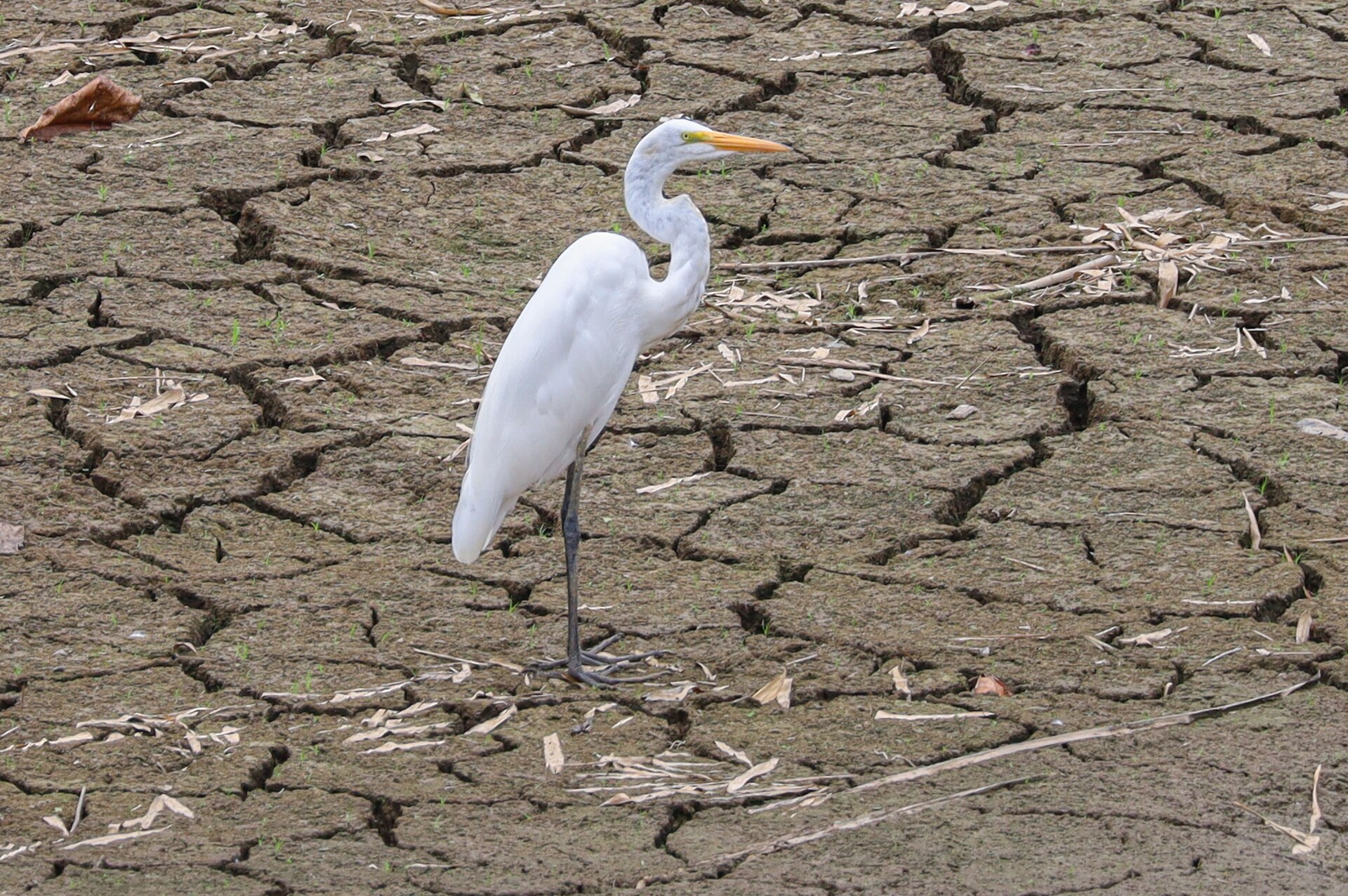
The 28-day average streamflow at river gauges of the US Geological Survey was below to much below normal in most rivers. The weather service’s outlook favoured much below normal rainfall for October to December 2026, with a 50% to 60% chance.
Rain eased drought by one to two classes in the east, north-central and interior in the four weeks to 22 September. Farm produce was not expected to recover in time for seasonal demand.
For the reservoir story, see Puerto Rico water crisis deepens. The island’s water utility is the Puerto Rico Aqueduct and Sewer Authority.
Forests and El Yunque
A US Forest Service inventory counted 467,320 hectares of forest in Puerto Rico in 2019, which is 52.7% of the land area. That is about 1.15 million acres.
Forest cover rose from 31.3% of the land in 1980 to 52.8% in 2004 and has been steady since. The researchers describe mostly secondary forest, meaning regrowth, that is moving toward mature stages.
Trees held about 22.5 million tonnes of carbon in 2019, and the standing wood measured 38.28 million cubic metres. Volume and carbon stayed relatively stable between the last two inventories despite the 2017 hurricanes.
El Yunque National Forest covers nearly 29,000 acres across eight municipalities of the northeast. The Forest Service calls it the only tropical rainforest within the national forest system.
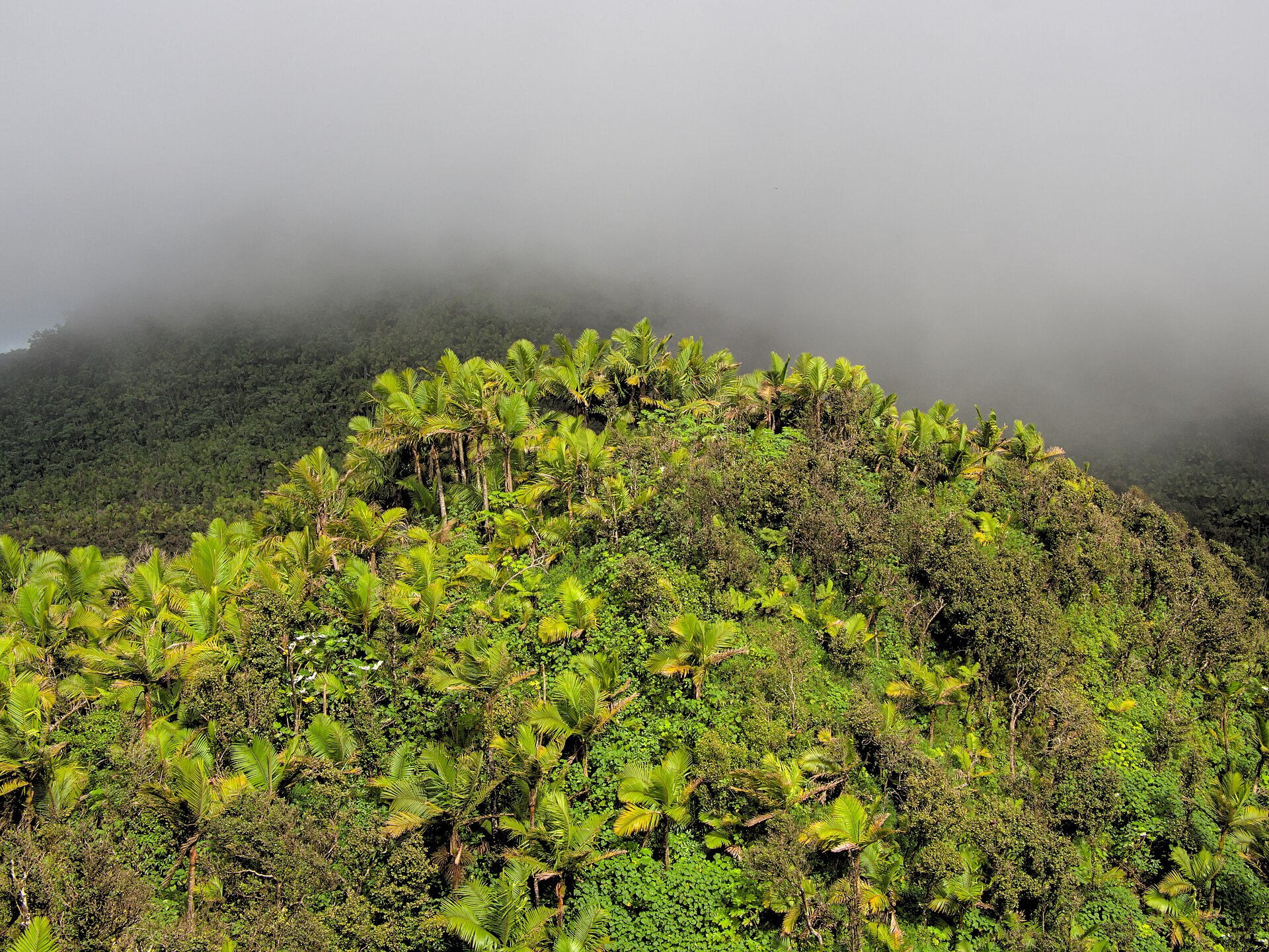
The Forest Service limits visitor numbers because parking is scarce and disaster recovery construction continues. It notes that some trees hit by hurricanes Irma and María in September 2017 showed lower foliage density than before.
Fisheries and the Sea
The Caribbean Fishery Management Council, a federal body, sets rules for the island’s federal waters under a Puerto Rico fishery plan. NOAA Fisheries, the federal ocean agency, tracks landings against catch limits.
Spiny lobster landings rose from 299,326 pounds in 2020 to 598,704 pounds in 2024, preliminary NOAA data show. That is above the 357,629-pound annual limit, though NOAA compares a three-year average of landings with the limits in force.
Snappers are the biggest reef-fish group, led by silk and blackfin snapper at 292,098 pounds in 2024 against a limit of 424,009. Queen and cardinal snapper jumped from 136,609 pounds in 2023 to 255,113, near their 257,236-pound limit.
Among open-ocean fish, dolphinfish, also called mahi-mahi, landed 138,784 pounds and wahoo 29,232 pounds in 2023. These are preliminary figures, and NOAA’s page marks 2023 as the latest year for open-ocean fish.
Queen conch, Nassau grouper, goliath grouper and three ray species are banned in federal waters off the island. Blue, midnight and rainbow parrotfish, sea cucumbers, sea urchins and corals are also banned.
Who Extracts and Who Profits
Federal agencies hold much of the control over public resources. The Forest Service manages El Yunque, while the fishery council and NOAA govern federal waters.
In energy, profit follows long contracts. AES Puerto Rico sells coal power under a 1994 deal, and Genera PR and LUMA run state assets.
In stone and cement, USGS withholds company data, so the profit split is not public in the sources read. The salt value of US$1.85 million a year is small beside the US$51.4 million of crushed stone.
Farm income spreads across 7,602 farms, and milk, poultry and grains made 51% of 2022 sales. For who holds wider power on the island, read Who Dominates Puerto Rico.
The Environmental Cost
Law 40 of 4 July 2017, amended by Law 5-2020, bans disposing of coal ash, the residue left by burning coal. The Guayama coal plant may run until 2032 at the latest.
Fossil fuels supplied 96.9% of utility-scale electricity in 2025, EIA data show. Power therefore still depends almost entirely on fuel that is burned.
Drought adds a second cost. Farmers in the southwest faced irrigation limits, and the weather service’s outlook points to a dry end of 2026.
Hurricanes add a third. The 2017 storms left some trees with lower foliage density, though forest volume and carbon held up between inventories.
Fishing pressure shows in the bans and limits. The 2024 lobster catch was above its annual limit, and conch, corals and three parrotfish species are protected.
The island’s long-run setting is in Puerto Rico History Explained. Resource choices there follow decisions taken in Washington and San Juan.
What It Means for US Readers
Puerto Rico is a US territory, so federal agencies such as NOAA, USDA and EIA publish most data used here. Americans can check those sources directly.
Visitors should expect limits at El Yunque and check water-supply notices during the drought. Hikers should confirm conditions with the Forest Service before driving to the park.
Investors in energy should read Law 1-2025 and the operator contracts before judging coal, gas or solar projects. Food buyers should watch the drought declaration and the October to December rainfall.
Anglers need the federal rules for federal waters, where conch, Nassau grouper and some parrotfish are banned. Buyers of local lobster and snapper depend on catch limits that NOAA monitors against landings.
What Is Not Known
The EIA generation shares are for 2025 and cover utility-scale plants only, so 2026 and rooftop solar are not counted. The pace of coal replacement before 2032 is also unconfirmed.
USGS withheld cement and lime values and does not survey sand and gravel, so the stone industry’s full value is unknown. Producer names are not public in those tables.
The share of food that Puerto Rico imports was not confirmed in a primary source. Farm output for 2023 to 2026 is not yet counted.
NOAA’s catch tables end at 2024 for reef fish and 2023 for open-ocean fish, so later landings are not confirmed. Forest area after 2019 and the long-term damage from the 2017 hurricanes are also unconfirmed.
When the 2026 drought will end is not known, because the weather service’s outlook shows only odds. Reservoir levels after 24 September 2026 were not checked.
Frequently Asked Questions
Does Puerto Rico have oil or natural gas?
The island has no oil or gas production, and EIA data show its power plants burn imported petroleum, gas and coal. It also imports liquefied natural gas.
What minerals does Puerto Rico produce?
USGS lists crushed stone, construction sand and gravel, portland cement and solar salt. In 2019 crushed stone output was 4,570 thousand metric tons worth US$51.4 million.
How much of Puerto Rico is farmland?
Farms covered 494,481 cuerdas, or 21.9% of the island’s land, in 2022. The census counted 7,602 farms and US$703 million in sales.
Where does Puerto Rico get its electricity?
In 2025, EIA data put natural gas at 44.2%, petroleum 35.8%, coal 17.0% and renewables 3.1% of utility-scale power. The fuels are imported.
Is Puerto Rico in a drought in 2026?
The National Weather Service in San Juan reported extreme drought on the southern plains on 24 September 2026. It also reported severe drought in the east and interior.
Is El Yunque the only rainforest in the US National Forest System?
The Forest Service calls El Yunque the only tropical rainforest within the national forest system. It covers nearly 29,000 acres.
When must Puerto Rico stop burning coal?
Law 1-2025 requires coal use to end on or before 31 December 2032. The earlier legal date was 1 January 2028.
Sources: US Energy Information Administration, Electric Power Operational Data for Puerto Rico (annual 2025, queried 3 November 2026); US Energy Information Administration, Today in Energy (24 June 2020); US Geological Survey, Mineral Industry of Puerto Rico; USDA National Agricultural Statistics Service, 2022 Puerto Rico Census of Agriculture highlights (July 2024); National Weather Service San Juan, drought statement of 24 September 2026; National Weather Service San Juan, drought statement of 17 July 2026; Puerto Rico Law 1-2025 (approved 3 March 2025); Puerto Rico Energy Bureau, consumer office filing on the AES contract (7 December 2023); Puerto Rico Public-Private Partnerships Authority, project list; NOAA Fisheries, Puerto Rico catch limit monitoring (data to 2024); US Forest Service, El Yunque National Forest; US Forest Service Forest Inventory and Analysis, Puerto Rico chapter (2019 inventory) (all accessed 3 November 2026).
This article was produced by The Rio Times’ automated newsroom system. How we use AI · Report an error · Editorial responsibility: Matthias Camenzind, Editor-in-Chief
Expat Guide to Puerto Rico
What The Rio Times publishes for foreigners who live in or move to Puerto Rico.
Start here
Understand Puerto Rico