PUERTO RICO · POPULATION
Key Facts
- The country Puerto Rico, a US island territory in the Caribbean, had 3,184,835 people on 1 July 2025.
- The trend Down 11.8 percent between the 2010 and 2020 censuses, and about 3.1 percent more by mid-2025.
- The age Median age was 45.6 years in 2024, and 24.6 percent of residents were 65 or older.
- The mix 99.0 percent are Hispanic or Latino (2020-2024), and 49.8 percent marked two or more races in 2020.
- The diaspora About 6.1 million Puerto Ricans lived on the US mainland in 2024, nearly twice the island total.
The Puerto Rico population was 3,184,835 on 1 July 2025, down about 17 percent from its 2004 peak.More Puerto Ricans, about 6.1 million in 2024, now live in the 50 US states and Washington than on the island itself.This guide explains who they are, what they speak and why the island keeps shrinking.

Puerto Rico Population in Plain English
Puerto Rico is an island territory of the United States in the Caribbean, and the US Census Bureau counts its people. This guide uses official counts and surveys from 2020 to 2025 and builds on our Puerto Rico country page.
Two kinds of numbers appear below, and they answer different questions. A census counts everyone once every ten years, while a survey asks a sample of households each year.
- US Census Bureau: the federal agency that counts the population every ten years and publishes yearly estimates.
- Instituto de Estadísticas: Puerto Rico’s own statistics institute, which publishes island estimates of births, deaths and migration.
- American Community Survey: a yearly Census Bureau survey covering language, income, schooling and place of birth.
- Municipio: the Spanish word for a municipality, the local unit that works much like a US county.
- Hispanic or Latino: a label for people with roots in Spanish-speaking countries, and people of any race can use it.
How Many People Live in Puerto Rico
The Census Bureau counted 3,285,874 people in Puerto Rico on 1 April 2020, down from 3,725,789 in 2010. That was a loss of 439,915 people, or 11.8 percent, in one decade.
The Census Bureau’s estimate of the Puerto Rico population for 1 July 2025 is 3,184,835, about 3.1 percent below the 2020 count. The island peaked at 3,826,878 people in 2004, so it has lost more than 600,000 residents since.
Puerto Rico’s statistics institute published the same 2025 figure of 3,184,835 in its own annual release. That is about 97,000 fewer people than in 2020.
The Census Bureau counted 1,290,866 households in 2020-2024, with an average of 2.48 people each. Median household income was US$26,297 in 2024 dollars.
Why the Island Keeps Shrinking
Between 2024 and 2025, Puerto Rico recorded about 17,950 births and about 32,857 deaths, according to its statistics institute. That is roughly 14,900 more deaths than births in a single year.
Net migration, the gap between people arriving and people leaving, was minus 2,779 in the same period. Together these figures produced a fall of about 18,000 people from the 2024 estimate.
Deaths rather than departures drove most of the drop in the Puerto Rico population in 2024-25. Fewer births and more older residents both feed that gap.
Hurricanes Irma and Maria struck the island in September 2017 and pushed many families to leave. The 2020 census count was 439,915 lower than the 2010 count.
An Older Island and Its Households
The Census Bureau put Puerto Rico’s median age at 45.6 years in 2024, up from 43.8 in 2020. Half of all residents were older than that.
In 2024, 24.6 percent of residents were 65 or older, and 15 percent were under 18. Adults 65 and older outnumbered children by more than 300,000, up from about 151,000 in 2020.
Women made up 52.9 percent of residents and children under five made up 2.9 percent in the bureau’s 2025 estimates. Among adults 25 and older, 81.2 percent finished high school and 29.8 percent hold a bachelor’s degree or higher in 2020-2024.
An older Puerto Rico population means fewer workers per retiree, a pressure explained in our look at who runs Puerto Rico’s economy. Schools and maternity wards feel the decline first.
Where People Live on the Island
About 91.9 percent of Puerto Rico’s people lived in urban areas in the 2020 census, spread across 26 urban areas. Only about 8 percent lived in rural areas.
San Juan, the capital, was the largest municipio in 2020 with 342,259 people. Bayamón followed with 185,187, Carolina with 154,815, Ponce with 137,491 and Caguas with 127,244.
All eight of the largest municipios lost residents between 2010 and 2020. Ponce, on the south coast, fell from 166,327 to 137,491.
The smallest places are Culebra with 1,792 people, Maricao with 4,755 and Vieques with 8,249. Maricao lost about a quarter of its people in the decade, from 6,276 in 2010.

Ethnic Groups and Race
Almost everyone in Puerto Rico is Hispanic or Latino, 99.0 percent in the 2020-2024 Census Bureau survey. Hispanic describes culture and ancestry, not race, so Puerto Ricans can be of any race.
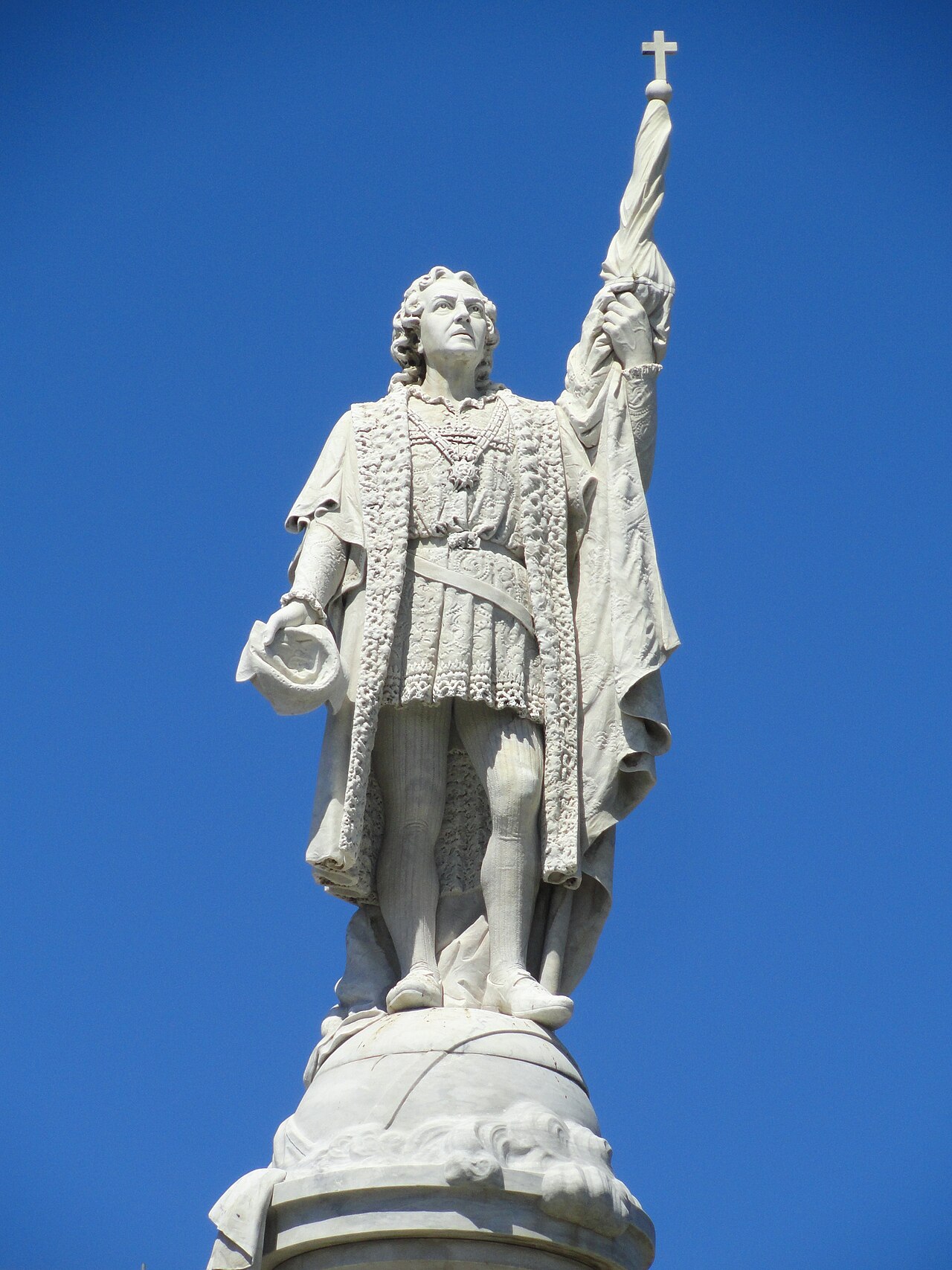
Christopher Columbus reached the island in November 1493. Spain held it until the Treaty of Paris, signed on 10 December 1898, ended the Spanish-American War.
In the 2020 census, 49.8 percent of residents marked two or more races, and 25.5 percent marked Some Other Race alone. Only 17.1 percent marked White alone, and 7.0 percent marked Black alone.
That was a sharp change from 2010, when 75.8 percent marked White alone and only 3.3 percent marked two or more races. Black alone fell from 12.4 percent to 7.0 percent.
Many residents chose Some Other Race, a category for people whose identity fits none of the standard groups. Hispanic origin is counted separately from race, which shapes how Puerto Ricans answer.
Language and Religion
In 2020-2024, 95.5 percent of residents aged five and older spoke a language other than English at home, mostly Spanish. Only 2.7 percent of residents were foreign-born.
A Pew Research Center survey of island adults, taken from October 2013 to February 2014, found 56 percent Catholic and 33 percent Protestant. Another 8 percent had no religion, and 2 percent belonged to other faiths.
Pew is a US research group that polls on religion and society. In that survey, 73 percent said they were raised Catholic, a drop of 17 points by adulthood.
Faith, music and food shape island life, a theme we follow in our guide to Puerto Rico culture and its key figures. Those traditions travel with the diaspora to the mainland.
Puerto Ricans on the US Mainland
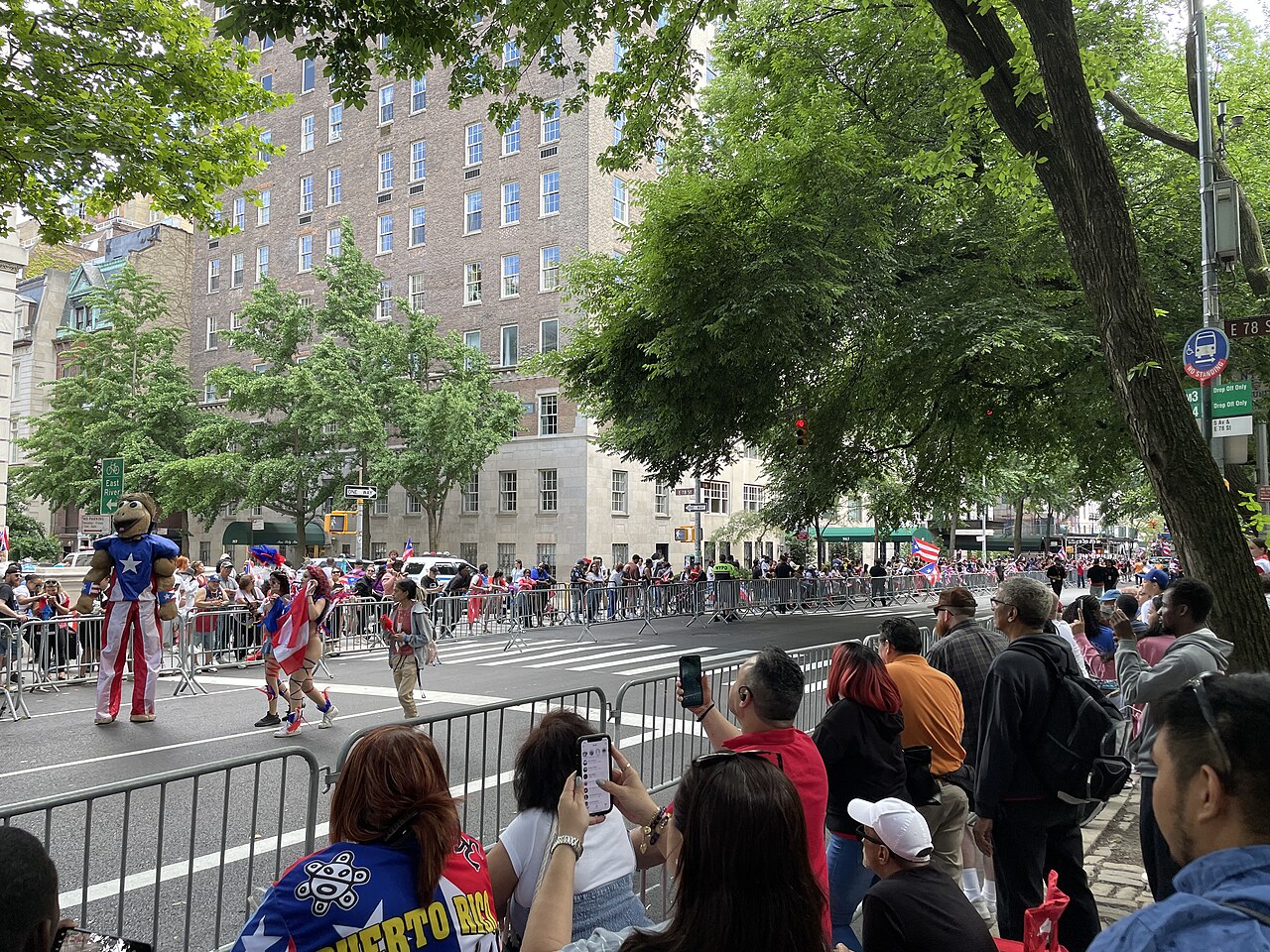
About 6.1 million people of Puerto Rican origin lived in the 50 states and Washington in 2024, according to the Census Bureau’s American Community Survey. That is nearly twice the population of the island itself.
Florida had the most at about 1.3 million, followed by New York at about 1.0 million and Pennsylvania at about 492,000. The survey counts Puerto Ricans born on the island and on the mainland.
Puerto Ricans made up 8.2 percent of Connecticut, 5.6 percent of Florida and 5.1 percent of New Jersey in 2024. In the Springfield, Massachusetts, metro area the share was about 22 percent in 2020-2024.
Under federal law, anyone born in Puerto Rico since 13 January 1941 is a US citizen at birth, with no visa needed for the mainland. People born on the island between 1899 and that date were declared citizens as of 13 January 1941.
What It Means for US Readers
Puerto Ricans are US citizens, so the 6.1 million on the mainland are voters, workers and customers in states like Florida and New York. The island itself has only about half that number.
For employers and investors, a smaller and older island population means a tighter local workforce and more demand for care. Our report on foreign powers and investors in Puerto Rico shows who is betting on the island anyway.
Immigration enforcement also touches island families, as our coverage of Puerto Rico leaders’ reaction to ICE operations shows. Travellers should expect the same US rules on the island as in the states, with a Spanish-speaking majority.
What Is Not Known
Official data cannot say how many of the 25.5 percent who chose Some Other Race see themselves as Black or white. The next full census count is due in 2030.
The latest island-wide religion survey among our sources dates from 2013-14, so the current split may differ. Net migration from the island is measured in several ways, so annual figures vary.
Frequently Asked Questions
How many people live in Puerto Rico?
The Puerto Rico population was an estimated 3,184,835 on 1 July 2025. That is about 3.1 percent below the 2020 census count of 3,285,874.
Is the Puerto Rico population falling?
Yes, the Puerto Rico population fell 11.8 percent between the 2010 and 2020 censuses and about 3.1 percent more by mid-2025, mostly because deaths outnumber births.
What are the main ethnic groups in Puerto Rico?
Almost everyone, 99.0 percent, is Hispanic or Latino. In the 2020 census, 49.8 percent marked two or more races, 17.1 percent White alone and 7.0 percent Black alone.
What language do people speak in Puerto Rico?
Spanish is the main language of daily life. In 2020-2024, 95.5 percent of residents aged five and older spoke a language other than English at home.
How many Puerto Ricans live on the US mainland?
About 6.1 million in 2024, nearly twice the island’s population. Florida has the most, about 1.3 million, followed by New York with about 1.0 million.
Are Puerto Ricans US citizens?
Yes, people born in Puerto Rico on or after 13 January 1941 are US citizens at birth under federal law. Earlier births from 1899 were declared citizens as of that date.
Sources: US Census Bureau, QuickFacts Puerto Rico (2025 estimate, 2020 census, 2020-2024 survey), 2026-10-28; Instituto de Estadísticas de Puerto Rico, annual population estimate 2025, 2026-10-28; US Census Bureau, 2024 population estimates by age (release of 26 June 2025), 2025-06-26; US Census Bureau, 2020 Census urban areas facts, 2026-10-28; US Census Bureau, Puerto Rico state-by-state 2020 census story, 2026-10-28; US Census Bureau, 2020 Census redistricting data for Puerto Rico (race and municipios), 2021-08-12; Pew Research Center, Religion in Latin America (2014), 2014-11-13; US Code, 8 U.S.C. 1402, citizenship of persons born in Puerto Rico, 2026-10-28; US National Park Service, San Juan National Historic Site timeline, 2026-10-28; US Census Bureau, American Community Survey 2024 (1-year and 5-year), Puerto Rico and Puerto Rican origin by state, 2025-09-11; US Census Bureau, intercensal estimates 2000-2010 (Puerto Rico 2004 peak), 2011-09-01.
This article was produced by The Rio Times’ automated newsroom system. How we use AI · Report an error · Editorial responsibility: Matthias Camenzind, Editor-in-Chief
Expat Guide to Puerto Rico
What The Rio Times publishes for foreigners who live in or move to Puerto Rico.
Start here
Coming up in Puerto Rico
Understand Puerto Rico
Brazil runoff date: Sunday, October 25, poll closing times and when results start · Brazil runoff polls: Flávio 51%, Lula 49% · Kalshi and Polymarket odds
Rotate for Best Experience
This report is optimized for landscape viewing. Rotate your phone for the full experience.
You've reached your free article limit
Subscribe to The Rio Times for unlimited access to our news, expat and nomad guides and market intelligence on Latin America and Africa.
Keep reading for free
Your first article was on us. Register with your email address to read 6 free articles every month. You will also receive The LatAm Brief: what moved in Latin American markets, politics and expat life, every weekday morning.
Expat Guide to Puerto Rico
What The Rio Times publishes for foreigners who live in or move to Puerto Rico.
Start here
Coming up in Puerto Rico
Understand Puerto Rico