PUERTO RICO · HISTORY
Key Facts
- People About 3.18 million in July 2025, down from 3,285,874 in the 2020 census.
- Spanish rule From the first European arrival in 1493 until the handover to the United States in 1898.
- US citizenship Granted on 2 March 1917; the Commonwealth constitution was ratified on 25 July 1952.
- Status A US territory with a Commonwealth government; no vote for president or in Congress.
- Debt The court-approved debt plan took effect on 15 March 2022 under a federal oversight board.
- Leaders Governor Jenniffer González Colón and Resident Commissioner Pablo José Hernández Rivera (October 2026).
Puerto Rico history is the story of a Caribbean island that went from Spanish colony to US territory. This guide explains each turning point of Puerto Rico history, from 1493 to 2026, and why it matters to Americans.

Puerto Rico History in Plain English
Puerto Rico is a Caribbean island of about 3.2 million people that belongs to the United States but is not a state. Its past explains why: it was ruled by Spain for centuries and has been an American territory since 1898.
Its people are US citizens, yet they cannot vote for president and have no voting member in Congress. This guide walks through the turning points of Puerto Rico history, from the first European arrival to the situation in 2026.
- Territory: land that belongs to the United States without being a state, so its residents cannot vote in presidential elections.
- Commonwealth: the formal status since the constitution was ratified in 1952, in which Puerto Rico governs itself locally under US federal authority.
- Resident Commissioner: the island’s one elected delegate in the US House of Representatives, who cannot vote on final bills.
- Oversight Board: the federal board created by the PROMESA law, signed on 30 June 2016, to manage the island’s finances.
Spanish Rule and the Fortress Island
Europeans reached the island on 19 November 1493, and Juan Ponce de León arrived in 1508 to found a settlement. Spain then ruled Puerto Rico for almost four centuries, until 1898.
Spain valued the island mainly as a fortress guarding the sea lanes of its empire. The castle of El Morro was first built in 1539 and kept in repair for about 250 years.
The castle of San Cristóbal was built between 1634 and 1790, and the city walls were begun in 1634. Together with La Fortaleza, the governor’s residence, these works form a UNESCO World Heritage Site in San Juan.
By 1869 the Spanish parliament in Madrid had seated the first Puerto Rican delegates. Puerto Rican autonomists had won home rule from Spain shortly before 1898, but the war with the United States overtook that reform.
Becoming an American Territory
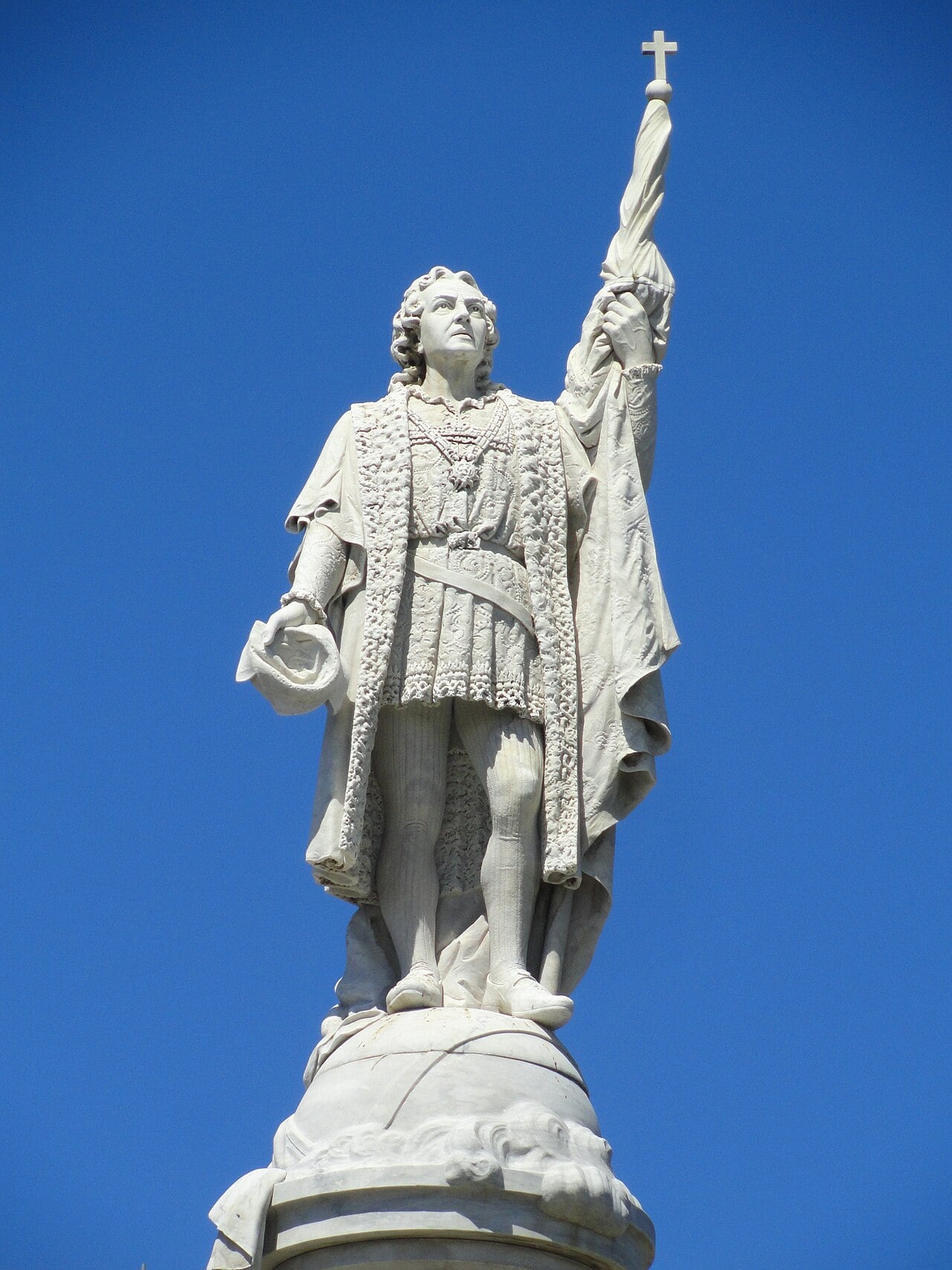
United States forces invaded Puerto Rico on 25 July 1898, and hostilities ended on 12 August 1898. Under the Treaty of Paris, signed on 10 December 1898, Spain ceded the island to the United States.
The US Senate ratified the treaty on 6 February 1899 by a margin of just one vote. Puerto Rico passed to American control alongside Guam.
President William McKinley signed the Foraker Act on 12 April 1900. It made the island an unorganized territory and provided for a Resident Commissioner in Washington.
In 1901 the US Supreme Court decided Downes v. Bidwell by a 5-4 vote. It held that Puerto Rico was foreign to the United States in a domestic sense, which added uncertainty rather than clarity.
Citizenship and Self-Government
President Woodrow Wilson signed the Jones-Shafroth Act on 2 March 1917. It guaranteed full citizenship rights to Puerto Ricans and extended the Resident Commissioner’s term from two years to four.
The Constitution of the Commonwealth of Puerto Rico was ratified on 25 July 1952. It created the self-governing status known in Spanish as Estado Libre Asociado, which the island still has.
That status gave Puerto Ricans control over local affairs, while Congress kept authority over the territory. The unfinished question of what comes next has shaped island politics ever since.
Debt, Hurricanes and the Oversight Board
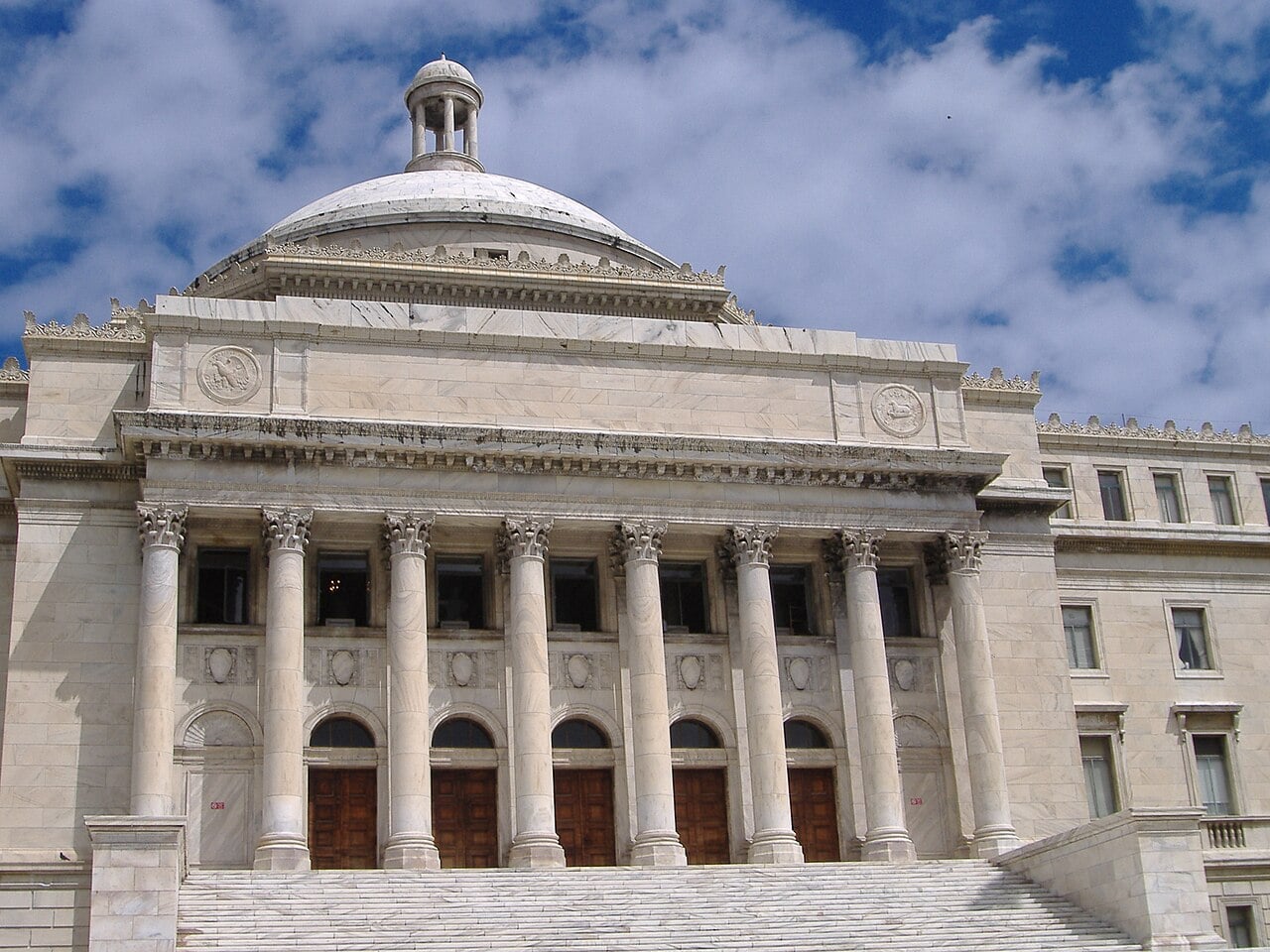
Congress passed the law known as PROMESA, and President Barack Obama signed it on 30 June 2016. It created a federal Financial Oversight and Management Board with seven presidentially appointed members and the governor as a non-voting member.
The Board and the island’s government must draw up a fiscal plan to restore fiscal responsibility and capital-market access. The Board describes itself as an independent entity within the Puerto Rico Government.
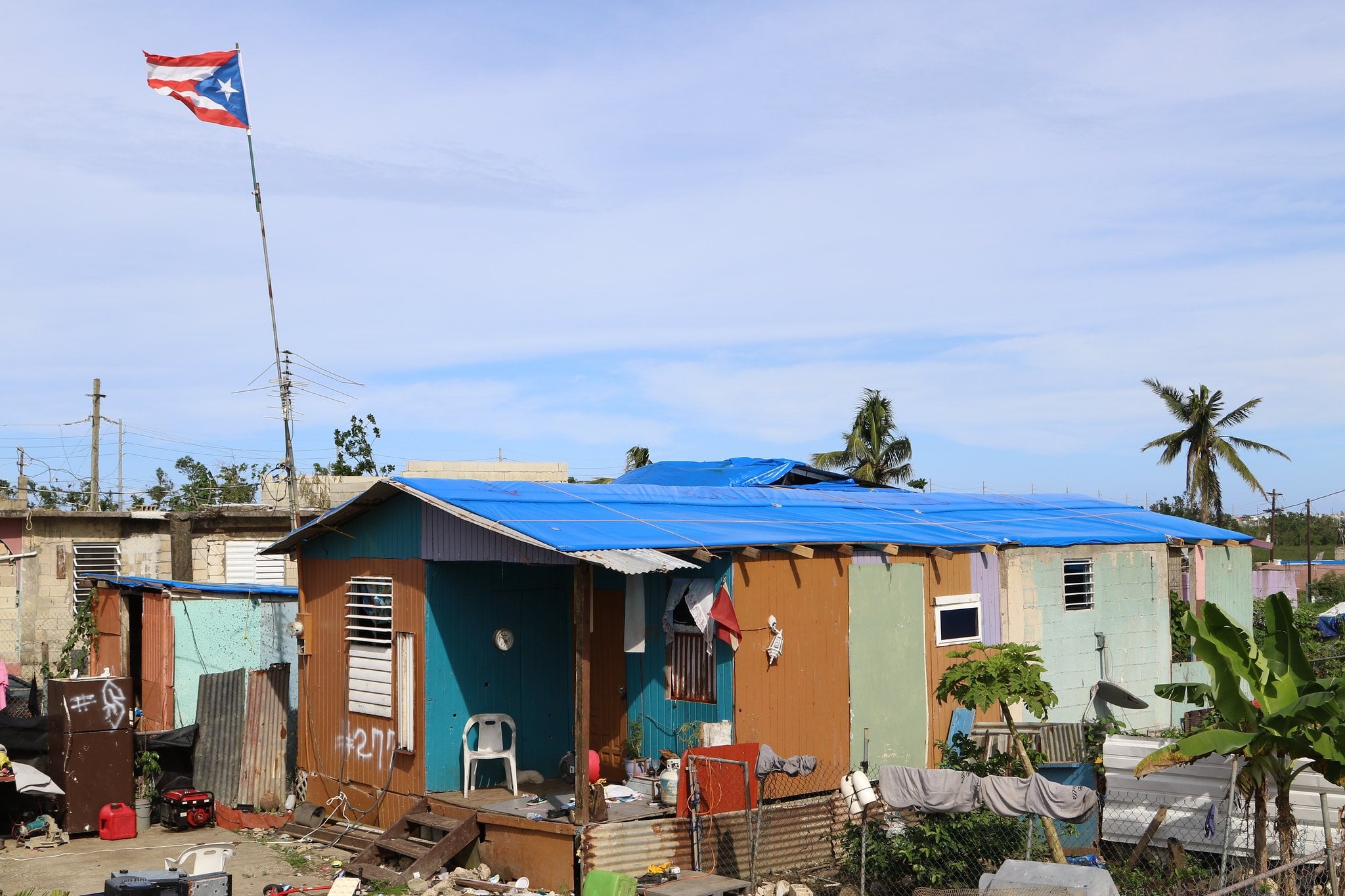
Hurricane Maria struck in September 2017. A study by George Washington University, published on 29 August 2018, estimated 2,975 excess deaths from September 2017 to February 2018.
That figure was 22 percent above the deaths expected in a normal year. The university noted that a Harvard study estimated more than 4,600 deaths, so the toll remains debated.
A federal judge confirmed the Board’s debt plan on 18 January 2022, and it took effect on 15 March 2022. The Board says about 80 percent of the outstanding debt was restructured.
Total liabilities fell from more than US$70 billion to US$37 billion, the Board says. Debt service drops from US$90.4 billion to US$34.1 billion, a cut of more than 60 percent.
On 21 April 2022 the Supreme Court decided United States v. Vaello Madero by an 8-1 vote. It held that Congress need not extend Supplemental Security Income to Puerto Rico on the same terms as the states.
The Court reasoned that Puerto Rico residents are generally exempt from most federal income taxes. Congress may still extend the benefit by law if it chooses.
Population Decline Since 2010
The Census Bureau counted 3,725,789 people in Puerto Rico in 2010 and 3,285,874 in 2020. That is a fall of more than 400,000 people in one decade.
The Bureau estimates 3,184,835 residents for July 2025, which is 3.1 percent fewer than in 2020. The decline makes the debt, power and status questions harder, because fewer people share the cost.
Puerto Rico in 2026
Governor Jenniffer González Colón was still signing executive orders in October 2026. On 6 October she created an earthquake preparedness committee, and on 19 October a panel to coordinate infrastructure projects in Bahía Urbana.
Pablo José Hernández Rivera is the island’s Resident Commissioner in Washington. On 16 October 2026 he said the status will not change and urged a focus on electricity and water.
Electricity remains a pressing problem, and PREPA is the state power company. On 7 October 2026 Hernández asked for details of a temporary power contract won by a consortium led by Power Expectations, LLC.
On 14 July 2026 the Oversight Board said a bondholder group had rejected an offer to end the PREPA bankruptcy. On 6 October it issued a response to a bondholder statement on PREPA.
On 21 October 2026 the Board issued a statement on a dispute over the island’s liquefied natural gas contract. On 20 October it announced an economic forecast symposium looking ahead to fiscal year 2027.
Hurricane recovery money keeps flowing, and Hernández announced more than US$45.3 million in federal FEMA funds on 27 October 2026. For who holds influence on the island, see our Puerto Rico power structure guide and our guide to the island’s foreign investors.
How the Past Shapes the Present
Almost every current dispute in Puerto Rico history traces back to the unfinished status question. Residents are US citizens without a presidential vote, as our population guide explains.
Island leaders have also reacted to federal immigration enforcement. Hernández issued a statement on ICE raids in Puerto Rico on 26 October 2026, as our report on immigration raids shows.
The island’s regional context is covered on our Puerto Rico country page. It collects the latest reporting on the economy, politics and daily life.
What It Means for US Readers
Puerto Ricans are Americans, so decisions in Washington on disaster aid, Medicaid and debt directly affect about 3.2 million fellow citizens. Hurricane recovery also touches US taxpayers through federal funds, such as the FEMA money announced on 27 October 2026.
Travellers from the mainland need no passport to visit. Residents are generally exempt from most federal income taxes, which the Supreme Court cited when it ruled on benefits in 2022.
What Is Not Known
No date has been announced for a new vote on the island’s status. Whether Washington would accept statehood, independence or a changed Commonwealth remains open.
The outcome of the PREPA bankruptcy talks is not yet settled. The full human toll of Hurricane Maria is also debated, since estimates depend on how deaths are counted.
Frequently Asked Questions
When did Puerto Rico become part of the United States?
Spain ceded the island to the United States in the Treaty of Paris, signed on 10 December 1898. It has been a US territory ever since.
Are Puerto Ricans US citizens?
Yes. The Jones-Shafroth Act, signed on 2 March 1917, guaranteed them full citizenship rights. They cannot vote for president while living on the island.
Is Puerto Rico a state or a country?
Neither. It is a US territory with a self-governing Commonwealth whose constitution was ratified on 25 July 1952, and it has no voting seat in Congress.
Who is the governor of Puerto Rico?
Jenniffer González Colón was governor in October 2026, when she signed executive orders on an earthquake committee and infrastructure projects. The Resident Commissioner in Washington is Pablo José Hernández Rivera.
What is PROMESA?
PROMESA is a federal law signed on 30 June 2016 that created an oversight board for Puerto Rico’s debt crisis. The board works with the government on fiscal plans and budgets.
How many people died in Hurricane Maria?
A George Washington University study published on 29 August 2018 estimated 2,975 excess deaths from September 2017 to February 2018. A Harvard study estimated more than 4,600, so the toll remains debated.
Sources: US House of Representatives, History, Art and Archives: Puerto Rico (1898, Foraker Act, Jones-Shafroth Act), 2026; US Department of State, Office of the Historian: the Spanish-American War and the Treaty of Paris, 2026; National Park Service: San Juan National Historic Site, history and culture, 2026; UNESCO World Heritage Centre: La Fortaleza and San Juan National Historic Site, 2026; Library of Congress Law Library: Constitution of the Commonwealth of Puerto Rico, May 2026; Financial Oversight and Management Board for Puerto Rico: debt restructuring, May 2026; Financial Oversight and Management Board for Puerto Rico: about PROMESA and the Board, 2026; Financial Oversight and Management Board for Puerto Rico: releases and statements (14 July, 6 and 21 October 2026), October 2026; US Census Bureau: Puerto Rico QuickFacts (2010 and 2020 census, July 2025 estimate), 2025; George Washington University: excess deaths linked to Hurricane Maria, 29 August 2018; Supreme Court of the United States: United States v. Vaello Madero, 21 April 2022; Government of Puerto Rico, Department of State: executive orders, October 2026; Resident Commissioner Pablo José Hernández Rivera: press releases, October 2026.
This article was produced by The Rio Times’ automated newsroom system. How we use AI · Report an error · Editorial responsibility: Matthias Camenzind, Editor-in-Chief
Expat Guide to Puerto Rico
What The Rio Times publishes for foreigners who live in or move to Puerto Rico.
Start here
Understand Puerto Rico
Brazil runoff date: Sunday, October 25, poll closing times and when results start · Brazil runoff polls: Flávio 51%, Lula 49% · Kalshi and Polymarket odds
Rotate for Best Experience
This report is optimized for landscape viewing. Rotate your phone for the full experience.
You've reached your free article limit
Subscribe to The Rio Times for unlimited access to our news, expat and nomad guides and market intelligence on Latin America and Africa.
Keep reading for free
Your first article was on us. Register with your email address to read 6 free articles every month. You will also receive The LatAm Brief: what moved in Latin American markets, politics and expat life, every weekday morning.
Expat Guide to Puerto Rico
What The Rio Times publishes for foreigners who live in or move to Puerto Rico.
Start here
Understand Puerto Rico