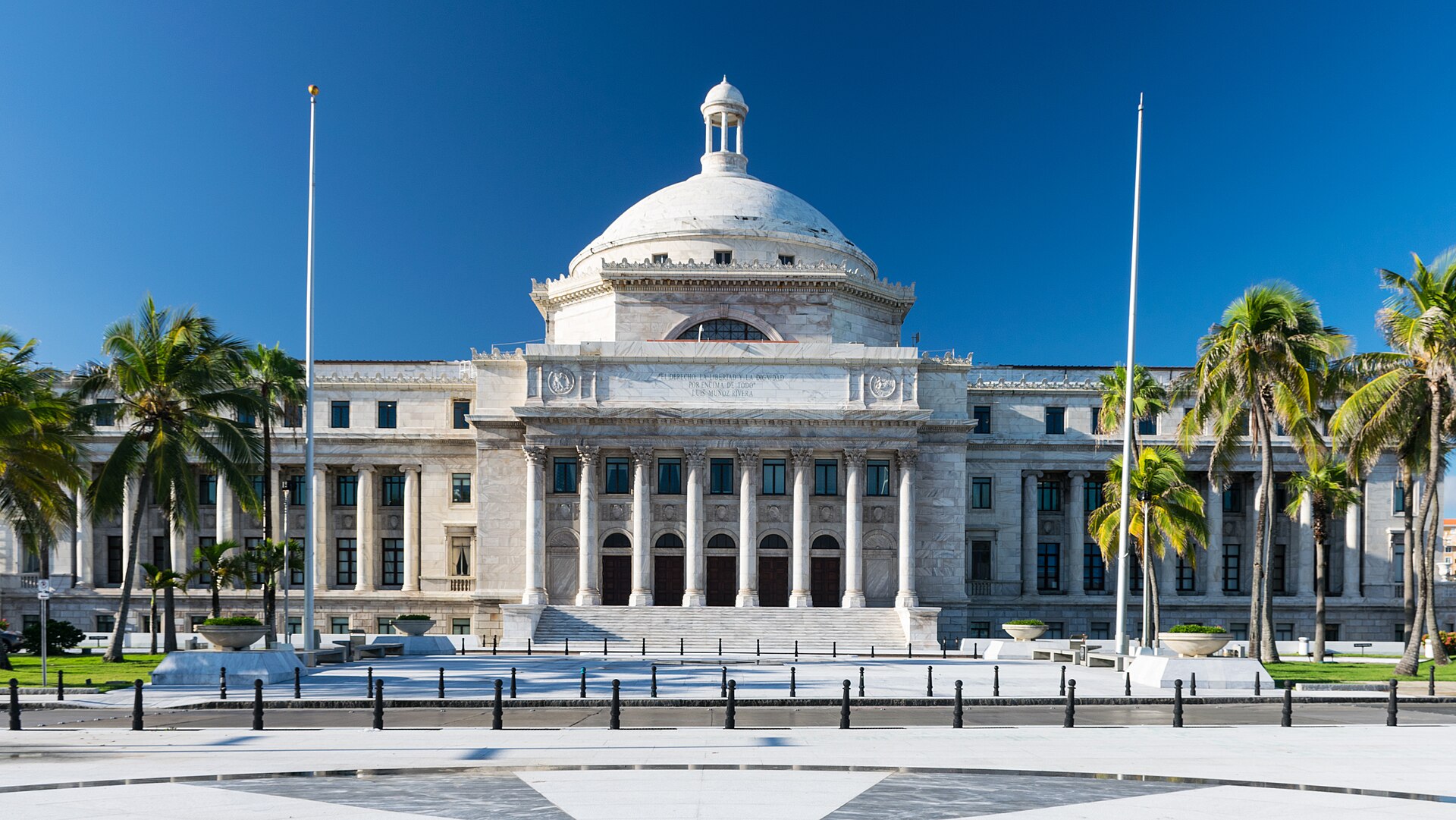
Puerto Rico’s Senate has summoned representatives of the consulting firm Deloitte and a second company, Ethree Solutions (E3), which the senator also wants to hear from, to a public hearing on Monday 9 November 2026. Senators want to know what the firms did in the government’s new financial system, which has delayed payments to thousands of suppliers for months.
Key Facts
- Who. Senate Vice President Carmelo Ríos Santiago, consulting firm Deloitte and the company Ethree Solutions (E3).
- What. A hearing on the firms’ role in the government’s ERP (enterprise resource planning) system, Íntegra PR.
- When. Monday 9 November 2026, 10:30 a.m. Puerto Rico time (14:30 GMT).
- Why. Payments to thousands of central-government suppliers are months late, the senator says.
- Status. As of 9 November 2026, before the hearing: no response from the firms reported.
What the Senate Wants
Senate Vice President Carmelo Ríos Santiago said Deloitte was the main firm behind adopting and rolling out the ERP, a system that runs the government’s accounts and payments. He said payment delays to suppliers now stretch over months.
He said he wants to know in detail, and “with evidence,” what role the firm had in developing, selecting and implementing the platform (our translation from Spanish). He also wants to learn who took part in the decisions on selecting and building the system.
The firms are due in the Senate’s María Martínez hearing room at 10:30 a.m. on Monday. Ríos Santiago said he expects them to appear “without any excuse.”
Why the Hearing Was Called
Education Department officials said at a public hearing on Thursday 5 November 2026 that the ERP had delayed the processing of invoices for services. The delays also touched programmes paid for with federal money, the officials said.
Ríos Santiago says the late payments now reach thousands of suppliers of the central government. The ERP is known as Íntegra PR, the government’s platform to centralise finance and accounting for more than 60 agencies.

In October 2026 the Comptroller’s Office, the island’s independent auditor, flagged improper reimbursements of expenses paid to Deloitte Financial Advisory Service, a Deloitte unit. The audit covered the Treasury Department’s (Hacienda’s) ERP work from July 2018 to March 2025.
What It Means for You
Puerto Rico is a US territory and its residents are US citizens (see our island explainer), so delays in paying schools’ suppliers and federally funded programmes concern American taxpayers too. Suppliers to the Puerto Rico government, including US firms, may face slower payment until the system works.
The hearing follows our reports on the calls for the island’s energy czar to quit and on the Senate’s school bill. It is a chance for senators to put the firms’ answers on the record.
What Is Not Known
No response from Deloitte or E3 has been reported, and E3’s exact role has not been described. We found no public figures on the contract terms or the total amount owed to suppliers.
It is also unclear when payments will normalise. We will update this page after the hearing.
Frequently Asked Questions
Who is Puerto Rico’s Senate calling to testify?
Senators summoned representatives of Deloitte and Ethree Solutions (E3). They are due at a public hearing on Monday 9 November 2026 at 10:30 a.m. Puerto Rico time.
What is the ERP system?
An ERP, or enterprise resource planning system, is software that runs an organisation’s accounts, budgets and payments. Puerto Rico’s version, Íntegra PR, serves central-government agencies.
What did Education Department officials say?
At a hearing on Thursday 5 November 2026, they acknowledged that the ERP delayed invoice processing for services. That included programmes funded with federal money.
Sources
Announcement by Senate Vice President Carmelo Ríos Santiago of 8 November 2026 and the Puerto Rico Comptroller’s Office audit findings of October 2026, as relayed in Puerto Rican press; the Senate’s own release was not available to us. Read 9 November 2026.
This article was produced by The Rio Times’ automated AI newsroom. Editorial responsibility: Matthias Camenzind, Publisher and Editor-in-Chief. How we use AI · Report an error