Morocco Explained 2026: The Kingdom, the Election, the World Cup and What to Watch
GUIDES · MOROCCO
Key Facts
- —Capital Rabat, which is also the seat of the monarchy. Casablanca, about 90 kilometres south, is the largest city and the business capital.
- —Population About 36.8 million on the 2024 census, the figure the statistics office uses. The International Monetary Fund works with 38.05 million for 2026.
- —Currency The dirham. The central bank’s reference rate was 9.51 to the US dollar in mid-September 2026. Cash counters quote separate buying and selling rates.
- —Language Arabic and Tamazight are both official under the 2011 constitution. French is the working language of business and much of the administration.
- —Economy Cars first, phosphates second. Automotive exports reached 93.65 billion dirhams, about US$9.8 billion, in the first half of 2026, more than twice what phosphates earned.
- —Government A constitutional monarchy. King Mohammed VI has reigned since 1999 and sets the direction of state policy. The elected lower house has 395 seats.
Morocco explained for newcomers: who actually governs, why cars now out-earn phosphates, and what the 2030 World Cup build is doing to the public accounts.
Morocco explained in 2026 starts with a division of labour. The king sets the direction of the state, and an elected government runs what is left. On 23 September voters chose a new parliament, turnout fell to 38 percent, and by the following morning the country still had no head of government.
What kind of country is this?
Morocco is the only African country with a coastline on both the Atlantic and the Mediterranean. At the Strait of Gibraltar it comes within about 13 kilometres of Spain. That proximity shapes its trade, its migration politics and its diplomacy. Any Morocco explained guide that files the country simply under North Africa misses half of it.
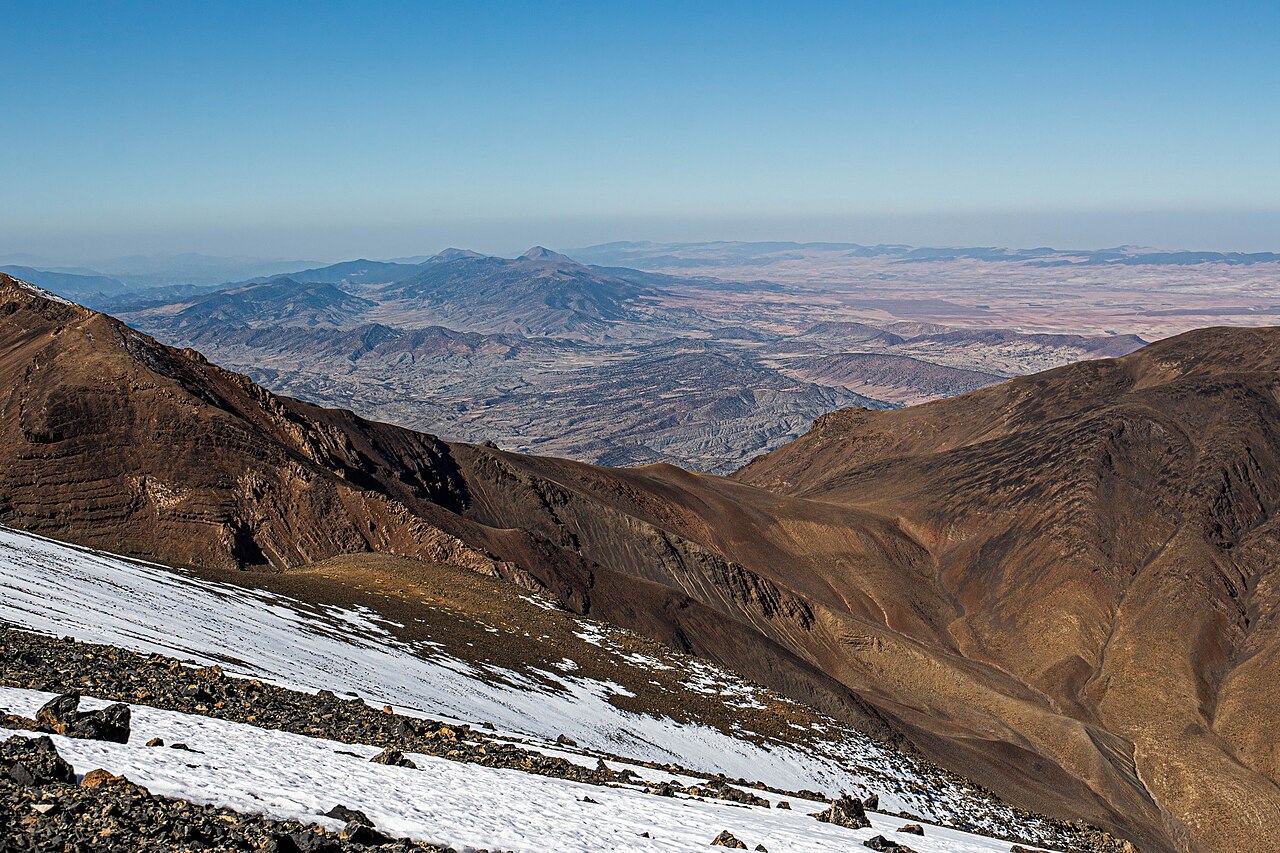
The Atlas mountains run diagonally across the country from northeast to southwest. They separate the Sahara from the coastal plains where almost everyone lives. Jbel Toubkal, in the High Atlas, is the highest peak in North Africa at about 4,167 metres. The northern ranges are also seismically active. The Al Haouz earthquake of September 2023 killed almost 3,000 people.
The kingdom is old and the dynasty is older than the state next door. The Alaouite house, to which King Mohammed VI belongs, has ruled since the 17th century. France imposed a protectorate in 1912 and Morocco regained independence in 1956. Spain kept Ceuta and Melilla, two enclaves on the Moroccan coast, which Morocco still claims. Morocco administers most of Western Sahara, a territory the United Nations does not treat as settled.
Who runs Morocco and how
King Mohammed VI has reigned since July 1999. Under the 2011 constitution he is head of state and chairs the Council of Ministers, which sets the strategic direction of policy. The palace traditionally holds interior, foreign affairs, defence and Islamic affairs. An elected government handles everything else and answers to parliament.
Parliament has two chambers. The House of Representatives has 395 seats and is elected directly for five years, so a majority needs 198. The House of Councillors is chosen indirectly. Article 47 of the constitution says the king appoints the head of government from the party that finished first, and then approves the proposed cabinet.
The vote of 23 September 2026 produced a clear winner and no government. The Authenticity and Modernity Party, known by its French initials PAM, took 97 seats on provisional results announced at half past three the next morning. The National Rally of Independents, which led the outgoing coalition, fell from 102 seats to 66. The Islamist Justice and Development Party rose from 13 to 54.
Two other numbers matter more than the seat totals. Turnout was 38.02 percent, down from 50.35 percent in 2021. And the winning party is 101 seats short of a majority, having ruled out working again with the National Rally. The figures are provisional. In 2021 every leading party’s number moved between the election-night count and the final tally.
How the economy works
Morocco explained through its export data looks different from Morocco on the postcards. Cars come first. Automotive exports reached 93.65 billion dirhams, about US$9.8 billion, in the first half of 2026, up 17.4 percent on the year. Morocco assembles vehicles and makes the wiring harnesses fitted to cars built elsewhere. Aerospace is the smaller sibling, up 19.3 percent to 17.32 billion dirhams, roughly US$1.8 billion.
Phosphates are the older pillar and still a large one. The state producer OCP sells raw rock, phosphoric acid and fertiliser. Exports hit a record 99.8 billion dirhams, roughly US$10.5 billion, in 2025. They dipped in the first half of 2026. The central bank expects the full year to finish higher, because fertiliser prices have surged.
Tourism is the third leg and it is at a record. Morocco drew 19.8 million visitors in 2025, up 14 percent. Arrivals reached 14.1 million by the end of August 2026, and August was the first month ever above two million. The official target is 26 million a year by 2030.
Agriculture is the swing factor, and the weather has turned. Seven consecutive drought years ended with the wettest winter since 1981. Farm output is expected to rebound 16 percent in 2026 on a cereal harvest of about 93 million quintals. Dams stood 66.6 percent full in mid-September, against 33.3 percent a year earlier. The central bank assumes an average harvest in 2027, which would pull farm output down again.
The macro picture is unusually calm. Inflation averaged 0.3 percent over the first eight months of 2026, and the policy rate has sat at 2.25 percent. Bank Al-Maghrib projects growth of 4.4 percent this year; the International Monetary Fund is more optimistic at 4.9 percent. The weak spot is external. The trade deficit widened 23.5 percent in the first half, and the current account deficit is forecast at 4.6 percent of output.
What is happening right now
Coalition arithmetic is the whole story. The winning party has to assemble 198 seats without the partner that the numbers most obviously suggest. Workable combinations exist on paper, but none has been announced. The king’s appointment is the next move and carries no published deadline.
Bank Al-Maghrib left the policy rate at 2.25 percent on 22 September, the day before the vote. It cited very high uncertainty and named one domestic source of it: the future stance of economic policy. In context, that means the incoming government.
Morocco and Israel agreed on 16 September to upgrade their liaison offices to full embassies and to exchange ambassadors. They also agreed to restore direct flights before the end of 2026. The offices are not embassies yet, so this is a decision rather than an implementation. Conflict monitors flagged it as a possible trigger for protest, given the scale of Morocco’s pro-Palestinian movement.
Two older files remain open. At the end of July, somewhere between 50,000 and 60,000 people crossed from Morocco into the Spanish enclave of Ceuta in about a day, after a Spanish court ruling spread online. And the youth protest movement of autumn 2025 is quiet rather than settled. More than 2,400 people were arrested during and after it, and rights monitors recorded further prosecutions into 2026.
What to watch
The appointment of a head of government comes first. Precedent suggests it can be quick. In 2021 the king named a prime minister two days after the vote, and the full cabinet followed about four weeks later. Parliament’s new session opens in October under Article 65.
The 2027 budget is the second date. The finance bill is normally tabled by 20 October and passed before the year ends, and it will be written by whoever takes office. The framework already points to a deficit of 3.0 percent of output in 2027 and public debt falling to 63 percent by 2029. Pension reform and the promised convergence of the farm and non-farm minimum wages were both handed to the next government.
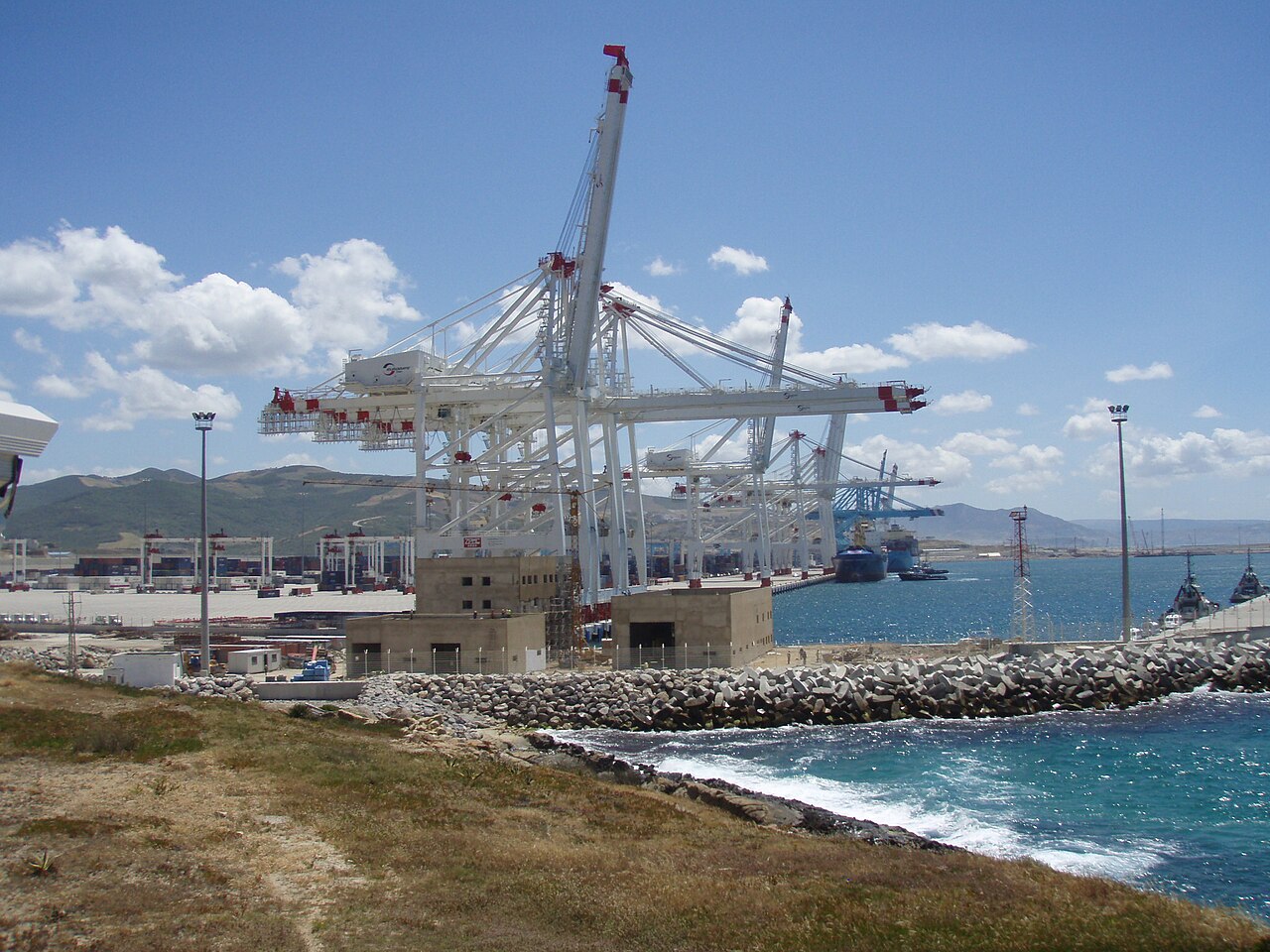
Then there is Western Sahara and the World Cup. The mandate of the United Nations mission expires on 31 October 2026, and the Security Council resolution of October 2025 told the parties to negotiate on the basis of Morocco’s autonomy plan. Morocco is also building for the 2030 tournament it will co-host. The International Monetary Fund puts that programme at 190 billion dirhams, about US$20 billion, and warns it could add seven to eight percent of output to public debt by 2030.
What this means for foreigners
For anyone moving, Morocco explained comes down to three questions: how long you may stay, where you are taxed, and what you may buy. Short stays are easy. Nationals of the European Union, the United Kingdom, the United States and Canada, among others, enter without a visa for up to 90 days. There is no digital nomad visa.
Beyond 90 days you need a residence permit, whatever your nationality. Repeated 90-day entries are not a lawful substitute, and overstaying is an offence. The file goes to the foreigners’ office of the local police prefecture. A first card usually runs one year and two years is common on renewal. Processing takes roughly one to three months, and the receipt you are given proves lawful status meanwhile.
Tax residence is a separate question from immigration status, and it is where people get caught. Article 23 of the tax code makes you resident if any one of three tests is met: a permanent home in Morocco, your centre of economic interests in Morocco, or more than 183 days of presence. The day count runs over any rolling 365-day period, not the calendar year. Practitioners say the permanent-home test usually decides it. Residents are taxed on worldwide income.
Property is more open than most newcomers expect. Foreigners may buy homes and commercial property in their own name, with no residency requirement and no prior authorisation. The exception is agricultural land, which foreign individuals and foreign-owned companies cannot acquire. A sale in breach of that rule is void. Reclassification routes exist, but they run through a local commission and take time.
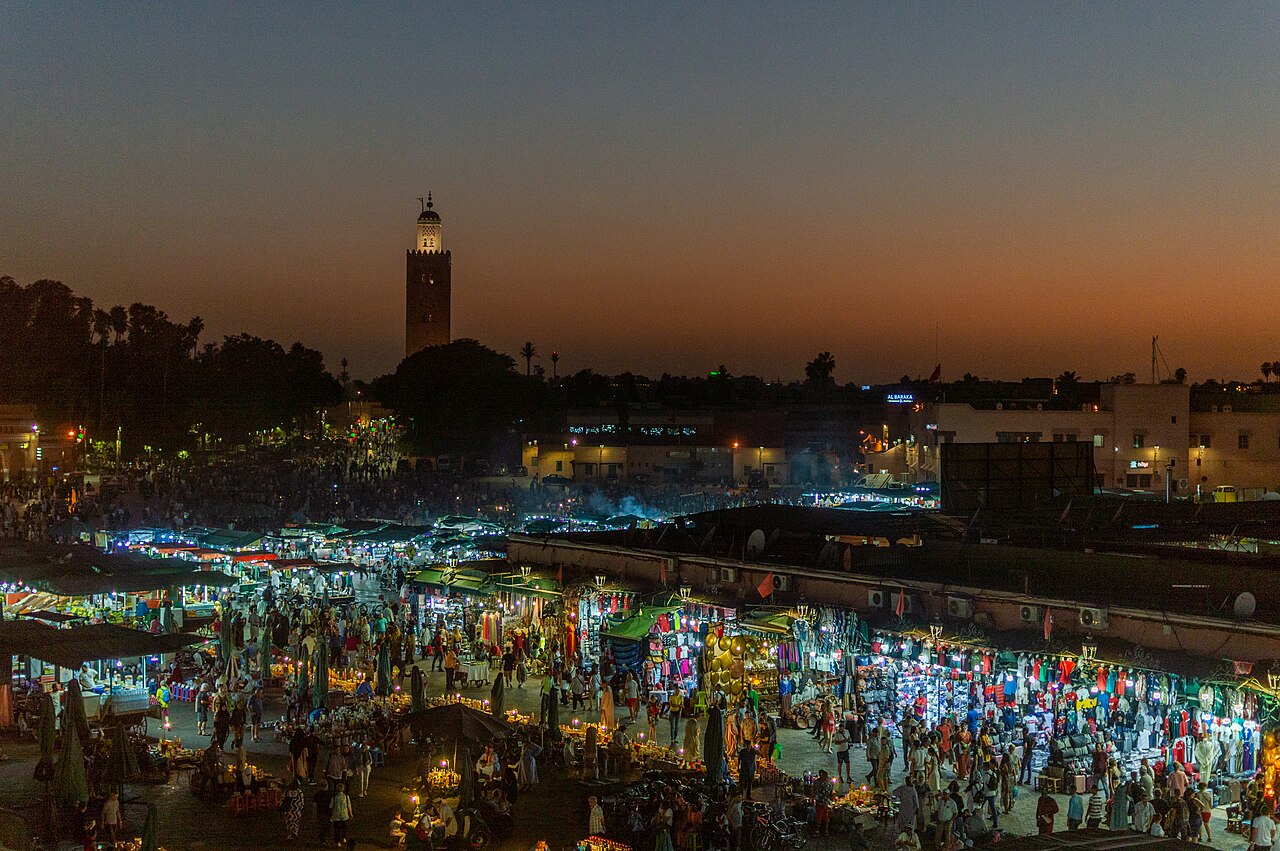
On costs, treat every figure with care, including these. There is no official cost-of-living index for foreign residents. Private listings surveys from August 2026 put one-bedroom asking rents in Casablanca at 6,000 to 8,500 dirhams a month, about US$630 to US$895. Marrakesh runs higher, at 6,500 to 10,500 dirhams, roughly US$685 to US$1,105. Those samples over-represent furnished, expat-oriented stock. On safety, Washington keeps Morocco at level two, and several governments advise against travel near the berm in Western Sahara.
Connected Coverage
Morocco Lets Foreigners Buy Homes and Shares but Not Farmland
Opening a Bank Account in Morocco as a Foreigner 2026
Morocco Election Results Show PAM First as Turnout Falls
UN Must Decide the Future of Western Sahara Mission MINURSO by 31 October
Sources: Rates, reserves, inflation and growth from Bank Al-Maghrib’s own board release of 22 September 2026, trade figures from the Office des Changes, the census from the Haut-Commissariat au Plan, the seat distribution from the Interior Ministry as reported in Morocco, and residency rules from the constitution and the general tax code.
- Bank Al-Maghrib — board press release of 22 September 2026
- International Monetary Fund — Article IV consultation report on Morocco, March 2026
- Al Jazeera — provisional results and the state of the government
- Hespress — the full seat distribution announced by the Interior Ministry
- Office des Changes — external trade indicators
- Constitution of Morocco, 2011 — Articles 5, 47 and 65
- Haut-Commissariat au Plan — legal population from the 2024 census
- United States Embassy in Rabat — residency requirements for foreigners
- Railway Gazette International — the 2030 World Cup construction deadline
What Is Not Known
Who will lead the government, and with whom. The king had made no appointment when this guide was written. The winning party is 101 seats short of a majority and has ruled out its most obvious partner. Wire services name two possible candidates and note that the party has no undisputed leader. Article 47 requires the appointee to come from the winning party but not to lead it, so any name printed now is speculation.
The final seat numbers. Everything announced on 24 September is provisional, pending completion of the electoral process and the adjudication of challenges. The 2021 precedent is a real warning: the provisional figures announced on election night differed from the final tally for every leading party.
What the World Cup programme actually costs. At least four totals circulate on incompatible definitions, from 50 billion dirhams for football investment alone to figures above 400 billion for infrastructure. Nobody has reconciled them publicly. This guide uses the International Monetary Fund’s 190 billion dirhams and says what it covers.
How many people live in Morocco right now. The 2024 census gives a legal population of 36,828,330 as of September 2024. The International Monetary Fund works with 38.05 million for 2026. No mid-2026 official projection could be found, so the two figures should not be blended into one.
Whether unemployment has fallen. The statistics office replaced its employment survey in 2026, narrowed the definition and enlarged the sample. Strict unemployment was 9.5 percent in the second quarter of 2026, but the office states plainly that the new results are not comparable with the old series. Broader measures of labour underutilisation run to 18.9 percent.
Frequently Asked Questions
Who runs Morocco?
King Mohammed VI is head of state and sets the strategic direction of policy, chairing the Council of Ministers and holding the interior, foreign affairs, defence and Islamic affairs portfolios through the palace. An elected government runs the rest and answers to parliament. No head of government had been appointed following the 23 September 2026 election.
Who won the Moroccan election of 23 September 2026?
The Authenticity and Modernity Party, usually called PAM, won 97 of the 395 seats in the House of Representatives on provisional results. The National Rally of Independents, which led the outgoing government, fell from 102 seats to 66, and the Islamist Justice and Development Party rose from 13 to 54. Turnout was 38.02 percent, down from 50.35 percent in 2021.
Do I need a visa to visit Morocco?
Nationals of many countries, including the European Union, the United Kingdom, the United States and Canada, enter without a visa for up to 90 days per stay. Anyone staying longer needs a residence permit, and leaving and re-entering to reset the 90 days is not a lawful substitute. Morocco has no digital nomad visa.
Can a foreigner buy property in Morocco?
Yes, and in your own name, with no residency requirement and no prior government authorisation. The one significant exception is agricultural land, which foreign individuals and foreign-owned companies may not acquire, and a sale in breach of that rule is void. Reclassification routes exist for land being brought into an urban perimeter, but they go through a local commission.
What does it cost to live in Morocco?
Private listings surveys from August 2026 put one-bedroom asking rents at 6,000 to 8,500 dirhams a month in Casablanca, about US$630 to US$895, and 6,500 to 10,500 dirhams in Marrakesh, roughly US$685 to US$1,105. There is no official cost-of-living index for foreign residents, and those surveys over-represent furnished, expat-oriented stock. Treat them as indicative rather than authoritative.
When is Morocco hosting the World Cup?
Morocco is a co-host of the 2030 tournament, alongside Spain and Portugal, with matches also planned in South America. Construction is running to a 2028 and 2029 timetable for the stadiums and the high-speed rail extension. The International Monetary Fund puts the build at 190 billion dirhams, about US$20 billion, and has warned it could strain public finances.
This article was produced by The Rio Times’ automated newsroom system. How we use AI · Report an error
Part of our ongoing coverage
Africa: The New Scramble — the great-power contest over the continent.
Read More from The Rio Times
Rotate for Best Experience
This report is optimized for landscape viewing. Rotate your phone for the full experience.
You've reached your free article limit
Subscribe to The Rio Times for unlimited access to expert analysis, market intelligence, and daily briefings on Latin America.